Posted by Admin on 26-09-2023 in Shiksha hub
Diploma in Dental Technician Introduction, Admission, Registration, Eligibility, Duration, Fees, Syllabus 2024
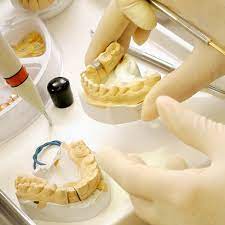
Introduction about DIPLOMA IN DENTAL TECHNICIAN:
Introduction:
The Diploma in Dental Technician (DDT) is a specialized program designed to equip individuals with the knowledge and skills necessary for a career in dental technology. Dental technicians play a vital role in the field of dentistry by working behind the scenes to create dental prosthetics and appliances that improve patients' oral health and aesthetics. This program offers a comprehensive curriculum that covers the various aspects of dental technology, from crafting crowns and bridges to designing dentures and orthodontic appliances.
As a dental technician, you'll be at the intersection of art and science, using your creativity and precision to produce dental devices that are custom-made to fit a patient's unique needs. This diploma program is an excellent choice for individuals who have a keen eye for detail, enjoy working with their hands, and are interested in contributing to the field of dentistry.
Throughout the program, students are exposed to the latest dental technology and materials, learning how to use them to create high-quality dental products. Graduates of the Diploma in Dental Technician program are well-prepared to work in dental laboratories, dental clinics, and even pursue further education in the field.
If you're passionate about oral health and have a talent for craftsmanship, the Diploma in Dental Technician might be the perfect pathway to a rewarding and in-demand career in the dental industry.
How can I Apply for admission to DIPLOMA IN DENTAL TECHNICIAN Program:
To apply for admission to a Diploma in Dental Technician (DDT) program, you can follow these general steps:
Research and Choose a School: Begin by researching dental technician programs offered by various institutions. Look for accredited dental technician schools or colleges that offer the DDT program. Consider factors such as location, program duration, tuition fees, and available facilities.
Check Admission Requirements: Review the admission requirements for the specific DDT program you're interested in. These requirements can vary by institution but typically include a high school diploma or its equivalent. Some programs may also have prerequisites in science or mathematics.
Prepare Application Materials: Collect the necessary application materials, which usually include:
Completed application form: Obtain the application form from the institution's admissions office or website.
Transcripts: Provide copies of your high school transcripts or any relevant academic records.
Entrance Exam Scores: Some programs may require you to take a standardized entrance exam.
Letters of Recommendation: You may need letters of recommendation from teachers or professionals who can vouch for your suitability for the program.
Personal Statement: Write a personal statement that explains your interest in dental technology and why you want to pursue the DDT program.
Submit Your Application: Complete the application form, attach all required documents, and submit your application to the admissions office of the institution. Make sure to meet the application deadline.
Interview (If Required): Some programs may require an interview as part of the admissions process. Prepare for the interview by researching the program and being ready to discuss your goals and interests in dental technology.
Financial Aid: Explore financial aid options, scholarships, or grants that may be available to support your education. The school's financial aid office can provide information on these opportunities.
Wait for Admission Decision: After submitting your application, wait for the admission decision. If you are accepted, you will receive an acceptance letter or email.
Enroll and Register: Once you are admitted, follow the instructions provided in your acceptance letter to enroll in the program. This may involve paying tuition fees, registering for classes, and attending orientation.
Begin Your Studies: Once you've completed the enrollment process, you can start your Diploma in Dental Technician program. Be prepared for both classroom and hands-on laboratory work to gain the necessary skills.
What is the eligibility for DIPLOMA IN DENTAL TECHNICIAN:
Eligibility requirements for a Diploma in Dental Technician (DDT) program may vary from one institution to another, but here are the general eligibility criteria you can expect:
Educational Background: Typically, candidates should have completed their high school education or its equivalent. This means you should have a high school diploma or a recognized secondary education certificate.
Academic Prerequisites: Some institutions may require specific courses or subjects to be part of your high school curriculum. This can include science courses such as biology or chemistry, as these subjects are relevant to dental technology.
Minimum GPA: Institutions may have a minimum Grade Point Average (GPA) requirement for admission. The required GPA can vary from one institution to another, but it's usually in the range of 2.0 to 3.0 on a 4.0 scale.
Entrance Exam: In some cases, you might be required to take an entrance exam as part of the admission process. The content and format of the exam can vary by institution.
Letters of Recommendation: You may need to provide letters of recommendation, typically from teachers, guidance counselors, or professionals who can vouch for your suitability for the program.
Personal Statement: A personal statement explaining your interest in dental technology and why you want to pursue the DDT program is often part of the application process.
Interview (If Required): Some programs may require an interview with program faculty or staff to assess your motivation, goals, and fit for the program.
How long does it takes to complete DIPLOMA IN DENTAL TECHNICIAN:
A Diploma in Dental Technician (DDT) program typically takes about 2 years to complete. This duration can vary slightly depending on the specific institution and the curriculum they offer. DDT programs are designed to provide students with the knowledge and practical skills needed to work as dental technicians. The program includes both classroom instruction and hands-on training in dental laboratories, where students learn how to create dental prosthetics, crowns, bridges, and other oral devices. Upon successful completion of the program, students are prepared for entry-level positions in the field of dental technology.
What are potential career opportunities after DIPLOMA IN DENTAL TECHNICIAN .
After completing a Diploma in Dental Technician (DDT) program, you will be prepared for various career opportunities in the field of dental technology. Some potential career paths and opportunities include:
Dental Laboratory Technician: As a dental laboratory technician, you will work in dental laboratories, creating dental prosthetics, crowns, bridges, dentures, and other oral appliances based on the prescriptions and specifications provided by dentists.
Ceramist: Some dental technicians specialize in ceramics and are responsible for crafting the porcelain or ceramic components of dental crowns, bridges, and veneers to achieve a natural appearance.
Orthodontic Technician: Orthodontic technicians focus on creating orthodontic appliances such as braces and retainers to correct misaligned teeth and jaw issues.
Maxillofacial Prosthetics Technician: These technicians create prosthetic devices for patients who have experienced head or neck trauma, cancer surgery, or other conditions that require facial or cranial prosthetics.
Educator: You can pursue a career in education, teaching future dental technicians in vocational schools or training programs.
Quality Control: Some dental technicians work in quality control and assurance roles, ensuring that the products produced in dental laboratories meet specific standards and regulations.
Sales and Technical Support: Dental supply companies often hire dental technicians to provide technical support and expertise to dental professionals who use their products. You might also work in sales roles, promoting and selling dental products and technology.
Self-Employment: You have the option to start your own dental laboratory or dental prosthetics business.
It's important to note that pursuing further education or certification in a specific area of dental technology can open up even more career opportunities. Additionally, staying updated on the latest dental technology advancements and materials can enhance your career prospects in this field.
Syllabus of Semesterwise DIPLOMA IN DENTAL TECHNICIAN:
The syllabus for a Diploma in Dental Technician (DDT) program can vary from one institution to another, but here is a general overview of what you might expect to study, organized by semesters:
|
Semester 1: |
|
Dental Anatomy and Physiology |
|
Dental Materials |
|
Oral Health and Hygiene |
|
Introduction to Dental Laboratory Techniques |
|
Semester 2: |
|
Dental Radiography |
|
Introduction to Prosthodontics |
|
Study of Dental Instruments |
|
Dental Laboratory Equipment and Maintenance |
|
Semester 3: |
|
Dental Crown and Bridge Work |
|
Full Denture Prosthodontics |
|
Dental Ceramics |
|
Dental Implants |
|
Semester 4: |
|
Orthodontic Appliances |
|
Maxillofacial Prosthetics |
|
Fixed and Removable Partial Dentures |
|
Dental Laboratory Management and Record Keeping |
|
Semester 5: |
|
Advanced Dental Ceramics |
|
Digital Dentistry and CAD/CAM Technology |
|
Quality Control and Assurance |
|
Clinical Observations |
|
Semester 6: |
|
Internship or Clinical Practice |
|
Case Studies |
|
Professional Ethics and Communication |
|
Seminar and Presentations |
Internship Opportunities after completing DIPLOMA IN DENTAL TECHNICIAN:
After completing a Diploma in Dental Technician (DDT) program, you'll have various internship opportunities and career paths in the field of dental technology. Here are some potential options:
Dental Laboratories: Many dental technicians work in private dental laboratories. During your internship, you can gain hands-on experience in these labs, where you'll create dental prosthetics, restorations, and appliances. You may work under the guidance of experienced technicians.
Dental Clinics: Some dental clinics hire dental technicians to work on-site, especially in larger or specialized practices. In this setting, you can collaborate with dentists and other dental professionals to create customized dental appliances and prosthetics for patients.
Hospitals: Larger medical institutions or hospitals with dental departments may also employ dental technicians to craft oral and maxillofacial prosthetics. You might be involved in creating prosthetic devices for patients who have undergone surgery or have congenital conditions.
Dental Manufacturing Companies: Dental manufacturers hire dental technicians to develop and test new materials, instruments, and technology. Working with these companies allows you to contribute to advancements in the field and understand the business side of dental technology.
Academic Institutions: If you're interested in education and research, you can explore opportunities at universities, dental schools, or research institutions. This might involve teaching, conducting research, or working in educational and research labs.
Independent Practice: Some dental technicians choose to start their dental technology businesses. If you have the entrepreneurial spirit, you can establish your dental laboratory, focusing on a niche within dental technology, such as orthodontics, crowns and bridges, or dentures.
Specialized Areas: You can also pursue specialized areas within dental technology, such as orthodontic appliances, maxillofacial prosthetics, or implantology. Internships in these areas can open doors to highly specialized careers.
It's essential to seek out internships that align with your career goals and interests within dental technology. During your internship, you'll have the opportunity to work with experienced professionals, refine your skills, and build a portfolio of your work. This practical experience will be valuable when you enter the job market and start your career as a dental technician.
Scholarship and grants for DIPLOMA IN DENTAL TECHNICIAN:
Scholarships and grants for a Diploma in Dental Technician (DDT) program can vary depending on your location, the specific institution you're attending, and your eligibility. Here are some common sources of financial aid you can explore:
Institutional Scholarships: Many dental schools or institutions that offer DDT programs have their scholarship programs. These scholarships may be merit-based or need-based. Contact the admissions or financial aid office of the institution to inquire about available scholarships.
Government Grants: In some regions, government agencies may offer grants or financial aid for students pursuing healthcare-related programs. Check with your local or national government's education department to see if any such opportunities are available.
Professional Associations: Dental technology professional associations may offer scholarships or grants to students pursuing education in the field. For example, the National Association of Dental Laboratories (NADL) in the United States has scholarship programs for dental technology students.
Private Organizations: Various private foundations and organizations may provide scholarships or grants to dental technology students. Conduct online research or reach out to organizations in your area to discover potential opportunities.
Employer Assistance: If you are already working in a dental laboratory or related field, your employer might offer financial assistance or scholarships for continuing education.
Financial Aid Programs: In many countries, there are government-sponsored financial aid programs that provide loans, grants, or work-study opportunities for students pursuing higher education. These can help cover tuition and living expenses.
Online Scholarship Search Engines: Websites like Fastweb, Scholarship.com, and Scholarships.com allow you to search for scholarships that match your specific criteria, including your field of study.
When seeking scholarships and grants, it's essential to meet application deadlines, provide all required documentation, and present a strong case for why you deserve the financial support. Additionally, remember to explore local and regional opportunities, as they might be less competitive than national or international scholarships.
FAQ,s:
What is a Diploma in Dental Technician (DDT)?
A DDT is a diploma program that educates individuals in the field of dental technology. It trains students to work in dental laboratories, where they create various dental appliances, prosthetics, and restorations as prescribed by dentists.
How long does it take to complete a DDT program?
The duration of a DDT program can vary, but it is typically a 2-year full-time course. Part-time and online options may also be available, which can extend the duration.
What are the eligibility requirements for a DDT program?
The specific eligibility criteria can vary by institution, but generally, candidates should have completed their high school education or equivalent. Some programs may have additional admission requirements.
What will I learn during a DDT program?
DDT programs cover topics such as dental anatomy, dental materials, dental prosthetics, orthodontics, and practical training in dental laboratory techniques. Students learn to create various dental appliances like dentures, crowns, bridges, and orthodontic devices.
What career opportunities are available after completing a DDT program?
Graduates of DDT programs can work as dental technicians in dental laboratories. They can specialize in areas like prosthodontics, orthodontics, or crown and bridge work. Some may choose to become dental technologist educators or pursue further studies in dental technology.
Is certification required to work as a dental technician?
Certification requirements vary by region and country. In some places, certification or licensure is mandatory to work as a dental technician. You may need to pass a certification exam and meet other criteria set by a dental technology board.
How can I find scholarships or financial aid for a DDT program?
Scholarships and grants for DDT programs are often available through institutions, professional organizations, and government agencies. You can check with your school's financial aid office, explore professional dental technology associations, and search online scholarship databases for opportunities.
What is the job outlook for dental technicians?
Job prospects for dental technicians can vary by location, but there is a consistent need for skilled professionals to create dental appliances. The job outlook is generally positive due to an aging population and the demand for dental restorations.
What skills are essential for a successful dental technician?
Dental technicians should have strong attention to detail, manual dexterity, artistic skills, and knowledge of dental materials. Communication and teamwork skills are also valuable, as they often collaborate with dentists and other healthcare professionals.
Can I specialize in a particular area of dental technology?
Yes, dental technicians can choose to specialize in areas like prosthodontics (dentures and implants), orthodontics (braces and aligners), crown and bridge work, or ceramics. Specialization typically requires additional training and expertise.
Remember that specific details, including curriculum, certification requirements, and career prospects, may vary by region and institution, so it's essential to research programs in your desired location for the most accurate information.
Conclusion:
In conclusion, a Diploma in Dental Technology opens up a world of opportunities for individuals who are passionate about dental health and craftsmanship. Dental technicians are instrumental in creating functional and aesthetically pleasing dental solutions. The profession offers stability, a positive job outlook, and the chance to make a meaningful difference in patients' lives.
How Shiksha Hub helps you in
-
 Student Counsellors
 -
 Career Counseling
 -
 Research
 -
 24/7 Support
 -
 Scholarships
 -
 Community