Posted by Admin on 03-08-2023 in Shiksha hub
Diploma in ECG Technician Introduction, Admission, Registration, Eligibility, Duration, Fees, Syllabus 2024
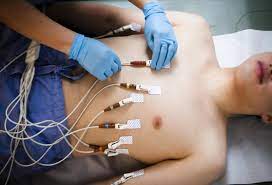
Introduction about Diploma in E C G Technician
In the ever-evolving landscape of healthcare, professionals with specialized skills play a crucial role in ensuring accurate diagnosis and patient care. One such profession that stands at the intersection of technology and healthcare is that of an ECG Technician. In this article, we will explore the intricacies of pursuing a Diploma in ECG Technician, the skills acquired during the program, career opportunities, and the overall significance of this role in the healthcare ecosystem.
Definition of ECG
An Electrocardiogram (ECG) is a diagnostic tool used to monitor and record the electrical activity of the heart over a specific period. It provides valuable insights into the heart's health and aids in the detection of various cardiovascular conditions.
Importance of ECG Technicians
ECG Technicians are healthcare professionals responsible for operating ECG machines, conducting tests, and collaborating with doctors to analyze and interpret results. Their role is pivotal in facilitating timely and accurate diagnosis.
What is a Diploma in ECG Technician?
Overview of the program
A Diploma in ECG Technician is a specialized educational program designed to equip individuals with the knowledge and skills needed to perform ECG tests effectively. The curriculum typically covers anatomy, physiology, medical terminology, and practical training in operating ECG machines.
Curriculum and subjects covered
Students enrolled in this diploma program undergo a comprehensive curriculum that includes theoretical knowledge and hands-on experience. Subjects such as cardiac anatomy, rhythm analysis, and medical ethics are integral components of the coursework.
Eligibility and Admission Process
Educational requirements
Prospective students usually need a high school diploma or equivalent to be eligible for the program. Some institutions may have additional prerequisites, such as biology or chemistry coursework.
Application process
The admission process typically involves submitting educational transcripts, letters of recommendation, and a personal statement outlining the candidate's interest in becoming an ECG Technician.
Skills Acquired
Technical skills
Students develop proficiency in operating ECG machines, understanding cardiac rhythms, and troubleshooting technical issues. These technical skills are essential for accurate test results.
Communication skills
Effective communication is crucial for ECG Technicians when interacting with patients and healthcare professionals. The program emphasizes the development of clear and concise communication skills.
Career Opportunities
Hospitals and clinics
Graduates can find employment in hospitals and clinics, working alongside cardiologists and other healthcare professionals. They play a vital role in conducting routine ECG tests for patients.
Diagnostic centers
ECG Technicians may also work in diagnostic centers, where they contribute to a range of diagnostic procedures beyond routine ECG tests.
Job Responsibilities
Conducting ECG tests
The primary responsibility of an ECG Technician is to conduct ECG tests on patients. This involves preparing the patient, attaching electrodes, and ensuring accurate recordings.
Collaborating with healthcare professionals
ECG Technicians collaborate with doctors and nurses to analyze test results, identify abnormalities, and contribute to the overall diagnostic process.
Salary and Benefits
Average salary range
The salary of ECG Technicians varies based on factors such as experience, location, and the employing institution. On average, they can expect competitive compensation.
Additional perks and benefits
Many healthcare institutions offer additional benefits such as health insurance, retirement plans, and opportunities for professional development.
Challenges Faced
Handling emergency situations
ECG Technicians may encounter emergency situations where quick thinking and decisive action are required. Training programs prepare them to handle such scenarios effectively.
Dealing with patient emotions
Interacting with patients, some of whom may be anxious or distressed, requires a compassionate approach. ECG Technicians learn to manage patient emotions with empathy.
How can I apply for admission to Diploma in E C G Technician Program
Research Programs: Begin by researching institutions that offer a Diploma in ECG Technician program. Look for accredited institutions with a strong reputation in healthcare education.
Check Eligibility Requirements: Review the eligibility criteria for the program. Typically, you'll need a high school diploma or equivalent. Some programs may require specific coursework in subjects like biology or chemistry.
Gather Required Documents: Collect all necessary documents for the application process. This may include:
High school transcripts
Letters of recommendation
Personal statement or essay expressing your interest in the program
Any additional documents specified by the institution
Prepare for Entrance Exams (if required): Some institutions may require applicants to take entrance exams as part of the admission process. Prepare for these exams by understanding the format and content.
Complete the Application Form: Fill out the application form provided by the institution. Be thorough and accurate when providing personal and educational information.
Submit Application: Submit your completed application along with all required documents by the specified deadline. Many institutions provide online application portals for convenience.
Pay Application Fee: Some institutions may require an application fee. Ensure that you pay the fee according to the instructions provided by the institution.
Attend Interviews (if required): In some cases, you may be required to attend an interview as part of the selection process. Prepare for the interview by researching common questions and articulating your reasons for pursuing the program.
Wait for Admission Decision: After submitting your application, patiently wait for the admission decision. This process may take some time, depending on the institution's review timeline.
Accept Offer and Enroll: If you receive an offer of admission, carefully review the terms and conditions. Once satisfied, accept the offer and complete the enrollment process as instructed by the institution.
Apply for Financial Aid (if needed): If you require financial assistance, explore scholarship opportunities or apply for student loans. Many institutions have financial aid offices to guide you through this process.
What is the eligibility for Diploma in E C G Technician
Educational Qualifications: Typically, candidates should have completed their high school education or hold an equivalent qualification, such as a General Education Development (GED) certificate.
Educational Background: Some programs may have specific coursework prerequisites. While a general high school diploma is usually sufficient, having a background in subjects like biology or chemistry might be advantageous.
Age Requirements: There is usually no specific age limit for admission, but candidates are typically expected to be at least 17 or 18 years old. Institutions may require applicants to meet legal age requirements for certain clinical experiences.
English Language Proficiency: As the program is likely to be conducted in English, applicants may need to demonstrate proficiency in the English language. This could be through standardized tests like the TOEFL or IELTS, especially for international students.
Health and Physical Requirements: Given the nature of the healthcare field, institutions may require candidates to meet certain health and physical standards. This ensures that students can actively participate in clinical practices and fulfill the responsibilities of an ECG Technician.
Criminal Background Check: Some institutions may conduct a criminal background check as part of the admission process, especially since students will be working in healthcare settings.
Letters of Recommendation: While not always mandatory, providing letters of recommendation from teachers, employers, or other professionals who can attest to your character and suitability for the program can strengthen your application.
Application Form and Fee: Completing the official application form and paying any required application fees are standard procedures. This may be done online or through a paper application, depending on the institution.
Interview (Possibly): Some institutions may require an interview as part of the selection process. This allows the admissions committee to better understand your motivations, goals, and suitability for the program.
How long does it takes to complete a Diploma in E C G Technician program
1-Year Programs: Some institutions offer accelerated or intensive diploma programs in ECG technology that can be completed in about one year. These programs are often designed for students who are looking for a quicker entry into the workforce.
2-Year Programs: The more common duration for Diploma in ECG Technician programs is around two years. This time frame allows for a more comprehensive curriculum, including both theoretical coursework and hands-on clinical training.
The structure of the program, including the distribution of classroom instruction, laboratory work, and clinical practicum, can influence the overall length. Additionally, some programs may include internship or externship components, extending the duration slightly.
What are potential career opportunities after Diploma in E C G Technician
ECG Technician: Graduates can work directly as ECG Technicians, conducting and analyzing electrocardiogram tests. They play a crucial role in assisting healthcare professionals in diagnosing and monitoring cardiac conditions.
Cardiac Monitor Technician: Some individuals with a diploma in ECG technology may choose to specialize as Cardiac Monitor Technicians. In this role, they monitor patients' cardiac activity using specialized equipment and report any irregularities to medical staff.
Telemetry Technician: Telemetry Technicians are responsible for monitoring patients' vital signs, including heart rate and rhythm, often in a hospital setting. Their observations contribute to the overall assessment and care of patients.
Cardiovascular Technologist: Graduates may pursue roles as Cardiovascular Technologists, where they perform diagnostic tests beyond ECG, such as stress tests and Holter monitoring. This broader scope of practice enhances career versatility.
Medical Assistant: Some ECG Technicians choose to work as Medical Assistants, providing support in various healthcare settings. Their ECG expertise adds value to roles that involve patient care, administrative tasks, and basic clinical procedures.
Healthcare Administration: With additional skills or education, graduates may transition into roles in healthcare administration, where they contribute their knowledge of cardiovascular diagnostics to improve operational processes.
Research Assistant in Cardiology Studies: Those interested in research can explore opportunities as Research Assistants in cardiology studies. They may be involved in clinical trials or research projects focused on advancements in cardiovascular medicine.
Home Healthcare Services: ECG Technicians may find opportunities in home healthcare services, visiting patients to perform ECG tests in the comfort of their homes. This can be particularly beneficial for individuals with mobility issues.
Medical Equipment Sales: Some graduates choose career paths in sales, specifically in the medical equipment industry. They may work for companies selling ECG machines, providing technical expertise to clients.
Educator or Trainer: Individuals with experience and additional qualifications can become educators or trainers, sharing their expertise with future ECG Technicians or healthcare professionals.
Syllabus of Diploma in E C G Technician
Semester 1:
1. Introduction to Healthcare
Overview of the healthcare system
Role of ECG Technicians in patient care
2. Anatomy and Physiology
Study of the cardiovascular system
Understanding the structure and function of the heart
3. Medical Terminology
Introduction to medical vocabulary relevant to cardiology
Interpretation of common medical abbreviations
4. Basics of ECG
Introduction to electrocardiography
Components of an ECG waveform
5. Patient Care and Communication
Developing effective communication skills
Interacting with patients during ECG procedures
6. Ethics in Healthcare
Understanding ethical considerations in patient care
Privacy and confidentiality in healthcare settings
Semester 2:
7. ECG Machine Operation
Hands-on training in operating ECG machines
Troubleshooting common technical issues
8. Cardiac Rhythms
In-depth study of normal and abnormal cardiac rhythms
Identification of arrhythmias on an ECG
9. ECG Interpretation
Analyzing ECG tracings for abnormalities
Understanding the clinical significance of findings
10. Practical Training
Clinical practicum in a healthcare setting
Conducting supervised ECG tests on patients
11. Medical Emergencies
Handling emergency situations during ECG procedures
Basic life support training
12. Professional Development
Building professionalism in healthcare
Resume building and job readiness
Semester 3:
13. Advanced ECG Techniques
Specialized ECG procedures (stress testing, Holter monitoring, etc.)
Integration of advanced technologies in ECG
14. Patient Management
Dealing with patient emotions and anxiety
Developing empathy in patient care
15. Quality Assurance in ECG
Ensuring accuracy and reliability of ECG tests
Quality control measures
16. Legal and Ethical Issues in ECG
Understanding legal implications of ECG procedures
Ethical decision-making in challenging situations
17. Industry Internship
Extended practical experience in a healthcare facility
Application of learned skills in real-world scenarios
18. Research Methodology
Introduction to research in cardiology
Participating in or conducting a small research project
Internship opportunities after completing Diploma in E C G Technician
Hospital Internship: Many hospitals offer internship programs for ECG Technicians. During this internship, graduates can work alongside experienced professionals in a hospital setting, conducting ECG tests, and gaining exposure to various cardiac cases.
Cardiology Clinics: Specialized cardiology clinics often provide internship opportunities for ECG Technicians. Interns may assist in conducting tests, analyzing results, and working closely with cardiologists to understand specific cardiac conditions.
Diagnostic Centers: Interning at diagnostic centers allows ECG Technicians to broaden their experience by participating in a range of diagnostic procedures beyond standard ECG tests. This may include stress testing and Holter monitoring.
Rehabilitation Centers: Rehabilitation centers focusing on cardiac rehabilitation may offer internships. Here, graduates can contribute to the monitoring and assessment of patients undergoing cardiac rehabilitation programs.
Private Practices: ECG Technicians may find internships in private cardiology practices. This setting provides exposure to a variety of patients and conditions while working closely with a smaller team of healthcare professionals.
Telehealth Companies: With the rise of telehealth services, some companies specialize in remote monitoring of cardiac patients. Interning with such organizations allows ECG Technicians to explore the growing field of telemedicine.
Research Internship: Those interested in the research aspect of cardiology can seek internships in research institutions or university-affiliated medical centers. This provides exposure to ongoing research projects in cardiology and related fields.
Medical Equipment Companies: Interning with companies that manufacture or distribute medical equipment, including ECG machines, provides insights into the technical aspects of equipment operation and maintenance.
Nursing Homes and Long-Term Care Facilities: Internships in nursing homes or long-term care facilities offer a different perspective, allowing ECG Technicians to work with a diverse patient population, including elderly individuals with cardiac conditions.
Government Healthcare Agencies: Some government healthcare agencies may have internship programs for ECG Technicians. This could involve working in public health initiatives or community health programs.
Scholarship and grants for Diploma in E C G Technician
Institutional Scholarships: Many educational institutions offer scholarships to students based on academic merit, financial need, or a combination of both. Check with the institution offering the Diploma in ECG Technician program for details on available scholarships.
Government Aid and Grants: Government agencies often provide financial aid to students pursuing healthcare-related programs. Explore federal and state-level programs that support vocational and technical education. Filling out the Free Application for Federal Student Aid (FAFSA) is a crucial step in accessing government aid.
Healthcare Associations and Foundations: Professional organizations and foundations related to healthcare may offer scholarships for students pursuing careers in the medical field. Look for associations specifically focused on cardiology or diagnostic healthcare.
Corporate Sponsorships: Some corporations, especially those in the healthcare and medical equipment industries, offer scholarships or sponsorships for students pursuing relevant programs. Check with companies that have a vested interest in ECG technology.
Community and Nonprofit Organizations: Local community organizations and nonprofits may have scholarship programs to support students in their community. These could be based on academic achievement, community involvement, or financial need.
Specific Population Scholarships: Some scholarships are designed for specific populations, such as minorities, women in healthcare, or individuals with specific health conditions. Research scholarships tailored to your profile and background.
Workforce Development Programs: Workforce development programs initiated by government agencies or private organizations may provide financial support for individuals seeking training in high-demand fields like healthcare. These programs often prioritize skill development for employment.
Hospital and Healthcare System Scholarships: Some hospitals or healthcare systems offer scholarships to individuals pursuing careers in healthcare. These scholarships may come with agreements for recipients to work in the institution after completing their education.
Online Scholarship Databases: Explore online scholarship databases and platforms that aggregate information on available scholarships. Websites like Fastweb, Chegg, and College Board's Scholarship Search can be valuable resources.
Professional Development Grants: Some professional organizations provide grants to support the professional development of individuals entering specific healthcare fields. These grants may cover educational expenses, conference attendance, or certification fees.
Conclusion
In conclusion, embarking on a journey to attain a Diploma in ECG Technician not only opens doors to a dynamic and fulfilling career in healthcare but also signifies a commitment to the well-being of others. This comprehensive program equips individuals with the technical expertise to operate ECG machines, interpret cardiac rhythms, and contribute significantly to the diagnostic process.
FAQs
1. What is the duration of the Diploma in ECG Technician program?
The duration of the program varies, but it typically ranges from 1 to 2 years, depending on the institution and specific curriculum.
2. What are the eligibility criteria for enrolling in a Diploma in ECG Technician program?
Eligibility criteria generally include a high school diploma or equivalent, with some programs having specific coursework prerequisites. Requirements may vary by institution.
3. What skills will I acquire during the program?
The program equips students with technical skills in operating ECG machines, knowledge of cardiac anatomy and physiology, effective communication skills, and the ability to analyze and interpret ECG results.
4. Are there opportunities for internships or practical training?
Yes, many programs include internships or clinical practicum components, providing hands-on experience in healthcare settings, such as hospitals, clinics, or diagnostic centers.
5. What career opportunities are available after completing the Diploma in ECG Technician?
Graduates can pursue careers as ECG Technicians, Cardiac Monitor Technicians, or work in various healthcare settings, including hospitals, diagnostic centers, and rehabilitation facilities.
6. Are there any specific certifications required after completing the program?
Some institutions may require graduates to take certification exams to become certified ECG Technicians. Certification enhances job prospects and demonstrates proficiency in the field.
7. Can I pursue further education after completing the diploma?
Yes, graduates may choose to further their education by pursuing higher degrees or certifications in related fields such as cardiovascular technology or healthcare management.
8. Are there scholarship opportunities available for the Diploma in ECG Technician program?
Yes, various scholarships and grants may be available based on academic merit, financial need, or specific criteria. Students can explore institutional, government, and industry-specific scholarships.
9. What is the average salary range for ECG Technicians?
The salary varies based on factors such as experience, location, and the employing institution. On average, ECG Technicians can expect competitive compensation, with potential for growth.
10. How do I apply for admission to a Diploma in ECG Technician program?
To apply, research institutions offering the program, check eligibility criteria, gather required documents, complete the application form, submit required fees, and follow any additional steps outlined by the institution.
How Shiksha Hub helps you in
-
 Student Counsellors
 -
 Career Counseling
 -
 Research
 -
 24/7 Support
 -
 Scholarships
 -
 Community