Posted by Admin on 01-08-2023 in Shiksha hub
Diploma in Fashion Photography Introduction, Admission, Registration, Eligibility, Duration, Fees, Syllabus 2024
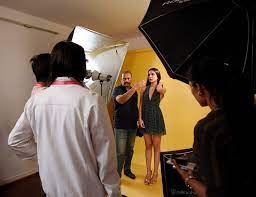
Introduction about Diploma in Fashion Photography
Fashion photography is an integral part of the dynamic world of fashion. It's not just about capturing beautiful images; it's an art form that combines creativity, technical skills, and an understanding of the fashion industry. A Diploma in Fashion Photography offers individuals a gateway into this thrilling realm, equipping them with the necessary knowledge and expertise to thrive in this competitive field.
What is a Diploma in Fashion Photography?
A Diploma in Fashion Photography is a specialized program that delves deep into the art and techniques of capturing fashion through the lens. It covers a wide array of topics, including photography fundamentals, styling, editing, and the business aspects of the industry.
Curriculum Overview
The curriculum of this diploma encompasses both theoretical concepts and hands-on practical training. Students explore various facets of photography, from mastering camera techniques to understanding lighting, composition, and editing software.
Skills Developed
One of the primary focuses of this diploma is to hone the technical skills required for fashion photography. Students learn to create visually compelling images, focusing on styling, composition, and post-production editing.
Career Opportunities
Upon completion, graduates can pursue diverse career paths in the fashion industry. They can work as fashion photographers for magazines, brands, or agencies, collaborate with designers, or venture into freelance projects.
Relevance in the Industry
Fashion photography plays a pivotal role in shaping trends and defining brand identities. The images created often dictate the visual narrative of fashion campaigns, influencing consumer perceptions and preferences.
Enrollment Requirements
To enroll in a Diploma in Fashion Photography, applicants typically need a high school diploma or equivalent. Some institutions might require a portfolio or prior experience in photography.
Institutional Review
Several reputable institutions offer comprehensive programs in Fashion Photography. Accreditation and credibility are essential factors to consider when choosing the right institution.
Student Experiences
Many students find the program challenging yet immensely rewarding. Testimonials often highlight the practical learning experiences and mentorship provided by industry professionals.
Technological Advancements
The field of fashion photography constantly evolves with technological advancements. Digital tools and software innovations continue to revolutionize the industry.
Evolution of Fashion Photography
From its historical roots to contemporary adaptations, fashion photography has evolved significantly. Today, it embraces diversity, creativity, and innovation.
Costs and Financial Aid
Tuition fees for such programs vary across institutions. However, financial aid options such as scholarships or grants might be available to eligible students.
Future Prospects
As the fashion industry continues to evolve, the demand for skilled fashion photographers is expected to rise. Adapting to industry changes and technological advancements will be crucial.
Networking and Community
Building connections within the industry is vital for budding fashion photographers. Networking events and online communities offer platforms for collaboration and growth.
Global Reach and Opportunities
Fashion photography transcends borders, offering opportunities on a global scale. Cultural influences play a significant role in shaping photographic styles and trends.
How can I apply for admission to Diploma in Fashion Photography Program
Research and Selection:
Explore Programs: Research institutions offering this diploma. Look for accredited programs that align with your interests and career goals.
Review Requirements: Check the admission criteria, including academic prerequisites, portfolio submissions (if required), and language proficiency standards.
Application Process:
Complete Application Form: Fill out the application form provided by the institution. Ensure accuracy and completeness of all information.
Prepare Documents: Gather necessary documents, such as academic transcripts, letters of recommendation, a resume, and a statement of purpose if needed.
Create Portfolio (if required): Some programs may ask for a portfolio showcasing your photography skills. Curate your best work to demonstrate your talent and style.
Submit Application: Send the completed application form along with the required documents to the admission office before the specified deadline.
Follow-Up and Interviews:
Follow-Up: Monitor the application process. Follow up with the institution if necessary to confirm receipt of documents or to inquire about any additional requirements.
Interview (if required): Some programs may conduct interviews as part of the selection process. Prepare for interviews by practicing common interview questions and showcasing your passion for fashion photography.
Decision and Enrollment:
Wait for Decision: Wait for the institution's decision regarding your application. This can take several weeks.
Acceptance and Enrollment: If accepted, follow the instructions provided to confirm your acceptance and proceed with enrollment. This may involve paying a deposit or fees to secure your spot in the program.
What is the eligibility for Diploma in Fashion Photography
Educational Background: Typically, a high school diploma or equivalent qualification is required for admission.
Portfolio or Prior Experience: Some institutions may ask for a portfolio showcasing your photography skills or prior experience in photography as part of the application process.
Language Proficiency: For international students or in certain institutions, proof of English proficiency might be necessary through tests like TOEFL or IELTS.
Interview or Entrance Exam: Some programs may require an interview or an entrance exam to assess your interest, skills, and understanding of the field.
Minimum Age Requirement: Certain programs might have a minimum age requirement for applicants.
How long does it takes to complete a Diploma in Fashion Photography program
Short-term Programs: Some institutions offer intensive or short-term diploma courses that span approximately six months to a year. These programs focus on covering the essential aspects of fashion photography in a condensed timeframe.
Longer Programs: Other institutions may provide more comprehensive diploma programs that extend up to two years. These longer programs often incorporate a more extensive curriculum, allowing for a deeper exploration of various facets of fashion photography, including both theoretical learning and practical experiences.
The duration can also be influenced by factors such as part-time or full-time enrollment options, the inclusion of internships or practical training, and the specific requirements set by the institution offering the diploma.
What are potential career opportunities after Diploma in Fashion Photography
Fashion Photographer: Work as a professional photographer specializing in fashion. This role involves creating visually striking images for magazines, advertising campaigns, fashion brands, and editorial content.
Studio or Freelance Photographer: Establish your own photography studio or work independently as a freelance photographer, collaborating with designers, models, and brands on various projects.
Fashion Magazine Contributor: Contribute photographs to fashion magazines, both online and print, capturing trends, editorials, and fashion spreads.
Fashion Stylist: Combine photography skills with styling expertise, working on fashion shoots to curate outfits, accessories, and overall aesthetics for photographs.
Photo Editor or Retoucher: Specialize in post-production work, editing and retouching fashion images to enhance their visual appeal and align with brand aesthetics.
Brand or Product Photographer: Focus on photographing fashion products, creating captivating visuals for e-commerce platforms, catalogs, and promotional materials for brands.
Social Media Content Creator: Develop content for social media platforms, including Instagram, TikTok, and Pinterest, showcasing fashion photography skills and collaborating with influencers or brands.
Fashion Industry Liaison: Work closely with fashion brands or agencies, coordinating photo shoots, scouting locations, and managing photography-related aspects of marketing campaigns.
Art Director or Creative Director: Progress into roles that involve overseeing the visual direction and creative aspects of fashion-related projects, guiding photography concepts and executions.
Photojournalist: Explore storytelling through fashion photography, documenting fashion events, trends, and cultures for newspapers, websites, or documentary projects.
Syllabus of Diploma in Fashion Photography
Semester 1:
Introduction to Photography
Basics of camera operations
Understanding exposure and aperture
Visual Composition
Principles of composition in photography
Framing and perspectives
History of Fashion Photography
Evolution and trends in fashion photography
Influential photographers and their works
Styling Techniques
Basics of fashion styling and aesthetics
Role of styling in fashion photography
Lighting Fundamentals
Natural and artificial lighting techniques
Lighting setups for fashion shoots
Semester 2:
Advanced Camera Techniques
Advanced camera operations and settings
Specialty lenses and equipment for fashion photography
Fashion and Editorial Photography
Creating narratives through fashion images
Editorial concepts and storytelling
Post-Production and Editing
Introduction to editing software
Retouching techniques for fashion photography
Portfolio Development
Curating a professional portfolio
Presenting and marketing your work
Professional Practices
Ethics and legal considerations in fashion photography
Business aspects and client management
Semester 3:
Specialized Photography Styles
High fashion photography techniques
Portrait and beauty photography in fashion
Collaborative Projects
Collaborating with stylists, models, and makeup artists
Managing a fashion photoshoot
Industry Internship or Practicum
Hands-on experience in a professional setting
Applying learned skills in real-world scenarios
Emerging Trends in Fashion Photography
Exploring contemporary styles and trends
Adaptation to changing industry standards
Capstone Project
Final project or thesis showcasing learned skills
Presentation of a comprehensive portfolio
Internship opportunities after completing Diploma in Fashion Photography
Fashion Magazines or Publications: Intern with fashion magazines or online publications, assisting professional photographers on fashion shoots, learning about editorial requirements, and gaining exposure to the publication process.
Fashion Brands or Designers: Work as an intern with fashion brands or designers, assisting in capturing product images, behind-the-scenes photography during fashion shows, and understanding brand aesthetics.
Photography Studios: Intern at photography studios specializing in fashion, assisting experienced photographers, and learning studio lighting techniques, post-production, and client management.
Creative Agencies or Advertising Firms: Intern with creative agencies or advertising firms involved in fashion campaigns, assisting in concept development, photo shoots, and image editing for marketing purposes.
Fashion Events and Shows: Gain hands-on experience by interning at fashion events, runway shows, or fashion weeks, working with photographers covering the event and networking within the industry.
Online Platforms and Influencers: Intern with social media influencers, fashion bloggers, or online platforms, assisting in content creation, photo editing, and understanding the nuances of social media-driven fashion photography.
Production Companies: Intern with production companies involved in fashion commercials, videos, or film productions, gaining insights into the visual aspects of fashion storytelling through motion and visuals.
Art Galleries or Exhibitions: Intern with art galleries or exhibitions showcasing fashion photography, assisting in curation, event management, and understanding the presentation of fashion imagery.
Scholarship and grants for Diploma in Fashion Photography
Institutional Scholarships:
Merit-Based Scholarships: Institutions may offer scholarships based on academic excellence, talent, or outstanding achievements in photography.
Need-Based Scholarships: Some institutions provide financial aid based on the student's financial situation or need.
Government and Non-profit Organizations:
Government Grants: In some regions, government bodies offer grants or financial assistance for students pursuing education in creative fields like photography.
Non-profit Foundations: Look for foundations or organizations dedicated to supporting arts and education. They might offer scholarships or grants for aspiring photographers.
Industry-Related Scholarships:
Industry-Specific Scholarships: Fashion-related organizations, photography associations, or companies in the fashion and photography industry sometimes offer scholarships to support students pursuing a career in fashion photography.
Community and Diversity Programs:
Diversity Scholarships: Some institutions or organizations have scholarships aimed at promoting diversity and inclusivity within the creative arts, including fashion photography.
Community Programs: Local community organizations or foundations might have initiatives that offer financial support to students pursuing creative fields.
Research and Application Process:
Check Institution Websites: Explore the websites of institutions offering the diploma program. They often have information about available scholarships, eligibility criteria, and application processes.
Application Requirements: Pay attention to the specific requirements for each scholarship or grant. They might include essays, portfolios, or specific application forms.
Deadlines and Eligibility: Note the deadlines for scholarship applications and ensure you meet the eligibility criteria before applying.
Financial Aid Office: Contact the institution's financial aid office for guidance and information about available scholarships or grants.
Conclusion
A Diploma in Fashion Photography is more than just a qualification; it's a stepping stone into a world where creativity meets commerce. Aspiring fashion photographers armed with this diploma can embark on a journey filled with artistic expression and professional success.
FAQs
Is a Diploma in Fashion Photography necessary for a career in this field?
While not mandatory, a diploma offers valuable knowledge and hands-on skills highly relevant to the industry. It provides a structured learning environment and helps build a professional portfolio, enhancing career prospects.
How does a diploma differ from a degree in fashion photography?
A diploma typically focuses more on practical aspects, emphasizing technical skills and hands-on training. In contrast, a degree might include broader academic studies encompassing theoretical knowledge alongside practical applications.
What are the key skills acquired during a Diploma in Fashion Photography program?
Students develop proficiency in photography techniques, styling, composition, editing, and understanding the nuances of fashion imagery. They also gain insights into industry practices and client management.
What kind of career opportunities can one pursue after completing this diploma?
Graduates can explore various paths such as becoming fashion photographers for magazines, working with brands, freelancing, or delving into styling, editing, or art direction within the fashion industry.
What should I consider when choosing a program for a Diploma in Fashion Photography?
Factors to consider include the program curriculum, faculty expertise, industry connections, facilities and equipment available, opportunities for internships, and the program's reputation and accreditation.
How Shiksha Hub helps you in
-
 Student Counsellors
 -
 Career Counseling
 -
 Research
 -
 24/7 Support
 -
 Scholarships
 -
 Community