Posted by Admin on 01-08-2023 in Shiksha hub
Diploma in Fire Fighting Introduction, Admission, Registration, Eligibility, Duration, Fees, Syllabus 2024
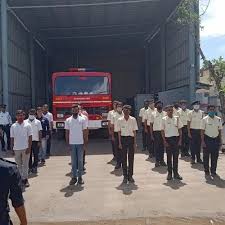
Introduction about Diploma in Fire Fighting
Fire safety is a paramount concern in today's world, and the demand for well-trained professionals in this field has never been higher. A Diploma in Fire Fighting is a specialized program designed to equip individuals with the knowledge and skills necessary to combat and prevent fires effectively. This article explores the various aspects of pursuing a Diploma in Fire Fighting, from the curriculum to career paths and everything in between.
In a world where fire incidents pose a constant threat, the need for individuals trained in fire safety becomes crucial. Firefighters play a vital role in ensuring the safety of lives and property, making the pursuit of a Diploma in Fire Fighting an attractive option for those passionate about public safety.
What is a Diploma in Fire Fighting?
A Diploma in Fire Fighting is a comprehensive program that goes beyond the basics of fire safety. It delves into the intricacies of firefighting techniques, hazard management, and emergency response strategies. This diploma is not only for aspiring firefighters but also for professionals in related fields seeking to enhance their skills in fire safety.
Curriculum Overview
The curriculum of a Diploma in Fire Fighting covers a range of subjects, from fire dynamics to rescue operations. Practical training is a significant component, allowing students to apply theoretical knowledge in real-life scenarios. This hands-on approach ensures that graduates are well-prepared for the challenges they may face in the field.
Benefits of Pursuing a Diploma in Fire Fighting
The benefits of obtaining a Diploma in Fire Fighting extend beyond the satisfaction of serving the community. Graduates enjoy diverse career opportunities, ranging from traditional firefighting roles to leadership positions in emergency management. The program also focuses on skill development, honing qualities like teamwork, problem-solving, and decision-making.
Accreditation and Recognition
When considering a Diploma in Fire Fighting, it's crucial to choose an accredited program. Accreditation ensures that the curriculum meets industry standards, and the certification is recognized by relevant authorities. Graduating from an accredited program enhances the credibility and employability of individuals in the field.
Admission Requirements
While the admission requirements may vary, most programs have educational prerequisites, ensuring that students have a basic understanding of relevant subjects. Physical fitness is often a crucial criterion, given the demanding nature of firefighting.
Training Facilities and Resources
Hands-on training is a cornerstone of a good fire fighting program. State-of-the-art training facilities equipped with the latest tools and equipment ensure that students are well-prepared for the challenges they may face in their careers. Practical experience in controlled environments is invaluable for building confidence and competence.
Industry Demand for Firefighters
The demand for trained firefighters is on the rise, driven by an increasing awareness of fire safety and the growing complexity of modern structures. As technology evolves, so do the challenges in managing and preventing fires, creating a constant need for skilled professionals in the field.
Real-Life Success Stories
Profiles of individuals who have successfully completed a Diploma in Fire Fighting serve as inspiring examples. These success stories showcase the diverse career paths available, from municipal firefighting to roles in industries that prioritize safety.
Challenges and Rigors of the Program
It's essential for prospective students to understand the physical and mental demands of the program. Firefighting is a physically demanding profession, requiring strength and endurance. Mental preparedness for high-stress situations is equally crucial.
Alumni Network and Community
The connections made during the program and the support systems provided by an active alumni network are invaluable resources for graduates. Networking with experienced professionals can open doors to mentorship opportunities and career advancements.
Career Paths After Completing the Diploma
Upon completing the diploma, graduates can choose from various career paths within firefighting, such as becoming a municipal firefighter, an industrial safety officer, or a fire investigator. The diploma also opens doors to related fields like emergency management and disaster response.
Continuous Learning and Development
Staying updated with the latest advancements in firefighting techniques and technologies is essential for professionals in the field. Continuous learning opportunities, workshops, and certifications ensure that graduates remain at the forefront of fire safety practices.
Choosing the Right Institution
Selecting the right institution is a crucial step in the journey toward a Diploma in Fire Fighting. Factors such as accreditation, faculty expertise, and available resources should be carefully considered. Prospective students should conduct thorough research and seek advice from professionals in the field.
How can I apply for admission to Diploma in Fire Fighting Program
Research and Choose a Program
Start by researching different institutions that offer a Diploma in Fire Fighting. Look for accredited programs with a comprehensive curriculum, experienced faculty, and state-of-the-art training facilities. Consider factors such as location, program duration, and alumni success stories.
Check Admission Requirements
Each program may have specific admission requirements, so carefully review them before applying. Common prerequisites include a high school diploma or equivalent, basic proficiency in relevant subjects, and physical fitness standards. Ensure you meet these requirements before proceeding.
Prepare Required Documents
Gather all necessary documents for the application process. Typically, this includes academic transcripts, proof of identity, letters of recommendation, and a personal statement expressing your interest in the program and the firefighting profession.
Submit Online Application
Most institutions have an online application system. Create an account on the institution's website, fill out the application form accurately, and upload the required documents. Pay attention to deadlines and submit your application well in advance to avoid any last-minute issues.
Pay Application Fee
Be prepared to pay an application fee, which helps cover administrative costs. The fee amount varies by institution, so check the program's website for specific details. Some institutions may offer fee waivers or discounts, so explore those options if applicable.
Attend an Entrance Exam or Interview
Some programs may require applicants to take an entrance exam or participate in an interview as part of the selection process. Prepare for these assessments by reviewing basic firefighting concepts and showcasing your genuine passion for the profession.
Physical Fitness Assessment
Given the physical demands of firefighting, many programs include a physical fitness assessment as part of the admission process. Ensure you are physically prepared by maintaining a good level of fitness and addressing any specific requirements outlined by the program.
Await Admission Decision
After completing the application process, patiently await the admission decision. This period may vary depending on the institution, so use this time to stay informed about any additional requirements or steps you may need to take.
Acceptance and Enrollment
If you receive an acceptance letter, congratulations! Follow the instructions provided to officially accept the offer. Pay attention to enrollment deadlines, tuition payment details, and any orientation sessions offered by the institution.
Apply for Financial Aid (if needed)
If financial assistance is required, explore available options for scholarships, grants, or loans. Many institutions have financial aid offices that can provide guidance on securing funding for your education.
What is the eligibility for Diploma in Fire Fighting
Educational Qualifications:
A high school diploma or its equivalent is often a fundamental requirement. Some programs may consider candidates with a GED (General Educational Development) certificate.
Basic proficiency in subjects such as mathematics and science may be preferred, as they form the foundation for understanding firefighting principles.
Age Criteria:
Many institutions set a minimum age requirement for applicants, typically ranging from 18 to 21 years. This ensures that candidates have a certain level of maturity and readiness for the physical and mental demands of firefighting.
Physical Fitness Standards:
Firefighting is a physically demanding profession, and as such, programs often have specific physical fitness standards that applicants must meet. This may include endurance, strength, and agility assessments.
Medical Fitness:
Due to the strenuous nature of firefighting, candidates are usually required to undergo a medical examination to ensure they are in good health. This examination may include assessments of vision, hearing, cardiovascular health, and overall physical well-being.
Background Checks:
Given the public trust placed in firefighters, institutions may conduct background checks as part of the admission process. This is to ensure that candidates have a clean record and can be entrusted with the responsibilities of the profession.
Demonstrated Interest and Commitment:
Some programs may seek evidence of a candidate's genuine interest in firefighting and a commitment to community safety. This could be demonstrated through volunteer work, relevant extracurricular activities, or a well-articulated personal statement.
Communication Skills:
Effective communication is crucial in firefighting, and programs may assess applicants' verbal and written communication skills. Clear communication is essential during emergencies and when working in a team.
Interview or Entrance Exam:
Certain institutions may require applicants to undergo an interview or take an entrance exam. These assessments help evaluate a candidate's knowledge of basic firefighting concepts and their suitability for the program.
Prerequisites for Advanced Programs:
Some advanced Diploma in Fire Fighting programs may have additional prerequisites, such as prior experience in emergency services or completion of basic firefighting courses. Prospective students should carefully review program-specific requirements.
International Students:
For international students, proficiency in the English language is typically required. This may be demonstrated through standardized tests like the TOEFL (Test of English as a Foreign Language) or IELTS (International English Language Testing System).
How long does it takes to complete a Diploma in Fire Fighting program
The duration of a Diploma in Fire Fighting program can vary based on the institution, the specific program structure, and regional regulations. However, on average, these programs typically range from 6 months to 2 years. Let's explore the factors that influence the duration and what prospective students can expect:
Program Structure:
The program's structure significantly impacts its duration. Some institutions offer intensive, full-time programs that can be completed in a shorter period, such as 6 to 12 months. Others may provide part-time options, allowing students to balance their studies with other commitments, extending the duration to 18 months or more.
Credit Hours and Curriculum Complexity:
The number of credit hours required for completion and the complexity of the curriculum play a crucial role. Programs with a more extensive curriculum, covering advanced firefighting techniques, emergency management, and leadership skills, may have a longer duration.
Practical Training Requirements:
Since hands-on experience is a vital component of firefighting education, the duration of practical training can impact the overall program length. Programs with more extensive practical training components may have a slightly longer duration.
Internship or Co-op Opportunities:
Some Diploma in Fire Fighting programs include internship or co-op components, allowing students to gain real-world experience. While this enhances the learning experience, it can extend the overall duration of the program.
Industry Standards and Certification Requirements:
Programs often align with industry standards and certification requirements. Meeting these standards ensures that graduates are well-prepared for professional roles. However, adhering to these standards may influence the length of the program.
Region-Specific Regulations:
Regional regulations and accreditation standards can impact the duration of firefighting programs. Institutions may need to meet specific criteria set by local firefighting authorities, affecting the program's length.
Mode of Delivery:
The mode of program delivery also matters. Traditional in-person programs, online courses, or blended learning options can have different durations. Online programs, for instance, may offer more flexibility but still adhere to a set timeline.
Student Progress and Readiness:
Some programs may allow students to progress at their own pace, especially in online or self-paced courses. However, this flexibility is often balanced with the need to ensure students are adequately prepared for the challenges of firefighting.
Prospective students should carefully review the program details provided by the institution, including the curriculum, credit requirements, and any practical components. Additionally, consulting with academic advisors or program coordinators can provide clarity on the expected duration and help students plan their educational journey effectively.
What are potential career opportunities after Diploma in Fire Fighting
Municipal Firefighter:
Municipal firefighting is one of the most common career paths. Firefighters in this role respond to various emergencies, including fires, accidents, and hazardous material incidents. They also conduct public education programs to raise awareness about fire safety.
Industrial Safety Officer:
Many industries prioritize safety, and industrial safety officers play a crucial role in ensuring the well-being of workers and the protection of property. Graduates with a Diploma in Fire Fighting are well-suited for roles in industrial settings, overseeing safety protocols and emergency response.
Fire Inspector:
Fire inspectors are responsible for ensuring that buildings and facilities comply with fire codes and regulations. They conduct inspections, identify potential hazards, and recommend corrective actions. This role is essential in preventing fires and ensuring the safety of occupants.
Emergency Management Specialist:
Emergency management specialists coordinate and plan responses to various emergencies, including natural disasters and large-scale incidents. Their role involves developing emergency preparedness plans, organizing drills, and collaborating with other agencies to ensure effective responses.
Fire Investigator:
Fire investigators are tasked with determining the cause and origin of fires. They work closely with law enforcement agencies, insurance companies, and other stakeholders to gather evidence and analyze fire scenes. This role is crucial for preventing arson and improving fire safety.
Airport Firefighter:
Airports have specific firefighting needs, and airport firefighters are trained to respond to aircraft emergencies. This may include responding to plane crashes, handling fuel-related incidents, and conducting rescue operations in aviation settings.
Wildland Firefighter:
Wildland firefighters specialize in combating wildfires in natural settings. They work in forests, grasslands, and other wilderness areas, using specialized techniques and equipment to contain and extinguish fires. This role is physically demanding and requires outdoor expertise.
Fire and Safety Instructor:
Graduates can transition into education roles, becoming fire and safety instructors. They train new generations of firefighters, emergency responders, and safety personnel. This career path allows individuals to share their expertise and contribute to the development of future professionals.
Community Outreach Coordinator:
Community outreach coordinators focus on educating the public about fire safety. They develop and implement programs, conduct workshops, and engage with communities to raise awareness about preventive measures and emergency preparedness.
Health and Safety Officer:
Health and safety officers work in various industries to ensure compliance with safety regulations. They conduct risk assessments, implement safety policies, and train employees on best practices. A background in fire safety adds valuable expertise to this role.
Fire Equipment Sales Representative:
Graduates with a Diploma in Fire Fighting may choose to work in sales, specifically in the field of fire equipment. They can represent companies selling firefighting gear, safety equipment, and related products to fire departments and industrial clients.
Syllabus of Diploma in Fire Fighting
Semester 1: Introduction to Fire Safety and Basic Concepts
Fire Science Fundamentals:
Introduction to the principles of combustion, fire behavior, and fire dynamics.
Fire Prevention and Safety:
Overview of fire prevention strategies, building codes, and safety regulations.
Emergency Medical Response:
Basic first aid and emergency medical response training for firefighters.
Introduction to Firefighting Equipment:
Familiarization with various firefighting tools, apparatus, and personal protective equipment.
Semester 2: Firefighting Techniques and Equipment Operation
Fire Suppression Techniques:
In-depth study of firefighting techniques, including hose handling, nozzle operations, and water supply systems.
Rescue Operations:
Training in search and rescue techniques, extrication, and victim removal.
Use of Breathing Apparatus:
Hands-on experience with self-contained breathing apparatus (SCBA) and respiratory protection.
Introduction to Hazardous Materials:
Understanding the identification and management of hazardous materials in firefighting scenarios.
Semester 3: Advanced Firefighting Skills and Techniques
Advanced Fire Dynamics:
In-depth exploration of fire behavior under different conditions and advanced firefighting strategies.
Wildland Firefighting:
Techniques and strategies for combating wildfires in natural settings.
High-Rise Firefighting:
Specialized training for responding to fires in high-rise buildings and complex structures.
Industrial Fire Safety:
Understanding the unique challenges and safety measures in industrial settings.
Semester 4: Emergency Management and Leadership
Emergency Management Principles:
Introduction to emergency management, incident command systems, and disaster response.
Leadership in Fire Services:
Developing leadership skills, communication, and decision-making for firefighting professionals.
Fire Investigation Techniques:
Training in determining the cause and origin of fires, arson investigation, and evidence collection.
Public Relations and Community Outreach:
Strategies for effective communication with the public, media, and community engagement.
Semester 5: Internship/Practicum and Specialized Electives
Internship/Practicum:
Hands-on experience in a real-world firefighting environment, applying learned skills.
Elective 1: Emergency Medical Technician (EMT) Certification
Optional certification in emergency medical response to enhance overall emergency service capabilities.
Elective 2: Fire Safety Instruction and Education
Training in developing and delivering fire safety education programs for communities.
Semester 6: Capstone Project and Career Development
Capstone Project:
Research or practical project applying accumulated knowledge and skills.
Career Development and Professionalism:
Resume building, interview skills, and professional development for successful entry into the workforce.
Ethics and Legal Aspects in Fire Services:
Understanding the ethical considerations and legal aspects of firefighting and emergency services.
Internship opportunities after completing Diploma in Fire Fighting
Completing a Diploma in Fire Fighting opens the door to a range of exciting internship opportunities that provide hands-on experience and further enhance the skills acquired during the program. Internships are invaluable for aspiring firefighters, offering real-world exposure, networking opportunities, and a chance to apply theoretical knowledge in practical scenarios. Here are some potential internship opportunities for graduates with a Diploma in Fire Fighting:
Municipal Fire Department Internship:
Many municipal fire departments offer internships to recent graduates. Interns work alongside experienced firefighters, participating in daily operations, emergency responses, and routine drills. This experience provides exposure to various firefighting scenarios and enhances practical skills.
Industrial Safety Internship:
Industries with a focus on safety, such as manufacturing plants, chemical facilities, and refineries, often offer internships in industrial safety. Interns collaborate with safety officers, learning about hazard management, emergency response planning, and safety protocols in industrial settings.
Fire Investigation Internship:
Fire investigation internships are ideal for those interested in exploring the cause and origin of fires. Interns work alongside fire investigators, gaining hands-on experience in evidence collection, scene analysis, and understanding the intricacies of arson investigation.
Emergency Management Internship:
Emergency management internships focus on coordinating and planning responses to various emergencies. Interns work with emergency management specialists, participate in drills, and contribute to the development of emergency preparedness plans for communities and organizations.
Wildland Firefighting Internship:
Internships in wildland firefighting provide exposure to combating wildfires in natural settings. Interns may work with forestry departments, national parks, or specialized firefighting agencies, gaining experience in fire suppression, prevention, and control in wilderness areas.
Airport Firefighter Internship:
Airports with dedicated firefighting teams often offer internships for graduates. Interns work alongside airport firefighters, participating in training exercises, aircraft emergency response simulations, and gaining insight into the unique challenges of airport firefighting.
Health and Safety Internship:
Industries across various sectors prioritize health and safety. Health and safety internships involve working with safety officers, conducting risk assessments, implementing safety programs, and ensuring compliance with safety regulations.
Fire Equipment Sales and Training Internship:
Internships with companies specializing in fire equipment sales and training provide a different perspective. Interns may be involved in demonstrating firefighting equipment, conducting training sessions, and assisting with sales and customer education.
Community Outreach and Education Internship:
Internships focused on community outreach and education allow graduates to engage with the public. Interns may work on developing and delivering fire safety education programs, conducting workshops, and participating in community events.
Volunteer Fire Department Internship:
Volunteering with a local fire department is an excellent way to gain experience. Interns may work alongside volunteer firefighters, participating in drills, community events, and emergency responses, contributing to both personal and community safety.
Fire Safety Instructor Internship:
Interning as a fire safety instructor allows graduates to transition into education roles. Interns may assist in developing instructional materials, conducting training sessions, and gaining practical experience in educating others about fire safety.
Scholarship and grants for Diploma in Fire Fighting
Pursuing a Diploma in Fire Fighting can be a rewarding but financially demanding endeavor. Fortunately, various scholarship and grant opportunities exist to support students in their educational journey. These financial aids not only alleviate the financial burden but also recognize and encourage the commitment of aspiring firefighters to public safety. Here are some avenues for scholarships and grants for students pursuing a Diploma in Fire Fighting:
Fire Service-Based Scholarships:
Many fire service organizations and associations offer scholarships specifically for individuals pursuing careers in firefighting. These scholarships often consider factors such as academic achievements, community involvement, and a genuine commitment to fire safety.
Institutional Scholarships:
Individual institutions that offer Diploma in Fire Fighting programs may provide scholarships based on academic merit, leadership qualities, or financial need. Prospective students should inquire with the institution's financial aid office for information on available scholarships.
Government Grants:
Government agencies at local, regional, or national levels may offer grants to support students in fire safety and emergency services programs. These grants can cover tuition, textbooks, and other educational expenses. Explore government websites and local resources for information on available grants.
Community Foundation Scholarships:
Community foundations often administer scholarships for students pursuing various fields, including firefighting. These scholarships may be funded by local businesses, individuals, or organizations with an interest in supporting education and community safety.
Industry-Specific Scholarships:
Companies in the fire safety and emergency services industry may provide scholarships to students pursuing a Diploma in Fire Fighting. These scholarships may come with opportunities for internships or mentorship programs within the sponsoring organization.
Volunteer Fire Department Scholarships:
Volunteer fire departments sometimes offer scholarships to individuals who have volunteered with their organization or who plan to pursue firefighting as a career. These scholarships may be aimed at supporting the local community's growth in firefighting expertise.
Military and Veteran Scholarships:
Military service or veteran status may open doors to specific scholarships for individuals pursuing fire safety and emergency services education. Organizations supporting military personnel often provide financial aid for educational pursuits.
Professional Association Grants:
Professional associations related to firefighting, such as the International Association of Fire Chiefs (IAFC) or the National Fire Protection Association (NFPA), may offer grants or financial assistance to students pursuing education in fire safety.
Corporate Sponsorship Programs:
Some corporations with a focus on safety and emergency services sponsor educational programs by offering scholarships or grants. These opportunities may be part of the company's commitment to promoting excellence in fire safety.
Online Scholarship Databases:
Explore online scholarship databases that aggregate information on available scholarships. Websites like Fastweb, Chegg, and Peterson's Scholarship Search can be valuable resources for finding scholarships relevant to fire safety education.
Conclusion
In conclusion, a Diploma in Fire Fighting is not just a qualification; it's a commitment to ensuring the safety and well-being of communities. The program provides a holistic education, combining theoretical knowledge with practical skills. Aspiring individuals should embrace the challenges, knowing that they are embarking on a fulfilling and impactful career.
FAQs
Q1: What is a Diploma in Fire Fighting, and what does the program entail?
A1: A Diploma in Fire Fighting is an educational program designed to equip individuals with the knowledge and skills necessary for a career in firefighting and emergency services. The program covers a range of topics, including fire science, suppression techniques, rescue operations, and emergency management.
Q2: How long does it take to complete a Diploma in Fire Fighting program?
A2: The duration of a Diploma in Fire Fighting program can vary, but it typically ranges from 6 months to 2 years. Factors influencing the duration include program structure, credit hours, and practical training requirements.
Q3: What are the eligibility criteria for enrolling in a Diploma in Fire Fighting program?
A3: Eligibility criteria often include a high school diploma or equivalent, basic proficiency in relevant subjects, and meeting age and physical fitness requirements. Specific requirements may vary by institution.
Q4: Are there internship opportunities available after completing the Diploma in Fire Fighting?
A4: Yes, many opportunities for internships exist. Graduates can intern with municipal fire departments, industrial safety organizations, fire investigation units, and more. Internships provide hands-on experience and enhance practical skills.
Q5: What career paths are available after completing a Diploma in Fire Fighting?
A5: Graduates can pursue careers as municipal firefighters, industrial safety officers, fire inspectors, emergency management specialists, fire investigators, and more. The diploma opens up diverse opportunities within the field of fire safety and emergency response.
Q6: Are there scholarships or grants available for students pursuing a Diploma in Fire Fighting?
A6: Yes, there are various scholarship and grant opportunities. Students can explore fire service-based scholarships, institutional scholarships, government grants, and industry-specific scholarships to support their education.
Q7: Can international students enroll in Diploma in Fire Fighting programs?
A7: Yes, many institutions welcome international students. Proficiency in the English language is typically required, and international applicants may need to provide proof of language proficiency through tests like TOEFL or IELTS.
Q8: What is the significance of practical training in a Diploma in Fire Fighting program?
A8: Practical training is crucial for applying theoretical knowledge in real-world scenarios. It enhances skills in firefighting techniques, rescue operations, and the use of firefighting equipment, preparing graduates for the challenges of the profession.
Q9: How can I apply for financial aid or find information about scholarships?
A9: Students can inquire with the financial aid office of the institution offering the program. Additionally, exploring online scholarship databases, checking with fire service organizations, and contacting professional associations can provide information on available financial aid.
Q10: Is there ongoing professional development after completing a Diploma in Fire Fighting?
A10: Yes, ongoing professional development is essential. Firefighters often engage in continuous training, workshops, and certifications to stay updated on the latest firefighting techniques, safety protocols, and advancements in the field.
How Shiksha Hub helps you in
-
 Student Counsellors
 -
 Career Counseling
 -
 Research
 -
 24/7 Support
 -
 Scholarships
 -
 Community