Posted by Admin on 26-07-2023 in Shiksha hub
Diploma in Food & Beverage Service Introduction, Admission, Registration, Eligibility, Duration, Fees, Syllabus 2024
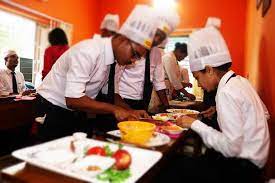
Introduction about Diploma in Food & Beverage Service
The Diploma in Food & Beverage Service is a comprehensive educational program designed to equip individuals with the necessary knowledge and skills for a successful career in the hospitality industry, specifically focusing on food and beverage service. This diploma program provides students with a solid foundation in the principles and practices of serving food and beverages in various hospitality establishments such as restaurants, hotels, cafes, and catering services.
The curriculum typically covers a wide range of topics, including customer service, menu knowledge, food and beverage preparation, service techniques, hygiene and safety standards, communication skills, and the art of table presentation. Students gain practical experience through hands-on training in simulated environments or real-world settings, allowing them to develop the essential competencies needed to excel in the dynamic and fast-paced field of food and beverage service.
The program aims to foster a holistic understanding of the industry, emphasizing the importance of professionalism, attention to detail, and a customer-centric approach. Graduates of the Diploma in Food & Beverage Service are well-prepared to pursue diverse career opportunities within the hospitality sector, ranging from front-of-house positions, such as servers and hosts, to supervisory and management roles in food and beverage establishments. This diploma serves as a valuable qualification for those aspiring to thrive in a dynamic and service-oriented industry that places a premium on delivering exceptional culinary experiences to patrons.
How can I apply for admission to Diploma in Food & Beverage Service
To apply for admission to a Diploma in Food & Beverage Service program, you typically need to follow a set of steps outlined by the educational institution offering the course. Here is a general guide on how you can apply:
Research and Choose a Program: Start by researching different institutions that offer the Diploma in Food & Beverage Service. Consider factors such as program reputation, faculty credentials, facilities, and location. Choose a program that aligns with your career goals and preferences.
Check Admission Requirements: Review the admission requirements for the specific program you are interested in. These requirements may include educational qualifications, language proficiency (if applicable), and any additional criteria set by the institution.
Prepare Required Documents: Gather all the necessary documents for the application. Common documents may include:
High school transcripts or equivalent educational certificates
Letters of recommendation
Resume or curriculum vitae (CV)
Personal statement or letter of intent
Proof of language proficiency (if required)
Complete the Application Form: Fill out the application form provided by the institution. This may be available online or in a physical format, depending on the institution's application process. Ensure that you provide accurate and complete information.
Submit Application Fee: Many institutions require an application fee to process your application. Check the specific payment details and ensure that the fee is submitted along with your application.
Submit Application: Send your completed application form along with all the required documents to the admissions office of the institution. This can often be done online, but make sure to follow the instructions provided by the institution.
Interview or Admission Test (if required): Some institutions may require you to attend an interview or take an admission test as part of the selection process. Prepare for these assessments if they are part of the admission requirements.
Wait for Admission Decision: After submitting your application, wait for the institution to review your materials and make an admission decision. This process may take some time, so be patient.
Acceptance and Enrollment: If you receive an offer of admission, carefully review the terms and conditions. If you decide to accept the offer, follow the instructions provided by the institution to complete the enrollment process.
It's essential to check the specific application procedures and deadlines for the institution you are interested in, as these can vary. Contact the admissions office directly if you have any questions or need clarification on the application process.
What is the eligibility for Diploma in Food & Beverage Service
The eligibility criteria for a Diploma in Food & Beverage Service can vary depending on the educational institution offering the program. However, here are some general eligibility requirements commonly associated with such diploma programs:
Educational Qualifications: Typically, candidates are required to have completed their secondary education or its equivalent. This may include having a high school diploma or passing an equivalent examination.
Age Criteria: There may be specific age requirements for admission. Some institutions may have a minimum and/or maximum age limit for candidates applying to the program.
Language Proficiency: Since communication is crucial in the hospitality industry, some institutions may require candidates to demonstrate proficiency in the language of instruction. This may involve providing scores from standardized language proficiency tests such as the TOEFL or IELTS, especially for non-native English speakers.
Interview or Entrance Exam: Some institutions may conduct interviews or require candidates to take an entrance exam as part of the selection process. This is to assess the candidate's suitability for the program.
Interest and Motivation: Demonstrating a genuine interest in the field of food and beverage service, along with motivation to pursue a career in the hospitality industry, is often considered during the admission process. This can be conveyed through a personal statement or letter of intent.
Relevant Work Experience (if applicable): While not always mandatory, having prior work experience in the hospitality or service industry can be an asset. Some programs may give preference to candidates with relevant experience.
Letters of Recommendation: Providing letters of recommendation from teachers, employers, or other professionals who can vouch for your character and capabilities may be part of the application requirements.
How long does it takes to complete a Diploma in Food & Beverage Service
The duration of a Diploma in Food & Beverage Service can vary depending on the educational institution and the specific program structure. Typically, these diploma programs are designed to be completed within a relatively short time frame compared to degree programs. On average, a Diploma in Food & Beverage Service may take anywhere from 6 months to 2 years to complete.
Here is a general breakdown of the typical duration:
Short-Term Programs: Some institutions offer accelerated or intensive diploma programs that can be completed in as little as 6 months. These programs often focus on providing a quick and practical overview of food and beverage service skills.
Standard Programs: The standard duration for many diploma programs in food and beverage service is around 1 year. These programs aim to provide a more comprehensive and in-depth understanding of the industry, including theoretical knowledge and practical training.
Extended Programs: In some cases, diploma programs may extend to 2 years, especially if they include additional components such as internships, work placements, or more extensive coursework. These longer programs often offer a more thorough and hands-on learning experience.
What are potential career opportunities after Diploma in Food & Beverage Service
A Diploma in Food & Beverage Service opens up various career opportunities in the dynamic hospitality industry. Graduates with this diploma possess the skills and knowledge needed for roles related to food and beverage service in a range of establishments. Here are some potential career opportunities:
Server or Waitstaff: Graduates can start their careers as servers or waitstaff in restaurants, cafes, and other dining establishments. They are responsible for taking orders, serving food and beverages, and ensuring a positive dining experience for customers.
Bartender: Those with a keen interest in mixology may pursue a career as a bartender. Bartenders create and serve drinks, interact with customers, and maintain the bar area. This role is common in bars, pubs, and upscale restaurants.
Barista: Specializing in coffee service, a barista works in coffee shops or cafes, preparing and serving a variety of coffee beverages. This role often involves knowledge of different coffee brewing methods and customer service.
Host or Hostess: Graduates may work as hosts or hostesses, managing reservations, greeting guests, and ensuring a smooth flow of service in restaurants or other dining establishments.
Catering Assistant: In the catering industry, individuals with a diploma in food and beverage service can work as catering assistants, helping with event planning, food preparation, and on-site service for special occasions.
Assistant Restaurant Manager: With experience, individuals can advance to supervisory or management positions. Assistant restaurant managers assist in overseeing daily operations, managing staff, and ensuring customer satisfaction.
Front Office Roles: Some graduates may find opportunities in front-office roles in hotels, such as guest relations or concierge positions, where excellent customer service and communication skills are crucial.
Food and Beverage Supervisor: Graduates may progress to supervisory roles where they oversee the day-to-day operations of the food and beverage department in hotels, restaurants, or other hospitality establishments.
Event Coordinator: Individuals with a strong organizational skill set may pursue roles in event coordination, planning, and management, particularly in the context of food and beverage service at events and functions.
Entrepreneurship: Some graduates may choose to start their own ventures, such as opening a café, restaurant, or catering business, applying the skills gained during the diploma program to manage their own establishments.
These career opportunities highlight the versatility of a Diploma in Food & Beverage Service, providing graduates with a range of options within the hospitality and service sectors. The specific career path may depend on individual interests, specialization, and the evolving preferences of the graduate over time.
Syllabus of Diploma in Food & Beverage Service
The specific syllabus for a Diploma in Food & Beverage Service can vary between educational institutions. However, I can provide a general overview of the potential topics covered in a semester-wise breakdown. Keep in mind that this is a sample syllabus, and the actual content may differ based on the program structure and curriculum of the institution. Additionally, the semester-wise distribution is provided for illustrative purposes:
Semester 1:
Introduction to Hospitality Industry:
Overview of the hospitality sector
Understanding different types of establishments
Communication Skills:
Verbal and written communication
Customer interaction and service etiquette
Basic Food and Beverage Knowledge:
Introduction to various cuisines
Understanding food ingredients
Food Safety and Hygiene:
Principles of food safety
Personal hygiene and sanitation
Introduction to Culinary Arts:
Basics of food preparation
Knife skills and cooking techniques
Semester 2:
Customer Service in Hospitality:
Importance of customer satisfaction
Handling customer complaints
Beverage Service:
Types of beverages
Wine and beverage pairing
Menu Planning and Design:
Menu development and layout
Pricing strategies
Restaurant Operations:
Front-of-house and back-of-house functions
Reservation systems
Practical Training:
Hands-on experience in a simulated or real-world environment
Service techniques and role-playing exercises
Semester 3:
Bar Operations:
Mixology and cocktail preparation
Bar management
Event Management:
Planning and executing events
Catering for special occasions
Supervisory Skills:
Leadership and team management
Conflict resolution
Food and Beverage Cost Control:
Inventory management
Cost analysis and control measures
Internship/Work Placement:
Practical experience in a professional setting
Application of learned skills in a real-world context
Semester 4:
Advanced Culinary Techniques:
Advanced food preparation methods
Specialized cuisines
Entrepreneurship in Hospitality:
Basics of starting and managing a food and beverage business
Business planning and marketing
Advanced Service Skills:
Fine dining service
Customer relationship management
Industry Trends and Innovations:
Staying updated with current trends
Implementing innovations in the food and beverage industry
Final Project and Presentation:
Culmination of learning experiences
Research project or case study presentation
This sample syllabus provides a broad overview of the topics that might be covered in each semester of a Diploma in Food & Beverage Service. The actual syllabus may vary, and students are encouraged to refer to the specific curriculum provided by the institution offering the program.
Internship opportunities after completing Diploma in Food & Beverage Service
Completing a Diploma in Food & Beverage Service often includes an internship or work placement component, providing students with valuable real-world experience in the hospitality industry. Internships are crucial for applying theoretical knowledge, developing practical skills, and establishing connections in the field. Here are some potential internship opportunities for individuals who have completed a Diploma in Food & Beverage Service:
Fine Dining Restaurants: Internships in upscale or fine dining restaurants allow individuals to experience high-end service, learn about gourmet cuisine, and understand the intricacies of providing exceptional dining experiences.
Hotels and Resorts: Many hotels and resorts offer internships in their food and beverage departments. This can involve working in hotel restaurants, bars, banquets, or room service, providing exposure to various aspects of hospitality.
Catering Companies: Interning with catering companies provides hands-on experience in planning and executing events, managing large-scale food service, and adapting to diverse client needs.
Cafes and Coffee Shops: Interning in cafes or coffee shops allows individuals to specialize in beverage service, including coffee preparation, customer interaction, and the operation of a casual dining establishment.
Pubs and Bars: Internships in pubs and bars offer experience in bartending, beverage service, and managing a more casual and social dining atmosphere.
Event Management Companies: Interning with event management companies provides exposure to organizing and catering for various events, from weddings and conferences to corporate functions.
Casinos and Cruise Lines: Some individuals may find opportunities in the food and beverage departments of casinos or cruise lines, gaining experience in unique and dynamic settings.
Specialized Cuisine Establishments: Interning in establishments specializing in specific cuisines (e.g., Italian, Asian, or Mediterranean restaurants) allows individuals to deepen their knowledge of particular culinary styles.
Fast Food Chains: Interning in fast-food chains provides insights into high-volume, fast-paced food service, with a focus on efficiency and customer satisfaction.
Wine Bars or Wineries: For those interested in beverage service and wine knowledge, internships in wine bars or at wineries can offer exposure to the world of wines and wine pairing.
Healthcare Facilities: Some hospitals and healthcare facilities have in-house catering or food service departments, providing internships in a different context with a focus on dietary requirements and nutrition.
Entrepreneurial Ventures: Individuals with an entrepreneurial spirit may choose to intern with or shadow entrepreneurs in the food and beverage industry to gain insights into starting and managing their own businesses.
Internships serve as a bridge between academic learning and professional practice, allowing individuals to apply their skills, adapt to real-world challenges, and make informed decisions about their future careers in the food and beverage service industry. Students are encouraged to actively seek internships and explore opportunities that align with their career goals and interests.
Scholarships and grants for Diploma in Food & Beverage Service
Scholarships and grants for a Diploma in Food & Beverage Service can provide financial assistance to students pursuing education in the hospitality industry. While specific scholarships may vary by region and institution, here are some general types of financial aid options that students can explore:
Institutional Scholarships:
Many educational institutions offer their own scholarships based on academic merit, leadership qualities, or specific achievements. Check with the admissions or financial aid office of the institution offering the diploma program for information on available scholarships.
Industry Associations and Foundations:
Hospitality industry associations and foundations may provide scholarships to support students pursuing education in food and beverage service. Examples include the National Restaurant Association Educational Foundation (NRAEF) in the United States.
Corporate Sponsorships:
Some companies in the food and beverage industry may offer scholarships or sponsorships to students pursuing relevant educational programs. This could include restaurants, hotel chains, or foodservice companies.
Government Scholarships and Grants:
Government agencies at the national or regional level may offer scholarships or grants to support students in specific fields, including hospitality. Check with relevant government education departments for information on available programs.
Nonprofit Organizations:
Nonprofit organizations focused on education or the hospitality industry may provide scholarships to support students pursuing diplomas in food and beverage service. Research organizations that align with your career goals.
Culinary and Hospitality Schools:
Some culinary and hospitality schools have their own scholarship programs to assist students pursuing diplomas in food and beverage service. These scholarships may be based on academic achievement, financial need, or other criteria.
Merit-Based Scholarships:
Scholarships based on academic achievement, leadership, or other merit-based criteria are common. Students with strong academic records and extracurricular involvement may be eligible for such scholarships.
Need-Based Financial Aid:
Institutions often provide need-based financial aid, which may include grants, loans, or work-study opportunities. Students can inquire about financial aid options during the application process.
Community and Local Scholarships:
Some community organizations, businesses, or local foundations may offer scholarships to support students from specific regions or communities.
Online Scholarship Databases:
Explore online scholarship databases and platforms that aggregate scholarship opportunities. Websites like Fastweb, Scholarship.com, or Chegg Scholarships can help you find relevant opportunities.
When searching for scholarships and grants, it's essential to carefully review eligibility criteria, application deadlines, and required documentation. Additionally, reach out to the financial aid office of the institution where you plan to pursue your Diploma in Food & Beverage Service for personalized guidance and information on available funding options.
Conclusion
In conclusion, a Diploma in Food & Beverage Service is a gateway to a rewarding career in the dynamic hospitality industry. This comprehensive program equips students with the essential knowledge and practical skills needed for success in various roles within food and beverage establishments. From customer service and menu planning to hands-on training in simulated or real-world environments, this diploma provides a solid foundation for individuals aspiring to excel in the culinary and hospitality sectors.
FAQ,s
Q: What are the career prospects after completing a Diploma in Food & Beverage Service?
A: Graduates can pursue diverse career opportunities, including roles as servers, bartenders, catering assistants, restaurant managers, and even entrepreneurship in the food and beverage industry.
Q: How long does it take to complete a Diploma in Food & Beverage Service?
A: The duration varies, but on average, it can take anywhere from 6 months to 2 years, depending on the program and institution.
Q: Are there internship opportunities after completing the diploma?
A: Yes, internships are often an integral part of the program, offering students valuable hands-on experience in various hospitality settings.
Q: Are there scholarships available for the Diploma in Food & Beverage Service?
A: Yes, students can explore scholarships offered by educational institutions, industry associations, corporate sponsors, and government agencies.
How Shiksha Hub helps you in
-
 Student Counsellors
 -
 Career Counseling
 -
 Research
 -
 24/7 Support
 -
 Scholarships
 -
 Community