Posted by Admin on 12-07-2023 in Shiksha hub
Diploma In Food Technology Introduction, Admission, Registration, Eligibility, Duration, Fees, Syllabus 2024
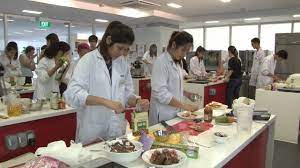
Introduction About Diploma In Food Technology
A Diploma In Food Technology Is A Specialized Academic Program Designed To Provide Students With Comprehensive Knowledge And Practical Skills In The Field Of Food Science And Technology. This Diploma Course Is Aimed At Individuals Who Aspire To Work In The Food Industry And Contribute To The Development, Production, And Quality Assurance Of Food Products.
The Curriculum Of A Diploma In Food Technology Typically Covers A Wide Range Of Subjects Related To Food Science, Including Food Chemistry, Microbiology, Food Processing, Food Engineering, Quality Control, And Food Safety. Students Learn About The Various Stages Of Food Production, From Raw Material Selection And Processing To Packaging And Distribution.
The Program Often Includes Hands-On Laboratory Work, Allowing Students To Gain Practical Experience In Food Analysis, Quality Testing, And The Use Of Modern Food Processing Equipment. Additionally, Students May Be Exposed To Industry-Relevant Technologies And Trends, Preparing Them For The Dynamic And Evolving Nature Of The Food Sector.
Upon Successful Completion Of The Diploma In Food Technology, Graduates Are Equipped With The Skills Necessary To Pursue Careers In Food Manufacturing, Quality Assurance, Research And Development, And Regulatory Compliance. They May Find Employment In Various Sectors Of The Food Industry, Such As Processing Companies, Research Institutions, Government Agencies, And Quality Control Laboratories.
Overall, A Diploma In Food Technology Serves As A Valuable Gateway For Individuals Seeking To Enter The Food Industry, Providing Them With A Strong Foundation In Both Theoretical Knowledge And Practical Skills Essential For A Successful Career In This Field.
How Can I Apply For Admission To Diploma In Food Technology Program
To Apply For Admission To A Diploma In Food Technology Program, Follow These General Steps:
Research Programs: Start By Researching Institutions That Offer A Diploma In Food Technology. Look For Reputable Colleges, Universities, Or Technical Institutes That Provide The Specific Program You Are Interested In.
Review Admission Requirements: Check The Admission Requirements For The Chosen Program And Institution. Requirements May Include Educational Qualifications, Such As A High School Diploma Or Its Equivalent. Some Programs May Also Have Additional Prerequisites, So Make Sure You Meet All Criteria.
Prepare Necessary Documents: Gather All Required Documents, Which May Include:
Completed Application Form
High School Transcripts Or Equivalent
Letters Of Recommendation (If Required)
Personal Statement Or Essay
Resume (If Applicable)
Proof Of Language Proficiency (If The Program Is Taught In A Language Other Than Your Native Language)
Entrance Exams: Some Institutions May Require You To Take Entrance Exams Or Provide Scores From Standardized Tests. Check The Specific Requirements Of The Program You Are Applying To And Schedule Any Necessary Exams.
Application Submission: Complete And Submit The Application Form Along With All Required Documents To The Admission Office Of The Chosen Institution. This Can Often Be Done Online Through The Institution's Official Website.
Pay Application Fees: Pay Any Application Fees That May Be Required. Ensure That You Follow The Specified Payment Procedures Outlined By The Institution.
Follow Up: After Submitting Your Application, Follow Up With The Admission Office To Confirm That They Have Received All Your Documents. Inquire About The Timeline For Admission Decisions.
Financial Aid And Scholarships: If You Require Financial Aid Or Scholarships, Research And Apply For These Opportunities Separately. Check With The Institution's Financial Aid Office For Information On Available Options.
Attend Interviews Or Assessments (If Required): Some Programs May Require Interviews Or Additional Assessments As Part Of The Admission Process. Be Prepared For These If They Are Part Of The Requirements.
Acceptance And Enrollment: If You Receive An Acceptance Letter, Carefully Review The Terms And Conditions. Follow The Instructions For Enrollment, Which May Include Submitting A Confirmation Of Acceptance And Paying Any Required Deposits.
What Is The Eligibility For Diploma In Food Technology
Eligibility Criteria For A Diploma In Food Technology Can Vary Among Institutions, But Here Are Some Common Requirements:
Educational Qualifications: Typically, Candidates Should Have Completed Their Secondary Education Or Its Equivalent. A High School Diploma Or An Equivalent Qualification Is Often A Basic Requirement. Some Institutions May Have Specific Subject Requirements, Such As Proficiency In Science Subjects Like Chemistry Or Biology.
Minimum Grade Or Percentage: Institutions May Set Minimum Grade Or Percentage Criteria For Admission. This Can Vary, So It's Essential To Check The Specific Requirements Of The Institution You Are Interested In.
Age Limit: Some Institutions May Have An Age Limit For Diploma Programs. Ensure That You Meet Any Age Requirements Specified By The Institution.
Entrance Exams: Certain Programs May Require Candidates To Take Entrance Exams. These Exams Assess Your Knowledge In Relevant Subjects And May Contribute To The Admission Decision.
Language Proficiency: If The Program Is Taught In A Language Other Than Your Native Language, You May Need To Demonstrate Proficiency In That Language. This Is Often Done Through Standardized Language Proficiency Tests.
Work Experience (If Applicable): In Some Cases, Particularly For Specialized Or Advanced Diploma Programs, Relevant Work Experience In The Field May Be Preferred Or Required.
Interviews Or Personal Statements: Some Institutions May Conduct Interviews Or Request Personal Statements To Assess Your Interest In The Field And Your Suitability For The Program.
It's Crucial To Note That These Are General Guidelines, And The Specific Eligibility Criteria Can Vary By Institution And Country. Therefore, It Is Recommended To Check The Official Admission Guidelines Provided By The Institution Offering The Diploma In Food Technology Program. You Can Find This Information On The Institution's Official Website Or By Contacting The Admission Office Directly.
How Long Does It Takes To Complete A Diploma In Food Technology Program
The Duration Of A Diploma In Food Technology Program Can Vary Depending On The Institution And The Specific Curriculum They Offer. However, On Average, These Diploma Programs Typically Take About 1 To 2 Years To Complete.
1-Year Programs: Some Institutions May Offer Accelerated Or Intensive Diploma Programs That Can Be Completed In One Year. These Programs Often Have A More Focused Curriculum And May Be Suitable For Individuals Who Wish To Quickly Gain Specialized Knowledge And Skills In Food Technology.
2-Year Programs: The Majority Of Diploma In Food Technology Programs Are Designed To Be Completed In Two Years. This Timeframe Allows For A More Comprehensive Exploration Of The Various Aspects Of Food Science And Technology, Including Theoretical Knowledge And Practical Skills.
The Program Duration May Also Be Influenced By Factors Such As The Number Of Credit Hours Required, Any Internship Or Practical Training Components, And The Specific Academic Structure Of The Institution.
It's Essential To Check The Program Details And Duration Provided By The Specific Institution Offering The Diploma In Food Technology That You Are Interested In. Institutions Often Outline The Program Duration, Curriculum, And Any Additional Requirements On Their Official Websites Or In Their Program Brochures.
What Are Potential Career Opportunities After Diploma In Food Technology
A Diploma In Food Technology Opens Up Various Career Opportunities In The Food Industry. Graduates With This Qualification Possess The Knowledge And Skills Needed To Work In Different Aspects Of Food Production, Quality Control, And Research. Here Are Some Potential Career Opportunities:
Food Technologist/Technician: Work In Food Manufacturing Companies To Develop, Improve, And Test Food Products. This Role Involves Ensuring That Products Meet Quality Standards, Conducting Experiments, And Implementing New Technologies In Food Processing.
Quality Control Inspector: Monitor And Inspect Food Products To Ensure They Meet Safety And Quality Standards. This Role Involves Conducting Tests, Analyzing Samples, And Implementing Quality Control Procedures.
Food Safety Officer: Focus On Ensuring Compliance With Food Safety Regulations. Responsibilities May Include Inspecting Food Processing Facilities, Conducting Audits, And Implementing Safety Protocols To Prevent Contamination And Ensure Consumer Safety.
Research And Development (R&D) Technician: Contribute To The Development Of New Food Products Or Improvement Of Existing Ones. R&D Technicians Work On Innovation, Recipe Formulation, And Testing To Meet Market Demands And Improve Product Quality.
Production Supervisor: Oversee The Production Process In Food Manufacturing Plants. This Role Involves Coordinating Production Schedules, Managing Resources, And Ensuring That Products Meet Quality And Safety Standards.
Lab Technician/Analyst: Work In Laboratories Conducting Tests On Raw Materials And Finished Products. Lab Technicians Analyze Samples For Nutritional Content, Microbiological Safety, And Other Factors To Ensure Compliance With Industry Standards.
Food Inspector: Work For Government Agencies Or Regulatory Bodies To Inspect Food Processing Facilities, Enforce Food Safety Regulations, And Ensure Compliance With Industry Standards.
Sales And Marketing Representative: Use Technical Knowledge To Promote And Sell Food Products. This Role Involves Understanding The Features And Benefits Of Products And Communicating Them To Potential Clients And Customers.
Entrepreneur In Food Business: Start Your Own Food-Related Business, Such As A Small-Scale Food Processing Unit, Catering Service, Or Consultancy Firm, Leveraging The Skills And Knowledge Gained During The Diploma Program.
Supply Chain And Logistics Coordinator: Manage The Movement Of Food Products From Production To Distribution. Responsibilities May Include Inventory Management, Transportation Coordination, And Ensuring Timely Delivery Of Products.
Syllabus Table Of Diploma In Food Technology Semester Wise
Semester 1:
Introduction To Food Science And Technology:
Overview Of The Food Industry
Basic Principles Of Food Science
Food Chemistry:
Chemical Composition Of Food
Reactions During Food Processing
Basic Microbiology:
Microorganisms In Food
Foodborne Pathogens
Principles Of Food Processing:
Basics Of Food Preservation
Techniques In Food Processing
Communication Skills:
Written And Oral Communication Skills
Technical Writing
Semester 2:
Food Engineering:
Basics Of Food Engineering
Heat Transfer And Mass Transfer In Food Processing
Food Analysis And Testing:
Techniques For Food Analysis
Laboratory Practices
Food Microbiology:
Microbial Spoilage
Fermentation Processes
Food Quality Assurance:
Quality Control Measures
Quality Management Systems
Nutrition And Dietetics:
Basics Of Nutrition
Diet Planning And Its Importance
Semester 3:
Food Biotechnology:
Applications Of Biotechnology In Food Production
Genetic Engineering In Food Technology
Food Safety And Regulations:
Food Safety Standards And Regulations
Regulatory Compliance In The Food Industry
Food Packaging Technology:
Packaging Materials
Packaging Techniques For Different Food Products
Industrial Training/Internship:
Practical Experience In A Food Processing Or Manufacturing Setting
Semester 4:
Food Product Development:
New Product Formulation
Market Research And Consumer Trends
Food Marketing And Management:
Marketing Strategies For Food Products
Supply Chain Management In The Food Industry
Project Work:
Independent Research Or Project Work Related To Food Technology
Professional Ethics And Environmental Studies:
Ethical Considerations In The Food Industry
Environmental Impact Of Food Processing
Internship Opportunities After Completing Diploma In Food Technology
After Completing A Diploma In Food Technology, There Are Various Internship Opportunities Available In The Food Industry. Internships Provide Hands-On Experience And The Chance To Apply Theoretical Knowledge In A Real-World Setting. Here Are Some Potential Internship Opportunities For Graduates With A Diploma In Food Technology:
Food Processing Companies: Internships With Food Processing Companies Allow Students To Gain Practical Experience In The Various Stages Of Food Production, From Raw Material Processing To Packaging. This May Include Working In Areas Such As Quality Control, Production, And Research And Development.
Quality Assurance And Control: Internships In Quality Assurance And Control Departments Involve Monitoring And Ensuring That Food Products Meet Specified Quality And Safety Standards. This Includes Conducting Tests, Inspections, And Implementing Quality Control Protocols.
Research And Development (R&D) Labs: Interning In R&D Labs Provides The Opportunity To Contribute To The Development Or Improvement Of Food Products. Interns May Be Involved In Experiments, Data Analysis, And The Formulation Of New Recipes.
Food Safety And Regulatory Agencies: Interning With Food Safety And Regulatory Agencies Allows Individuals To Gain Insight Into Compliance With Food Safety Standards And Regulations. Interns May Be Involved In Inspections, Audits, And Regulatory Compliance Activities.
Nutrition And Dietetics Clinics: Internships In Nutrition And Dietetics Settings Provide Exposure To The Practical Aspects Of Nutrition Planning And Counseling. This Experience Can Be Valuable For Those Interested In The Nutritional Aspects Of Food Technology.
Food Packaging Companies: Internships In Food Packaging Companies Involve Working With Packaging Materials, Technologies, And Techniques. This Experience Is Valuable For Those Interested In The Packaging Aspects Of The Food Industry.
Quality Testing Laboratories: Interning In Independent Quality Testing Laboratories Allows Individuals To Gain Experience In Conducting Various Tests On Food Products. This Includes Testing For Nutritional Content, Microbiological Safety, And Sensory Evaluation.
Culinary Internships: For Those Interested In The Culinary Aspects Of Food, Internships In Restaurants, Catering Companies, Or Foodservice Establishments Can Provide Hands-On Experience In Food Preparation And Presentation.
Environmental And Sustainability Organizations: Internships With Organizations Focusing On Environmental Sustainability In The Food Industry Provide Insight Into Sustainable Practices And Ethical Considerations Related To Food Production.
Food Marketing And Sales: Internships In The Marketing And Sales Departments Of Food Companies Offer Experience In Promoting And Selling Food Products. This Includes Market Research, Advertising, And Customer Relations.
Scholarships And Grants For Diploma In Food Technology
Scholarships And Grants For A Diploma In Food Technology Can Be Available From Various Sources, Including Educational Institutions, Government Programs, Private Organizations, And Industry Associations. While The Availability Of Specific Scholarships May Vary Depending On The Country, Institution, And Program, Here Are Some General Avenues To Explore:
Institutional Scholarships: Many Educational Institutions Offer Scholarships To Students Based On Academic Merit, Financial Need, Or A Combination Of Both. Check With The Admissions Or Financial Aid Office Of The Institution Offering The Diploma In Food Technology For Information On Available Scholarships.
Government Scholarships And Grants: Government Agencies May Provide Financial Assistance To Students Pursuing Technical And Vocational Education, Including Diplomas In Food Technology. Explore Scholarship Programs Offered By Government Departments Or Educational Ministries.
Industry-Specific Scholarships: Some Companies And Industry Associations In The Food Sector May Offer Scholarships To Students Pursuing Education In Food Technology. These Scholarships Often Aim To Support The Development Of Skilled Professionals In The Field.
Nonprofit Organizations And Foundations: Nonprofit Organizations And Foundations May Have Scholarship Programs For Students In Specific Fields, Including Food Technology. Research Organizations That Support Education And Inquire About Scholarship Opportunities.
Professional Associations: Professional Associations Related To Food Science And Technology May Offer Scholarships Or Grants To Students Pursuing Relevant Education. These Associations Often Aim To Promote Excellence In The Field And Support The Education Of Future Professionals.
Research Grants And Fellowships: If The Diploma Program Includes A Research Component, Students May Explore Opportunities For Research Grants And Fellowships. These Can Be Offered By Academic Institutions, Research Organizations, Or Government Agencies.
Merit-Based Scholarships: Some Scholarships Are Awarded Based On Academic Achievement, Leadership, Extracurricular Activities, Or Other Merits. Check With The Institution's Scholarship Office Or Explore External Scholarship Databases For Such Opportunities.
Corporate Sponsorships: Some Companies In The Food Industry May Offer Sponsorships Or Scholarships To Students Pursuing Education In Food Technology. Explore Partnerships Between Educational Institutions And Industry Players For Potential Sponsorship Opportunities.
Online Scholarship Databases: Utilize Online Scholarship Databases And Platforms That Aggregate Scholarship Opportunities. Websites Like Scholarship.Com, Fastweb, And Chegg Are Examples Of Platforms Where You Can Search For Scholarships Based On Your Educational Goals And Background.
Community And Service Organizations: Local Community Organizations And Service Clubs May Have Scholarship Programs For Students Pursuing Vocational And Technical Education. Inquire With Local Organizations About Available Opportunities.
Conclusion:
In Conclusion, Pursuing A Diploma In Food Technology Offers Individuals A Pathway To Enter The Dynamic And Crucial Field Of Food Science And Technology. This Program Equips Students With A Solid Foundation In Various Aspects Of Food Production, Quality Control, And Safety. Graduates Emerge With Practical Skills, Allowing Them To Contribute To The Development, Processing, And Enhancement Of Food Products. The Diverse Range Of Career Opportunities In Areas Such As Food Manufacturing, Quality Assurance, And Research Positions Graduates To Make Valuable Contributions To The Ever-Evolving Food Industry.
Faqs (Frequently Asked Questions)
Is A Diploma In Food Technology A Good Career Choice?
Yes, A Diploma In Food Technology Is A Valuable Career Choice For Individuals Interested In The Food Industry. It Provides Specialized Knowledge And Practical Skills That Are In Demand In Various Sectors Of Food Production, Quality Assurance, And Research.
What Are The Entry Requirements For A Diploma In Food Technology?
Entry Requirements Typically Include A High School Diploma Or Its Equivalent. Some Programs May Have Specific Subject Requirements, And Certain Institutions May Require Entrance Exams Or Interviews.
How Long Does It Take To Complete A Diploma In Food Technology Program?
The Duration Varies, But On Average, It Takes 1 To 2 Years To Complete A Diploma In Food Technology. Program Lengths Can Depend On Factors Such As The Institution's Curriculum And Any Internship Or Practical Training Components.
What Career Opportunities Are Available After Completing A Diploma In Food Technology?
Graduates Can Pursue Various Careers, Including Roles As Food Technologists, Quality Control Inspectors, Research And Development Technicians, And Professionals In Food Safety, Packaging, And Marketing.
Are There Internship Opportunities After Completing The Diploma Program?
Yes, There Are Internship Opportunities In Food Processing Companies, Quality Control Departments, Research Labs, Regulatory Agencies, And Other Relevant Settings. Internships Provide Practical Experience And Enhance Employability.
Are There Scholarships Available For A Diploma In Food Technology?
Yes, Scholarships May Be Available From Educational Institutions, Government Programs, Industry Associations, And Corporate Sponsors. Students Can Explore Institutional Scholarships, Government Funding, Industry-Specific Scholarships, And Online Scholarship Databases.
What Is The Potential For Career Advancement After Completing A Diploma In Food Technology?
Career Advancement Opportunities May Include Pursuing Further Education, Such As A Bachelor's Degree, Gaining Specialized Certifications, Or Accumulating Experience To Move Into Higher-Level Positions, Such As Managerial Or Supervisory Roles.
How Shiksha Hub helps you in
-
 Student Counsellors
 -
 Career Counseling
 -
 Research
 -
 24/7 Support
 -
 Scholarships
 -
 Community