Posted by Admin on 29-07-2023 in Shiksha hub
Diploma in Herbal Medicines Introduction, Admission, Registration, Eligibility, Duration, Fees, Syllabus 2024
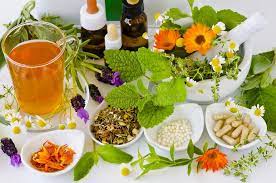
Introduction about Diploma in Herbal Medicines
The Diploma in Herbal Medicines is a specialized program designed to provide comprehensive knowledge and understanding of the principles, practices, and applications of herbal remedies in healthcare. This diploma course delves into the study of medicinal plants, their therapeutic properties, and the preparation of herbal formulations for various health conditions.
Students enrolled in this program gain insights into the historical uses of herbs in different cultures, traditional herbal medicine systems, and the scientific basis behind herbal remedies. The curriculum typically covers topics such as botany, phytochemistry, pharmacology, herbal medicine preparations, and herbal therapeutics.
Throughout the course, students learn to identify medicinal plants, understand their chemical compositions, and explore their potential benefits in treating ailments. Practical training often includes herbal extraction techniques, formulation development, and the assessment of herbal remedies' efficacy and safety.
The Diploma in Herbal Medicines aims to equip individuals with the knowledge and skills necessary to work in various healthcare settings, herbal product development, or to establish their own herbal medicine practices. Graduates of this program often contribute to the growing field of complementary and alternative medicine, promoting natural and holistic approaches to health and wellness.
How can I apply for admission to Diploma in Herbal Medicines Program
Research Programs: Look for educational institutions or universities offering Diploma in Herbal Medicines programs. Explore their websites or contact the admissions office for detailed information about the program, curriculum, admission requirements, and application deadlines.
Check Eligibility: Review the eligibility criteria for the program. Typically, applicants need a certain level of education (such as a high school diploma or equivalent) and may need to meet specific prerequisites or language proficiency requirements.
Gather Required Documents: Collect the necessary documents for your application. This might include academic transcripts, letters of recommendation, a personal statement or essay, and any other documents specified by the institution.
Fill Out Application Forms: Complete the application form provided by the institution. Ensure accuracy and completeness when filling out personal and academic information.
Submit Application: Send your completed application along with the required documents to the admissions office within the specified deadline. Some institutions might have an online application portal, while others may require physical submission.
Pay Application Fee: Some institutions may charge an application fee. Ensure you understand the fee structure and make the payment as required.
Wait for Response: After submitting your application, await the institution's response. This may take some time depending on their review process. If necessary, follow up with the admissions office regarding the status of your application.
Prepare for Interviews or Tests (if required): Some programs may require an interview or entrance test as part of the admission process. Be prepared for these if they are a part of the selection criteria.
Acceptance and Enrollment: If you receive an acceptance letter, review the terms and conditions, including enrollment deadlines and any required fees to secure your place in the program.
What is the eligibility for Diploma in Herbal Medicines
Educational Qualifications: Typically, candidates need a high school diploma or its equivalent. Some programs might require specific coursework in biology, chemistry, or related sciences.
Minimum Age: Applicants are usually required to be a certain minimum age, often 18 years old or above.
Language Proficiency: Proficiency in the language of instruction may be necessary. For instance, if the program is taught in English, candidates might need to demonstrate English language proficiency through tests like TOEFL or IELTS, especially for non-native English speakers.
Prerequisites: Some programs may have specific prerequisite courses or knowledge in biology, chemistry, or related fields as a part of their eligibility criteria.
Experience or Background: While not always mandatory, having a background in healthcare, biology, pharmacology, or related fields might be advantageous or recommended.
Specific Institution Requirements: Certain institutions might have additional criteria or specific requirements for admission. It's essential to check the institution's official website or contact their admissions office for precise information regarding eligibility criteria.
How long does it takes to complete a Diploma in Herbal Medicines program
Full-Time or Part-Time Study: Full-time programs often span between 1 to 2 years, while part-time options might extend the duration to 2 or more years to accommodate students studying alongside other commitments.
Program Structure: The curriculum design and the number of credits or modules required for completion influence the program's duration. Some programs might have intensive coursework or include practical training, which could affect the length of study.
Institutional Policies: Each educational institution may have its own policies regarding the duration of diploma programs. Some institutions might offer accelerated programs that allow students to complete the diploma in a shorter timeframe.
Internship or Practical Training: Programs that include internships, clinical rotations, or practical training components may have longer durations to accommodate these hands-on experiences.
What are potential career opportunities after Diploma in Herbal Medicines
Herbalist or Herbal Practitioner: Graduates can work as herbalists, offering consultations and creating personalized herbal treatment plans for clients based on their health concerns.
Herbal Product Development: Opportunities exist in the development and manufacturing of herbal supplements, cosmetics, or medicinal products for companies in the pharmaceutical or natural health industry.
Botanical Medicine Researcher: Working in research institutions or labs to study the efficacy, safety, and potential applications of herbal remedies in healthcare.
Natural Health Consultant: Providing guidance on natural health approaches, including herbal remedies, diet, and lifestyle modifications to promote wellness.
Health Food Store Manager or Consultant: Managing or consulting in health food stores that specialize in herbal supplements and natural remedies.
Educator or Trainer: Teaching herbal medicine courses, conducting workshops, or training sessions for aspiring herbalists or healthcare professionals interested in integrating herbal medicine into their practice.
Holistic Wellness Centers: Working in wellness centers that offer holistic treatments, incorporating herbal medicine alongside other alternative therapies like acupuncture, massage, or aromatherapy.
Freelance Writer or Blogger: Creating content about herbal medicine, health, and wellness for publications, websites, or personal blogs.
Entrepreneurship: Starting a herbal medicine practice or establishing a business focused on herbal products, including retailing, manufacturing, or online sales.
Clinical Herbalist: Working in collaboration with healthcare practitioners or in integrative medicine settings to provide herbal support to patients as part of a comprehensive treatment plan.
Syllabus of Diploma in Herbal Medicines
Semester 1: Foundations of Herbal Medicine
Introduction to Herbal Medicine
Botany and Identification of Medicinal Plants
Principles of Phytochemistry
Herbal Pharmacognosy (Study of Medicinal Plants' Parts)
Basics of Herbal Formulations and Preparations
Herbal Medicine in History and Different Cultures
Semester 2: Herbal Medicine Applications and Therapeutics
Herbal Pharmacology and Biochemistry
Herbal Medicine Preparation Techniques
Therapeutic Uses of Herbs for Specific Systems (Respiratory, Digestive, etc.)
Herbal Medicine Safety and Toxicology
Herbal Medicine Regulations and Ethics
Case Studies and Practical Application
Semester 3: Advanced Herbal Studies
Advanced Phytochemistry and Plant Constituents
Herbal Medicine Quality Control and Standardization
Clinical Herbal Medicine and Practice
Herbal Medicine Research Methodology
Herbal Medicine in Chronic Diseases and Wellness Maintenance
Semester 4: Practical Applications and Specializations
Herbal Medicine Manufacturing and Quality Assurance
Herbal Medicine Entrepreneurship and Marketing
Herbal Medicine Internship or Clinical Experience
Specialized Topics (e.g., Traditional Herbal Medicine Systems, Herbal Dermatology, etc.)
Dissertation or Final Project
Internship opportunities after completing Diploma in Herbal Medicines
Herbal Clinics or Wellness Centers: Interning at herbal clinics or wellness centers under the guidance of experienced herbalists or practitioners. This hands-on experience can involve working directly with clients, creating herbal treatment plans, and gaining insight into clinic operations.
Herbal Product Companies: Interning at companies that manufacture herbal supplements, cosmetics, or medicinal products. This opportunity allows individuals to learn about product development, quality control, and formulation processes.
Research Institutions: Internships in research institutions focused on botanical medicine or herbal studies. This can involve assisting in research projects, conducting experiments, and gaining insights into the scientific aspects of herbal medicine.
Pharmaceutical Companies with Herbal Divisions: Interning at pharmaceutical companies that have divisions dedicated to herbal medicine. Here, individuals can learn about the production, testing, and marketing of herbal-based pharmaceuticals.
Herbal Farms or Gardens: Interning at herbal farms or gardens to understand cultivation techniques, harvesting practices, and the identification of medicinal plants. This hands-on experience is valuable for learning about the cultivation and sustainability of medicinal herbs.
Holistic Health Clinics or Integrative Medicine Centers: Interning at facilities that offer a range of holistic therapies, including herbal medicine, acupuncture, massage, and nutrition. This provides exposure to a comprehensive approach to healthcare.
Community Health Programs: Interning with community health programs that incorporate herbal medicine in their outreach efforts. This opportunity might involve educating the community about herbal remedies, conducting workshops, or participating in outreach events.
Educational Institutions: Some diploma programs offer internship opportunities within the institution or affiliated teaching hospitals where students can assist in herbal medicine courses, workshops, or research projects.
Scholarship and grants for Diploma in Herbal Medicines
Institutional Scholarships: Many educational institutions offering the Diploma in Herbal Medicines might have their own scholarship programs based on academic merit, financial need, or specific criteria related to herbal medicine studies. Check the institution's financial aid office or website for available scholarships.
Government Grants and Scholarships: Some government agencies or departments related to education, health, or alternative medicine might offer grants or scholarships to support students pursuing studies in herbal medicine. Research government websites or contact relevant departments for information.
Professional Associations and Organizations: Associations or organizations in the field of herbal medicine may offer scholarships or grants to students aspiring to specialize in this area. Examples include the American Herbalists Guild or the National Institute of Medical Herbalists (NIMH) in the UK.
Private Foundations and Nonprofit Organizations: There are foundations and nonprofit organizations dedicated to promoting education in alternative medicine fields, including herbal medicine. They might offer scholarships or financial aid programs. Research and contact these organizations for potential funding opportunities.
Industry-Specific Scholarships: Companies or businesses within the herbal products or natural health industry might have scholarship programs to support students pursuing studies in herbal medicine.
Research Grants: Some institutions or organizations provide grants specifically for research projects related to herbal medicine. While not directly for students, these grants could support students involved in research activities during their studies.
Conclusion
In conclusion, pursuing a Diploma in Herbal Medicines opens doors to a fascinating realm where ancient wisdom meets modern science. This educational journey equips individuals with in-depth knowledge of medicinal plants, their therapeutic properties, and practical applications in healthcare.
FAQs
1. What is a Diploma in Herbal Medicines?
A Diploma in Herbal Medicines is a specialized program focusing on the study of medicinal plants, their properties, and the application of herbal remedies in healthcare.
2. What can I learn in this program?
Students typically learn about botany, phytochemistry, herbal pharmacology, formulation preparation, therapeutic uses of herbs, and herbal medicine safety.
3. What are the career opportunities after completing this diploma?
Graduates can work as herbalists, natural health consultants, product developers, researchers, educators, or start their own herbal medicine practices or businesses.
4. How long does it take to complete the program?
The duration varies, usually ranging from 6 months to 2 years, depending on the institution and whether it's a full-time or part-time program.
5. What are the eligibility criteria for this diploma?
Eligibility typically requires a high school diploma or equivalent, sometimes with prerequisites in biology or chemistry. Minimum age requirements might also apply.
6. Are there internship opportunities after completing the diploma?
Yes, internships can be available in herbal clinics, product companies, research institutions, farms, or holistic health centers.
7. Are there scholarships or grants for this program?
Scholarships and grants may be available through educational institutions, government programs, associations, or foundations supporting herbal medicine education.
8. What subjects are covered in the curriculum?
Curriculum subjects often include botany, phytochemistry, herbal pharmacology, formulation techniques, safety, regulations, and practical application.
9. Can I specialize in a specific aspect of herbal medicine during the program?
Some programs might offer elective courses or opportunities for specialization in areas like traditional herbal medicine systems, clinical herbalism, or herbal product development.
10. How can I apply for admission to a Diploma in Herbal Medicines program?
Applicants typically need to fill out an application form, provide educational transcripts, meet eligibility criteria, and submit required documents to the institution's admissions office.
How Shiksha Hub helps you in
-
 Student Counsellors
 -
 Career Counseling
 -
 Research
 -
 24/7 Support
 -
 Scholarships
 -
 Community