Posted by Admin on 29-07-2023 in Shiksha hub
Diploma in Hospitality Management Introduction, Admission, Registration, Eligibility, Duration, Fees, Syllabus 2024
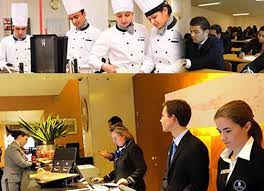
Introduction about Diploma in Hospitality Management
In the ever-evolving world of education and career choices, the hospitality industry stands as a vibrant and lucrative field. If you have a passion for providing exceptional customer service, enjoy working in diverse environments, and are keen on exploring a dynamic career path, then a Diploma in Hospitality Management might be the perfect choice for you.
Hospitality management is all about ensuring a memorable experience for guests, whether in hotels, resorts, restaurants, event planning, or cruise lines. Let's dive into the world of this fascinating diploma program.
Why Choose a Diploma in Hospitality Management?
When considering your educational and career options, you might wonder why a diploma in hospitality management could be a wise decision. Here are some compelling reasons:
Exciting and Dynamic Industry
The hospitality industry is known for its ever-changing landscape. It's an exciting field that continuously adapts to the demands of travelers and consumers.
Global Opportunities
Hospitality is a global industry, which means your skills can take you around the world. You can work in diverse locations, from luxurious beach resorts to bustling urban hotels.
Fast-Track Education
Diploma programs in hospitality management are typically shorter than traditional degree programs. This means you can enter the workforce sooner and start your career journey.
Hands-On Experience
Many programs emphasize practical training, giving you hands-on experience in real-world hospitality settings.
The Core Curriculum of a Diploma in Hospitality Management
A diploma program in hospitality management covers a wide range of topics to prepare you for a successful career. Some of the core subjects and skills you'll acquire include:
Hospitality Marketing and Sales: Understanding how to attract and retain customers.
Customer Service Excellence: Learning to provide top-notch service to guests.
Food and Beverage Management: Managing restaurant and catering operations.
Hotel Operations: Exploring the day-to-day functioning of hotels and resorts.
Event Management: Organizing and executing events and conferences.
Specializations and Career Opportunities
Hospitality management is a diverse field, and a diploma program allows you to specialize in areas such as:
Hotel Management: Overseeing the operations of hotels and resorts.
Restaurant Management: Managing dining establishments and culinary experiences.
Event Planning: Organizing and coordinating events, conferences, and weddings.
Tourism Management: Focusing on travel and tourism-related businesses.
Admission Requirements and Eligibility
To pursue a diploma in hospitality management, you typically need a high school diploma or an equivalent qualification. Some institutions may require additional entrance exams or interviews to assess your suitability for the program.
Duration and Course Structure
The duration of a diploma program in hospitality management can vary, but it often takes one to two years to complete. The coursework may include a mix of lectures, practical sessions, and internships to provide a holistic education.
Benefits of Pursuing a Diploma in Hospitality Management
Quick Entry into the Workforce: Diplomas offer a faster path to employment compared to traditional degrees.
Practical Training: You'll gain hands-on experience, making you job-ready.
Versatile Skill Set: The skills you acquire are transferrable across various roles and industries.
Networking Opportunities: You'll have the chance to build valuable connections in the industry.
Industry Relevance and Demand
The hospitality industry is consistently in demand. People travel for business and leisure, ensuring a constant need for skilled professionals to manage accommodations, dining, and events.
Key Skills and Competencies
As a hospitality management graduate, you'll develop a set of valuable skills, including:
Communication: Effective communication with guests and colleagues.
Problem-Solving: Finding solutions to challenges in a fast-paced environment.
Teamwork: Collaborating with diverse teams to deliver top-notch service.
Adaptability: Thriving in dynamic and ever-changing scenarios.
Top Institutions Offering Diploma Programs
Several institutions offer reputable diploma programs in hospitality management. Some of the world-renowned institutions include:
Cornell University School of Hotel Administration
Ecole hôtelière de Lausanne (EHL)
Glion Institute of Higher Education
Les Roches Global Hospitality Education
Tuition Fees and Financial Aid
The cost of a diploma program can vary greatly, so it's essential to research and compare tuition fees. Many institutions also offer scholarships and financial aid to help make education more accessible.
The Future of the Hospitality Industry
The future of the hospitality industry looks promising, with new trends like eco-friendly travel, technology integration, and personalized guest experiences. As a hospitality management graduate, you'll be at the forefront of these innovations.
Student Life and Experiential Learning
The student life in a hospitality management program is often filled with excitement. You'll engage in practical training, internships, and even participate in managing events to apply your skills in real-world scenarios.
Success Stories and Alumni Testimonials
One of the best ways to understand the potential of a diploma in hospitality management is to hear success stories from alumni who have excelled in their careers. Here are a few testimonials:
John Smith, Hotel Manager: "My diploma gave me the foundation I needed to excel in the hotel industry. Today, I manage a five-star resort, and I owe it all to my education."
Mary Johnson, Event Planner: "The practical experience I gained during my diploma program set me on the path to becoming a successful event planner. I love what I do!"
How can I apply for admission to Diploma in Hospitality Management
Research Institutions: First, research institutions that offer Diploma in Hospitality Management programs. Look for accredited schools and consider factors like location, reputation, and program specifics.
Check Admission Requirements: Each institution may have different admission requirements, so it's crucial to check their specific criteria. Common requirements may include a high school diploma or equivalent, standardized test scores (if applicable), and English language proficiency for international students.
Prepare Required Documents: Gather the necessary documents for your application, which may include:
High school transcripts or equivalent certificates.
Letters of recommendation (usually 1-2).
A personal statement or essay explaining your interest in hospitality management.
A resume highlighting any relevant experience.
Standardized test scores (e.g., SAT or ACT) if required.
Proof of English language proficiency (e.g., TOEFL or IELTS) for international students.
Online Application: Most institutions have an online application portal. Create an account and complete the application form. Be prepared to enter your personal information, academic history, and program preferences.
Pay Application Fee: Some institutions require an application fee, so be ready to make the payment as part of the application process.
Submit Transcripts and Other Documents: Upload or send your high school transcripts, letters of recommendation, personal statement, resume, and any other required documents through the application portal. Some institutions may request these documents to be sent separately by mail.
Interview (if required): In some cases, you may be asked to attend an interview as part of the admission process. This interview may be conducted in person or via video conferencing.
Wait for Admission Decision: After submitting your application, you'll need to wait for the institution to review your materials. This process may take several weeks.
Acceptance and Enrollment: If you are accepted, you will receive an official acceptance letter. Follow the instructions in the letter for enrolling in the program. This typically involves paying an enrollment deposit and registering for classes.
Financial Aid and Scholarships: If you require financial aid, explore scholarship opportunities, grants, and loans. Institutions often have dedicated financial aid offices to assist you with this process.
Visa (for International Students): If you are an international student, you may need to apply for a student visa to study in the host country. Check the specific requirements and procedures for obtaining a student visa.
Orientation: Attend orientation sessions, which are typically held before the start of the program. These sessions provide valuable information about campus life, program expectations, and other important details.
Keep in mind that admission processes may vary from one institution to another, so it's essential to check the specific requirements and deadlines for the program and institution you are interested in. Be sure to plan ahead, prepare your documents, and meet all deadlines to increase your chances of being admitted to a Diploma in Hospitality Management program.
What is the eligibility for Diploma in Hospitality Management
Eligibility requirements for a Diploma in Hospitality Management can vary depending on the institution and the specific program. However, I can provide a general overview of the typical eligibility criteria you might encounter:
High School Diploma or Equivalent: Most Diploma in Hospitality Management programs require candidates to have a high school diploma or an equivalent qualification, such as a General Education Development (GED) certificate.
Academic Requirements: While specific grade point average (GPA) requirements can differ, a competitive academic record is often preferred. Some programs may specify a minimum GPA for consideration.
English Language Proficiency: If you are an international student or if the program is offered in English, you may be required to demonstrate proficiency in the English language. This is typically done through standardized tests like the TOEFL (Test of English as a Foreign Language) or IELTS (International English Language Testing System).
Letters of Recommendation: Some programs may ask for one or more letters of recommendation from teachers, employers, or other individuals who can attest to your character and abilities.
Personal Statement or Essay: Many institutions request a personal statement or essay in which you explain your interest in hospitality management, your career goals, and why you want to pursue this diploma.
Resume or CV: You might be asked to provide a resume or curriculum vitae (CV) detailing your educational background, work experience, and any relevant skills or certifications.
Interview (if required): In some cases, the institution may require you to attend an interview as part of the admission process. This interview may be conducted in person or via video conferencing.
Entrance Exams (if required): Some institutions may require standardized test scores, such as the SAT (Scholastic Assessment Test) or ACT (American College Testing). However, not all programs have this requirement.
Work Experience (if applicable): Certain programs may prefer applicants with relevant work experience in the hospitality industry.
Age Restrictions: While not common, some institutions may have age restrictions for diploma programs. Ensure that you meet any age-related criteria if they apply.
It's essential to note that the specific eligibility requirements can vary from one institution to another. Therefore, I recommend visiting the official website of the institution offering the Diploma in Hospitality Management program you're interested in. The institution's admission page will provide detailed information on the specific criteria, application deadlines, and any additional requirements.
Meeting these eligibility criteria is essential for a successful application, so be sure to prepare your documents, meet the deadlines, and fulfill the requirements as outlined by the institution you're applying to.
How long does it takes to complete a Diploma in Hospitality Management
The duration of a Diploma in Hospitality Management program can vary depending on several factors, including the specific institution, the country where you are studying, and the structure of the program. However, I can provide a general idea of the typical time frame for completing such a diploma.
Generally, a Diploma in Hospitality Management takes around 1 to 2 years to complete.
Here are some key points to consider regarding the duration:
Full-Time vs. Part-Time: The time it takes to complete the diploma can be influenced by whether you are enrolled in a full-time or part-time program. Full-time programs are typically shorter, often around 1 year, while part-time programs may extend to 2 years or more.
Credit Hours: Some institutions measure program duration in terms of credit hours. A typical diploma program may require 30 to 60 credit hours, with each credit hour representing a certain amount of coursework. The more credit hours required, the longer the program may take to complete.
Internship or Co-op Component: Some programs include mandatory internships or co-op experiences, which can extend the program's duration. These practical experiences are valuable for gaining hands-on skills in the hospitality industry.
Semester Structure: The structure of the academic year can vary. Some programs follow a traditional two-semester system, while others may have trimesters or quarters. The length and number of semesters can impact the overall program duration.
Online vs. On-Campus: Online diploma programs may offer more flexibility but can have different completion timeframes. Some online programs allow you to progress at your own pace, which could potentially shorten or extend the duration.
Accelerated Programs: In some cases, institutions offer accelerated diploma programs that are designed to be completed in a shorter time frame, often around 6 to 9 months. These programs may be more intensive.
It's crucial to research the specific diploma program and institution you are interested in to understand its duration and structure. Additionally, consider your own academic and personal circumstances when choosing a program duration that best fits your needs.
Keep in mind that a shorter program may mean a more concentrated and fast-paced curriculum, while longer programs might offer more in-depth learning and additional opportunities for practical experience. Your choice should align with your career goals and the time you can commit to your studies.
What are potential career opportunities after Diploma in Hospitality Management
A Diploma in Hospitality Management can open the door to a wide range of exciting career opportunities in the vibrant and diverse hospitality industry. Here are some potential career paths you can explore after completing your diploma:
Hotel Manager: As a hotel manager, you would oversee the daily operations of a hotel or resort, ensuring a high standard of guest service and managing staff, budgets, and facilities.
Restaurant Manager: Restaurant managers are responsible for the efficient and profitable operation of dining establishments. This includes managing staff, customer service, and ensuring the quality of food and beverages.
Event Planner: Event planners coordinate and organize a variety of events, from weddings and corporate meetings to conferences and trade shows. They manage logistics, budgets, and vendor relationships.
Catering Manager: Catering managers focus on providing food services for events and gatherings. They handle menu planning, food preparation, and client relationships.
Tourism Manager: Tourism managers work in the travel and tourism industry, promoting destinations, planning itineraries, and ensuring enjoyable travel experiences for clients.
Resort Manager: Resort managers are responsible for the overall management of resorts and leisure properties. This includes guest services, facilities, and entertainment.
Front Office Manager: In this role, you'd oversee the front desk and guest services operations of a hotel. This includes managing reservations, check-ins, and ensuring a smooth guest experience.
Food and Beverage Manager: These managers are responsible for the operations of the food and beverage departments within hotels, restaurants, or resorts.
Sales and Marketing Manager: Sales and marketing managers work to attract customers and increase revenue. They develop marketing strategies and sales initiatives for hospitality businesses.
Guest Relations Manager: Guest relations managers focus on ensuring positive guest experiences. They address guest concerns and strive to exceed guest expectations.
Travel Agent: Travel agents help clients plan and book trips, including accommodations, transportation, and activities. They may specialize in leisure or corporate travel.
Spa Manager: Spa managers oversee the operations of spa and wellness centers within hotels or resorts, ensuring quality services and customer satisfaction.
Corporate Event Planner: Corporate event planners specialize in organizing business events such as conferences, seminars, and trade shows for companies and organizations.
Concierge: Hotel concierges assist guests by providing information, making reservations, and coordinating special requests to enhance the guest experience.
Travel Consultant: Travel consultants provide expert advice and assistance to travelers, helping them plan and book vacations and trips.
Guest Services Coordinator: These professionals ensure that guests have a comfortable and enjoyable stay by addressing their needs and concerns.
Entrepreneurship: If you have a passion for hospitality, your diploma can prepare you to start your own hospitality business, such as a boutique hotel, restaurant, or event planning company.
The hospitality industry offers a wide array of career options, and as a diploma holder, you can choose to specialize in areas that align with your interests and skills. It's a dynamic field that values customer service, attention to detail, and a commitment to creating memorable experiences for guests. Whether you're interested in managing a luxury resort, planning events, or running your own business, a Diploma in Hospitality Management can be a solid foundation for a rewarding career.
Syllabus of Diploma in Hospitality Management
The syllabus of a Diploma in Hospitality Management can vary from one institution to another. Additionally, the semester-wise structure of the program may differ depending on the specific curriculum and the institution's policies. However, I can provide a general outline of the typical subjects and topics that are often covered in a semester-wise fashion in such a program:
Semester 1:
Introduction to Hospitality Management
Food and Beverage Service
Food Production and Culinary Arts
Housekeeping and Accommodation Management
Hospitality Marketing and Sales
Communication Skills for Hospitality
Principles of Management
Introduction to Accounting
Semester 2:
Front Office Operations
Event Management
Restaurant Management
Food Hygiene and Safety
Customer Relationship Management
Financial Management in Hospitality
Human Resource Management
Business Ethics and Sustainability
Semester 3:
Hospitality Law and Ethics
Tourism and Travel Management
Bar and Beverage Management
Menu Planning and Design
Hotel Information Systems
Business Communication
Entrepreneurship in Hospitality
Internship or Practical Training
Semester 4:
Strategic Management in Hospitality
Hospitality Quality Management
E-Marketing and Social Media in Hospitality
Convention and Conference Management
Spa and Wellness Management
Cross-Cultural Management
Research Methodology
Project Presentation
Please note that the order of subjects and specific topics may vary, and institutions may offer elective courses or allow students to specialize in areas such as hotel management, restaurant management, event planning, or tourism. Additionally, some programs incorporate internships or co-op experiences in the curriculum, which are typically completed during the third or fourth semester.
It's essential to review the specific syllabus and curriculum of the institution you are interested in to understand the exact courses and their order. Also, the program may be subject to updates and changes over time to reflect the evolving needs of the hospitality industry.
Internship opportunities after completing Diploma in Hospitality Management
Completing a Diploma in Hospitality Management often includes an internship or practical training component, which provides students with valuable hands-on experience in the field. After finishing the diploma program, you can explore various internship opportunities and career paths in the hospitality industry. Here are some options:
Hotel Internships: Many hotels and resorts offer internship programs that allow you to work in various departments such as front office, housekeeping, food and beverage, and management. These internships can be a stepping stone to positions like front office manager, concierge, or food and beverage manager.
Restaurant Internships: Restaurants, especially fine dining establishments, often provide internship opportunities in roles like host/hostess, server, and assistant manager. This experience can lead to positions as restaurant managers or even ownership of your own restaurant.
Event Planning Internships: Event planning companies and venues that host events frequently offer internships. This experience can lead to roles as an event planner, conference coordinator, or wedding planner.
Catering Internships: Catering companies and banquet halls may provide opportunities to gain experience in planning and executing catering events. You can pursue a career as a catering manager or entrepreneur in the catering industry.
Tourism and Travel Internships: If you're interested in the travel and tourism sector, internships with travel agencies, tour operators, or cruise lines can be a great start. This experience can lead to positions as a travel consultant or tour manager.
Resort Management Internships: Resorts often offer internships that provide exposure to all aspects of resort operations. This experience can lead to roles as a resort manager or director of operations.
Spa and Wellness Internships: For those interested in the spa and wellness industry, internships at spas or wellness centers can be valuable. You can become a spa manager or owner of a wellness facility.
Corporate Internships: Some major hotel chains, restaurant groups, and hospitality corporations offer corporate internships in areas like marketing, sales, human resources, and finance. These can lead to corporate-level management positions within the industry.
Entrepreneurship: If you're considering starting your own hospitality-related business, such as a boutique hotel, restaurant, or event planning company, the internship can be a valuable stepping stone to understand the industry and gain practical skills.
To find internship opportunities, you can:
Check with your educational institution's career services department, as they often have connections with industry partners.
Look for job postings on hospitality job websites and company websites.
Attend career fairs and industry-specific networking events.
Reach out to local hotels, restaurants, event planning companies, and other hospitality businesses directly.
Internships not only provide you with real-world experience but also help you build a professional network in the industry. This network can be instrumental in securing your first job after completing your Diploma in Hospitality Management and in advancing your career in the field.
Scholorship and grants for Diploma in Hospitality Management
Scholarships and grants for a Diploma in Hospitality Management can help offset the cost of your education and make it more affordable. While the availability of scholarships and grants may vary from one institution to another, here are some common sources where you can look for financial aid:
Institutional Scholarships: Many colleges and universities that offer Diploma in Hospitality Management programs have their own scholarship programs. These scholarships are often based on academic merit, leadership, or other criteria. Check the financial aid or scholarship section of the institution's website for details.
Government Scholarships: Some governments offer financial aid to students pursuing hospitality management programs. These scholarships may be need-based or merit-based. Contact your country's education ministry or department for information on available scholarships.
Hospitality Industry Scholarships: Various hospitality organizations, associations, and foundations offer scholarships to students pursuing careers in the industry. For example, the American Hotel & Lodging Educational Foundation (AHLEF) provides scholarships for students in hospitality management programs.
Professional Associations: Joining professional associations in the hospitality industry can provide access to scholarship opportunities. Associations like the International Council on Hotel, Restaurant, and Institutional Education (I-CHRIE) often offer scholarships to their student members.
Merit-Based Scholarships: Many scholarships are awarded based on academic achievement, so maintaining a high GPA can make you eligible for various scholarships. Be sure to check the eligibility criteria for each scholarship.
Need-Based Financial Aid: If you demonstrate financial need, you may be eligible for grants, which don't need to be repaid. These grants are often awarded by institutions or government agencies to help students cover tuition and living expenses.
Corporate Scholarships: Some hotel chains, restaurant groups, and hospitality corporations offer scholarships to support students pursuing careers in the field. Check the websites of these companies and inquire about scholarship opportunities.
Community Foundations: Local community foundations may offer scholarships to residents pursuing higher education. These foundations often have specific scholarships for different fields, including hospitality management.
Online Scholarship Databases: There are numerous online scholarship databases and search engines, such as Fastweb, Scholarships.com, and Cappex. You can search for scholarships by specifying your field of study, including "Hospitality Management."
Diversity Scholarships: Some scholarships are specifically aimed at underrepresented groups in the field of hospitality, such as women, minorities, or individuals with disabilities. Look for scholarships that align with your background and experiences.
International Scholarships: If you plan to study hospitality management abroad, explore scholarship opportunities for international students offered by host countries or institutions.
When applying for scholarships and grants, it's important to pay attention to application deadlines and ensure that you meet the eligibility criteria. Additionally, prepare a strong application, which may include essays, letters of recommendation, and documentation of your achievements or financial need. Competition for scholarships can be stiff, so presenting a compelling application is crucial.
Conclusion
In conclusion, a Diploma in Hospitality Management offers a gateway to an exciting and dynamic career in the ever-thriving hospitality industry. With its global opportunities, hands-on experience, and diverse specializations, it's a choice that can set you on a path to success.
FAQs
Is a diploma in hospitality management a good career choice?
Absolutely! It offers a fast-track entry into the dynamic and global hospitality industry, making it an excellent choice for those who enjoy providing exceptional service.
What are the job prospects for hospitality management graduates?
Graduates can find opportunities in hotels, resorts, restaurants, event planning companies, and more. The industry's constant demand for skilled professionals ensures numerous job openings.
Are there financial aid options available for diploma programs?
Many institutions offer scholarships and financial aid to make education more accessible. Be sure to explore these options when considering your program.
How Shiksha Hub helps you in
-
 Student Counsellors
 -
 Career Counseling
 -
 Research
 -
 24/7 Support
 -
 Scholarships
 -
 Community