Posted by Admin on 29-07-2023 in Shiksha hub
Diploma in Housekeeping Introduction, Admission, Registration, Eligibility, Duration, Fees, Syllabus 2024
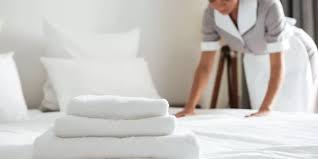
Introduction about Diploma in Housekeeping
Housekeeping is an integral part of any establishment, ensuring cleanliness, hygiene, and orderliness. It's not just about tidying up; it's a science, an art, and a profession. The Diploma in Housekeeping offers an excellent opportunity for individuals seeking to enter this field, equipping them with the skills and knowledge necessary for a successful career.
What Is Housekeeping?
Housekeeping encompasses a range of activities focused on maintaining a clean, safe, and comfortable environment. This includes cleaning, organizing, and managing the overall upkeep of spaces, such as hotels, hospitals, cruise ships, residential complexes, and more. A diploma in housekeeping imparts a deep understanding of these principles.
Importance of Housekeeping
Housekeeping is crucial for the well-being of any establishment. Clean and well-maintained spaces not only create a positive impression but also contribute to the health and safety of occupants. A diploma in housekeeping emphasizes the significance of maintaining high standards in cleanliness and order.
Who Can Pursue a Diploma in Housekeeping?
This diploma is open to anyone interested in pursuing a career in housekeeping. It's ideal for individuals who have an eye for detail, enjoy organization, and are passionate about cleanliness. Whether you're just starting your career or looking to switch fields, a diploma in housekeeping can be a valuable choice.
Course Curriculum
The course typically covers various aspects of housekeeping, including core modules, specializations, and practical training. Students gain in-depth knowledge and hands-on experience in cleaning techniques, inventory management, communication skills, and problem-solving.
Core Modules
Housekeeping Principles: Understanding the fundamentals of housekeeping, from cleaning procedures to safety protocols.
Cleaning Techniques: Learning effective cleaning methods and using the right tools.
Inventory Management: Managing supplies and resources efficiently.
Communication Skills: Developing effective communication skills to work in a team and interact with clients and guests.
Specializations
Students can choose specializations based on their interests and career goals. Specializations may include hotel housekeeping, healthcare facility housekeeping, or residential housekeeping.
Practical Training
The diploma often includes hands-on training in real-world environments, such as hotels, hospitals, or residential complexes, allowing students to apply their knowledge and gain practical experience.
Career Opportunities
A diploma in housekeeping opens up a world of career opportunities. Graduates can find employment in various sectors, including:
Hotels and Resorts: Managing housekeeping operations in hotels and resorts.
Hospitals: Ensuring cleanliness and hygiene in healthcare facilities.
Cruise Ships: Maintaining the living spaces on cruise ships.
Residential Complexes: Managing housekeeping for residential buildings and complexes.
Skills Acquired
The diploma equips students with a range of skills, such as:
Cleaning Techniques: Mastery of cleaning methods and tools.
Inventory Management: Efficiently managing supplies and resources.
Communication Skills: Effective communication with team members and clients.
Problem Solving: Tackling challenges and finding solutions in the field.
Why Choose a Diploma in Housekeeping?
Choosing a diploma in housekeeping can be a rewarding decision due to the growing demand for skilled housekeeping professionals. With this diploma, you can secure a stable and fulfilling career in a field that values cleanliness and order.
Challenges and Demands in the Field
Housekeeping can be demanding, often requiring physical endurance and a keen eye for detail. However, the challenges come with great rewards, as housekeeping professionals play a crucial role in ensuring a comfortable and safe environment.
Salary Prospects
The salary for housekeeping professionals varies depending on factors like experience, location, and the type of establishment. On average, housekeepers earn a competitive salary with opportunities for growth.
Accredited Institutions
To ensure a quality education, it's essential to choose an accredited institution for your diploma. Look for institutions with a strong reputation and experienced faculty.
Admission Requirements
Admission requirements may vary from one institution to another. Typically, you'll need a high school diploma or equivalent to enroll in a housekeeping diploma program.
Duration of the Course
The duration of a diploma in housekeeping typically ranges from 6 months to 2 years, depending on the institution and the depth of the program.
How can I apply for admission to Diploma in Housekeeping
To apply for admission to a Diploma in Housekeeping program, you should follow these general steps:
Research and Choose an Institution: Start by researching institutions that offer Diploma in Housekeeping programs. Look for accredited institutions with a good reputation. You can do this by visiting their websites, attending information sessions, or contacting their admissions offices.
Check Admission Requirements: Each institution may have specific admission requirements. Typically, you will need a high school diploma or equivalent. Some programs may also have specific prerequisites or language proficiency requirements, so make sure to check these details.
Collect Required Documents: Gather the necessary documents for your application. These may include:
High school transcripts or equivalent certificates
Proof of language proficiency (if required)
Letters of recommendation (if needed)
A resume or curriculum vitae (CV)
A statement of purpose or personal essay
Application fee (if applicable)
Complete the Application: Fill out the application form provided by the institution. This can often be done online through their website. Make sure to provide accurate and complete information.
Write a Personal Statement: If required, write a personal statement or essay explaining your interest in the Diploma in Housekeeping, your career goals, and why you're a suitable candidate for the program. Be sure to follow any specific guidelines provided by the institution.
Submit Your Application: Submit your application and all required documents to the institution's admissions office. You may be able to do this online or by mail, depending on their application process.
Pay the Application Fee: Some institutions charge an application fee, so make sure to submit this along with your application, if applicable.
Attend an Interview (if necessary): In some cases, you may be required to attend an interview as part of the admissions process. Be prepared to discuss your interest in housekeeping and your career aspirations.
Wait for a Response: After submitting your application, you will need to wait for a response from the institution. This may take several weeks, so be patient.
Acceptance and Enrollment: If you are accepted into the program, you will receive an acceptance letter. Follow the instructions provided to confirm your enrollment, pay any necessary fees, and register for classes.
Financial Aid: If you require financial aid or scholarships, explore the options available at your chosen institution and apply accordingly.
Please note that the specific admission process may vary from one institution to another, so it's essential to carefully review the admission requirements and guidelines provided by the institution you are interested in. Additionally, reach out to the institution's admissions office if you have any questions or need clarification on the application process.
What is the eligibility for Diploma in Housekeeping
The eligibility criteria for a Diploma in Housekeeping may vary from one institution to another. However, here are the typical eligibility requirements that you can expect:
Educational Qualifications: Most institutions offering a Diploma in Housekeeping require candidates to have a high school diploma or its equivalent. This is the basic educational requirement to be eligible for the program.
Age Requirements: There are usually no strict age limits for admission to a Diploma in Housekeeping program. However, candidates are generally expected to be at least 17 or 18 years old.
Language Proficiency: Depending on the institution and the language of instruction, you may be required to demonstrate proficiency in the language of instruction, typically English. This could involve providing standardized test scores such as IELTS or TOEFL if you are an international student.
Interview or Entrance Test: Some institutions may require candidates to appear for an interview or take an entrance test to assess their suitability for the program. The format and content of these tests may vary.
Physical Fitness: Housekeeping often involves physical tasks, so candidates may be required to meet certain physical fitness standards. This can vary depending on the institution and the specific requirements of the program.
Criminal Background Check: In some cases, institutions may request a criminal background check to ensure the safety and suitability of candidates for housekeeping roles, especially in environments like healthcare facilities or hotels.
Interest and Commitment: Demonstrating a genuine interest in housekeeping and a commitment to pursuing a career in this field can also be an important eligibility factor. This can be conveyed through a well-written statement of purpose or personal essay.
It's important to note that eligibility criteria can vary between institutions, and some may have additional requirements or specific prerequisites based on their curriculum and program focus. Therefore, it's crucial to check the admission requirements of the specific institution you are interested in to ensure that you meet their eligibility criteria.
If you have any questions or need clarification on the eligibility requirements for a particular Diploma in Housekeeping program, it's advisable to reach out to the institution's admissions office for guidance and assistance.
How long does it takes to complete a Diploma in Housekeeping
The duration of a Diploma in Housekeeping program can vary depending on the institution and the specific curriculum they offer. Typically, these programs are designed to be relatively short and focused. Here's a general guideline:
Short-term Diploma: Some institutions offer short-term diploma programs in housekeeping that can be completed in as little as 6 months. These programs are often more concentrated on core housekeeping skills and are suitable for individuals looking for a quick entry into the field.
Standard Diploma: A standard Diploma in Housekeeping program usually spans 1 year or approximately 12 to 18 months. These programs provide a more comprehensive education, covering a wider range of topics and practical training.
Extended Diploma: In some cases, institutions may offer extended diploma programs that can last up to 2 years. These programs provide in-depth knowledge and practical experience in various aspects of housekeeping and may include specializations.
The exact duration of the program can also depend on factors such as the institution's academic calendar, whether the program is part-time or full-time, and any specific requirements or prerequisites that need to be met.
It's essential to review the curriculum and duration of the Diploma in Housekeeping program at the institution of your choice. Make sure to choose a program that aligns with your career goals and the depth of knowledge and practical experience you desire in the field of housekeeping. Additionally, consider whether you prefer a shorter, more focused program or a longer, more comprehensive one based on your personal and professional needs.
What are potential career opportunities after Diploma in Housekeeping
After completing a Diploma in Housekeeping, you'll have a range of potential career opportunities in various industries. Here are some of the career paths and job opportunities you can explore:
Hotel and Resort Housekeeping Manager:
Oversee housekeeping operations in hotels, ensuring that guest rooms and public areas are clean and well-maintained.
Manage housekeeping staff, schedules, and inventory.
Ensure high standards of cleanliness and guest satisfaction.
Hospital Housekeeping Supervisor:
Work in healthcare facilities, managing the cleanliness and hygiene of patient rooms, common areas, and medical equipment.
Ensure compliance with healthcare regulations and infection control standards.
Cruise Ship Housekeeping Staff:
Join the housekeeping team on cruise ships, responsible for maintaining passenger cabins and public spaces.
Provide a clean and comfortable environment for cruise ship guests.
Residential Complex Housekeeping Manager:
Oversee housekeeping services in residential complexes, including apartment buildings and housing communities.
Manage a team of housekeepers and ensure that common areas are well-maintained.
Facility Services Manager:
Work in various facilities such as sports complexes, convention centers, or educational institutions.
Manage the cleanliness and maintenance of these facilities.
Housekeeping Entrepreneur:
Start your own housekeeping business, offering services to residential clients, businesses, or vacation rentals.
Build your client base and manage your housekeeping team.
Housekeeping Trainer or Educator:
Become a housekeeping trainer or educator, teaching the principles of housekeeping to aspiring professionals.
Work in vocational schools or training centers.
Housekeeping Quality Control Inspector:
Ensure that housekeeping standards are met in various settings by conducting inspections and providing feedback for improvement.
Residential Cleaning Service Manager:
Manage a residential cleaning service, catering to homeowners who require regular or occasional cleaning of their homes.
Environmental Services Director:
In healthcare settings, oversee the environmental services department, which includes housekeeping and cleanliness in hospitals and clinics.
Guest Services Manager:
Work in the hospitality industry, ensuring that guests have a comfortable and clean environment during their stay.
Event Venue Housekeeping Supervisor:
Manage housekeeping operations in event venues, ensuring that spaces are prepared and cleaned for various events.
Corporate Housekeeping Manager:
Oversee housekeeping services in corporate offices, ensuring that workplaces are clean and organized.
Retail Store Maintenance Manager:
Manage the cleanliness and maintenance of retail stores, creating a pleasant shopping environment for customers.
Housekeeping Consultant:
Offer your expertise as a consultant to businesses and institutions seeking to improve their housekeeping operations and standards.
The field of housekeeping offers diverse and rewarding career opportunities. The specific role you choose will depend on your interests, the type of establishment you prefer to work in, and your career goals. Housekeeping professionals are in demand across various industries, making it a versatile and valuable career choice.
Syllabus of Diploma in Housekeeping
The syllabus for a Diploma in Housekeeping can vary depending on the institution and the specific curriculum they offer. However, here's a general outline of what you might expect to study semester-wise in a typical program:
Semester 1: Foundation of Housekeeping
Introduction to Housekeeping
Principles of Cleaning and Sanitation
Housekeeping Equipment and Tools
Cleaning Chemicals and Solutions
Safety and Hygiene in Housekeeping
Communication Skills for Housekeepers
Semester 2: Housekeeping Operations 7. Guest Room Cleaning and Maintenance
Cleaning Common Areas in Hotels and Resorts
Laundry Operations
Inventory Management and Control
Pest Control in Housekeeping
Sustainable Practices in Housekeeping
Semester 3: Specializations (Choose One) 13. Hotel Housekeeping: - Hotel Housekeeping Management - Front Office and Housekeeping Coordination 14. Healthcare Facility Housekeeping: - Hospital Housekeeping Protocols - Infection Control in Healthcare Housekeeping 15. Residential Housekeeping: - Cleaning for Residential Complexes - Customer Relations in Residential Housekeeping
Semester 4: Practical Training and Project Work 16. On-the-Job Training in Real-world Environments (Hotels, Hospitals, etc.)
Project Work: Research and Presentation
Housekeeping Team Management
Guest Satisfaction and Feedback
Semester 5: Advanced Housekeeping Skills 20. Advanced Cleaning Techniques
Quality Control in Housekeeping
Managing Housekeeping Staff
Budgeting and Cost Control
Advanced Sustainability Practices
Emerging Trends in Housekeeping
Semester 6: Professional Development and Soft Skills 26. Leadership and Management Skills
Customer Service Excellence
Conflict Resolution and Problem Solving
Time Management and Organization
Resume Building and Interview Skills
Please note that this is a general syllabus outline, and the actual content and order of topics may vary from one institution to another. Some institutions may also include additional courses or electives based on their program's focus and the needs of the industry. It's essential to review the specific curriculum of the Diploma in Housekeeping program offered by the institution of your choice to get a detailed understanding of the courses and their sequencing.
Internship opportunities after completing Diploma in Housekeeping
After completing a Diploma in Housekeeping, you can explore various internship opportunities to gain practical experience in the field. Internships provide hands-on training, allow you to apply what you've learned, and enhance your skills. Here are some potential internship opportunities:
Hotel Internships:
Many hotels and resorts offer housekeeping internships. You can work as an intern in guest room cleaning, laundry, and public area maintenance.
These internships provide exposure to the fast-paced and dynamic environment of the hospitality industry.
Hospital Housekeeping Internships:
Healthcare facilities, such as hospitals and clinics, often provide internships in environmental services or housekeeping.
You can gain experience in maintaining cleanliness and hygiene in healthcare settings, including patient rooms and medical areas.
Residential Complex Internships:
Residential complexes, apartment buildings, or housing communities may offer internships in residential housekeeping.
Interns are responsible for the upkeep of common areas and ensuring residents' comfort.
Cruise Ship Internships:
Some cruise lines offer internships in shipboard housekeeping. You'll learn to maintain cabins and public spaces on cruise ships.
These internships provide a unique experience and exposure to international travel.
Event Venue Internships:
Event venues, convention centers, and stadiums may offer internships in housekeeping operations.
Interns assist in setting up and cleaning event spaces before and after functions.
Corporate Office Internships:
Some corporate offices and businesses hire housekeeping interns to manage workplace cleanliness and organization.
You'll learn how to maintain a professional and productive office environment.
Residential Cleaning Service Internships:
Residential cleaning companies may provide internships for those interested in residential cleaning services.
Interns learn about cleaning techniques, time management, and client relations.
Housekeeping Consultancy Internships:
Housekeeping consultancy firms may offer internships for individuals interested in gaining insights into housekeeping standards and practices.
Interns assist in consulting projects and quality assessments.
Quality Control Internships:
Some institutions and organizations hire interns for quality control and inspections in housekeeping.
Interns ensure that established cleanliness standards are maintained.
Supervisory or Management Internships:
As you advance in your career, you can seek internships in supervisory or management roles within housekeeping departments.
These internships provide leadership and administrative experience.
Internships are a valuable stepping stone to your career in housekeeping. They allow you to apply your knowledge in real-world situations, develop essential skills, and build a network of industry contacts. When seeking an internship, consider your specific interests within the field and look for opportunities that align with your career goals. Many internships may also lead to full-time employment if you excel during your internship period.
Scholorship and grants for Diploma in Housekeeping
Scholarships and grants can be a significant financial assistance for students pursuing a Diploma in Housekeeping. While specific scholarships for housekeeping programs may be limited, you can explore various general scholarship and grant opportunities in the field of hospitality, hotel management, or vocational education. Here are some options to consider:
Institutional Scholarships: Many colleges and vocational schools offering Diploma in Housekeeping programs provide their own scholarships or grants. Check with the institution's financial aid office for information on scholarships specific to their programs.
Hospitality Industry Scholarships: Numerous organizations and associations related to the hospitality industry offer scholarships. These scholarships may apply to students studying housekeeping or hotel management. Examples include the American Hotel & Lodging Educational Foundation (AHLEF) scholarships.
Vocational Education Grants: Various vocational education grants and scholarships are available for students pursuing practical and technical education. These grants are often provided by government agencies, non-profit organizations, and vocational schools.
Employer Assistance: If you are already employed in the hospitality industry, inquire with your employer about tuition assistance, reimbursement, or scholarships for further education. Many hotels and resorts offer educational support to their employees.
State and Federal Aid: Depending on your location and circumstances, you may be eligible for state or federal financial aid, such as grants, loans, or work-study programs. Fill out the Free Application for Federal Student Aid (FAFSA) to determine your eligibility.
Private Scholarships: Some private organizations and foundations offer scholarships for vocational education. These may not be specific to housekeeping but can be applied to your educational expenses.
Minority and Diversity Scholarships: Certain scholarships are aimed at supporting underrepresented groups in the hospitality industry, including minorities, women, and individuals with disabilities.
Community and Local Scholarships: Explore scholarships offered by local businesses, community organizations, and foundations in your area. They may have scholarships for vocational or technical education.
Online Scholarship Databases: Utilize scholarship search engines and databases to find opportunities that match your profile and educational goals. Websites like Fastweb, Scholarships.com, and Cappex can be helpful.
Professional Associations: Joining professional associations related to the hospitality industry may provide access to scholarship opportunities. Associations like the International Executive Housekeepers Association (IEHA) might offer scholarships to members or their families.
When applying for scholarships and grants, be sure to pay attention to eligibility criteria, application deadlines, and required documents. Prepare a compelling scholarship essay or personal statement explaining your educational and career goals. Keep in mind that scholarship availability can change, so it's a good idea to regularly check for new opportunities and apply for as many relevant scholarships as possible.
Conclusion
A diploma in housekeeping is an excellent choice for individuals who appreciate cleanliness, organization, and a career that makes a real difference. With a diverse range of career opportunities and the chance to work in various industries, this diploma offers a bright and promising future.
FAQ,s
What is the role of a housekeeping professional?
Housekeeping professionals are responsible for maintaining cleanliness, hygiene, and order in various establishments, such as hotels, hospitals, and residential complexes.
Is a diploma in housekeeping a good career choice?
Yes, a diploma in housekeeping offers excellent career prospects, given the high demand for skilled professionals in the field.
What specializations can I choose within housekeeping?
Specializations may include hotel housekeeping, healthcare facility housekeeping, or residential housekeeping, among others.
What are the challenges of working in housekeeping?
Housekeeping can be physically demanding and require attention to detail, but it offers a rewarding and fulfilling career.
How long does it take to complete a diploma in housekeeping?
The duration of the course typically ranges from 6 months to 2 years, depending on the institution and program depth.
How Shiksha Hub helps you in
-
 Student Counsellors
 -
 Career Counseling
 -
 Research
 -
 24/7 Support
 -
 Scholarships
 -
 Community