Posted by Admin on 28-07-2023 in Shiksha hub
Diploma in Industrial Safety & Disaster Management Introduction, Admission, Registration, Eligibility, Duration, Fees, Syllabus 2024
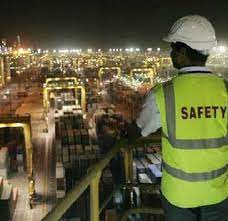
Introduction about Diploma in Industrial Safety & Disaster Management
Importance of Industrial Safety
Industrial safety is not merely a regulatory requirement but a moral obligation. As industries evolve and technology advances, the potential risks associated with various processes increase. Ensuring the safety of workers and the integrity of operations has become paramount.
Growing Need for Disaster Management
The increasing frequency and severity of natural disasters, coupled with the potential for industrial accidents, highlight the critical need for effective disaster management. This includes not only response plans but also proactive measures to mitigate risks.
Understanding Industrial Safety
Definition and Scope
Industrial safety encompasses a broad spectrum of practices aimed at preventing accidents and injuries in the workplace. It involves identifying potential hazards, implementing preventive measures, and creating a culture of safety.
Regulatory Framework
Governments worldwide have established strict regulations to enforce industrial safety standards. Compliance with these regulations is not just a legal requirement but a fundamental aspect of responsible business operations.
Case Studies on Industrial Accidents
Examining past industrial accidents provides valuable insights into the consequences of lapses in safety protocols. These case studies serve as lessons, emphasizing the importance of a proactive approach to safety.
Components of Industrial Safety
Risk Assessment
An integral part of industrial safety is conducting thorough risk assessments. Identifying potential hazards allows for the implementation of targeted preventive measures, reducing the likelihood of accidents.
Safety Training Programs
Education plays a crucial role in promoting safety. Well-designed training programs ensure that employees are aware of potential risks and equipped with the knowledge to respond appropriately in various situations.
Emergency Response Plans
Despite preventive measures, emergencies can still occur. Having robust emergency response plans in place minimizes the impact of incidents and ensures a coordinated and effective response.
The Role of Disaster Management
Integrating Safety Measures
Disaster management is not a separate entity but an integral part of industrial safety. The two work hand in hand to create a comprehensive framework that addresses both routine and unexpected challenges.
Disaster Preparedness
Being prepared for disasters involves planning, training, and regular drills. This proactive approach ensures that individuals and organizations can respond swiftly and effectively when faced with unexpected events.
Mitigation Strategies
Mitigating the impact of disasters involves identifying vulnerabilities and implementing strategies to reduce risks. This may include structural reinforcements, early warning systems, and community engagement.
Benefits of Pursuing a Diploma in Industrial Safety & Disaster Management
Career Opportunities
Individuals with a diploma in industrial safety and disaster management open doors to a wide range of career opportunities. From safety officers to consultants, the demand for professionals with expertise in this field is on the rise.
Contribution to Workplace Safety
Professionals with specialized knowledge in industrial safety contribute significantly to creating safer workplaces. Their expertise enhances the overall safety culture within organizations.
Personal Development
Pursuing a diploma in this field is not just about acquiring professional skills. It's also a journey of personal development, instilling a sense of responsibility and awareness that extends beyond the workplace.
Course Structure and Curriculum
Core Subjects
The curriculum of a diploma program typically covers core subjects such as risk management, occupational health and safety, environmental safety, and disaster response planning.
Practical Training
Hands-on experience is a crucial aspect of the learning process. Practical training sessions allow students to apply theoretical knowledge in real-world scenarios, preparing them for the challenges they may face in their careers.
Industry-Relevant Skills
The focus is not just on theoretical knowledge but also on developing practical skills that are directly applicable in various industrial settings. This ensures that graduates are well-prepared for the demands of the industry.
Industry Trends and Innovations
Technological Advancements in Safety
Technology is playing an increasingly important role in industrial safety. Innovations such as IoT-enabled safety devices, predictive analytics, and virtual reality training programs are revolutionizing safety practices.
Adaptation to Changing Work Environments
As industries evolve, so do the nature of workplaces. Whether it's the rise of remote work or the integration of automation, safety professionals need to adapt their strategies to address the changing dynamics of work environments.
Future Prospects
The field of industrial safety and disaster management is dynamic, with constant advancements and changes. Professionals who stay informed about industry trends position themselves for continued success and relevance.
Challenges in Industrial Safety
Common Issues Faced
How can I apply for admission to Diploma in Industrial Safety & Disaster Management
Embarking on a journey towards a Diploma in Industrial Safety & Disaster Management involves a structured admission process. Here's a step-by-step guide on how you can apply:
Research and Choose the Right Institution
Before applying, research institutions that offer a comprehensive program in Industrial Safety & Disaster Management. Consider factors such as accreditation, faculty expertise, and the relevance of the curriculum to your career goals.
Check Admission Requirements
Each institution may have specific admission requirements. Common prerequisites include a high school diploma or equivalent and, in some cases, relevant work experience. Ensure you meet these criteria before proceeding.
Prepare Necessary Documents
Gather the required documents for your application. This typically includes academic transcripts, letters of recommendation, a resume, and a personal statement. Make sure these documents highlight your interest and background in the field.
Fill Out the Application Form
Complete the institution's application form thoroughly and accurately. Pay attention to details and provide all the necessary information. Some institutions may offer online application portals for your convenience.
Submit Application Fee
Many institutions require an application fee to process your application. Ensure that you submit the fee along with your application. This fee may vary among institutions.
Write a Statement of Purpose
Craft a compelling statement of purpose that outlines your motivation for pursuing a Diploma in Industrial Safety & Disaster Management. Discuss your career aspirations and how the program aligns with your goals.
Attend Interviews or Entrance Exams
Some institutions may conduct interviews or require applicants to take entrance exams. Be prepared for these assessments, showcasing your knowledge and enthusiasm for the field.
Explore Financial Aid Options
Check for available scholarships, grants, or financial aid opportunities. Many institutions offer support to deserving candidates. Explore these options to alleviate the financial burden of your education.
Await Admission Decision
Once you've submitted your application, patiently await the admission decision. This may take some time, so use this period to stay informed about the program and continue your preparations.
Acceptance and Enrollment
Upon receiving an acceptance letter, carefully read the terms and conditions. Follow the instructions for enrollment, which may include submitting additional documents and paying tuition fees.
Attend Orientation
Orientation programs are designed to familiarize students with the program, faculty, and campus facilities. Attend these sessions to start your academic journey on the right foot.
Plan Your Course Schedule
Work with academic advisors to plan your course schedule. Ensure you understand the requirements for graduation and make the most of the learning opportunities available.
Engage in Networking Opportunities
Building connections within the industry starts from day one. Attend networking events, join relevant forums, and connect with fellow students and professionals to broaden your understanding of the field.
Stay Informed and Updated
Industrial safety is a dynamic field. Stay informed about industry trends, regulations, and technological advancements. Engage in continuous learning to enhance your skills throughout the program.
Embrace Practical Training
Participate actively in practical training sessions. This hands-on experience is invaluable in applying theoretical knowledge to real-world scenarios.
By following these steps, you can navigate the admission process smoothly and embark on a rewarding journey toward a Diploma in Industrial Safety & Disaster Management.
What is the eligibility for Diploma in Industrial Safety & Disaster Management
Eligibility Criteria for Diploma in Industrial Safety & Disaster Management
To pursue a Diploma in Industrial Safety & Disaster Management, candidates must meet specific eligibility criteria set by the educational institutions offering the program. The eligibility requirements may vary slightly between institutions, but here are the common criteria:
Educational Qualifications:
Candidates should typically have a minimum educational background of:
High School Diploma or Equivalent: Most institutions require candidates to have completed their high school education or hold an equivalent qualification.
Work Experience (Optional):
While not mandatory, some institutions may prefer candidates with relevant work experience in industries related to safety, disaster management, or a related field. Work experience can strengthen an applicant's profile.
Age Limit:
In some cases, there might be an age limit for admission. Institutions may prefer candidates who fall within a specified age range, although this criterion varies.
English Language Proficiency:
Given that the program is conducted in English, candidates may be required to demonstrate proficiency in the English language. This can be through standardized tests like IELTS or TOEFL, or through other assessments specified by the institution.
Specific Entrance Exams (Varies):
Certain institutions may conduct entrance exams to assess the aptitude and knowledge of applicants. These exams evaluate the candidate's understanding of basic safety concepts and preparedness for the program.
Interview (Varies):
Some institutions may include an interview as part of the admission process. This interview provides an opportunity for the institution to assess the candidate's motivation, communication skills, and alignment with the program.
Application and Documentation:
Candidates are required to submit a completed application form along with supporting documents, which may include:
Academic transcripts
Letters of recommendation
Resume or curriculum vitae
Statement of purpose
Compliance with Health and Safety Standards:
Given the nature of the program, institutions may require candidates to comply with specific health and safety standards. This could involve submitting a health declaration or undergoing a medical examination.
Recognition of Prior Learning (RPL):
Some institutions may consider Recognition of Prior Learning, allowing candidates with relevant industry certifications or training to receive credits toward the diploma program.
Commitment to Safety and Ethics:
Institutions may seek candidates who demonstrate a genuine commitment to promoting safety in the workplace and upholding ethical standards in the field of industrial safety and disaster management.
Prospective candidates should carefully review the specific eligibility criteria outlined by the institution of their choice before applying. Meeting these criteria ensures a smooth application process and sets the foundation for a successful academic journey in the field of industrial safety and disaster management.
How long does it takes to complete a Diploma in Industrial Safety & Disaster Management
Duration of a Diploma in Industrial Safety & Disaster Management
The duration of a Diploma in Industrial Safety & Disaster Management varies depending on the specific program and the educational institution offering it. Generally, these diploma programs are designed to provide a comprehensive understanding of industrial safety and disaster management within a specific timeframe. Here are some common scenarios:
Full-Time Programs:
Typical Duration: Full-time diploma programs often span between 1 to 2 years.
Course Structure: These programs usually consist of multiple semesters or trimesters, covering core subjects, practical training, and elective courses.
Internship/Practicum: Many programs include a mandatory internship or practicum component to provide hands-on experience in real-world settings.
Part-Time or Evening Programs:
Typical Duration: Part-time or evening diploma programs may extend over a longer period, typically 2 to 3 years.
Course Structure: These programs are designed to accommodate individuals who may be working or have other commitments during the day. Classes are often scheduled in the evenings or on weekends.
Flexibility: The extended duration allows for a more flexible learning schedule.
Accelerated Programs:
Typical Duration: Accelerated programs are designed for quicker completion and may last around 6 months to a year.
Intensity: These programs are more intense, with condensed schedules and a higher course load. They are suitable for individuals who can dedicate significant time to their studies.
Online Programs:
Typical Duration: Online diploma programs may have varying durations, ranging from 1 to 2 years.
Flexibility: Online programs offer flexibility, allowing students to progress at their own pace. However, there may be a maximum duration within which the program must be completed.
Recognition of Prior Learning (RPL):
Duration: If Recognition of Prior Learning (RPL) is applicable, individuals with relevant industry experience or certifications may complete the program in a shorter time frame.
Credit Transfers: RPL allows for the transfer of credits, reducing the overall duration of the program.
Internationally Recognized Standards:
Duration: Programs adhering to internationally recognized standards may have a standardized duration, often around 1 to 1.5 years.
Comprehensive Curriculum: These programs follow a comprehensive curriculum aligned with global safety standards.
Prospective students should refer to the specific details provided by the institution offering the diploma program. The duration can vary based on factors such as the program's structure, mode of delivery, and any additional components like internships or practical training. Understanding the program's duration is crucial for planning and successfully completing the Diploma in Industrial Safety & Disaster Management.
What are potential career opportunities after Diploma in Industrial Safety & Disaster Management
Career Opportunities After Completing a Diploma in Industrial Safety & Disaster Management
Earning a Diploma in Industrial Safety & Disaster Management opens the door to a diverse range of career opportunities. Graduates with expertise in these fields are in high demand across various industries. Here are some potential career paths to explore:
Safety Officer/Coordinator:
Responsibilities: Implementing and overseeing safety protocols, conducting risk assessments, and ensuring compliance with safety regulations.
Industries: Manufacturing, construction, healthcare, and other sectors with inherent safety risks.
Emergency Response Planner:
Responsibilities: Developing and implementing emergency response plans, coordinating drills, and ensuring organizations are prepared for various scenarios.
Industries: Government agencies, corporations, and organizations with a focus on disaster preparedness.
Occupational Health and Safety Specialist:
Responsibilities: Identifying and mitigating workplace hazards, conducting safety inspections, and promoting a culture of safety.
Industries: Across diverse sectors, including manufacturing, energy, and healthcare.
Environmental Health and Safety Officer:
Responsibilities: Monitoring and managing environmental impacts, ensuring compliance with environmental regulations, and implementing safety measures.
Industries: Environmental consulting firms, manufacturing, and organizations with a focus on sustainability.
Safety Consultant:
Responsibilities: Providing expert advice on safety measures, conducting audits, and assisting organizations in improving their safety practices.
Industries: Consulting firms, freelance consulting, or working independently.
Disaster Recovery Specialist:
Responsibilities: Planning and coordinating recovery efforts after natural disasters or industrial accidents, ensuring a swift return to normal operations.
Industries: Government agencies, non-profits, and organizations with a focus on disaster recovery.
Health and Safety Instructor/Trainer:
Responsibilities: Developing and delivering safety training programs, educating employees on safety practices and regulations.
Industries: Educational institutions, corporate training departments, and safety training organizations.
Risk Analyst:
Responsibilities: Assessing and analyzing potential risks within an organization, developing strategies to mitigate these risks, and ensuring compliance with regulations.
Industries: Insurance companies, financial institutions, and large corporations.
Industrial Hygienist:
Responsibilities: Identifying and controlling workplace hazards related to chemical, biological, and physical agents to ensure a healthy work environment.
Industries: Manufacturing, healthcare, and industries with potential exposure to hazardous substances.
Regulatory Compliance Officer:
Responsibilities: Ensuring organizations comply with relevant safety and environmental regulations, conducting audits, and addressing non-compliance issues.
Industries: Regulatory agencies, government departments, and large corporations.
Safety Manager:
Responsibilities: Overseeing the overall safety program within an organization, managing safety teams, and implementing safety policies.
Industries: Various industries, including construction, manufacturing, and oil and gas.
Facility Manager with Safety Emphasis:
Responsibilities: Managing facilities with a focus on safety protocols, ensuring a safe and secure environment for occupants.
Industries: Commercial buildings, healthcare facilities, and large corporate campuses.
Health and Safety Auditor:
Responsibilities: Conducting thorough audits of safety practices within organizations, identifying areas for improvement, and ensuring compliance.
Industries: Auditing firms, regulatory bodies, and corporations with a focus on continuous improvement.
Corporate Social Responsibility (CSR) Officer:
Responsibilities: Integrating safety and disaster management into corporate social responsibility initiatives, ensuring ethical and sustainable practices.
Industries: Companies with a strong emphasis on social responsibility and sustainability.
Construction Safety Officer:
Responsibilities: Ensuring safety protocols are followed on construction sites, conducting safety training, and implementing accident prevention measures.
Industries: Construction and engineering companies.
These career opportunities highlight the diverse paths available to individuals with a Diploma in Industrial Safety & Disaster Management. The skills and knowledge gained through this program prepare graduates to contribute significantly to creating safer work environments and effectively managing emergencies.
Syllabus of Diploma in Industrial Safety & Disaster Management
Diploma in Industrial Safety & Disaster Management Syllabus (Semester-wise Overview)
Semester 1: Introduction to Industrial Safety
Fundamentals of Safety
Introduction to safety concepts
Historical overview of industrial accidents
Importance of safety in the workplace
Regulatory Framework
Overview of national and international safety regulations
Compliance requirements for industries
Role of regulatory bodies
Basic Principles of Risk Assessment
Hazard identification and evaluation
Risk mitigation strategies
Case studies on successful risk management
Occupational Health and Safety (OHS) Practices
Workplace health hazards
Employee health and wellness programs
OHS legal requirements
Semester 2: Components of Industrial Safety
2.1 Safety Training Programs
Designing effective safety training modules
Implementation and evaluation of training programs
Role of technology in safety training
2.2 Emergency Response Planning
Developing emergency response plans
Evacuation procedures
Crisis communication strategies
2.3 Incident Investigation and Analysis
Techniques for incident investigation
Root cause analysis
Preventive measures after incidents
2.4 Industrial Hygiene and Environmental Safety
Identification and control of workplace hazards
Air and water quality monitoring
Environmental sustainability in industry
Semester 3: Disaster Management and Preparedness
3.1 Introduction to Disaster Management
Definitions and concepts
Types of disasters
Disaster risk reduction strategies
3.2 Disaster Preparedness
Developing preparedness plans
Early warning systems
Community engagement in disaster preparedness
3.3 Crisis Management
Crisis communication strategies
Coordination during crises
Case studies on effective crisis management
3.4 Legal and Ethical Aspects of Disaster Management
Legal frameworks for disaster management
Ethical considerations in disaster response
Responsibilities of organizations and individuals
Semester 4: Practical Training and Specialization
4.1 Practical Training in Safety Protocols
Hands-on experience in implementing safety measures
Simulation exercises for emergency response
Interaction with industry professionals
4.2 Specialization Electives
Selection of electives based on career interests
Options may include industrial hygiene, environmental safety, or risk analysis
In-depth study in chosen specialization area
4.3 Project Work
Independent research project related to industrial safety or disaster management
Presentation of findings
Integration of theoretical knowledge with practical application
Semester 5: Industry Trends and Emerging Technologies
5.1 Technological Advancements in Safety
Role of IoT, AI, and other technologies in safety
Integration of technology for risk assessment and management
Industry case studies on technology implementation
5.2 Adaptation to Changing Work Environments
Safety considerations in evolving workplaces
Remote work safety
Safety implications of automation and robotics
5.3 Future Prospects in Industrial Safety and Disaster Management
Emerging trends and challenges
Career paths and opportunities
Continuous learning and professional development
Semester 6: Global Perspective and Capstone Project
Addressing the Global Perspective
International safety standards
Cross-border collaboration in disaster management
Learning from global incidents and best practices
Capstone Project
Comprehensive project integrating all aspects of the program
Presentation of findings and recommendations
Peer and expert evaluation
Conclusion: Recap and Final Thoughts
Recap of Key Takeaways
Summarizing essential concepts and skills acquired
Reflecting on personal and professional growth
Encouragement to Pursue Continuous Learning
Importance of staying updated with industry advancements
Opportunities for further education and specialization
Custom Message:
This semester-wise syllabus provides a comprehensive overview of the topics covered in a Diploma in Industrial Safety & Disaster Management program. The curriculum is designed to equip students with the knowledge and practical skills necessary to contribute effectively to workplace safety and disaster preparedness.
Internship opportunities after completing Diploma in Industrial Safety & Disaster Management
Completing a Diploma in Industrial Safety & Disaster Management opens doors to valuable internship opportunities, providing hands-on experience in real-world settings. These internships are crucial for applying theoretical knowledge to practical scenarios and gaining exposure to the daily challenges faced by safety and disaster management professionals. Here are some potential internship opportunities for graduates:
Safety Officer Intern:
Responsibilities:
Assisting in the implementation of safety protocols.
Conducting safety inspections and audits.
Participating in the development of safety training programs.
Emergency Response Intern:
Responsibilities:
Contributing to the development and testing of emergency response plans.
Participating in simulated emergency drills.
Assisting in crisis communication efforts.
Environmental Health and Safety Intern:
Responsibilities:
Monitoring and analyzing workplace environmental conditions.
Participating in the design and implementation of environmental safety measures.
Assisting in compliance with environmental regulations.
Occupational Health Intern:
Responsibilities:
Participating in health and wellness programs for employees.
Conducting health risk assessments.
Assisting in the implementation of occupational health protocols.
Disaster Recovery Intern:
Responsibilities:
Supporting the planning and coordination of disaster recovery efforts.
Assisting in the assessment of post-disaster impacts.
Contributing to the development of recovery strategies.
Safety Consultant Intern:
Responsibilities:
Shadowing experienced safety consultants.
Assisting in safety audits and assessments.
Participating in client consultations.
Risk Analyst Intern:
Responsibilities:
Assisting in risk assessments and analyses.
Contributing to the development of risk mitigation strategies.
Participating in the evaluation of compliance with safety standards.
Industrial Hygiene Intern:
Responsibilities:
Participating in workplace hazard identification and evaluation.
Assisting in the implementation of control measures.
Conducting air and water quality monitoring.
Regulatory Compliance Intern:
Responsibilities:
Assisting in ensuring organizational compliance with safety and environmental regulations.
Participating in regulatory audits.
Contributing to the development of compliance strategies.
Safety Manager Intern:
Responsibilities:
Assisting in overseeing the organization's safety program.
Participating in safety team management.
Contributing to the implementation of safety policies.
Health and Safety Instructor/Trainer Intern:
Responsibilities:
Assisting in the development of safety training materials.
Participating in the delivery of safety training programs.
Contributing to the assessment of training effectiveness.
Corporate Social Responsibility (CSR) Intern:
Responsibilities:
Assisting in integrating safety and disaster management into CSR initiatives.
Participating in community engagement activities.
Contributing to ethical and sustainable business practices.
Internship Tips:
Seek Diverse Experiences: Look for internships that offer exposure to various aspects of safety and disaster management.
Networking: Build relationships with professionals in the field during your internship.
Demonstrate Initiative: Take on additional responsibilities and showcase your proactive approach.
Learn from Challenges: Internships may present challenges; view them as learning opportunities.
Internship opportunities provide a bridge between academic learning and professional practice, preparing graduates for successful careers in the dynamic field of industrial safety and disaster management.
Scholorship and grants for Diploma in Industrial Safety & Disaster Management
Pursuing a Diploma in Industrial Safety & Disaster Management can be financially supported through various scholarship and grant programs. These opportunities aim to assist students in covering tuition costs and related expenses. Here are potential avenues for financial support:
Institutional Scholarships:
Description: Many educational institutions offering the diploma program have scholarship programs for outstanding students.
Eligibility:
Academic excellence
Demonstrated commitment to safety
Financial need
Application Process:
Check with the institution's financial aid office for available scholarships.
Submit required documents, such as academic transcripts and recommendation letters.
Government Scholarships:
Description: Government agencies may offer scholarships for students pursuing safety and disaster management programs.
Eligibility:
Often based on academic merit and financial need
Specific criteria may vary by region or country
Application Process:
Research government scholarship programs in your region.
Follow application procedures outlined by the relevant government department.
Industry-sponsored Scholarships:
Description: Some industries related to safety, disaster management, and environmental health offer scholarships to support future professionals.
Eligibility:
Aligned with industry goals and values
Often requires a commitment to work in the industry post-graduation
Application Process:
Explore industry associations, corporations, or foundations for available scholarships.
Follow application instructions provided by the sponsoring organization.
Professional Associations Grants:
Description: Professional associations related to safety and disaster management may provide grants for education and professional development.
Eligibility:
Membership in the association
Demonstrated interest in the field
Application Process:
Check with relevant professional associations for grant opportunities.
Submit applications with required documentation.
Non-profit Organization Grants:
Description: Non-profit organizations dedicated to safety, disaster relief, and humanitarian efforts may offer grants to support education in these areas.
Eligibility:
Alignment with the organization's mission
Demonstrated commitment to community service
Application Process:
Research non-profit organizations focused on safety and disaster management.
Follow their application guidelines and deadlines.
Corporate Sponsorships:
Description: Some corporations actively support education in safety and disaster management through sponsorship programs.
Eligibility:
Often based on academic performance and career goals
May require a commitment to working for the sponsoring corporation
Application Process:
Check with corporations in relevant industries for sponsorship opportunities.
Follow application procedures outlined by the corporation.
Online Platforms and Databases:
Description: Online scholarship databases and platforms aggregate various scholarship opportunities, including those for safety and disaster management.
Eligibility:
Varies by scholarship
Application Process:
Utilize scholarship search platforms to find relevant opportunities.
Follow the application instructions provided by each scholarship.
Tips for Applying:
Start Early: Begin your scholarship search and application process well in advance.
Customize Applications: Tailor your applications to meet the specific criteria of each scholarship.
Seek Guidance: Consult with your educational institution's financial aid office for advice on available scholarships.
Stay Organized: Keep track of deadlines and requirements for each scholarship opportunity.
Investing time and effort into scholarship and grant applications can significantly alleviate the financial burden of pursuing a Diploma in Industrial Safety & Disaster Management. Explore various avenues to secure the support you need for your education and future career.
Conclusion
In conclusion, earning a Diploma in Industrial Safety & Disaster Management marks the beginning of a transformative journey towards ensuring the well-being of individuals, safeguarding the environment, and contributing to resilient communities. This comprehensive program equips graduates with the knowledge and practical skills necessary to navigate the intricate landscape of industrial safety and disaster preparedness.
As graduates step into the professional realm, they carry with them not only a diploma but also a sense of responsibility and purpose. Whether influencing safety practices in corporations, responding to crises on the front lines, or shaping policies to safeguard communities, the impact of their education echoes far beyond the classroom.
In the pursuit of knowledge, graduates have acquired the tools to navigate the complexities of industrial safety and disaster management. As they embark on their respective career paths, we extend our best wishes for a fulfilling and impactful journey, where each step contributes to a safer and more secure world for all.
FAQs
What is the duration of the Diploma in Industrial Safety & Disaster Management program?
The duration of the program varies but typically spans between 1 to 2 years for full-time programs. Part-time and online programs may have flexible durations.
What are the eligibility criteria for admission to the Diploma program?
Eligibility criteria usually include a high school diploma or equivalent. Some institutions may also consider work experience, English language proficiency, and specific entrance exams.
Are there any financial aid options available for students pursuing this diploma?
Yes, various financial aid options are available, including institutional scholarships, government scholarships, industry-sponsored scholarships, and grants from professional associations. Students are encouraged to explore these opportunities based on their eligibility.
What career opportunities are available after completing the Diploma in Industrial Safety & Disaster Management?
Graduates can pursue careers as safety officers, emergency response planners, occupational health specialists, environmental health officers, safety consultants, and more. The diploma opens doors to diverse industries, including manufacturing, healthcare, and environmental services.
Is practical training included in the program?
Yes, many diploma programs incorporate practical training components, including hands-on experience in implementing safety measures, emergency response drills, and industry internships.
Can I specialize in a specific area within Industrial Safety & Disaster Management?
Some programs offer specialization electives, allowing students to focus on areas such as industrial hygiene, environmental safety, or risk analysis.
How do I apply for admission to a Diploma in Industrial Safety & Disaster Management program?
The application process typically involves researching and choosing an institution, checking eligibility criteria, preparing necessary documents, filling out the application form, and submitting the required fees.
Are there opportunities for global perspectives in the program?
Yes, the curriculum often includes discussions on international safety standards, cross-border collaboration, and learning from global incidents. Some programs may also offer opportunities for international internships or projects.
What are the prospects for continuous learning and professional development after completing the diploma?
Graduates are encouraged to stay informed about industry trends, pursue additional certifications, and engage in professional development opportunities. Continuous learning is crucial in the dynamic field of industrial safety and disaster management.
How can I stay connected with the industry after completing the program?
Networking opportunities, industry conferences, and joining professional associations related to safety and disaster management are effective ways to stay connected. These platforms provide valuable insights, updates, and opportunities for collaboration with industry professionals.
How Shiksha Hub helps you in
-
 Student Counsellors
 -
 Career Counseling
 -
 Research
 -
 24/7 Support
 -
 Scholarships
 -
 Community