Posted by Admin on 29-07-2023 in Shiksha hub
Diploma in instrument rating Introduction, Admission, Registration, Eligibility, Duration, Fees, Syllabus 2024
Introduction about Diploma in instrument rating
What is a Diploma in Instrument Rating?
When it comes to aviation, safety is paramount, and pilots play a pivotal role in ensuring this safety. One crucial aspect of a pilot's training is obtaining an Instrument Rating (IR). An Instrument Rating allows pilots to fly in a wider range of weather conditions and is an essential component of becoming a professional pilot. In this article, we will delve into the details of a Diploma in Instrument Rating.
Why is Instrument Rating Essential?
Instrument Rating is a specialized qualification that equips pilots with the necessary skills to fly under Instrument Flight Rules (IFR). This means they can navigate and operate an aircraft solely by reference to the aircraft's instruments, even when visibility is poor. This level of expertise is vital for ensuring flight safety in adverse weather conditions.
The Difference Between VFR and IFR
Understanding the contrast between Visual Flight Rules (VFR) and IFR is fundamental to comprehend the importance of Instrument Rating. VFR permits pilots to fly using visual references, primarily in clear skies. On the other hand, IFR allows pilots to navigate through clouds and low visibility using only their aircraft instruments.
The Prerequisites for Pursuing a Diploma in Instrument Rating
To embark on the journey to acquire an Instrument Rating, aspiring pilots must meet certain prerequisites. These typically include having a Private Pilot License (PPL), a minimum flight experience, and specific medical requirements.
The Importance of Flight Simulators
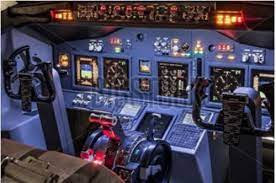
Flight simulators are invaluable tools for training in instrument flying. They provide a safe and controlled environment for students to practice flying in various weather conditions, honing their skills before taking to the actual skies.
Theoretical Knowledge and Practical Skills
A Diploma in Instrument Rating is a balanced mix of theoretical and practical training. Students must grasp the theory of instrument flying, meteorology, and air traffic control procedures, alongside hands-on experience in the cockpit.
Navigational Aids and Systems
Understanding the aircraft's navigational systems and aids is paramount for an instrument-rated pilot. These systems include GPS, VOR, and NDB, which are essential for navigating safely during low visibility conditions.
Weather and Its Impact on Instrument Rating
Weather conditions can change rapidly, and an instrument-rated pilot needs to be well-versed in reading weather reports and understanding how various weather phenomena can affect a flight.
Learning to Read Aviation Charts
Aviation charts are an essential tool for pilots. As part of their training, students learn to read these charts, which provide critical information about routes, navigation points, and obstacles.
The Role of ATC in Instrument Flight
Air Traffic Control (ATC) plays a significant role in instrument flying. Pilots must be able to communicate effectively with ATC to ensure safe and efficient navigation.
Hands-On Training and Flight Hours
Gaining experience in the cockpit is a core part of the training. Students accumulate a specific number of flight hours, honing their skills in different weather conditions.
Examination and Certification
After rigorous training, aspiring instrument-rated pilots must pass a challenging examination to obtain their Diploma in Instrument Rating.
Career Opportunities for Instrument-Rated Pilots
Instrument-rated pilots open doors to numerous career opportunities, including becoming commercial pilots, airline pilots, or even flight instructors.
Benefits of a Diploma in Instrument Rating
The benefits of holding a Diploma in Instrument Rating are substantial. It not only enhances a pilot's safety and proficiency but also increases their employability within the aviation industry.
How can I apply for admission to Diploma in instrument rating
To apply for admission to a Diploma in Instrument Rating program, follow these steps:
Research Accredited Flight Schools: Start by researching flight schools or aviation institutions that offer a Diploma in Instrument Rating. Ensure that the school you choose is accredited by the relevant aviation authority in your country.
Check Eligibility Requirements: Review the eligibility requirements for the program. Typically, you will need to have a Private Pilot License (PPL) or an equivalent pilot's license and meet specific medical standards.
Contact the Flight School: Once you have identified a suitable flight school, get in touch with them. You can usually find contact information on the school's website. Reach out to the admissions department for detailed information on the application process.
Submit an Application: The flight school will provide you with an application form. Fill out the form with accurate and complete information. You may also need to pay an application fee, so be prepared for that.
Provide Necessary Documents: Along with your application, you'll need to submit the required documents, which typically include:
Copy of your Private Pilot License (PPL)
Valid government-issued identification (passport, driver's license, etc.)
Educational certificates (high school diploma or equivalent)
Medical certificate from an authorized aviation medical examiner
Attend an Interview or Assessment: Some flight schools may require you to attend an interview or undergo an assessment to evaluate your suitability for the program.
Financial Planning: Calculate the total cost of the program, including tuition, flight hours, materials, and any additional fees. Ensure you have a clear financial plan in place to cover these expenses.
Apply for Financial Aid: If needed, explore financial aid options such as scholarships, grants, or loans to help finance your education.
Wait for Acceptance: After submitting your application and attending any required interviews or assessments, you'll need to wait for the school to process your application. This may take some time, so be patient.
Receive Acceptance Letter: If you are accepted into the program, you will receive an acceptance letter from the flight school. This letter will provide details on the start date of the program, tuition payment deadlines, and any other important information.
Enroll and Register: Follow the instructions in the acceptance letter to officially enroll in the Diploma in Instrument Rating program. This may involve paying a deposit or full tuition.
Begin Your Training: Once enrolled, you can start your training, which includes both theoretical and practical components. Be prepared to dedicate time and effort to successfully complete the program.
Remember that the application process and requirements may vary slightly depending on the flight school and the aviation authority in your region. It's essential to communicate with the school's admissions department to ensure you meet all the specific criteria and deadlines for admission to the Diploma in Instrument Rating program.
What is the eligibility for Diploma in instrument rating
The eligibility criteria for pursuing a Diploma in Instrument Rating may vary slightly depending on the flight school or aviation institution and the aviation authority in your country. However, here are some common eligibility requirements:
Private Pilot License (PPL): Typically, one of the primary prerequisites for enrolling in a Diploma in Instrument Rating program is holding a Private Pilot License (PPL). This license demonstrates that you have received the foundational training required for pilot certification.
Medical Certificate: You will need to obtain a medical certificate issued by an authorized aviation medical examiner. This certificate confirms that you are in good health and meet the medical standards required for pilot training.
Age Requirement: In most cases, you must be at least 17 years old to be eligible for a Private Pilot License (PPL), which is the foundational license for instrument rating training.
English Language Proficiency: Since aviation communication is primarily conducted in English, many institutions require applicants to demonstrate proficiency in the English language. This may involve passing an English language proficiency test or having a specific score on a recognized English language test, such as the IELTS or TOEFL.
High School Diploma or Equivalent: Some flight schools may require you to have a high school diploma or an equivalent educational qualification. This requirement ensures that you have a basic educational foundation.
Background Check: Flight schools may conduct background checks to ensure that applicants have no history of criminal activities or security concerns that could hinder their eligibility.
Financial Readiness: It's essential to be financially prepared to cover the costs associated with the Diploma in Instrument Rating program. This includes tuition fees, flight hours, materials, and other related expenses.
Interview or Assessment: Some institutions may require applicants to attend an interview or undergo an assessment to evaluate their suitability for the program. This can include testing your aptitude for aviation-related skills and knowledge.
Citizenship or Visa Status: Depending on your country and the institution, there may be citizenship or visa requirements for enrolling in a Diploma in Instrument Rating program. Some countries may restrict flight training to citizens or legal residents.
How long does it takes to complete a Diploma in instrument rating
The duration required to complete a Diploma in Instrument Rating can vary depending on several factors, including the flight school or institution offering the program, the individual student's progress, and the specific curriculum. However, a general estimate of the time it takes to complete a Diploma in Instrument Rating is as follows:
Full-Time Programs: For students who enroll in a full-time program, which typically involves a more concentrated schedule with more flight hours per week, it can take approximately 2 to 6 months to complete a Diploma in Instrument Rating. The duration may vary based on the specific curriculum and the flight school's policies.
Part-Time Programs: Part-time programs are designed for students who have other commitments, such as work or education, and can dedicate fewer hours to their flight training. In such cases, it may take longer to complete the program, usually extending to 6 months to a year or more.
Individual Progress: The pace at which a student progresses through the program can also impact the overall duration. Some students may learn and adapt more quickly, while others may require additional time to master the necessary skills.
Weather and Operational Factors: Weather conditions and operational factors can influence the flight schedule. Poor weather, maintenance issues, or other operational disruptions may lead to delays in training and impact the overall duration.
Academic and Flight Requirements: Meeting the academic and flight hour requirements is essential for obtaining a Diploma in Instrument Rating. Students must fulfill these requirements to be eligible for certification.
Examination and Certification: The time taken to complete the program may also depend on the scheduling of examinations and the availability of designated examiners.
It's important to note that the specific duration may vary from one flight school to another, and it's advisable to check with the flight school or institution where you plan to enroll for their program's duration and curriculum details. Additionally, the total time to complete the program may include both ground school (classroom instruction) and flight training, ensuring that students are well-prepared for instrument flight operations.
The key to a successful completion is dedication, commitment, and consistent progress in both the theoretical and practical aspects of the training.
What are potential career opportunities after Diploma in instrument rating
After obtaining a Diploma in Instrument Rating, there are various career opportunities available for pilots. This qualification enhances a pilot's skill set and employability, opening doors to a range of exciting and well-compensated aviation careers. Some potential career opportunities include:
Commercial Pilot: With an Instrument Rating, you can pursue a career as a commercial pilot, flying for regional or major airlines. Commercial pilots transport passengers or cargo, and they often have regular flight schedules.
Airline Pilot: Instrument-rated pilots are in high demand in the commercial airline industry. You can become an airline pilot, operating large passenger aircraft on domestic or international routes. Airline pilots typically enjoy competitive salaries and benefits.
Charter Pilot: Charter pilots fly private or corporate clients to their desired destinations on demand. This career offers flexibility and a diverse range of flight experiences.
Cargo Pilot: Many cargo airlines require pilots with Instrument Ratings to transport goods and packages. Cargo pilots may fly overnight and irregular schedules, but the job offers steady employment.
Flight Instructor: You can become a flight instructor, teaching aspiring pilots the skills required to obtain various pilot licenses, including Private Pilot Licenses (PPL) and Instrument Ratings. Flight instructors play a critical role in pilot training.
Corporate Pilot: Corporate pilots operate private aircraft for business executives or companies. This career can provide high salaries and the opportunity to travel globally.
Agricultural Pilot: Some agricultural operations use aircraft for tasks such as crop dusting. An Instrument Rating can be advantageous for these roles, especially if the aircraft are equipped with advanced navigation systems.
Government or Military Pilot: In some countries, government agencies or the military hire pilots with Instrument Ratings to operate aircraft for various purposes, including surveillance, transportation, and search and rescue missions.
Search and Rescue Pilot: Pilots involved in search and rescue missions require strong instrument flying skills, especially when conducting operations in adverse weather conditions or over challenging terrain.
Air Ambulance Pilot: Air ambulance services often employ instrument-rated pilots to transport critically ill or injured patients to medical facilities. This role can be emotionally rewarding and crucial for saving lives.
Corporate Jet Pilot: Corporate jet pilots operate private jets for high-net-worth individuals and corporate clients. This role offers a combination of luxury travel and professional flying.
Freight and Package Delivery Pilot: Companies like FedEx and UPS employ pilots to transport cargo and packages. This is a crucial role in global logistics.
Bush Pilot: In remote areas, bush pilots use small aircraft to transport people and supplies. They often need strong instrument flying skills to navigate challenging conditions.
Aerial Survey Pilot: Aerial survey pilots use instrument-rated aircraft to collect data and imagery for mapping, research, and environmental assessments.
Aviation Management: If you prefer a ground-based career, a Diploma in Instrument Rating can also open doors to aviation management positions, such as airport operations, air traffic control, or aviation safety.
These are just a few examples of the diverse career opportunities available to pilots with a Diploma in Instrument Rating. Your choice may depend on your interests, career goals, and the specific endorsements or additional training you receive after earning your Instrument Rating. It's important to research and network within the aviation industry to identify the best path for your career aspirations.
Syllabus of Diploma in instrument rating
The syllabus for a Diploma in Instrument Rating program can vary between different flight schools and institutions. However, I can provide a general overview of the topics and subjects that are typically covered throughout the program, organized by semester:
Semester 1: Basic Foundations
Introduction to Instrument Flight: An overview of the principles and importance of instrument flight.
Aviation Regulations: Understanding the regulatory framework governing instrument flight.
Aircraft Systems and Instruments: In-depth study of aircraft instruments and systems used in instrument flight.
Meteorology: Learning how weather conditions affect instrument flying and flight planning.
Air Traffic Control Procedures: Understanding communication with air traffic control during instrument flight.
Basic Navigation: Introduction to basic navigation aids and procedures for instrument pilots.
Semester 2: Intermediate Training
Advanced Navigation: In-depth navigation using instruments, including VOR, NDB, and GPS.
Instrument Approaches: Learning various instrument approach procedures, such as ILS, VOR, and GPS approaches.
Airspace and Air Traffic Control: Detailed knowledge of airspace classifications and interactions with ATC.
Flight Planning and Cross-Country Navigation: Planning and executing cross-country flights under instrument flight rules.
Emergency Procedures: Handling emergencies and abnormal situations in instrument conditions.
Flight Simulators: Extensive training using flight simulators to practice instrument flight in various scenarios.
Semester 3: Advanced Instrument Rating
IFR Regulations and Procedures: In-depth study of IFR regulations, filing IFR flight plans, and flight plan execution.
Advanced Weather Analysis: Comprehensive knowledge of weather systems, interpreting METAR and TAF reports, and making weather-related decisions.
High-Altitude Operations: Training for high-altitude instrument flight, including oxygen use and hypoxia awareness.
Crew Resource Management (CRM): Learning effective communication and decision-making in the cockpit.
Instrument Rating Checkride Preparation: Preparing for the instrument rating checkride, including mock checkrides and oral examinations.
Instrument Rating Checkride: Taking the practical test to obtain the instrument rating.
Please note that the specific content, sequence, and duration of each semester can vary based on the flight school's curriculum and local aviation authority requirements. Flight schools often align their syllabus with the standards and guidelines set by the aviation authority governing pilot training in their region.
Prospective students should consult with the specific flight school or institution they plan to attend for detailed information on the curriculum, course duration, and prerequisites. Additionally, the program may include additional ground school lessons, flight hours, and training sessions to meet the required knowledge and flight experience for instrument rating certification.
Internship opportunities after completing Diploma in instrument rating
After completing a Diploma in Instrument Rating, aspiring pilots have several internship opportunities that can help them gain valuable experience and further their careers. These internships provide a platform for newly certified instrument-rated pilots to apply their skills, build flight hours, and network within the aviation industry. Here are some internship possibilities:
Flight Instructor Internship: Many flight schools offer opportunities for newly certified pilots to intern as flight instructors. This role allows you to teach student pilots, helping them earn their private pilot licenses and instrument ratings. It's an excellent way to consolidate your knowledge, enhance your teaching skills, and accumulate flight hours.
Pipeline Patrol and Aerial Survey Internship: Some companies involved in pipeline patrol, aerial surveying, and geospatial data collection offer internships for instrument-rated pilots. You'll have the chance to fly missions that involve monitoring pipelines, capturing aerial imagery, and collecting survey data. These internships can provide unique flying experiences.
Banner Towing and Aerial Advertising Internship: Banner towing companies and aerial advertising agencies often hire interns to fly banners or advertising messages behind aircraft. It's a hands-on flying experience and a way to gain flight hours while performing specialized operations.
Skydiving Pilot Internship: Drop zones and skydiving centers may have internship programs for pilots interested in flying jump aircraft. You'll be responsible for safely transporting skydivers to altitude and managing the aircraft during jumps. This is an exciting and challenging internship for those who enjoy aerial sports.
Traffic Watch and News Reporting Internship: Some media organizations hire instrument-rated pilots for their traffic watch and news reporting operations. As an intern, you may fly over urban areas, reporting on traffic conditions, accidents, and news events from the air.
Charter and Air Taxi Internship: Charter and air taxi companies may offer internships for new pilots. You could assist with various charter flights, including passenger transport and cargo services, which is an excellent opportunity to gain multi-engine and instrument flight experience.
Crop Dusting Internship: Agricultural aviation companies hire interns for crop-dusting operations. You'll be responsible for applying pesticides or fertilizers to crops from the air. This internship provides valuable flying experience, particularly in low-level flight operations.
Regional Airline Internship: Some regional airlines have internship programs that allow newly certified pilots to gain experience on regional routes. This can be a stepping stone to a career as an airline pilot.
Cargo Airline Internship: Cargo airlines also offer internship opportunities for pilots interested in the cargo sector. You may assist with cargo loading and unloading, flight planning, and flying cargo routes.
Air Ambulance Internship: Air ambulance services sometimes have intern positions for pilots. This role involves transporting patients to medical facilities and may require night flight operations.
When pursuing internships after completing a Diploma in Instrument Rating, it's essential to research and network within the aviation industry to identify available opportunities. Additionally, some internships may be paid, while others are unpaid or provide stipends. Be sure to consider factors such as location, compensation, and the type of flying experience you want to gain when choosing an internship.
Scholorship and grants for Diploma in instrument rating
Scholarships and grants for a Diploma in Instrument Rating are available to help offset the costs of pilot training. These financial aids are typically offered by various organizations, including aviation associations, foundations, flight schools, and government agencies. Here are some options to explore:
Aircraft Owners and Pilots Association (AOPA) Scholarships: AOPA offers several scholarships to aspiring pilots, including those pursuing instrument ratings. These scholarships are aimed at helping individuals achieve their aviation goals.
Women in Aviation International (WAI) Scholarships: WAI offers scholarships to women pursuing careers in aviation, including instrument rating programs. These scholarships cover a range of aviation-related training and education expenses.
Veterans Benefits: If you are a veteran or an active-duty military member, you may be eligible for educational benefits through the GI Bill or other military educational assistance programs. These benefits can be applied toward flight training, including instrument rating programs.
Flight School Scholarships: Many flight schools and aviation institutions offer their own scholarships to students. Check with the specific school you plan to attend for information on scholarships they may offer.
Government Grants and Loans: Some governments offer grants or loans to support pilot training and education. Check with your local aviation authority or education department for available opportunities.
EAA Scholarships: The Experimental Aircraft Association (EAA) offers scholarships to young aviation enthusiasts and students. These scholarships may cover various aspects of aviation training, including instrument rating programs.
Aircraft Manufacturers and Organizations: Aircraft manufacturers, such as Boeing and Airbus, often provide scholarships and financial support to aspiring pilots. Additionally, aviation organizations like the Ninety-Nines may offer scholarships.
Local Aviation Groups: Local aviation clubs and organizations in your area may have scholarships or financial assistance programs for aspiring pilots.
State-Specific Programs: Some U.S. states offer specific financial aid or scholarships for aviation students. Be sure to research your state's resources.
Financial Institutions: Some financial institutions and banks offer student loans or lines of credit tailored to aviation training. These loans can help cover the costs of your instrument rating program.
When applying for scholarships and grants, consider the following tips:
Carefully read the eligibility criteria for each scholarship or grant to ensure you meet the requirements.
Prepare a well-structured application with a strong personal statement detailing your commitment to aviation and your career goals.
Gather your academic records, references, and any relevant documents to support your application.
Apply for multiple scholarships to increase your chances of receiving financial aid.
Remember that scholarship availability and eligibility criteria can change, so it's important to stay updated with the latest opportunities and deadlines. Additionally, reach out to aviation schools and organizations for guidance on finding suitable scholarships for your Diploma in Instrument Rating program.
Conclusion
In conclusion, a Diploma in Instrument Rating is a vital step for any aspiring pilot. It equips them with the skills and knowledge needed to ensure safe flights, even in challenging weather conditions. The aviation industry highly values instrument-rated pilots, making this qualification a valuable asset to any aviation career.
FAQs
Is Instrument Rating only for aspiring airline pilots?
No, Instrument Rating is not limited to aspiring airline pilots. It is a valuable qualification for any pilot who wishes to enhance their skills and safety, regardless of their career goals.
How long does it take to complete a Diploma in Instrument Rating?
The duration of the program can vary, but it typically takes several months to complete the training and earn the diploma.
What are the medical requirements for pursuing an Instrument Rating?
Applicants should meet the medical standards set by aviation authorities, which may include a medical examination by an authorized aviation medical examiner.
Can I learn instrument flying without a Private Pilot License (PPL)?
Generally, a PPL is a prerequisite for pursuing an Instrument Rating, as it forms the foundation for advanced flight training.
Are there age restrictions for obtaining an Instrument Rating?
There are no specific age restrictions, but applicants should be at least 17 years old to qualify for a Private Pilot License, which is a prerequisite for Instrument Rating training.
How Shiksha Hub helps you in
-
 Student Counsellors
 -
 Career Counseling
 -
 Research
 -
 24/7 Support
 -
 Scholarships
 -
 Community