Posted by Admin on 29-07-2023 in Shiksha hub
Diploma in Medical Records and Health Information Introduction, Admission, Registration, Eligibility, Duration, Fees, Syllabus 2024
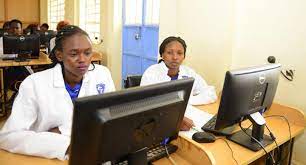
Introduction about Diploma in Medical Records and Health Information
The healthcare sector is a dynamic and evolving field, where accurate information plays a pivotal role in ensuring patient safety and quality care. In this context, the role of professionals trained in medical records and health information management is crucial. Let's delve into the world of a Diploma in Medical Records and Health Information, exploring its significance, curriculum, skills acquired, job prospects, and more.
Definition of Medical Records and Health Information
In the intricate web of healthcare, medical records and health information serve as the backbone. These encompass patient histories, diagnoses, medications, treatment plans, immunization dates, allergies, radiology images, and laboratory test results, creating a comprehensive narrative of an individual's health.
Importance of Proper Documentation in Healthcare
Accurate and organized documentation is not just a bureaucratic necessity; it's a lifeline. It ensures seamless communication among healthcare providers, maintains a historical record of patient health, aids in research, and, most importantly, safeguards patient well-being.
Significance of Diploma in Medical Records and Health Information
Overview of the Diploma Program
A Diploma in Medical Records and Health Information is designed to equip individuals with the knowledge and skills required to manage health information effectively. This program delves into the intricacies of health information systems, data analysis, and the legal aspects of medical records management.
Career Opportunities
Graduates of this diploma program find themselves well-positioned for a variety of roles, including Health Information Technician, Medical Records Coordinator, and Coding Specialist. The demand for these professionals is on the rise, making it a promising career path for those with an eye for detail and a passion for healthcare.
Curriculum Highlights
Core Subjects Covered
The curriculum typically covers a spectrum of subjects, including medical coding, health informatics, data management, and legal aspects of health information. Students gain a holistic understanding of the field, blending theoretical knowledge with practical applications.
Practical Training Components
Beyond textbooks, the program often includes hands-on training, allowing students to navigate real-world scenarios. This practical experience enhances their ability to handle diverse challenges in a dynamic healthcare environment.
Skills Acquired
Analytical Skills
Diving into medical records requires a keen analytical mind. Diploma holders develop the ability to decipher complex information, ensuring accuracy and relevance in every record they handle.
Attention to Detail
The devil is in the details, especially in healthcare. The program instills a meticulous approach, emphasizing the importance of capturing even the minutest details to paint a comprehensive picture of a patient's health history.
Technological Proficiency
In an era dominated by technology, health information management is no exception. Graduates emerge with a solid grasp of health information systems, data analytics tools, and electronic health records, staying abreast of the latest technological advancements.
Job Prospects
Demand for Health Information Technicians
With the increasing digitization of healthcare records, the demand for skilled Health Information Technicians is soaring. These professionals play a pivotal role in ensuring the integrity and accessibility of health information.
Career Growth Opportunities
The diploma not only opens doors but also paves the way for career advancement. Health Information Technicians can climb the professional ladder, taking on roles such as Health Information Manager or Director of Health Information Services.
Industry Relevance
Impact on Healthcare System
Professionals trained in medical records and health information contribute significantly to the efficiency of the healthcare system. Streamlining information flow enhances collaboration among healthcare providers, ultimately benefiting patient care.
Contribution to Patient Care
Beyond administrative functions, these professionals indirectly contribute to patient care. Accurate and readily available health information ensures that healthcare providers make informed decisions, improving the overall quality of care.
Challenges and Solutions
Handling Confidential Information
One of the challenges in health information management is the need to handle sensitive and confidential information. The diploma program addresses this by instilling ethical standards and emphasizing the importance of privacy laws and regulations.
Technological Advancements and Continuous Learning
The rapid pace of technological advancements requires professionals to stay updated. The program equips graduates with a mindset for continuous learning, ensuring they can adapt to evolving technologies seamlessly.
Future Trends
Integration of AI in Health Information Management
The future of health information management is intertwined with artificial intelligence. From automating routine tasks to predicting health trends, AI is set to revolutionize the field, and diploma holders will play a crucial role in harnessing this technology responsibly.
Evolving Role of Health Information Technicians
As healthcare evolves, so does the role of Health Information Technicians. Beyond data management, they are becoming integral in strategic decision-making, leveraging data to enhance patient outcomes and organizational efficiency.
Success Stories
Real-Life Experiences of Diploma Graduates
The success stories of diploma graduates paint a vivid picture of the impact they can make in the healthcare industry. From improving data accuracy to streamlining information flow, their contributions are invaluable.
Positive Impact on Healthcare Organizations
Healthcare organizations that embrace professionals with a diploma in medical records and health information witness positive transformations. Streamlined processes, improved data accuracy, and enhanced decision-making are just a few of the benefits.
How can I apply for admission to Diploma in Medical Records and Health Information
Admission Requirements
Educational Background
To embark on the journey of a Diploma in Medical Records and Health Information, you need to meet specific educational requirements. Most programs typically require a high school diploma or its equivalent. Some institutions may also consider relevant coursework in biology, anatomy, or health sciences as beneficial.
Prerequisites for Enrollment
Before submitting your application, ensure you have the necessary prerequisites. These may include transcripts, letters of recommendation, and a personal statement expressing your interest in the field. Some programs may also require a background check due to the sensitive nature of handling health information.
Tips for Success
Effective Study Strategies
Navigating the curriculum of a medical records and health information program requires effective study strategies. Develop a study schedule, stay organized, and engage in active learning. Seek assistance from professors or peers when needed, fostering a collaborative learning environment.
Networking and Professional Development
Building a network within the healthcare industry is crucial. Attend seminars, workshops, and industry events to connect with professionals in the field. Additionally, consider joining relevant professional organizations to stay updated on industry trends and job opportunities.
Industry Partnerships
Collaborations with Healthcare Institutions
Many diploma programs establish partnerships with healthcare institutions, offering students valuable opportunities for internships and practical experience. Take advantage of these collaborations to gain firsthand knowledge of the industry and build a foundation for your future career.
Internship Opportunities
Internships are a vital component of the diploma program. They provide a bridge between classroom learning and real-world application. Seek out internships that align with your interests and career goals, as they can significantly enhance your resume and open doors for future employment.
Cost and Financial Aid
Tuition Fees
Understand the financial aspects of pursuing a diploma in medical records and health information. Research tuition fees for the program and factor in additional costs such as textbooks and materials. Create a budget to ensure you can comfortably manage your educational expenses.
Availability of Scholarships
Explore scholarship opportunities that may be available to you. Many institutions and external organizations offer scholarships for students pursuing careers in healthcare. Investigate the eligibility criteria and application process for these scholarships to ease the financial burden of your education.
What is the eligibility for Diploma in Medical Records and Health Information
Admission Requirements
Educational Background
To qualify for enrollment in a Diploma in Medical Records and Health Information program, candidates must meet specific educational criteria:
High School Diploma or Equivalent: Typically, applicants should possess a high school diploma or an equivalent qualification, such as a GED (General Educational Development) certificate.
Relevant Coursework: Some programs may prefer candidates with a background in biology, anatomy, or health sciences. While not always mandatory, these courses can strengthen your application.
Prerequisites for Enrollment
Before applying, ensure you have the necessary prerequisites:
Transcripts: Prepare your high school transcripts to demonstrate your academic history and qualifications.
Letters of Recommendation: Some institutions may require letters of recommendation. These letters should ideally come from teachers, employers, or individuals who can attest to your academic or professional abilities.
Personal Statement: Craft a compelling personal statement expressing your interest in pursuing a career in medical records and health information. Highlight your passion, relevant experiences, and reasons for choosing this field.
Background Check: Due to the sensitive nature of handling health information, certain programs may require applicants to undergo a background check.
Tips for Success
Effective Study Strategies
Maximize your chances of success by adopting effective study strategies:
Study Schedule: Develop a realistic study schedule to manage coursework efficiently.
Organization: Stay organized by keeping track of assignments, deadlines, and important dates.
Active Learning: Engage in active learning techniques, such as group discussions, practical exercises, and hands-on projects.
Networking and Professional Development
Enhance your educational journey through networking and professional development:
Attend Events: Participate in seminars, workshops, and industry events to connect with professionals in the healthcare field.
Join Organizations: Consider joining relevant professional organizations related to health information management. This provides opportunities for networking and staying updated on industry trends.
Industry Partnerships
Collaborations with Healthcare Institutions
Take advantage of collaborations between educational institutions and healthcare organizations:
Internship Opportunities: Seek out internship opportunities facilitated through these collaborations to gain practical experience in real-world healthcare settings.
Practical Experience: Internships provide invaluable practical experience and insights into the daily operations of health information management.
Internship Opportunities
Bridge to Employment: Internships serve as a bridge between academic learning and professional employment, offering a chance to apply theoretical knowledge in practical scenarios.
Resume Enhancement: Successfully completing internships enhances your resume, making you a more competitive candidate in the job market.
How long does it takes to complete a Diploma in Medical Records and Health Information
Duration of the Program
Typical Duration
The completion time for a Diploma in Medical Records and Health Information varies depending on the institution and program structure. However, a general overview indicates that most diploma programs in this field have a duration ranging from:
One to Two Years: The majority of programs fall within the one to two-year timeframe. This duration allows students to delve into the comprehensive curriculum, covering various aspects of medical records and health information management.
Program Flexibility
Part-Time Options: Some institutions may offer part-time options, allowing students to extend the program duration while balancing other commitments.
Accelerated Programs: On the other hand, accelerated programs might condense the curriculum into a shorter timeframe for those looking to expedite their education.
Admission Requirements
Educational Background
To qualify for enrollment in a Diploma in Medical Records and Health Information program, candidates must meet specific educational criteria:
High School Diploma or Equivalent: Typically, applicants should possess a high school diploma or an equivalent qualification, such as a GED (General Educational Development) certificate.
Relevant Coursework: Some programs may prefer candidates with a background in biology, anatomy, or health sciences. While not always mandatory, these courses can strengthen your application.
Prerequisites for Enrollment
Before applying, ensure you have the necessary prerequisites:
Transcripts: Prepare your high school transcripts to demonstrate your academic history and qualifications.
Letters of Recommendation: Some institutions may require letters of recommendation. These letters should ideally come from teachers, employers, or individuals who can attest to your academic or professional abilities.
Personal Statement: Craft a compelling personal statement expressing your interest in pursuing a career in medical records and health information. Highlight your passion, relevant experiences, and reasons for choosing this field.
Background Check: Due to the sensitive nature of handling health information, certain programs may require applicants to undergo a background check.
Tips for Success
Effective Study Strategies
Maximize your chances of success by adopting effective study strategies:
Study Schedule: Develop a realistic study schedule to manage coursework efficiently.
Organization: Stay organized by keeping track of assignments, deadlines, and important dates.
Active Learning: Engage in active learning techniques, such as group discussions, practical exercises, and hands-on projects.
Networking and Professional Development
Enhance your educational journey through networking and professional development:
Attend Events: Participate in seminars, workshops, and industry events to connect with professionals in the healthcare field.
Join Organizations: Consider joining relevant professional organizations related to health information management. This provides opportunities for networking and staying updated on industry trends.
Industry Partnerships
Collaborations with Healthcare Institutions
Take advantage of collaborations between educational institutions and healthcare organizations:
Internship Opportunities: Seek out internship opportunities facilitated through these collaborations to gain practical experience in real-world healthcare settings.
Practical Experience: Internships provide invaluable practical experience and insights into the daily operations of health information management.
Internship Opportunities
Bridge to Employment: Internships serve as a bridge between academic learning and professional employment, offering a chance to apply theoretical knowledge in practical scenarios.
Resume Enhancement: Successfully completing internships enhances your resume, making you a more competitive candidate in the job market.
What are potential career opportunities after Diploma in Medical Records and Health Information
Job Prospects
Demand for Health Information Technicians
Upon successfully completing a Diploma in Medical Records and Health Information, a myriad of exciting career opportunities awaits. The demand for Health Information Technicians is on the rise, and these professionals play a crucial role in ensuring the integrity and accessibility of health information.
Career Growth Opportunities
Health Information Technician: As an entry-level role, you can start your career as a Health Information Technician. In this position, you'll be responsible for organizing and managing health information data.
Medical Records Coordinator: With experience, you can advance to the role of a Medical Records Coordinator. This position involves overseeing the organization and accuracy of patient records within a healthcare facility.
Coding Specialist: Specializing in medical coding is another avenue. Coding Specialists assign codes to diagnoses and procedures, ensuring accurate billing and reimbursement for healthcare services.
Industry Relevance
Impact on Healthcare System
Professionals trained in medical records and health information contribute significantly to the efficiency of the healthcare system. By ensuring accurate and accessible information, they streamline communication among healthcare providers, ultimately benefiting patient care.
Contribution to Patient Care
Beyond administrative functions, these professionals indirectly contribute to patient care. Accurate and readily available health information ensures that healthcare providers make informed decisions, improving the overall quality of care.
Challenges and Solutions
Handling Confidential Information
One of the challenges in health information management is the need to handle sensitive and confidential information. The diploma program addresses this by instilling ethical standards and emphasizing the importance of privacy laws and regulations.
Technological Advancements and Continuous Learning
The rapid pace of technological advancements requires professionals to stay updated. The program equips graduates with a mindset for continuous learning, ensuring they can adapt to evolving technologies seamlessly.
Future Trends
Integration of AI in Health Information Management
The future of health information management is intertwined with artificial intelligence. From automating routine tasks to predicting health trends, AI is set to revolutionize the field, and diploma holders will play a crucial role in harnessing this technology responsibly.
Evolving Role of Health Information Technicians
As healthcare evolves, so does the role of Health Information Technicians. Beyond data management, they are becoming integral in strategic decision-making, leveraging data to enhance patient outcomes and organizational efficiency.
Success Stories
Real-Life Experiences of Diploma Graduates
The success stories of diploma graduates paint a vivid picture of the impact they can make in the healthcare industry. From improving data accuracy to streamlining information flow, their contributions are invaluable.
Positive Impact on Healthcare Organizations
Healthcare organizations that embrace professionals with a diploma in medical records and health information witness positive transformations. Streamlined processes, improved data accuracy, and enhanced decision-making are just a few of the benefits.
Accreditation and Certification
Importance of Accredited Programs
Opting for an accredited program ensures that your diploma is recognized and respected in the healthcare industry. Accreditation is a testament to the program's commitment to meeting rigorous standards.
Certification as a Professional Edge
Consider obtaining certification as a Health Information Technician (RHIT) or a Certified Coding Specialist (CCS). These certifications enhance your professional credibility and may open doors to advanced career opportunities.
Syllabus of Diploma in Medical Records and Health Information
Diploma in Medical Records and Health Information Syllabus
Semester 1: Foundation of Health Information Management
Course 1: Introduction to Healthcare Systems
Overview of healthcare structures
Legal and ethical considerations in healthcare
Introduction to health information management
Course 2: Anatomy and Physiology Basics
Fundamentals of human anatomy and physiology
Terminology related to body systems
Understanding the relevance to health records
Course 3: Medical Terminology
Comprehensive study of medical language
Understanding prefixes, suffixes, and root words
Application in health information management
Course 4: Introduction to Medical Coding
Basics of medical coding systems (ICD-10, CPT)
Coding conventions and guidelines
Practical coding exercises
Semester 2: Health Information Systems and Data Management
Course 1: Health Information Technology
Introduction to health information systems
Electronic health records (EHR) and their implementation
Role of technology in health information management
Course 2: Data Management and Analysis
Principles of data collection and analysis
Health data standards and classifications
Data integrity and security
Course 3: Healthcare Quality Improvement
Basics of quality improvement in healthcare
Measurement and evaluation of healthcare quality
Role of health information management in quality improvement
Course 4: Health Information Privacy and Security
HIPAA regulations and compliance
Safeguarding patient information
Security measures in health information management
Semester 3: Practical Application and Advanced Topics
Course 1: Clinical Documentation Improvement
Strategies for improving clinical documentation
Relationship between accurate documentation and patient care
Practical exercises in documentation improvement
Course 2: Advanced Medical Coding
In-depth study of coding scenarios and specialties
Advanced coding techniques and challenges
Case studies and practical coding applications
Course 3: Health Information Management Ethics
Ethical considerations in health information management
Professional standards and responsibilities
Case discussions and ethical dilemmas
Course 4: Internship and Practical Training
Hands-on experience in healthcare settings
Application of knowledge and skills in a real-world environment
Supervised internship with healthcare institutions
Semester 4: Specialization and Capstone Project
Course 1: Specialization in Health Information Management
Elective courses based on student interests (e.g., cancer registry, informatics)
Specialized training and projects
Course 2: Capstone Project
Integration of knowledge and skills acquired throughout the program
Research project or practical application in a chosen area of health information management
Presentation of findings and recommendations
Internship opportunities after completing Diploma in Medical Records and Health Information
Completing a Diploma in Medical Records and Health Information opens doors to valuable internship opportunities, providing students with hands-on experience in real-world healthcare settings. These internships are crucial for applying theoretical knowledge, developing practical skills, and establishing a bridge between academic learning and professional practice.
Health Information Departments in Hospitals
Description: Many hospitals have dedicated health information departments where interns can gain practical experience in managing patient records, ensuring data accuracy, and navigating health information systems.
Roles and Responsibilities:
Organizing and updating patient records.
Assisting with the implementation of electronic health records (EHR).
Participating in coding and classification activities.
Medical Coding Agencies or Companies
Description: Interning with medical coding agencies or companies provides exposure to the intricacies of coding procedures and diagnoses, ensuring accurate billing and compliance with coding standards.
Roles and Responsibilities:
Coding medical procedures and diagnoses.
Reviewing documentation for coding accuracy.
Learning about coding software and tools.
Healthcare Consulting Firms
Description: Interning with healthcare consulting firms offers a broader perspective on health information management, including quality improvement initiatives and regulatory compliance.
Roles and Responsibilities:
Contributing to healthcare quality improvement projects.
Assisting in audits to ensure compliance with healthcare regulations.
Participating in consulting activities related to health information systems.
Government Health Agencies
Description: Internships with government health agencies provide exposure to public health initiatives, health data analysis, and policy implementation.
Roles and Responsibilities:
Analyzing health data for public health research.
Contributing to health information policy development.
Participating in health information system projects.
Research Institutions
Description: Interning with research institutions allows students to engage in health information research projects, contributing to advancements in the field.
Roles and Responsibilities:
Assisting in research design and data collection.
Analyzing health information data for research purposes.
Collaborating with researchers on publications.
Insurance Companies
Description: Internships with insurance companies provide insight into the role of health information management in the insurance and reimbursement process.
Roles and Responsibilities:
Verifying and validating health information for insurance claims.
Understanding the relationship between health information accuracy and reimbursement.
Long-Term Care Facilities
Description: Interning in long-term care facilities offers a unique perspective on health information management in settings outside of traditional hospitals.
Roles and Responsibilities:
Managing health records for long-term care residents.
Participating in data management for resident care planning.
Pharmaceutical Companies
Description: Interning with pharmaceutical companies allows students to explore health information management in the context of clinical trials and drug development.
Roles and Responsibilities:
Supporting health information needs in clinical trial settings.
Ensuring compliance with regulatory requirements.
Scholarships and Grants for Diploma in Medical Records and Health Information
Pursuing a Diploma in Medical Records and Health Information can be financially supported through various scholarships and grants. These opportunities aim to alleviate the financial burden of education and encourage individuals to pursue careers in health information management. Here are some noteworthy options:
AHIMA Foundation Merit Scholarship
Description: The American Health Information Management Association (AHIMA) Foundation offers merit scholarships for students pursuing degrees or diplomas in health information management.
Eligibility:
Enrolled in an AHIMA-approved program.
Demonstrated academic excellence.
Active involvement in extracurricular activities.
Health Professions Education Foundation (HPEF) Scholarships
Description: HPEF provides scholarships for students pursuing health professions, including health information management. These scholarships are designed to support individuals committed to serving in underserved communities.
Eligibility:
California resident.
Enrolled in an eligible health professions program.
Commitment to practicing in underserved areas.
AHIMA Foundation Veteran's Scholarship Program
Description: AHIMA Foundation's Veteran's Scholarship Program is specifically designed for military veterans pursuing education in health information management. It aims to support veterans transitioning to civilian careers in healthcare.
Eligibility:
Military veteran.
Enrolled in an AHIMA-approved program.
Demonstrated commitment to the field.
The Health Information Management Systems Society (HIMSS) Foundation Scholarships
Description: HIMSS Foundation provides scholarships to students pursuing degrees or diplomas in health information management. These scholarships focus on supporting future leaders in healthcare information and technology.
Eligibility:
Enrolled in a health information management program.
Active HIMSS membership.
Demonstrated commitment to the field.
AHIMA Foundation's Julie and George Brengel Memorial Scholarship
Description: This scholarship, offered by AHIMA Foundation, is dedicated to students pursuing a degree or diploma in health information management with a focus on cancer registry management.
Eligibility:
Enrolled in an AHIMA-approved program.
Demonstrated interest in cancer registry management.
State-Specific Grants for Healthcare Education
Description: Some states offer grants or financial aid programs for individuals pursuing healthcare education, including health information management diplomas. These grants are often administered through state departments of education or health.
Eligibility:
State residency.
Enrolled in an eligible healthcare program.
Local Healthcare Organizations and Foundations
Description: Many local healthcare organizations and foundations offer scholarships or grants to students pursuing healthcare-related education. These opportunities may be specific to health information management or broader healthcare fields.
Eligibility:
Varies based on the specific organization's criteria.
Demonstrated commitment to healthcare.
Conclusion: Diploma in Medical Records and Health Information
Embarking on the journey of earning a Diploma in Medical Records and Health Information is not just a step towards education; it's a gateway to a dynamic and impactful career within the healthcare landscape. This comprehensive program equips individuals with the knowledge, skills, and practical experiences necessary to navigate the intricacies of health information management. As we draw our conclusions, let's reflect on key aspects of this educational endeavor.
FAQ,s
Is a Diploma in Medical Records and Health Information a Recognized Qualification?
Yes, a diploma in medical records and health information is widely recognized within the healthcare industry. It serves as a valuable qualification, opening doors to various career opportunities in health information management.
What is the Typical Duration of a Diploma Program in Medical Records and Health Information?
The duration of a diploma program in medical records and health information varies, but it is often around one to two years, depending on the institution. Some programs may offer flexible part-time options.
Can I Pursue Further Studies After Completing the Diploma?
Absolutely. Many diploma holders choose to advance their education by pursuing a degree in health information management or related fields. Further studies can enhance career prospects and open doors to higher-level positions.
Are There Online Options for Obtaining a Diploma in This Field?
Yes, some institutions offer online diploma programs in medical records and health information. Online options provide flexibility for individuals with busy schedules, allowing them to pursue education while managing other commitments.
What are the Key Skills Employers Look for in Health Information Technicians?
Employers seek skills such as attention to detail, analytical thinking, technological proficiency, and a strong understanding of healthcare regulations. Effective communication and the ability to work in a team are also highly valued.
How Does the Program Address Challenges in Handling Confidential Information?
The program addresses challenges related to handling confidential information by instilling ethical standards and emphasizing the importance of privacy laws and regulations. Students are trained to become responsible stewards of sensitive health information.
What Role Does AI Play in the Future of Health Information Management?
The future of health information management is expected to involve the integration of artificial intelligence (AI). AI can automate routine tasks, predict health trends, and revolutionize the field. Graduates are prepared to responsibly harness AI technology.
How Does the Program Prepare Students for Continuous Learning?
The program fosters a mindset for continuous learning by keeping students updated on technological advancements and industry trends. Emphasis is placed on adaptability, ensuring that graduates can stay abreast of evolving healthcare technologies.
Are Professional Certifications Important for Career Advancement?
Yes, obtaining professional certifications such as RHIT (Registered Health Information Technician) or CCS (Certified Coding Specialist) can significantly enhance professional credibility. Certifications may also open doors to advanced career opportunities.
Are There Financial Aid Options for Students Pursuing the Diploma?
Yes, various financial aid options, including scholarships and grants, are available for students pursuing a diploma in medical records and health information. Students are encouraged to explore these opportunities to alleviate educational expenses.
How Shiksha Hub helps you in
-
 Student Counsellors
 -
 Career Counseling
 -
 Research
 -
 24/7 Support
 -
 Scholarships
 -
 Community