Posted by Admin on 28-07-2023 in Shiksha hub
Diploma in Physician Assistant Introduction, Admission, Registration, Eligibility, Duration, Fees, Syllabus 2024
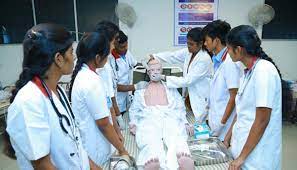
Introduction about Diploma in Physician Assistant
The field of healthcare is ever-evolving, with various roles and professions contributing to patient care. One such crucial role is that of a Physician Assistant (PA). In this article, we'll explore the world of a Physician Assistant, focusing on the advantages and challenges of pursuing a diploma in this field.
Definition of a Physician Assistant
A Physician Assistant, commonly known as a PA, is a healthcare professional who practices medicine under the supervision of licensed physicians. PAs are trained to examine patients, diagnose illnesses, and provide treatment plans, making them indispensable members of the healthcare team.
Significance of Pursuing a Diploma in Physician Assistant
Embarking on a journey to become a Physician Assistant starts with a comprehensive education. Pursuing a diploma in this field opens doors to a fulfilling career in healthcare, with a focus on practical skills and hands-on experience.
Journey to Becoming a Physician Assistant
Academic Requirements
To become a PA, aspiring candidates need to fulfill specific academic prerequisites. These typically include a strong foundation in biological sciences, chemistry, and healthcare-related courses. Additionally, completing a recognized diploma program is a crucial step toward achieving this career goal.
Practical Training
A significant aspect of a PA's education involves practical training. Diploma programs often incorporate clinical rotations, allowing students to apply theoretical knowledge in real-world healthcare settings. This hands-on experience is invaluable in preparing PAs for the challenges they'll face in their professional careers.
Certification Process
Upon completing the diploma program, aspiring PAs need to pass the Physician Assistant National Certifying Exam (PANCE) to obtain certification. This rigorous examination assesses their medical knowledge and readiness to practice as qualified healthcare professionals.
Scope and Opportunities
Diverse Job Settings
PAs have the flexibility to work in various healthcare settings, including hospitals, clinics, and even surgical environments. Their adaptability makes them valuable assets in meeting the diverse needs of the healthcare industry.
Growing Demand in the Healthcare Industry
The demand for qualified healthcare professionals, including PAs, is on the rise. As the population ages and healthcare needs expand, PAs play a crucial role in bridging the gap between patient care and physician services.
Specializations within the Field
Physician Assistants have the option to specialize in specific areas of medicine, such as surgery, emergency medicine, or pediatrics. This specialization allows them to focus on their areas of interest and expertise.
Key Skills and Qualities
Compassion and Empathy
One of the essential qualities of a successful PA is the ability to empathize with patients. PAs often work closely with individuals facing health challenges, and a compassionate approach enhances the quality of patient care.
Decision-Making Abilities
PAs are trained to make critical decisions in fast-paced environments. Developing strong decision-making skills is crucial, as they often collaborate with physicians to determine the best course of action for patient treatment.
Effective Communication Skills
Clear communication is fundamental in the healthcare field. PAs need to communicate with patients, colleagues, and other healthcare professionals effectively. This skill ensures a smooth flow of information, contributing to optimal patient outcomes.
Challenges Faced in the Profession
Balancing Work and Personal Life
The demanding nature of healthcare professions, including being a PA, can pose challenges in maintaining a healthy work-life balance. Strategies for self-care and time management are essential for navigating these challenges successfully.
Coping with High-Pressure Situations
PAs often find themselves in high-pressure situations, especially in emergency medicine or surgical settings. Learning to cope with stress and making well-informed decisions under pressure are crucial aspects of their professional development.
Continuous Learning and Skill Enhancement
The healthcare landscape evolves rapidly, with new medical advancements and technologies emerging regularly. PAs need to embrace a mindset of continuous learning to stay abreast of these changes and provide the best possible care to their patients.
Advantages of Pursuing a Diploma
Shorter Duration Compared to Degree Programs
One of the primary advantages of opting for a diploma in Physician Assistant studies is the shorter duration of the program. Diploma programs are designed to provide focused education, allowing graduates to enter the workforce sooner than their counterparts pursuing more extended degree programs.
Cost-Effective Education
Diploma programs are often more cost-effective than traditional degree programs. This affordability makes pursuing a diploma in Physician Assistant studies an attractive option for individuals looking to start their careers in healthcare without accumulating substantial student loan debt.
Entry into the Workforce Sooner
With a diploma in hand, aspiring PAs can enter the workforce sooner than those pursuing extensive degree programs. This early entry allows them to start gaining valuable practical experience and contributing to patient care more quickly.
Real-Life Experiences of Physician Assistants
Success Stories
How to Apply for Admission to a Diploma in Physician Assistant Program
In your pursuit of a rewarding career as a Physician Assistant (PA), the first step is gaining admission to a reputable diploma program. The application process is a crucial aspect of launching your journey into the healthcare field. Below, we'll guide you through the steps on how to apply for admission to a Diploma in Physician Assistant program.
Research and Choose Accredited Programs
Start by researching accredited institutions that offer a Diploma in Physician Assistant program. Look for universities, colleges, or medical schools with a strong reputation for healthcare education. Ensure that the program is recognized by relevant accreditation bodies, guaranteeing the quality of education.
Review Admission Requirements
Each institution may have specific admission requirements for their Physician Assistant program. Common prerequisites include a high school diploma or equivalent, completion of prerequisite courses in biology and chemistry, and possibly relevant work or volunteer experience in healthcare. Carefully review the admission criteria of your chosen program.
Prepare Required Documents
Once you've identified the programs you're interested in, gather all the necessary documents for the application. This typically includes:
Transcripts: Provide official transcripts from your high school and any post-secondary education.
Letters of Recommendation: Some programs may require letters of recommendation from teachers, employers, or healthcare professionals.
Resume or CV: Highlight any relevant work, volunteer experience, or extracurricular activities related to healthcare.
Personal Statement: Craft a compelling personal statement expressing your motivation for pursuing a career as a Physician Assistant and why you're a suitable candidate for the program.
Take Required Tests
Many Physician Assistant programs require applicants to take standardized tests as part of the admission process. The most common test is the Graduate Record Examination (GRE). Check the specific requirements of each program and schedule your tests well in advance of application deadlines.
Submit Online Applications
Most institutions facilitate online application processes. Create accounts on the respective application portals of the programs you're applying to. Complete the application form, upload required documents, and pay the application fee. Ensure that you adhere to deadlines, as late applications are often not considered.
Prepare for Interviews
Some programs conduct interviews as part of the admission process. If invited for an interview, prepare by researching common PA program interview questions and practicing your responses. Showcase your passion for the profession and your readiness for the challenges of the program.
Explore Financial Aid Options
Investigate financial aid options, including scholarships, grants, or loans. Many institutions offer financial assistance to students pursuing healthcare-related programs. Submit any required financial aid applications alongside your program applications.
Monitor Application Status
After submitting your applications, regularly check the status of each application. Ensure that all required materials are received, and follow up if necessary. Being proactive in monitoring your application status demonstrates your commitment to the program.
Acceptance and Enrollment
Upon receiving admission offers, carefully consider your options. Compare programs based on factors such as curriculum, faculty, and clinical rotations. Once you've made your decision, accept the offer, and complete any additional enrollment requirements.
Prepare for the Program
Congratulations on gaining admission to a Diploma in Physician Assistant program! Prepare for the program by familiarizing yourself with the curriculum, obtaining required textbooks, and considering any pre-program reading or assignments. Embrace this exciting opportunity to embark on a fulfilling journey in the healthcare field.
Applying for admission to a Diploma in Physician Assistant program requires careful planning and attention to detail. By following these steps, you can increase your chances of securing a spot in a reputable program and kickstarting your career as a Physician Assistant. Best of luck on your educational journey!
What is the eligibility for Diploma in Physician Assistant
Eligibility Criteria for a Diploma in Physician Assistant Program
If you aspire to pursue a Diploma in Physician Assistant and embark on a rewarding healthcare career, it's crucial to understand the eligibility criteria for admission. Each institution may have specific requirements, but here are the common eligibility criteria you can expect when applying for a Physician Assistant program.
Educational Background:
High School Diploma or Equivalent: Most programs require candidates to have completed their high school education or hold an equivalent qualification.
Prerequisite Courses:
Biology and Chemistry Courses: Many institutions mandate the completion of prerequisite courses in biology and chemistry. These courses ensure that applicants have a foundational understanding of the sciences relevant to healthcare.
Minimum GPA:
Grade Point Average (GPA): Institutions often set a minimum GPA requirement for applicants. This GPA requirement may apply to overall academic performance or specifically to science-related courses.
Work or Volunteer Experience:
Healthcare Experience: Some programs prefer or require applicants to have relevant work or volunteer experience in the healthcare field. This experience can include roles such as medical assistants, nursing assistants, or other positions in patient care.
Letters of Recommendation:
Professional References: Applicants may be asked to submit letters of recommendation from teachers, employers, or healthcare professionals. These letters provide insights into the applicant's character, work ethic, and suitability for the program.
Standardized Tests:
Graduate Record Examination (GRE): Many Physician Assistant programs require applicants to take the GRE. The GRE assesses verbal reasoning, quantitative reasoning, and analytical writing skills. Check the specific requirements of each program regarding standardized tests.
Personal Statement:
Motivational Essay: Applicants are often required to submit a personal statement or motivational essay. This allows individuals to express their passion for pursuing a career as a Physician Assistant and articulate why they are a suitable candidate for the program.
Interviews:
Admission Interviews: Some programs conduct interviews as part of the selection process. During interviews, applicants may be asked about their motivations, experiences, and aspirations in the healthcare field.
Technical Standards:
Ability to Meet Technical Standards: Physician Assistant programs may have technical standards that outline essential functions and abilities required for the profession. Applicants must demonstrate the ability to meet these standards with or without reasonable accommodations.
Background Check and Immunizations:
Criminal Background Check and Immunizations: Accepted applicants may be required to undergo a criminal background check and provide documentation of required immunizations. These measures ensure the safety and compliance of students in healthcare settings.
English Language Proficiency:
TOEFL or IELTS Scores (for International Students): International applicants whose primary language is not English may need to provide scores from English proficiency tests, such as the Test of English as a Foreign Language (TOEFL) or the International English Language Testing System (IELTS).
Understanding and meeting these eligibility criteria are essential steps in preparing a strong application for a Diploma in Physician Assistant program. Prospective students should carefully review the specific requirements of each institution and ensure they provide all necessary documentation by the application deadlines.
How long does it takes to complete a Diploma in Physician Assistant
Duration of a Diploma in Physician Assistant Program
The duration of a Diploma in Physician Assistant program can vary depending on the institution and the specific program structure. However, on average, these programs are designed to be completed within a relatively concise timeframe, making them an attractive option for individuals looking to enter the healthcare workforce promptly.
Typical Duration:
1 to 2 Years: In general, a Diploma in Physician Assistant program often takes approximately 1 to 2 years to complete. The curriculum is structured to provide students with a comprehensive understanding of medical principles, clinical skills, and practical experience in a relatively condensed timeframe.
Full-Time vs. Part-Time:
Full-Time Programs: Many students opt for full-time enrollment in Physician Assistant diploma programs, allowing them to immerse themselves in their studies and complete the program more quickly. Full-time programs typically follow a rigorous schedule of classroom instruction, clinical rotations, and hands-on training.
Part-Time Programs: Some institutions offer part-time options for individuals who may be balancing work or other commitments. Part-time programs extend the overall duration, allowing students to progress through the coursework at a more gradual pace.
Clinical Rotations:
Integrated Clinical Experience: A significant component of a Physician Assistant program is the integration of clinical rotations. These real-world experiences are crucial for students to apply their theoretical knowledge in practical settings. The duration of clinical rotations may vary but is often a substantial part of the overall program.
Program Structure:
Varied Program Structures: The structure of Physician Assistant diploma programs may vary between institutions. Some programs follow a traditional academic calendar, while others may have accelerated or intensive formats. It's essential for prospective students to review the specific structure of the program they are considering.
Accreditation Requirements:
Meeting Accreditation Standards: Diploma programs must adhere to accreditation standards set by relevant accrediting bodies. The program duration is designed to meet these standards while ensuring that students receive comprehensive training and education in preparation for their roles as Physician Assistants.
Certification Examination:
Post-Program Certification Exam: After completing the diploma program, graduates are typically required to take a certification examination, such as the Physician Assistant National Certifying Exam (PANCE). Successful completion of this exam is necessary to become a certified Physician Assistant.
Transition to Employment:
Entering the Workforce: Upon successful completion of the diploma program and certification, graduates are well-equipped to enter the workforce as competent and qualified Physician Assistants. The program's duration is structured to facilitate a smooth transition from education to professional practice.
Understanding the duration of a Diploma in Physician Assistant program is vital for prospective students as they plan their educational and career paths. It's advisable to research specific program timelines, admission requirements, and any additional factors that may influence the overall duration of the educational journey.
What are potential career opportunities after Diploma in Physician Assistant
Potential Career Opportunities After Completing a Diploma in Physician Assistant
Earning a Diploma in Physician Assistant opens up a diverse range of career opportunities in the healthcare industry. Physician Assistants (PAs) play a crucial role in patient care, working collaboratively with physicians and other healthcare professionals. Here are some potential career paths and opportunities for individuals who have successfully completed a Diploma in Physician Assistant program:
Hospital-Based Practice:
Emergency Medicine: PAs can work in emergency departments, providing immediate medical care to patients in critical conditions. They assess and treat a variety of medical emergencies under the supervision of physicians.
Surgery: Some PAs choose to specialize in surgical settings, assisting surgeons during procedures, managing pre-operative and post-operative care, and contributing to overall patient well-being.
Primary Care:
Family Medicine: PAs in family medicine settings work alongside physicians to provide comprehensive healthcare services to individuals and families. They diagnose and treat common illnesses, conduct routine check-ups, and manage chronic conditions.
Internal Medicine: PAs specializing in internal medicine focus on the diagnosis and treatment of adult patients with various medical conditions. They may work in outpatient clinics, hospitals, or specialty practices.
Specialty Practice:
Dermatology: PAs in dermatology assist in diagnosing and treating skin conditions. They may perform skin exams, biopsies, and collaborate with dermatologists to create treatment plans.
Orthopedics: PAs specializing in orthopedics work with orthopedic surgeons to manage musculoskeletal issues. They may assist in surgeries, provide post-operative care, and treat orthopedic-related injuries.
Rural and Underserved Areas:
Community Health Clinics: PAs may choose to work in community health clinics, providing essential medical services to underserved populations. This role allows them to make a significant impact on community health.
Specialized Care Settings:
Cardiology, Pulmonology, or Neurology: PAs can specialize in various medical fields, such as cardiology, pulmonology, or neurology, providing specialized care to patients with specific medical conditions.
Pediatrics: PAs specializing in pediatrics work with children, providing medical care, conducting well-child check-ups, and managing common pediatric illnesses.
Academic and Research Roles:
Teaching and Training: Some PAs choose to enter academia, working as educators in medical schools, colleges, or training programs. They contribute to the education and training of future healthcare professionals.
Clinical Research: PAs may engage in clinical research, participating in studies that advance medical knowledge and contribute to the development of new treatments and therapies.
Administrative Roles:
Healthcare Administration: PAs with experience and additional qualifications may take on administrative roles within healthcare organizations. This can include roles in healthcare management, policy development, or program administration.
Global Health Initiatives:
International Medical Missions: PAs interested in global health may participate in international medical missions, providing medical care in underserved communities worldwide.
Telehealth Services:
Telemedicine: With the growing prevalence of telehealth, PAs can provide virtual healthcare services, offering consultations and medical advice remotely.
Entrepreneurial Ventures:
Private Practice: Some PAs choose to establish their private practices, offering specialized services in collaboration with other healthcare professionals.
The versatility of a Physician Assistant's skill set allows for a wide array of career opportunities. PAs can choose to work in diverse settings, specializing in various medical fields, and contributing to the well-being of patients across different demographics.
Syllabus of Diploma in Physician Assistant
Diploma in Physician Assistant Program
A Diploma in Physician Assistant program is designed to provide students with a comprehensive understanding of medical sciences, clinical skills, and practical experience. The syllabus is structured to cover various subjects and clinical rotations, preparing students for a career as competent and skilled healthcare professionals. Below is a semester-wise overview of the typical syllabus for a Diploma in Physician Assistant program:
Semester 1: Foundations of Medical Sciences
Introduction to Healthcare Systems and Ethics
Overview of healthcare delivery models
Medical ethics and professionalism
Anatomy and Physiology
Comprehensive study of human anatomy and physiological functions
Medical Terminology
Building a foundational vocabulary for medical communication
Basic Pharmacology
Introduction to drugs and their effects on the human body
Introduction to Clinical Medicine
Understanding the patient-doctor relationship
Basics of patient history and physical examination
Communication Skills in Healthcare
Developing effective communication with patients and colleagues
Semester 2: Core Medical Sciences
Pathophysiology
Study of abnormal physiological processes leading to diseases
Microbiology and Immunology
Understanding microorganisms and the immune system
Clinical Biochemistry
Analysis of biochemical processes and laboratory diagnostic tests
Pharmacology II: Therapeutics
Application of pharmacological knowledge in clinical settings
Diagnostic Procedures
Learning and performing common diagnostic tests and procedures
Clinical Skills Development I
Hands-on training in basic clinical skills
Semester 3: Specialized Clinical Sciences
Cardiology and Pulmonology
In-depth study of heart and lung diseases
Orthopedics and Rheumatology
Examination and management of musculoskeletal disorders
Gastroenterology
Understanding gastrointestinal disorders and treatment options
Neurology
Diagnosis and management of neurological conditions
Infectious Diseases
Study of common infectious diseases and their treatments
Clinical Skills Development II
Advanced hands-on training in clinical skills
Semester 4: Clinical Rotations and Electives
Internal Medicine Rotation
Practical experience in an internal medicine setting
Surgical Rotation
Exposure to surgical procedures and patient care in surgical units
Pediatrics Rotation
Clinical experience in pediatric healthcare settings
Obstetrics and Gynecology Rotation
Understanding women's health and reproductive care
Emergency Medicine Rotation
Hands-on experience in emergency medical settings
Elective Clinical Rotation
Optional rotation in a chosen specialty
Semester 5: Professional Development and Integration
Professionalism and Medical Ethics
Advanced exploration of ethical considerations in healthcare
Healthcare Administration and Policy
Understanding healthcare systems and policies
Research Methods in Healthcare
Introduction to research methodologies in healthcare
Advanced Clinical Skills Training
Mastery of advanced clinical skills and procedures
Preparation for Certification Exam
Review and preparation for the Physician Assistant National Certifying Exam (PANCE)
Capstone Project
Integration of knowledge and skills in a comprehensive project
This semester-wise syllabus provides a structured progression through foundational, core, and specialized subjects, culminating in clinical rotations and professional development. The program aims to equip students with the knowledge and skills necessary for a successful career as Physician Assistants.
Internship Opportunities After Completing a Diploma in Physician Assistant
After successfully completing a Diploma in Physician Assistant program, individuals have the opportunity to gain valuable hands-on experience through internships. These internships, often referred to as clinical rotations or practicums, are an integral part of the education and training process for Physician Assistants (PAs). Here are some common internship opportunities available to individuals after completing their Diploma in Physician Assistant:
**1. Hospital-Based Rotations:
Emergency Medicine:
Interns work in emergency departments, handling a variety of critical medical cases under the supervision of experienced healthcare professionals.
Internal Medicine:
In this rotation, interns gain experience in managing adult patients with a focus on medical conditions, diagnostic procedures, and treatment plans.
Surgery:
Interns assist in surgical procedures, manage pre-operative and post-operative care, and collaborate with surgical teams.
Pediatrics:
Interns work in pediatric healthcare settings, managing the unique healthcare needs of children under the guidance of pediatricians.
2. Specialty Rotations:
Orthopedics:
Interns focus on musculoskeletal disorders, working alongside orthopedic specialists to diagnose and treat orthopedic conditions.
Cardiology:
This rotation involves the diagnosis and management of cardiovascular conditions, working with cardiologists in various healthcare settings.
Dermatology:
Interns gain experience in the diagnosis and treatment of skin conditions, working closely with dermatologists.
3. Primary Care Rotations:
Family Medicine:
Interns in family medicine settings provide comprehensive healthcare services to individuals and families, managing a broad range of medical conditions.
Community Health Clinics:
This rotation focuses on providing healthcare services to underserved populations in community health clinics.
4. Obstetrics and Gynecology:
Interns gain experience in women's health, including prenatal care, family planning, and the management of gynecological conditions.
5. Mental Health Rotations:
Psychiatry:
Interns work in psychiatric settings, gaining exposure to the assessment and treatment of mental health disorders.
6. Elective Rotations:
Elective Options:
Depending on the program and individual interests, there may be opportunities for elective rotations in specialized areas such as radiology, sports medicine, or infectious diseases.
Rural and Underserved Areas:
Community Outreach:
Interns may have the chance to work in rural or underserved areas, providing healthcare services to populations with limited access to medical care.
Research Opportunities:
Clinical Research:
Some programs offer internships in clinical research, allowing individuals to participate in studies and contribute to medical advancements.
Telehealth Services:
Telemedicine Rotations:
With the rise of telehealth, interns may have the opportunity to engage in telemedicine rotations, providing virtual healthcare services.
Internships play a pivotal role in the professional development of Physician Assistants. They provide real-world experience, allowing individuals to apply theoretical knowledge, enhance clinical skills, and develop a deeper understanding of their chosen field. The diverse range of internship opportunities ensures that graduates are well-prepared for the challenges and responsibilities of their future roles as practicing Physician Assistants.
Scholarships and Grants for Diploma in Physician Assistant Programs
Pursuing a Diploma in Physician Assistant can be a rewarding but financially demanding endeavor. Fortunately, several scholarships and grants are available to support students in their educational journey. These financial aids help alleviate the burden of tuition fees and associated costs. Here are some scholarships and grants specifically geared towards aspiring Physician Assistants:
Physician Assistant Foundation (PAF) Scholarships:
Description: The PAF offers various scholarships to students enrolled in accredited Physician Assistant programs. These scholarships may be based on financial need, academic achievements, or specific criteria set by the foundation.
National Health Service Corps (NHSC) Scholarship Program:
Description: The NHSC Scholarship Program is designed to support students pursuing primary care health professions, including Physician Assistants. In exchange for scholarship funds, recipients commit to providing primary care services in underserved communities after graduation.
Health Resources and Services Administration (HRSA) Scholarships:
Description: The HRSA provides scholarships for students pursuing careers in healthcare, including Physician Assistants. These scholarships often target individuals committed to serving in areas with healthcare workforce shortages.
American Academy of Physician Assistants (AAPA) Scholarships:
Description: The AAPA offers scholarships to Physician Assistant students who demonstrate academic excellence and a commitment to the PA profession. The organization provides various scholarship opportunities through its Foundation.
Indian Health Service (IHS) Scholarship Program:
Description: The IHS Scholarship Program supports American Indian and Alaska Native students pursuing healthcare professions, including Physician Assistants. Recipients commit to providing service in Indian health facilities.
Military Scholarships:
Description: Various branches of the military, such as the Army, Navy, and Air Force, offer scholarship programs for students pursuing healthcare professions. These scholarships often include tuition support and may require a service commitment after graduation.
State-Specific Scholarships:
Description: Many states offer scholarships or grants for students pursuing healthcare professions. These programs are often designed to address local workforce needs. Check with your state's department of health or education for relevant opportunities.
Private Foundations and Organizations:
Description: Numerous private foundations and organizations, such as the American Medical Association (AMA) Foundation or the Robert Wood Johnson Foundation, offer scholarships for healthcare students, including Physician Assistants. Criteria and application processes vary.
Diversity Scholarships:
Description: Some scholarships aim to increase diversity in healthcare professions, including Physician Assistant programs. These scholarships may be available to individuals from underrepresented backgrounds.
Institutional Scholarships:
Description: Many colleges and universities offering Physician Assistant programs have their scholarship programs. These scholarships may be based on academic merit, leadership qualities, or other criteria.
Professional Associations and Societies:
Description: Explore scholarships offered by professional associations and societies related to healthcare and the Physician Assistant profession. These organizations may have specific scholarship opportunities for aspiring PAs.
When applying for scholarships and grants, it's essential to carefully review eligibility criteria, deadlines, and application requirements. Additionally, consider exploring local community organizations, foundations, and businesses that may offer financial support for healthcare students.
Conclusion
Embarking on the journey towards a Diploma in Physician Assistant is a significant and transformative undertaking, paving the way for a rewarding career in healthcare. This educational pursuit equips individuals with the knowledge, skills, and hands-on experiences needed to contribute meaningfully to patient care. As we conclude our exploration of this educational pathway, it's crucial to reflect on the key aspects that make the Diploma in Physician Assistant program both challenging and enriching.
Academic Rigor and Specialized Training:
The curriculum of a Physician Assistant program is characterized by its academic rigor, covering a spectrum of medical sciences, clinical skills, and specialized rotations. Students delve into anatomy, physiology, pharmacology, and various medical disciplines, preparing them for the complexities of patient care.
Clinical Exposure and Internship Opportunities:
Integral to the program are clinical rotations and internships, where theoretical knowledge meets real-world application. These experiences in hospitals, clinics, and specialty settings provide invaluable insights, honing clinical skills and fostering a deep understanding of diverse medical contexts.
Commitment to Service and Underserved Communities:
Many Physician Assistant programs emphasize the importance of service, particularly in underserved communities. Students often have the opportunity to engage in clinical outreach, gaining a sense of responsibility and compassion towards addressing healthcare disparities.
Scholarships and Financial Support:
Recognizing the financial commitment associated with healthcare education, numerous scholarships and grants exist to support aspiring Physician Assistants. These financial aids play a crucial role in ensuring that individuals with a passion for healthcare can pursue their educational goals without undue financial burden.
Professional Development and Certification:
Upon successful completion of the program, graduates are well-positioned to enter the workforce as certified Physician Assistants. The culmination of academic learning, clinical experiences, and professional development prepares individuals to contribute meaningfully to patient well-being.
FAQ,s
What is a Diploma in Physician Assistant?
A Diploma in Physician Assistant is a comprehensive healthcare program that prepares individuals to become skilled and certified healthcare professionals. It involves a rigorous curriculum covering medical sciences, clinical skills, and practical experiences to equip students for a career as Physician Assistants.
How long does it take to complete a Diploma in Physician Assistant program?
The duration of a Diploma in Physician Assistant program typically ranges from 1 to 2 years. The program includes academic coursework, clinical rotations, and hands-on training to ensure graduates are well-prepared for the challenges of the healthcare field.
What are the eligibility criteria for enrolling in a Diploma in Physician Assistant program?
Eligibility criteria may vary, but commonly include a high school diploma or equivalent, completion of prerequisite courses in biology and chemistry, and relevant work or volunteer experience in healthcare. Some programs may require standardized test scores like the GRE.
Are there scholarships available for Physician Assistant students?
Yes, various scholarships and grants are available to support Physician Assistant students. Organizations such as the Physician Assistant Foundation (PAF), National Health Service Corps (NHSC), and private foundations offer financial assistance. Additionally, military branches and state-specific programs may provide scholarships.
What are the career opportunities after completing a Diploma in Physician Assistant?
Graduates of a Physician Assistant program can pursue diverse career paths, including roles in hospitals, emergency medicine, surgery, primary care, specialty practice (such as cardiology or dermatology), and even academic or research positions.
Can international students enroll in a Diploma in Physician Assistant program?
Admission policies vary by institution, but many Diploma in Physician Assistant programs in the United States may admit international students. International applicants typically need to meet specific academic and English language proficiency requirements.
Are clinical rotations a mandatory part of the program?
Yes, clinical rotations are a crucial component of a Diploma in Physician Assistant program. These rotations provide hands-on experience in various healthcare settings, allowing students to apply their theoretical knowledge and develop practical skills under supervision.
How does certification work for Physician Assistants?
After completing the program, graduates typically need to pass a certification examination, such as the Physician Assistant National Certifying Exam (PANCE). Successful completion of the exam is a requirement for becoming a certified Physician Assistant.
Can Physician Assistants specialize in specific areas of medicine?
Yes, Physician Assistants can pursue specialization in various medical fields, such as cardiology, orthopedics, dermatology, or pediatrics. Specialization often involves additional training or experience in the chosen area.
What is the role of a Physician Assistant in the healthcare team?
Physician Assistants work collaboratively with physicians and other healthcare professionals. Their role includes conducting physical exams, diagnosing and treating illnesses, assisting in surgeries, prescribing medications, and providing patient education. They play a vital part in delivering comprehensive healthcare.
How Shiksha Hub helps you in
-
 Student Counsellors
 -
 Career Counseling
 -
 Research
 -
 24/7 Support
 -
 Scholarships
 -
 Community