Posted by Admin on 27-07-2023 in Shiksha hub
Diploma in Physiotherapy Students Introduction, Admission, Registration, Eligibility, Duration, Fees, Syllabus 2024
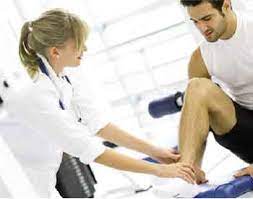
Introduction about Diploma in Physiotherapy
Physiotherapy, often referred to as physical therapy, is a dynamic field that plays a pivotal role in enhancing the quality of life for individuals dealing with physical limitations or injuries. The pursuit of a Diploma in Physiotherapy opens doors to a rewarding career, offering diverse specializations and opportunities for growth within the healthcare sector.
Understanding the Importance of Physiotherapy Education
Physiotherapy is a healthcare profession that focuses on improving the physical well-being of individuals through targeted exercises, manual therapy, and education. As we delve into the world of physiotherapy education, it's essential to recognize its vital role in shaping competent healthcare professionals.
The Historical Journey of Physiotherapy Education
The roots of physiotherapy education can be traced back to the early 20th century, with its evolution mirroring the advancements in medical science. The gradual establishment of educational programs has contributed to the growth and standardization of physiotherapy practices globally.
Benefits of Pursuing a Diploma in Physiotherapy
Promising Career Opportunities
One of the primary benefits of obtaining a Diploma in Physiotherapy is the diverse range of career opportunities available. Graduates can find themselves working in hospitals, private clinics, sports facilities, or even as independent practitioners. The demand for qualified physiotherapists continues to rise, presenting a stable and fulfilling career path.
Contribution to Healthcare
Physiotherapists play a crucial role in the overall healthcare system, contributing to the rehabilitation and recovery of patients. The skills acquired during a diploma program empower professionals to make a positive impact on the lives of individuals dealing with physical challenges.
Diverse Specializations in Physiotherapy
Physiotherapy offers various specializations, allowing students to tailor their education to specific areas of interest.
Orthopedic Physiotherapy
This specialization focuses on the musculoskeletal system, addressing issues related to bones, joints, ligaments, and tendons. Orthopedic physiotherapists work with patients recovering from surgeries, fractures, or chronic conditions.
Neurological Physiotherapy
Dealing with neurological disorders requires specialized knowledge. Neurological physiotherapists assist individuals with conditions such as stroke, Parkinson's disease, and spinal cord injuries, helping them regain mobility and independence.
Sports Physiotherapy
Athletes often require specialized care for injuries and performance optimization. Sports physiotherapists work with sports teams or individual athletes, employing therapeutic techniques to enhance their physical well-being.
Curriculum Overview: Building a Strong Foundation
Core Subjects
The curriculum of a Diploma in Physiotherapy typically covers anatomy, physiology, biomechanics, and therapeutic exercises. These core subjects provide students with a solid foundation in understanding the human body and its functions.
Practical Training
Hands-on experience is a crucial aspect of physiotherapy education. Students engage in practical training sessions, honing their skills in assessing and treating patients under the guidance of experienced faculty.
Admission Requirements: Your Path to Physiotherapy Education
Educational Prerequisites
To embark on a journey towards a diploma in physiotherapy, aspiring students often need a background in science, with subjects like biology and chemistry being essential. Meeting academic requirements sets the stage for a successful application.
Application Process
The application process involves submitting academic transcripts, letters of recommendation, and a personal statement outlining one's motivation to pursue physiotherapy. Some programs may also require an entrance exam or interview.
In-demand Skills Developed During the Program
Communication Skills
Effective communication is paramount in the field of physiotherapy. Students learn to convey complex medical information to patients in a clear and empathetic manner, fostering a positive therapeutic relationship.
Problem-solving Abilities
Physiotherapists often encounter unique challenges in their practice. The diploma program equips students with problem-solving skills, enabling them to adapt their approach to different patient needs and conditions.
Hands-on Experience
Practical skills are honed through hands-on experience during clinical placements and internships. This real-world exposure prepares students for the complexities of patient care and treatment.
Internship and Clinical Placements: Bridging Theory and Practice
Real-world Exposure
Internship and clinical placements provide students with real-world exposure to various healthcare settings. This practical experience enhances their clinical reasoning and allows them to apply theoretical knowledge in a supervised environment.
Networking Opportunities
Building connections with healthcare professionals during internships opens doors to potential job opportunities and mentorship. Networking plays a crucial role in establishing a foothold in the competitive field of physiotherapy.
Career Paths After Completing a Diploma in Physiotherapy
Private Practice
Some physiotherapists choose to establish their private practices, offering personalized care to clients. This path allows for autonomy in decision-making and the opportunity to build a loyal client base.
Hospital Settings
Hospitals often employ physiotherapists to work in various departments, including orthopedics, neurology, and rehabilitation. Collaborating with multidisciplinary teams enhances the overall patient care experience.
Rehabilitation Centers
Specialized rehabilitation centers focus on aiding individuals recovering from injuries or surgeries. Physiotherapists in these settings contribute to the comprehensive rehabilitation process.
Global Demand for Physiotherapists
International Job Prospects
How to Apply for Admission to a Diploma in Physiotherapy
Embarking on a journey to pursue a Diploma in Physiotherapy requires a strategic and well-planned approach to the admission process. Here's a step-by-step guide on how you can apply for admission to a Diploma in Physiotherapy program:
Research and Choose the Right Program
Begin by researching various physiotherapy programs offered by reputable institutions. Consider factors such as program accreditation, faculty expertise, and available specializations. Choose a program that aligns with your career goals and interests.
Check Admission Requirements
Each physiotherapy program may have specific admission requirements. Review the official website of the institution offering the program to gather information on educational prerequisites, minimum GPA requirements, and any additional criteria for eligibility.
Ensure Educational Prerequisites
Physiotherapy programs typically require a background in science. Ensure that you have completed the necessary educational prerequisites, including courses in biology and chemistry. Some programs may also specify coursework in anatomy or physiology.
Prepare Supporting Documents
Prepare a comprehensive application package, including all required supporting documents. Common documents include academic transcripts, letters of recommendation, a personal statement, and a resume highlighting relevant experiences or volunteer work.
Craft a Compelling Personal Statement
Write a compelling personal statement that highlights your passion for physiotherapy, your reasons for choosing the program, and your long-term career goals. Clearly articulate how obtaining a Diploma in Physiotherapy aligns with your aspirations.
Meet Application Deadlines
Be mindful of application deadlines. Submit your application well in advance to avoid any last-minute complications. Some programs may have specific deadlines for early admission, so plan accordingly.
Prepare for Entrance Exams or Interviews
Certain physiotherapy programs may require applicants to take entrance exams or participate in interviews as part of the selection process. Prepare for these assessments by reviewing relevant coursework and practicing common interview questions.
Submit Your Application Online
Most institutions have an online application portal. Complete the online application form accurately and upload all required documents through the designated portal. Double-check the submission to ensure that no information is missing.
Pay Application Fees
Some institutions charge an application fee. Ensure that you pay the required fee as part of the application process. Check the institution's website for details on payment methods and deadlines.
Monitor Application Status
After submitting your application, regularly check the application status through the online portal. This will keep you informed about any updates, requests for additional information, or the final decision.
Consider Financial Assistance
If needed, explore financial assistance options such as scholarships, grants, or student loans. Many institutions offer financial aid to qualified students, so be sure to apply for these opportunities.
Attend an Admission Interview if Required
If the program includes an admission interview as part of the selection process, be prepared to showcase your passion for physiotherapy, your understanding of the program, and your suitability for the profession.
Acceptance and Enrollment
Upon receiving an offer of admission, carefully review the acceptance letter and follow the instructions for enrollment. This may involve submitting additional documentation, paying enrollment fees, and attending orientation sessions.
Plan Your Course Schedule
Once enrolled, plan your course schedule in consultation with academic advisors. Be aware of core courses, electives, and any clinical placements or internships required for graduation.
Prepare for an Exciting Journey
Congratulations on securing admission to a Diploma in Physiotherapy program! Prepare for an exciting educational journey that will equip you with the knowledge and skills needed to make a positive impact in the field of physiotherapy.
What is the eligibility for Diploma in Physiotherapy
Eligibility Criteria for Diploma in Physiotherapy
Enrolling in a Diploma in Physiotherapy program requires meeting specific eligibility criteria. These criteria may vary slightly among institutions, so it's crucial to check the requirements of the specific program you're interested in. Here's a general overview of the typical eligibility criteria for a Diploma in Physiotherapy:
Educational Background
Most diploma programs in physiotherapy necessitate a strong educational foundation in science. Applicants are typically required to have completed high school or an equivalent qualification with a focus on subjects such as biology and chemistry. Some programs may have specific course prerequisites, so ensure your academic background aligns with the program's requirements.
Minimum GPA Requirements
In addition to having a science-oriented educational background, institutions often set minimum Grade Point Average (GPA) requirements for admission. Prospective students should aim to meet or exceed the specified GPA to enhance their chances of acceptance into the program.
Age Limit
Certain institutions may impose an age limit for admission to a Diploma in Physiotherapy program. It's essential to confirm whether there are any age restrictions and ensure that you fall within the acceptable age range for enrollment.
Language Proficiency
As the program is conducted in English, institutions may require proof of English language proficiency for non-native speakers. This can be demonstrated through standardized tests such as the TOEFL (Test of English as a Foreign Language) or IELTS (International English Language Testing System).
Application Process
Prospective students must successfully complete the application process, which typically involves submitting a completed application form along with supporting documents. These documents may include academic transcripts, letters of recommendation, a personal statement, and any additional materials specified by the institution.
Entrance Exams
Some institutions may require applicants to take entrance exams as part of the admission process. These exams assess the candidate's knowledge in relevant subjects and may include sections on biology, chemistry, and general aptitude. Adequate preparation for these exams is crucial for success.
Interview Process
In addition to exams, an interview may be part of the admission process. This interview provides an opportunity for the institution to assess the candidate's motivation, communication skills, and suitability for the program. Preparation for potential interview questions is advisable.
Health and Medical Requirements
Physiotherapy involves working closely with patients to address physical health issues. Consequently, some programs may have health and medical requirements to ensure that students are fit for the demands of the profession. This may include immunizations, health screenings, or other health-related assessments.
Criminal Background Check
Given the nature of healthcare professions, institutions may conduct a criminal background check as part of the admission process. Clearances ensure that students entering the program have no history of criminal activity that could impact their ability to work in healthcare settings.
Proof of Immunizations
To safeguard the well-being of both students and patients, institutions may require proof of up-to-date immunizations. This is a common requirement to prevent the spread of communicable diseases in clinical settings.
Professional Behavior and Ethical Standards
Prospective students are expected to demonstrate professional behavior and ethical standards. This may involve submitting a statement of ethical conduct or references attesting to the applicant's integrity and commitment to ethical practices.
Application Fee
Institutions often charge an application fee to cover administrative costs associated with processing applications. Ensure that you are aware of the fee amount, payment methods, and any deadlines for submission.
Financial Considerations
While not a strict eligibility criterion, it's important for prospective students to consider the financial aspects of pursuing a Diploma in Physiotherapy. This includes tuition fees, living expenses, and potential financial aid options.
Acceptance of Transfer Credits (if applicable)
For individuals transferring from other educational institutions, it's crucial to inquire about the program's policy regarding the acceptance of transfer credits. Some programs may allow students to transfer credits from previous coursework.
Commitment to Professional Development
Applicants should demonstrate a genuine interest in the field of physiotherapy and a commitment to ongoing professional development. This commitment is often assessed through personal statements, interviews, or letters of intent.
How long does it takes to complete a Diploma in Physiotherapy
Duration of Completing a Diploma in Physiotherapy
The duration of completing a Diploma in Physiotherapy varies depending on the specific program and the educational institution offering it. Typically, the duration ranges from two to three years. Here are the key factors influencing the timeline for completing a Diploma in Physiotherapy:
Program Structure
The structure of the physiotherapy program plays a significant role in determining its duration. Some diploma programs follow a traditional semester-based system, while others may operate on a trimester or quarter system. The number of courses offered per term and the inclusion of practical components, such as clinical placements and internships, contribute to the overall program length.
Full-Time vs. Part-Time Study
The choice between full-time and part-time study can impact the duration of the diploma program. Full-time students typically complete the program more quickly, often within two years, as they take a higher course load each term. Part-time students, on the other hand, may extend the duration of their studies to accommodate work or other commitments.
Clinical Placements and Internships
Physiotherapy programs often include mandatory clinical placements or internships, providing students with hands-on experience in real healthcare settings. The duration and intensity of these practical components can influence the overall length of the program. Institutions may schedule extended clinical placements, contributing to a longer program duration.
Program Requirements
The specific requirements of the diploma program, such as the number of credit hours needed for graduation, can impact the time it takes to complete the degree. Some programs may have additional elective courses or specializations that extend the overall duration.
Academic Calendar
The academic calendar of the institution, including the length of breaks between terms and any mandatory vacation periods, can influence the overall timeline. Some programs may offer accelerated terms or summer sessions, allowing students to progress more quickly through the curriculum.
Compliance with Regulatory Standards
In certain regions or countries, regulatory bodies may set standards for the duration of physiotherapy programs to ensure that graduates receive comprehensive training. Institutions must adhere to these standards, and program length may be adjusted accordingly.
Prerequisites and Prior Education
The completion time may also be affected by any prerequisite courses or prior education required for admission to the diploma program. Students who need to fulfill additional prerequisites may experience a longer overall duration.
Individual Student Progress
The pace at which individual students progress through the coursework and clinical requirements can vary. Factors such as study habits, time management, and the ability to meet program expectations may impact the time it takes for a student to complete the diploma.
What are potential career opportunities after Diploma in Physiotherapy
Potential Career Opportunities After Completing a Diploma in Physiotherapy
Graduating with a Diploma in Physiotherapy opens the door to a diverse range of rewarding career opportunities. As a qualified physiotherapist, individuals can contribute to the well-being of patients across various healthcare settings. Here are some potential career paths and opportunities available after completing a Diploma in Physiotherapy:
Clinical Physiotherapist
Graduates can pursue careers as clinical physiotherapists, working in hospitals, clinics, or rehabilitation centers. They assess and treat patients with physical injuries, disabilities, or medical conditions, employing a range of therapeutic techniques to enhance mobility and overall function.
Orthopedic Physiotherapist
Specializing in orthopedic physiotherapy involves working with patients recovering from musculoskeletal injuries, surgeries, or conditions. Orthopedic physiotherapists design rehabilitation programs to improve joint function, reduce pain, and promote optimal recovery.
Neurological Physiotherapist
Neurological physiotherapists focus on patients with neurological disorders such as stroke, multiple sclerosis, or spinal cord injuries. They help individuals regain mobility, manage symptoms, and improve their overall quality of life through targeted interventions.
Sports Physiotherapist
A diploma in physiotherapy can lead to a career as a sports physiotherapist, where professionals work with athletes to prevent injuries, provide rehabilitation after sports-related injuries, and enhance performance through specialized exercise programs.
Pediatric Physiotherapist
Pediatric physiotherapists specialize in working with children, addressing developmental delays, congenital conditions, or injuries. They design age-appropriate rehabilitation programs to support the physical development of young patients.
Geriatric Physiotherapist
Working with elderly individuals, geriatric physiotherapists focus on improving mobility, reducing pain, and enhancing overall well-being in the aging population. They may work in nursing homes, assisted living facilities, or home healthcare settings.
Community Health Physiotherapist
Community health physiotherapists work outside traditional clinical settings, providing services in community centers, schools, or homes. They may focus on preventive care, health promotion, and supporting individuals with chronic conditions in their daily lives.
Rehabilitation Consultant
Rehabilitation consultants collaborate with multidisciplinary teams to develop comprehensive rehabilitation plans for patients. They assess individual needs, set goals, and coordinate services to ensure a holistic approach to rehabilitation.
Private Practice
Some physiotherapists choose to establish their private practices, offering personalized care to clients. This path provides autonomy in decision-making, the ability to set one's schedule, and the opportunity to build a loyal client base.
Researcher in Physiotherapy
Diploma holders can pursue careers in research, contributing to advancements in physiotherapy practices. This may involve conducting clinical trials, contributing to academic publications, and staying abreast of emerging trends and technologies in the field.
Fitness and Wellness Consultant
Physiotherapists with a diploma can also explore careers in fitness and wellness, working with individuals to promote overall health and prevent injuries. This may involve developing exercise programs, providing ergonomic advice, and conducting wellness workshops.
Ergonomics Specialist
Ergonomics specialists focus on optimizing the design of workspaces to prevent injuries and enhance overall well-being. Physiotherapists in this role may assess workplace environments and provide recommendations for ergonomic improvements.
Home Healthcare Physiotherapist
Providing physiotherapy services in the home healthcare sector allows professionals to work with patients in their own residences. This is particularly beneficial for individuals with mobility issues or those recovering from surgery.
Telehealth Physiotherapist
With the growing use of telehealth services, physiotherapists can offer remote consultations and treatment sessions. This opens up opportunities for professionals to reach a broader patient base and provide convenient healthcare options.
Health and Fitness Educator
Physiotherapists can leverage their expertise to educate individuals and communities on maintaining good health and preventing injuries. This may involve conducting workshops, seminars, or educational outreach programs.
Syllabus of Diploma in Physiotherapy
A Diploma in Physiotherapy program is designed to provide students with a comprehensive understanding of the human body, therapeutic techniques, and practical skills required for a career in physiotherapy. The syllabus is structured across semesters, with each semester covering specific subjects and practical training. Here's an overview of the typical semester-wise syllabus for a Diploma in Physiotherapy:
Semester 1: Foundation of Physiotherapy
Introduction to Physiotherapy
Historical background
Scope and role of physiotherapy
Anatomy and Physiology - I
Introduction to the human body
Basic concepts of anatomy and physiology
Biomechanics and Kinesiology
Principles of movement
Study of body mechanics and motion
Basic Pathology
Understanding common diseases and disorders
Their impact on the musculoskeletal system
Communication Skills in Healthcare
Effective communication with patients
Developing empathetic communication strategies
Practical Sessions
Introduction to basic assessment techniques
Hands-on training in basic physiotherapy exercises
Semester 2: Foundations of Clinical Practice
Anatomy and Physiology - II
In-depth study of specific systems
Application to clinical practice
Introduction to Pharmacology
Basics of medications used in physiotherapy
Understanding potential interactions and side effects
Clinical Assessment Skills - I
Examination techniques for musculoskeletal and neurological systems
Introduction to patient history-taking
Introduction to Electrotherapy
Principles and application of electrotherapeutic modalities
Safety considerations
Patient Care and Hygiene
Basics of patient care and hygiene
Infection control measures
Practical Sessions
Clinical assessment practice
Introduction to basic electrotherapy applications
Semester 3: Specialization in Physiotherapy
Orthopedic Physiotherapy
Assessment and treatment of musculoskeletal conditions
Rehabilitation after orthopedic surgeries
Neurological Physiotherapy
Understanding and managing neurological disorders
Techniques for improving neuro-motor functions
Cardiopulmonary Physiotherapy
Rehabilitation for cardiac and respiratory conditions
Breathing exercises and chest physiotherapy
Introduction to Sports Physiotherapy
Common sports injuries
Physiotherapeutic interventions for athletes
Clinical Assessment Skills - II
Advanced assessment techniques
Case studies and practical application
Practical Sessions
Specialized treatment techniques
Clinical case simulations
Semester 4: Advanced Clinical Practice
Research Methodology in Physiotherapy
Basics of research design and methodology
Conducting literature reviews
Clinical Practice Guidelines
Application of evidence-based practice
Developing and following clinical practice guidelines
Advanced Electrotherapy
Advanced applications of electrotherapeutic modalities
Combination therapy approaches
Rehabilitation Medicine
Comprehensive rehabilitation planning
Multidisciplinary approaches to patient care
Professional Ethics and Legal Aspects
Ethical considerations in physiotherapy practice
Legal aspects and regulations governing the profession
Practical Sessions
Advanced clinical practice scenarios
Research project development
Semester 5: Clinical Internship
Clinical Rotations
Rotations in various healthcare settings
Practical application of skills learned
Professional Development
Building professional relationships
Continuous learning and professional growth
Case Presentations and Discussions
Sharing and discussing clinical experiences
Learning from real-world cases
Supervised Practice
Hands-on experience under the guidance of experienced physiotherapists
Exposure to diverse patient populations
Semester 6: Capstone Project and Final Assessments
Capstone Project
Independent research or practical project
Presentation of findings or outcomes
Final Assessments
Written examinations covering the entire syllabus
Practical assessments to demonstrate clinical skills
Portfolio Submission
Compilation of case studies, research projects, and reflective journals
Assessment of overall academic and clinical performance
Final Certification and Graduation
Upon successful completion of the diploma program and fulfilling all academic and clinical requirements, students are awarded their Diploma in Physiotherapy. This comprehensive program equips graduates with the knowledge, skills, and practical experience needed to embark on a fulfilling career in physiotherapy.
Internship Opportunities After Completing Diploma in Physiotherapy
Completing a Diploma in Physiotherapy is a significant achievement, but the journey doesn't end there. Internship opportunities play a crucial role in bridging the gap between theoretical knowledge and practical application, providing graduates with hands-on experience in real-world healthcare settings. Here are some potential internship opportunities available after completing a Diploma in Physiotherapy:
Hospital Internship:
Hospitals offer diverse internship opportunities for physiotherapy graduates. Interns may work in departments such as orthopedics, neurology, cardiology, and rehabilitation. Tasks include patient assessments, treatment planning, and collaborating with multidisciplinary healthcare teams.
Rehabilitation Centers:
Specialized rehabilitation centers focus on helping individuals recover from injuries, surgeries, or chronic conditions. Interns in these settings gain experience in long-term care, customized rehabilitation programs, and working with patients of varying ages and needs.
Sports Clinics:
Interning in sports clinics allows physiotherapy graduates to work with athletes, addressing sports-related injuries and optimizing performance. This setting involves injury prevention strategies, rehabilitation plans, and collaboration with sports teams or coaches.
Pediatric Facilities:
Internships in pediatric facilities provide exposure to working with children facing developmental challenges or recovering from injuries. This setting requires specialized approaches to assessment, treatment, and communication with young patients and their families.
Elderly Care Homes:
Interning in elderly care homes allows graduates to work with the geriatric population, addressing mobility issues, pain management, and overall well-being. Interns may collaborate with nursing staff to provide comprehensive care.
Community Health Centers:
Internship opportunities in community health centers involve outreach programs, health education, and providing physiotherapy services to underserved populations. This setting enhances community engagement and preventive care initiatives.
Private Practices:
Interning in private physiotherapy practices provides insights into running a clinic, managing patient caseloads, and developing personalized treatment plans. Interns may also learn about business aspects, client relations, and marketing.
Telehealth Internship:
With the rise of telehealth services, interns may have opportunities to engage in virtual consultations. This involves assessing patients remotely, providing guidance on exercises, and adapting treatment plans to an online platform.
Occupational Health Settings:
Internships in occupational health settings focus on physiotherapy within the context of workplace wellness. Interns may be involved in ergonomic assessments, injury prevention programs, and promoting a healthy work environment.
Research Institutions:
Interning in research institutions allows graduates to engage in physiotherapy research projects. This involves data collection, literature reviews, and contributing to evidence-based practices in the field.
Home Healthcare Services:
Interns in home healthcare services provide physiotherapy services in patients' homes. This setting requires adaptability and the ability to tailor treatment plans to the unique challenges of home-based care.
Schools and Educational Institutions:
Internship opportunities in schools involve working with children and adolescents. Physiotherapists may address issues related to posture, mobility, and physical activities, contributing to the overall well-being of students.
Corporate Wellness Programs:
Some corporations offer wellness programs for employees, including physiotherapy services. Interns in this setting may be involved in developing exercise programs, conducting workshops, and promoting workplace health.
International Opportunities:
For those seeking unique experiences, internships abroad provide exposure to different healthcare systems and cultural contexts. This can broaden perspectives and enhance adaptability in diverse settings.
Specialized Clinics (e.g., Pain Management, Women's Health):
Internships in specialized clinics focus on specific areas of physiotherapy, such as pain management or women's health. This provides in-depth exposure to niche areas within the profession.
Scholarships and Grants for Diploma in Physiotherapy Students
Pursuing a Diploma in Physiotherapy can be financially demanding, but various scholarships and grants are available to support students in their academic journey. Here are some opportunities that diploma students in physiotherapy can explore:
Physiotherapy Professional Associations:
Many professional associations for physiotherapists offer scholarships to students pursuing a diploma in physiotherapy. Examples include the American Physical Therapy Association (APTA) and the Canadian Physiotherapy Association (CPA). These scholarships often consider academic performance, leadership, and commitment to the profession.
Institutional Scholarships:
Check with the educational institution offering the diploma program for any scholarships or grants they may provide. Colleges and universities often have scholarship programs based on academic excellence, financial need, or a combination of factors.
Government Grants and Scholarships:
Explore government-sponsored programs that support students in healthcare-related fields. In many countries, there are grants and scholarships available through government initiatives to encourage the development of healthcare professionals.
Private Foundations and Trusts:
Various private foundations and trusts focus on supporting students in healthcare professions. Research and identify foundations that align with your goals and qualifications. Examples include the Physiotherapy Foundation of Canada and the Chartered Society of Physiotherapy in the UK.
Nonprofit Organizations:
Nonprofit organizations dedicated to healthcare and education may offer scholarships for physiotherapy students. These organizations aim to invest in the next generation of healthcare professionals. Examples include the Health Professions Education Foundation in California.
Corporate Sponsorships:
Some companies, particularly those in the healthcare or pharmaceutical industries, offer sponsorships or scholarships for students pursuing physiotherapy. These opportunities may be tied to specific criteria, such as future commitments to work for the sponsoring company.
Regional and Community Scholarships:
Explore scholarships specific to your region or community. Local healthcare organizations, community foundations, or businesses may offer financial support to students pursuing physiotherapy studies.
Disability and Rehabilitation Foundations:
Foundations focused on disabilities and rehabilitation may provide scholarships to students pursuing physiotherapy, especially those with an interest in working with individuals with disabilities. Check organizations like the Challenged Athletes Foundation.
International Scholarships:
For students considering studying abroad, there are international scholarship opportunities. Organizations like Fulbright and Chevening may support students pursuing physiotherapy diplomas in foreign countries.
Industry-Specific Scholarships:
Certain industries, such as sports or orthopedics, may have industry-specific scholarships. Explore opportunities provided by organizations related to your specific area of interest within physiotherapy.
Minority and Diversity Scholarships:
Scholarships that promote diversity and inclusion in healthcare professions may be available. These opportunities aim to support underrepresented groups in the physiotherapy field.
Online Scholarship Platforms:
Use online scholarship platforms such as Fastweb, Chegg, or Scholarship.com to search for physiotherapy-related scholarships. These platforms aggregate scholarship opportunities based on various criteria.
Alumni Associations:
Some educational institutions have alumni associations that offer scholarships to current students. Inquire about opportunities available through the alumni network of your physiotherapy program.
Rotary Clubs and Service Organizations:
Local Rotary Clubs and other service organizations may provide scholarships for students pursuing healthcare professions, including physiotherapy. Check with organizations in your community.
Research Grants:
If you have an interest in research, explore grants offered by research institutions or organizations that fund projects related to physiotherapy. These opportunities can contribute to both academic and professional development.
Conclusion
Embarking on the journey to obtain a Diploma in Physiotherapy is a commitment to a rewarding and impactful career in healthcare. This comprehensive program equips individuals with the knowledge, skills, and practical experience necessary to make a positive difference in the lives of patients. As we conclude this exploration, let's reflect on the key aspects of pursuing and thriving in a physiotherapy career.
A Fusion of Science and Compassion:
Physiotherapy is a unique blend of scientific principles and compassionate care. From understanding the intricacies of anatomy and biomechanics to employing therapeutic interventions, physiotherapists play a crucial role in enhancing mobility, managing pain, and improving overall well-being.
Educational Foundation:
The journey begins with a strong educational foundation. The semester-wise curriculum delves into anatomy, physiology, biomechanics, and specialized areas such as orthopedics, neurology, and cardiology. Practical sessions and clinical internships bridge the gap between theory and application, preparing students for the dynamic challenges of physiotherapy practice.
Diverse Career Opportunities:
Upon earning a Diploma in Physiotherapy, a vast array of career opportunities unfolds. Graduates can choose to specialize in orthopedics, neurology, pediatrics, sports, or geriatrics. The flexibility extends to settings such as hospitals, rehabilitation centers, sports clinics, and even private practices.
Internship Adventures:
Internship opportunities further enrich the learning experience. From hospitals and rehabilitation centers to sports clinics and community health settings, internships provide invaluable hands-on experience. Whether working with diverse patient populations or exploring niche areas within physiotherapy, internships contribute to professional growth and readiness.
Financial Support:
The financial aspect of pursuing education is a consideration for many students. Fortunately, scholarships and grants exist to support aspiring physiotherapists. Professional associations, government initiatives, private foundations, and corporate sponsorships offer avenues for financial assistance, ensuring that dedicated individuals can pursue their passion without unnecessary financial strain.
FAQ,s
What is the duration of a Diploma in Physiotherapy program?
The duration of a Diploma in Physiotherapy program typically ranges from two to three years. However, program length may vary based on factors such as the educational institution, the structure of the program, and clinical requirements.
What are the eligibility criteria for enrolling in a Diploma in Physiotherapy program?
Eligibility criteria may vary among institutions, but common requirements include a high school diploma or equivalent with a focus on science subjects, a minimum GPA, and proficiency in English. Some programs may have age limits, health assessments, and specific application processes.
What career opportunities are available after completing a Diploma in Physiotherapy?
Graduates with a Diploma in Physiotherapy can pursue careers as clinical physiotherapists, orthopedic or neurological specialists, sports physiotherapists, and more. Opportunities exist in hospitals, rehabilitation centers, sports clinics, private practices, and community health settings.
Are there scholarships or grants available for Diploma in Physiotherapy students?
Yes, various scholarships and grants are available for physiotherapy students. These include opportunities offered by professional associations, educational institutions, government initiatives, private foundations, and corporate sponsors. Researching and applying for relevant scholarships can help alleviate financial burdens.
Can I specialize in a specific area of physiotherapy after completing the diploma?
Yes, specialization is a common pathway for physiotherapy professionals. After completing the diploma, individuals can pursue advanced studies or certifications in specialized areas such as orthopedics, neurology, sports physiotherapy, pediatrics, and more.
What does the clinical internship involve, and where can I intern?
Clinical internships provide hands-on experience in real healthcare settings. Internship locations can include hospitals, rehabilitation centers, sports clinics, community health centers, and more. Interns work closely with experienced physiotherapists, applying their knowledge and skills to diverse patient cases.
How can I apply for admission to a Diploma in Physiotherapy program?
The application process typically involves completing an application form, providing academic transcripts, letters of recommendation, and possibly undergoing an interview. Specific requirements may vary, so it's essential to carefully follow the application instructions provided by the chosen institution.
Can I pursue further education or specialization after obtaining a Diploma in Physiotherapy?
Yes, graduates with a Diploma in Physiotherapy can pursue further education, such as bachelor's or master's degrees, or certifications in specialized areas. Advanced studies enhance professional knowledge and open doors to more advanced career opportunities.
Are there international opportunities for physiotherapy professionals?
Yes, physiotherapists have opportunities to work internationally. This may involve participating in international internships, collaborating on research projects, or working in different healthcare systems. Global perspectives can enrich one's professional experience and contribute to the field.
How can I stay updated on advancements in the field of physiotherapy?
Staying informed about advancements in physiotherapy involves regularly reading relevant journals, attending conferences, participating in continuing education courses, and being active in professional associations. Networking with peers and engaging in online forums are also valuable ways to stay updated.
How Shiksha Hub helps you in
-
 Student Counsellors
 -
 Career Counseling
 -
 Research
 -
 24/7 Support
 -
 Scholarships
 -
 Community