Posted by Admin on 28-07-2023 in Shiksha hub
Diploma in Siddha Medicine & Science Introduction, Admission, Registration, Eligibility, Duration, Fees, Syllabus 2024
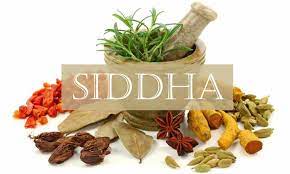
Introduction about Diploma in Siddha Medicine & Science
Definition of Siddha Medicine & Science
Siddha Medicine, a traditional system of healthcare, traces its roots to ancient Tamil culture. It is a holistic approach to healing that combines medicinal herbs, physical therapies, and spiritual practices. The term "Siddha" refers to those who have achieved spiritual perfection, emphasizing the connection between the mind, body, and soul.
Historical Significance
Dating back to over 3,000 years, Siddha Medicine has a rich history in the Indian subcontinent. It has evolved through the contributions of sages and practitioners who passed down their knowledge through generations. The ancient texts of Siddha, written in Tamil, highlight the intricate understanding of the human body and its relationship with the environment.
Growing Interest in Alternative Medicine
In the contemporary world, there's a noticeable surge in interest towards alternative forms of medicine. Siddha Medicine, with its deep cultural roots and holistic principles, has become a focal point for individuals seeking alternatives to conventional healthcare.
Origin and Principles
Ancient Roots in South India
Siddha Medicine originated in the southern part of the Indian subcontinent, particularly in Tamil Nadu. The system incorporates principles from Ayurveda and has been influenced by the philosophies of Siddhar, the ancient sages who contributed to the development of this unique medical system.
Fundamental Principles
The core principles of Siddha Medicine revolve around the balance of the three doshas - Vata, Pitta, and Kapha. It emphasizes maintaining equilibrium to achieve overall well-being. Siddha practitioners believe in the concept of "Pancha Bhoota," where the human body is seen as a composition of the five elements - earth, water, fire, air, and ether.
Holistic Approach to Health
Unlike conventional medicine that often treats specific symptoms, Siddha Medicine adopts a holistic approach. It considers not only the physical but also the mental and spiritual aspects of an individual. This comprehensive perspective aims to address the root cause of health issues rather than merely alleviating symptoms.
Curriculum Overview
Duration and Structure of the Diploma Program
The Diploma in Siddha Medicine typically spans several years, offering a comprehensive curriculum that combines theoretical knowledge with practical training. Students undergo in-depth studies in Siddha philosophy, diagnostics, and treatment modalities.
Core Subjects Covered
The curriculum covers a wide range of subjects, including herbal medicine, nutrition, yoga, and meditation. Students gain expertise in the preparation of Siddha medicines and learn to diagnose ailments through traditional methods.
Practical Training Components
Hands-on training is a crucial aspect of the diploma program. Students engage in practical sessions where they apply theoretical knowledge in real-world scenarios. This practical experience is essential for developing the skills required for Siddha practitioners.
Career Opportunities
Diverse Job Prospects
Graduates with a diploma in Siddha Medicine have diverse career opportunities. They can work as Siddha practitioners, herbalists, or consultants in wellness centers. Additionally, there's a growing demand for Siddha professionals in spas and holistic health resorts.
Growing Demand in Healthcare
As awareness of alternative medicine increases, so does the demand for Siddha practitioners. Many individuals seek non-invasive and natural healing methods, contributing to the rising popularity of Siddha Medicine in the healthcare industry.
International Recognition
The diploma in Siddha Medicine is gaining international recognition, with practitioners finding opportunities to work globally. The holistic and traditional nature of Siddha Medicine appeals to individuals seeking a more personalized and culturally rooted approach to healthcare.
Admission Requirements
Educational Prerequisites
To enroll in a diploma program in Siddha Medicine, candidates typically need a background in science or a related field. Educational prerequisites ensure that students have a foundational understanding of biology, chemistry, and anatomy.
Entrance Exams and Selection Criteria
Admission to Siddha Medicine programs often involves entrance exams assessing the candidate's knowledge of science and aptitude for holistic healthcare. The selection criteria may also include interviews and academic performance evaluations.
Application Process
Prospective students can apply to institutions offering Siddha Medicine programs by submitting their academic records, completing entrance exams, and participating in the admission interview process. The application process varies among institutions but generally follows a standard protocol.
Benefits of Pursuing a Diploma in Siddha Medicine
Holistic Healthcare Perspective
One of the primary benefits of pursuing a diploma in Siddha Medicine is gaining a holistic perspective on healthcare. The program equips students with the knowledge and skills to address health issues comprehensively, considering physical, mental, and spiritual well-being.
Alternative Treatment Options
Graduates become adept at using natural remedies and alternative treatments. Siddha practitioners often integrate herbal medicines, dietary changes, and lifestyle modifications into their treatment plans, providing patients with non-invasive and sustainable healthcare options.
Cultural and Spiritual Aspects
The diploma program in Siddha Medicine also explores the cultural and spiritual aspects of healing. Students learn about the cultural traditions and rituals associated with Siddha Medicine, enriching their understanding of the interconnectedness between health and spirituality.
Challenges and Controversies
Limited Mainstream Acceptance
Despite its long history and effectiveness, Siddha Medicine faces challenges in gaining mainstream acceptance. The conventional medical community may view it with skepticism, creating a
How can I apply for admission to Diploma in Siddha Medicine & Science
To apply for admission to a Diploma in Siddha Medicine & Science program, follow these steps:
Educational Prerequisites:
Ensure you meet the educational prerequisites. Typically, candidates are required to have a background in science or a related field. This ensures a foundational understanding of subjects like biology, chemistry, and anatomy.
Research Institutions:
Identify institutions that offer Diploma in Siddha Medicine programs. Research their accreditation, faculty, and program structure to find the best fit for your educational goals.
Entrance Exams:
Prepare for entrance exams. Siddha Medicine programs often have exams assessing your knowledge of science and your aptitude for holistic healthcare. Obtain study materials and practice to perform well in these assessments.
Application Process:
Initiate the application process by obtaining the application form from the chosen institution. This form will typically be available on the official website or can be obtained directly from the admissions office.
Academic Records:
Gather and prepare your academic records. This may include transcripts, certificates, and any other required documents. Ensure that all information is accurate and up-to-date.
Entrance Exam Performance:
Submit the required documents along with your entrance exam scores. Some institutions may require additional materials, so carefully review the application guidelines provided by the institution.
Admission Interview:
Prepare for an admission interview if it is part of the selection process. Be ready to discuss your interest in Siddha Medicine, your educational background, and your aspirations in the field.
Application Submission:
Submit your completed application before the deadline. Ensure that all required documents are included and that the application fee, if any, is paid.
Follow-up:
After submitting your application, follow up with the admissions office to confirm the receipt of your materials. Stay informed about any additional steps or requirements in the admission process.
Admission Decision:
Wait for the admission decision. Once the institution reviews your application, you will be notified of the outcome. If accepted, follow the instructions provided for the next steps in the enrollment process.
Remember to check the specific requirements and procedures of the institution you're applying to, as they may vary. Good luck with your application to the Diploma in Siddha Medicine & Science program!
What is the eligibility for Diploma in Siddha Medicine & Science
Eligibility for Diploma in Siddha Medicine & Science
To be eligible for admission to a Diploma in Siddha Medicine & Science program, candidates typically need to meet specific educational prerequisites and criteria. Here are the general eligibility requirements:
Educational Background:
Candidates should have completed their secondary education (10+2) with a strong emphasis on science subjects, including Biology and Chemistry.
A solid foundation in subjects like Anatomy and Physiology is often preferred.
Minimum Percentage:
Many institutions may set a minimum percentage requirement for science subjects in the qualifying examination. This threshold can vary between institutions, so it's crucial to check the specific requirements of the program and institution you're interested in.
Entrance Exams:
Prospective students are often required to take entrance exams that assess their knowledge of science and their aptitude for holistic healthcare.
The performance in these exams plays a significant role in the selection process.
Aptitude for Holistic Healthcare:
Institutions offering Siddha Medicine programs often look for candidates who demonstrate a genuine interest in holistic healthcare.
An understanding of and appreciation for the holistic principles of Siddha Medicine may be considered during the selection process.
Interviews and Selection Process:
Some institutions may conduct interviews as part of the selection process. This is an opportunity for candidates to express their passion for Siddha Medicine and demonstrate their suitability for the program.
Age Limit:
Certain institutions may have age restrictions for admission to the diploma program. It's important to check whether there are any age-related eligibility criteria.
Application Process:
Candidates must complete the application process, which may involve submitting academic records, entrance exam scores, and other relevant documents.
Adherence to the application guidelines provided by the institution is crucial.
How long does it takes to complete a Diploma in Siddha Medicine & Science
Duration of Diploma in Siddha Medicine & Science
The duration of a Diploma in Siddha Medicine & Science program can vary depending on the institution and the specific curriculum they offer. However, here are some general guidelines:
Standard Duration:
The typical duration for a Diploma in Siddha Medicine & Science is around 2 to 3 years.
Academic Structure:
The program is often structured into semesters or academic years, with a combination of theoretical and practical coursework.
Internship or Practical Training:
Some programs may include a mandatory internship or practical training component, which could extend the overall duration.
Part-Time Options:
In some cases, institutions may offer part-time or evening classes for individuals who cannot commit to full-time studies. This can extend the duration of the program.
Flexible Scheduling:
The flexibility of scheduling may vary between institutions, and some may allow students to complete the program at their own pace within a specified time frame.
Credit Hours:
The total credit hours required for the diploma program influence the duration. Programs with a higher number of credit hours may take longer to complete.
Institutional Policies:
It's crucial to check the specific policies of the institution offering the program. Some institutions may have accelerated options or specific requirements that impact the duration.
What are potential career opportunities after Diploma in Siddha Medicine & Science
Potential Career Opportunities after Diploma in Siddha Medicine & Science
Graduates with a Diploma in Siddha Medicine & Science possess a unique skill set that opens doors to diverse career opportunities. Here are some potential career paths:
Siddha Practitioner:
Graduates can work as Siddha practitioners, offering holistic healthcare services based on traditional Siddha principles. They diagnose ailments, prescribe herbal medicines, and implement holistic treatment plans.
Herbalist:
A career as a herbalist involves utilizing knowledge of medicinal plants to promote health and well-being. Siddha Medicine graduates can specialize in herbal remedies and work in wellness centers or private practices.
Consultant in Wellness Centers:
Many wellness centers and holistic health resorts seek Siddha Medicine professionals to provide consultations. Graduates can guide individuals on lifestyle changes, dietary practices, and holistic healing methods.
Spa and Holistic Health Resorts:
Siddha practitioners are in demand in spa and holistic health resorts, where they contribute to wellness programs. They may offer therapeutic treatments, yoga sessions, and personalized health advice.
Researcher in Traditional Medicine:
Graduates interested in research can explore opportunities in the field of traditional medicine. They can contribute to research projects focused on validating Siddha Medicine practices, developing new remedies, and enhancing holistic healthcare.
Healthcare Education:
With additional qualifications, graduates can pursue a career in healthcare education. They may become instructors, teaching Siddha Medicine principles and practices to aspiring students.
Public Health Advocate:
Siddha Medicine professionals can engage in public health advocacy, promoting the benefits of holistic healthcare and traditional medicine practices. They may work with communities to enhance overall well-being.
Entrepreneurship:
Some graduates choose to establish their wellness clinics, herbal medicine manufacturing units, or holistic health businesses. Entrepreneurship allows them to apply their knowledge in a self-directed and innovative manner.
Cultural Preservation and Promotion:
Graduates passionate about preserving and promoting cultural traditions can engage in activities that showcase the cultural and spiritual aspects of Siddha Medicine. This can include organizing events, writing, or participating in cultural initiatives.
International Opportunities:
The globalization of alternative medicine opens doors to international career opportunities. Graduates may explore opportunities to work in healthcare facilities or wellness centers abroad, contributing to the global acceptance of Siddha Medicine.
Syllabus of Diploma in Siddha Medicine & Science
Semester 1: Foundation of Siddha Medicine
Introduction to Siddha Medicine
Historical development and cultural significance
Basic principles and philosophy
Anatomy and Physiology
Understanding the human body from a Siddha perspective
Exploration of the three doshas - Vata, Pitta, and Kapha
Fundamentals of Herbal Medicine
Identification and properties of medicinal plants
Preparation of basic Siddha medicines
Introduction to Siddha Diagnostics
Traditional methods of diagnosis
Understanding the pulse, tongue, and other diagnostic tools
Semester 2: Core Siddha Principles
Pancha Bhoota and Siddha Pharmacology
In-depth study of the five elements and their role in health
Advanced principles of Siddha pharmacology
Siddha Treatment Modalities
Practical application of Siddha treatment methods
Hands-on experience in therapeutic procedures
Yoga and Meditation in Siddha Medicine
Integration of yoga and meditation for holistic well-being
Siddha approaches to mental health
Clinical Training - Part 1
Introduction to clinical settings
Observation and assistance in patient care
Semester 3: Advanced Siddha Studies
Specialization in Herbal Medicine
Advanced study of herbal remedies
Formulation and preparation of specialized Siddha medicines
Advanced Siddha Diagnostics
Mastery of diagnostic techniques
Case studies and practical application
Research Methodology in Siddha Medicine
Introduction to research principles
Designing and conducting Siddha research projects
Clinical Training - Part 2
Hands-on clinical experience
Patient consultation and treatment under supervision
Semester 4: Integrative Learning and Practical Application
Holistic Approaches to Health
Integration of Siddha principles with modern healthcare
Collaborative approaches to patient care
Internship and Practical Application
Full-time internship in Siddha clinics or healthcare facilities
Application of knowledge in real-world scenarios
Professional Ethics and Communication
Ethical considerations in Siddha practice
Effective communication with patients and healthcare professionals
Project Work and Dissertation
Independent research project or dissertation
Presentation of findings and conclusions
This is a general framework, and specific courses may vary between institutions. The emphasis is on a comprehensive understanding of Siddha Medicine, hands-on training, and practical application to prepare students for a successful career in the field.
Internship Opportunities After Completing Diploma in Siddha Medicine & Science
Upon completing a Diploma in Siddha Medicine & Science, graduates have diverse internship opportunities to gain practical experience and further refine their skills. Here are some potential internship avenues:
Siddha Clinics and Hospitals:
Interning in established Siddha clinics or hospitals allows graduates to work alongside experienced practitioners. They can observe and participate in patient care, diagnosis, and treatment.
Wellness Centers and Holistic Health Resorts:
Internships in wellness centers and holistic health resorts provide exposure to a range of holistic therapies. Graduates can assist in delivering treatments such as herbal therapies, yoga sessions, and meditation.
Research Institutions:
For those inclined towards research, internships in research institutions focused on traditional medicine offer opportunities to contribute to ongoing projects. Graduates can be involved in clinical trials, data analysis, and research publications.
Herbal Medicine Manufacturing Units:
Interning in herbal medicine manufacturing units allows graduates to understand the production process of Siddha medicines. They can learn about quality control, herbal formulation, and the regulatory aspects of herbal medicine production.
Cultural Preservation Initiatives:
Interning with organizations dedicated to preserving and promoting traditional medicine and cultural heritage provides a unique experience. Graduates can be involved in organizing events, documenting traditional practices, and community outreach.
Community Health Programs:
Engaging in community health programs allows graduates to apply Siddha Medicine principles in real-world settings. They can participate in health camps, conduct awareness sessions, and contribute to community well-being.
International Opportunities:
Some graduates may explore internships abroad, working in healthcare facilities or wellness centers that integrate traditional medicine. This exposure contributes to a global perspective on Siddha Medicine.
Educational Institutions:
Interning in educational institutions offers the chance to assist in teaching and mentoring aspiring Siddha practitioners. Graduates can be involved in practical demonstrations, workshops, and educational initiatives.
Government Health Departments:
Government health departments may offer internships in Siddha Medicine. Graduates can contribute to public health initiatives, policy development, and community healthcare projects.
Entrepreneurial Ventures:
Graduates interested in entrepreneurship can intern by working with established Siddha practitioners or starting their wellness clinics. This hands-on experience prepares them for managing their practices in the future.
It's advisable for graduates to actively seek internships that align with their career goals and interests. Networking within the Siddha Medicine community, staying informed about internship opportunities, and reaching out to relevant organizations contribute to a successful internship experience.
Scholarships and Grants for Diploma in Siddha Medicine & Science
Pursuing a Diploma in Siddha Medicine & Science can be financially supported through various scholarships and grants. While the availability may vary, here are some potential avenues for financial assistance:
Government Scholarships:
Check with local and national government bodies for scholarship programs supporting students in the field of traditional medicine. Some governments offer financial aid for students pursuing alternative medicine courses.
Educational Institutions' Scholarships:
Many institutions that offer Diploma in Siddha Medicine & Science have their scholarship programs. Explore the scholarship options provided by the specific institution you plan to attend.
Private Foundations and Trusts:
Some private foundations and trusts focus on supporting students in the field of alternative medicine. Research and apply to organizations that align with the principles of Siddha Medicine.
Non-Governmental Organizations (NGOs):
NGOs dedicated to healthcare and alternative medicine may provide scholarships or grants. Look for organizations that actively support traditional healing practices.
Community and Cultural Associations:
Siddha Medicine is often closely tied to cultural and community traditions. Explore scholarship opportunities offered by cultural associations or community groups interested in preserving traditional healthcare practices.
Research Grants:
If you have a keen interest in research, explore grants provided by organizations supporting research in traditional medicine. These grants may help fund research projects during or after your diploma program.
Professional Associations:
Professional associations related to Siddha Medicine may offer scholarships to students. Joining these associations and actively participating in their activities can open doors to financial support.
Philanthropic Organizations:
Philanthropic organizations focused on healthcare or education may provide financial assistance to students pursuing alternative medicine studies. Research organizations with a commitment to holistic well-being.
Corporate Sponsorships:
Some corporations may have corporate social responsibility (CSR) initiatives that include supporting education in alternative medicine. Explore opportunities for sponsorships or partnerships with socially responsible companies.
Online Scholarship Databases:
Utilize online scholarship databases and platforms that aggregate scholarship opportunities. Websites like Scholarship.com and Fastweb can be valuable resources for finding relevant scholarships.
When applying for scholarships and grants, carefully review the eligibility criteria, application requirements, and deadlines. Prepare a compelling application that highlights your passion for Siddha Medicine, academic achievements, and future goals. Additionally, explore financial aid options offered by the institution where you plan to enroll.
Conclusion
In conclusion, embarking on a journey with a Diploma in Siddha Medicine & Science opens doors to a realm of ancient wisdom and holistic healing. This unique program goes beyond conventional healthcare, offering a profound understanding of the interconnectedness between mind, body, and spirit.
As we traverse through the rich history of Siddha Medicine, rooted in the cultural tapestry of South India, we witness the evolution of traditional practices that have stood the test of time for over 3,000 years. This diploma program not only imparts knowledge but fosters a deep appreciation for the principles of balance, harmony, and the Pancha Bhoota philosophy.
The curriculum, dissected semester-wise, intricately weaves together anatomy, herbal medicine, diagnostics, and advanced Siddha studies. Practical training components and clinical internships bridge the gap between theory and real-world application, shaping graduates into adept practitioners ready to contribute to holistic healthcare.
The potential career opportunities post-diploma are vast and diverse, ranging from Siddha practitioners and herbalists to wellness consultants and researchers. Graduates can carve their paths, whether delving into cultural preservation initiatives or contributing to global healthcare through international opportunities.
FAQ,s
What is Siddha Medicine?
Siddha Medicine is an ancient traditional healing system originating from South India. It encompasses holistic principles that address the physical, mental, and spiritual aspects of health, utilizing natural remedies, herbal medicines, and therapeutic practices.
Why pursue a Diploma in Siddha Medicine & Science?
A Diploma in Siddha Medicine & Science provides in-depth knowledge of this traditional healing system. It equips graduates to become Siddha practitioners, herbalists, and wellness consultants, contributing to alternative healthcare and holistic well-being.
What are the eligibility criteria for the diploma program?
Typically, candidates need a science background, including biology and chemistry, to be eligible. Entrance exams, aptitude assessments, and interviews may also be part of the admission process.
What are the career opportunities after completing the diploma?
Graduates can pursue careers as Siddha practitioners, herbalists, consultants in wellness centers, researchers, and educators. The diploma opens doors to diverse paths in healthcare, both nationally and internationally.
Is there an internship component in the program?
Yes, the diploma program often includes internships or practical training. This hands-on experience allows students to apply theoretical knowledge in real-world settings, enhancing their skills and preparing them for professional practice.
Are there scholarships available for Siddha Medicine students?
Yes, various scholarships and grants are available for students pursuing Siddha Medicine. These can be from government bodies, educational institutions, private foundations, and NGOs supporting alternative medicine studies.
How long does it take to complete the Diploma in Siddha Medicine & Science?
The duration typically ranges from 2 to 3 years, depending on the institution and program structure. Part-time options may also be available, and the duration can be influenced by practical training components.
What are the challenges faced by Siddha Medicine practitioners?
Siddha Medicine faces challenges such as limited mainstream acceptance, regulatory issues, and misconceptions. Practitioners may need to advocate for the recognition of Siddha Medicine and address these challenges in their professional journey.
Can graduates practice Siddha Medicine internationally?
Yes, with the growing global interest in alternative medicine, graduates with a Diploma in Siddha Medicine can explore international opportunities. The holistic and traditional nature of Siddha Medicine is gaining recognition globally.
How can I apply for admission to the Diploma in Siddha Medicine & Science program?
To apply, ensure you meet the educational prerequisites, research institutions offering the program, prepare for entrance exams, and complete the application process, which may include submitting academic records and participating in interviews.
How Shiksha Hub helps you in
-
 Student Counsellors
 -
 Career Counseling
 -
 Research
 -
 24/7 Support
 -
 Scholarships
 -
 Community