Posted by Admin on 27-07-2023 in Shiksha hub
Diploma in X-Ray Technology Introduction, Admission, Registration, Eligibility, Duration, Fees, Syllabus 2024
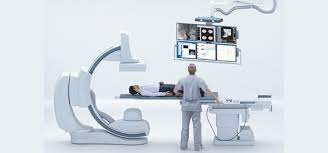
Introduction about Diploma in X-Ray Technology
A Diploma in X-Ray Technology is a specialized program designed to equip individuals with the knowledge and skills necessary for a career in the field of medical imaging. X-ray technology plays a crucial role in the diagnosis and treatment of various medical conditions by capturing images of the internal structures of the human body.
This diploma program typically covers a range of subjects, including anatomy and physiology, radiographic procedures, radiographic positioning, patient care, and radiation protection. Students learn how to operate X-ray machines, position patients accurately for imaging, and ensure that high-quality diagnostic images are produced. Additionally, the curriculum often includes coursework on medical ethics, legal considerations, and healthcare communication.
The program may incorporate both classroom instruction and hands-on clinical training, allowing students to apply their knowledge in real-world healthcare settings. Practical experience in clinical settings is essential for developing the technical proficiency and professional competence required in the field.
Upon completion of the Diploma in X-Ray Technology, graduates are prepared to pursue careers as radiologic technologists or X-ray technologists in hospitals, clinics, diagnostic imaging centers, and other healthcare facilities. These professionals play a vital role in assisting physicians in the accurate diagnosis and treatment of medical conditions, making the Diploma in X-Ray Technology a valuable pathway for those interested in contributing to the healthcare industry.
How can I apply for admission to Diploma in X-Ray Technology
The application process for a Diploma in X-Ray Technology typically involves several steps. Here is a general guide on how to apply:
Research Programs: Start by researching institutions that offer a Diploma in X-Ray Technology. Consider factors such as program curriculum, accreditation, faculty, and facilities. Ensure that the program aligns with your career goals.
Meet Admission Requirements: Check the admission requirements of the specific program and institution you are interested in. Requirements may include a high school diploma or equivalent, specific coursework, and minimum GPA. Some programs may also require relevant work or volunteer experience.
Prepare Application Materials: Gather the necessary documents for your application. This typically includes:
Completed application form
High school transcripts or equivalent
Letters of recommendation (if required)
Resume or curriculum vitae (CV)
Personal statement or letter of intent
Any additional documents specified by the institution
Entrance Exams: Some programs may require applicants to take entrance exams, such as the SAT or ACT. Check the specific requirements of the program you are applying to and schedule any required exams well in advance.
Submit Application: Complete and submit your application by the specified deadline. Many institutions offer online application portals, but be sure to follow the instructions provided by the admissions office.
Pay Application Fee: Pay any required application fees. Some institutions may offer fee waivers based on financial need, so inquire about this option if applicable.
Interview (if required): Some programs may require an interview as part of the admissions process. Prepare for the interview by researching common interview questions and practicing your responses.
Financial Aid and Scholarships: Explore financial aid options and scholarships that may be available to you. Contact the financial aid office of the institution for information on grants, loans, and scholarship opportunities.
Wait for Admission Decision: Once you have submitted your application, wait for the admission decision. This may take some time, so be patient. Check the application portal or contact the admissions office for updates.
Acceptance and Enrollment: If you receive an offer of admission, carefully review the acceptance letter and any accompanying materials. Follow the instructions to confirm your acceptance and complete the enrollment process.
Remember to check the specific requirements and procedures of the institution offering the Diploma in X-Ray Technology, as they may vary. It's always a good idea to contact the admissions office if you have any questions or need clarification on any aspect of the application process.
What is the eligibility for Diploma in X-Ray Technology
The eligibility criteria for a Diploma in X-Ray Technology may vary slightly depending on the institution offering the program. However, here are some common eligibility requirements that applicants may need to fulfill:
Educational Qualifications:
A high school diploma or its equivalent (such as a GED) is typically required. Some programs may have specific course prerequisites, so it's essential to have a strong background in relevant subjects, including biology and mathematics.
Minimum GPA:
Institutions may specify a minimum Grade Point Average (GPA) that applicants should have achieved in their high school coursework. This requirement helps ensure that applicants have a solid academic foundation.
Entrance Exams:
Some programs may require applicants to take standardized tests such as the SAT or ACT. Scores from these exams may be used to assess academic readiness for the program.
Work or Volunteer Experience:
While not always mandatory, some programs may look favorably upon applicants with relevant work or volunteer experience in healthcare or a related field. This can demonstrate a commitment to and understanding of the healthcare environment.
Letters of Recommendation:
Some institutions may request letters of recommendation from teachers, employers, or other individuals who can speak to the applicant's character, work ethic, and suitability for the program.
Personal Statement or Letter of Intent:
Applicants may be required to submit a personal statement or letter of intent explaining their motivation for pursuing a Diploma in X-Ray Technology. This document allows applicants to articulate their career goals and why they are interested in the program.
Interview (if required):
In some cases, applicants may need to participate in an interview as part of the admissions process. This interview may assess communication skills, professionalism, and the applicant's understanding of the field.
How long does it takes to complete a Diploma in X-Ray Technology
The duration of a Diploma in X-Ray Technology program can vary depending on the institution and the specific curriculum they offer. Generally, these programs are designed to be completed in approximately 1 to 2 years of full-time study. However, the exact length may be influenced by factors such as the number of credit hours required, the inclusion of practical training or clinical rotations, and the structure of the academic calendar.
Here's a breakdown of the typical durations:
Full-Time Program:
If pursued on a full-time basis, a Diploma in X-Ray Technology often takes around 1 to 2 years to complete. Full-time programs usually involve a higher course load per semester.
Part-Time Program:
Some institutions may offer part-time options for individuals who cannot commit to a full-time schedule. In such cases, the duration of the program may be longer, extending to 2 or more years, depending on the number of courses taken per semester.
Clinical Training:
Many X-Ray Technology programs include a clinical or practical training component, where students gain hands-on experience in a healthcare setting. The duration of this training is typically integrated into the overall program length.
What are potential career opportunities after Diploma in X-Ray Technology
Earning a Diploma in X-Ray Technology opens up a range of career opportunities in the field of medical imaging. Graduates are typically prepared to work as radiologic technologists or X-ray technologists in various healthcare settings. Here are some potential career opportunities:
Radiologic Technologist/X-ray Technologist:
As a radiologic technologist or X-ray technologist, individuals can work in hospitals, clinics, diagnostic imaging centers, or private medical practices. They operate X-ray machines to create images of the internal structures of the body, assisting physicians in the diagnosis and treatment of medical conditions.
Computed Tomography (CT) Technologist:
Some individuals with a Diploma in X-Ray Technology may choose to specialize in computed tomography (CT) scanning. CT technologists use specialized equipment to create detailed cross-sectional images of the body, helping in the diagnosis of more complex medical conditions.
Magnetic Resonance Imaging (MRI) Technologist:
Graduates may pursue a career as an MRI technologist, operating MRI machines to generate detailed images of soft tissues and organs. MRI technologists work in hospitals, imaging centers, and other medical facilities.
Fluoroscopy Technologist:
Fluoroscopy technologists specialize in using X-ray technology to capture real-time moving images of internal structures. This is commonly used in procedures such as barium studies and angiography.
Mammography Technologist:
Mammography technologists focus on the imaging of breast tissues, assisting in the early detection of breast cancer. They work in breast imaging centers and hospitals.
Bone Densitometry Technologist:
Technologists specializing in bone densitometry use X-ray technology to measure bone density, assisting in the diagnosis and management of conditions such as osteoporosis.
Radiology Department Supervisor or Manager:
With experience, individuals may advance to supervisory or managerial roles within radiology departments, overseeing the daily operations of imaging services.
Educator or Instructor:
Some graduates may choose to become educators, teaching X-ray technology courses in educational institutions or providing training within healthcare settings.
Syllabus of Diploma in X-Ray Technology
The specific syllabus for a Diploma in X-Ray Technology can vary among institutions. However, I can provide a general semester-wise breakdown of topics that are commonly included in such programs:
Semester 1:
Anatomy and Physiology:
Introduction to human anatomy and physiology, with a focus on the skeletal and muscular systems.
Medical Terminology:
Basic medical vocabulary and terminology used in the field of X-ray technology.
Radiation Physics:
Fundamental principles of radiation, X-ray production, and interactions with matter.
Basic Patient Care:
Principles of patient care, including communication, positioning, and addressing patient needs during imaging procedures.
Introduction to Radiographic Procedures:
Overview of common radiographic procedures, including general radiography and fluoroscopy.
Semester 2:
Radiographic Positioning:
Techniques for positioning patients to obtain high-quality diagnostic images.
Radiation Protection:
Principles of radiation safety for both patients and healthcare professionals.
Image Processing:
Digital image acquisition and processing in radiography.
Pathology for Radiographers:
Introduction to common diseases and conditions affecting the human body and their relevance to diagnostic imaging.
Clinical Experience (Part I):
Introduction to practical clinical experience, observation, and supervised training in a healthcare setting.
Semester 3:
Advanced Radiographic Procedures:
In-depth study of specialized radiographic procedures, such as angiography or special imaging studies.
Radiographic Pathology:
Further exploration of the relationship between pathology and radiographic imaging.
Quality Assurance in Radiography:
Methods for ensuring the quality and accuracy of radiographic images.
Clinical Experience (Part II):
Continuation of hands-on clinical experience, with increased responsibilities and independence.
Semester 4:
Radiation Biology:
Study of the biological effects of radiation on living organisms.
Ethics and Legal Considerations:
Examination of ethical and legal issues related to healthcare and radiography.
Professional Development:
Career preparation, professionalism, and continuing education in the field.
Clinical Experience (Part III):
Advanced clinical experience, including exposure to more complex procedures and situations.
Capstone Project or Internship:
Culminating project or internship experience, integrating theoretical knowledge and practical skills.
Internship opportunities after completing Diploma in X-Ray Technology
After completing a Diploma in X-Ray Technology, individuals typically have opportunities to gain practical experience through internships or clinical placements. These experiences are crucial for applying theoretical knowledge in real-world healthcare settings and developing the hands-on skills required for a career in medical imaging. Here are some common internship opportunities that graduates may pursue:
Hospital Internships:
Many hospitals offer internship programs for recent graduates in X-Ray Technology. Interns work alongside experienced radiologic technologists and gain exposure to a variety of imaging procedures, equipment, and patient cases.
Diagnostic Imaging Centers:
Diagnostic imaging centers often provide internship opportunities for individuals with a Diploma in X-Ray Technology. These centers may specialize in specific types of imaging, such as MRI, CT scans, or mammography.
Outpatient Clinics:
Outpatient clinics and medical offices that offer X-ray services may also host internships. This setting allows interns to work in a smaller, more specialized environment.
Specialized Imaging Facilities:
Internship opportunities may be available in facilities specializing in specific imaging modalities, such as fluoroscopy, interventional radiology, or nuclear medicine.
Rehabilitation Centers:
Some rehabilitation centers utilize X-ray technology for diagnostic purposes. Interns in these settings may work with patients undergoing imaging for orthopedic or musculoskeletal conditions.
Emergency Departments:
Internships in emergency departments provide valuable experience in conducting X-ray examinations for trauma cases and emergency medical situations.
Mobile Imaging Services:
Some companies provide mobile X-ray services to healthcare facilities. Interns in mobile imaging may gain experience in different settings, such as nursing homes or home healthcare.
Research Institutions:
Research institutions involved in medical imaging research may offer internships for individuals interested in the development and testing of new imaging technologies.
During internships, individuals have the opportunity to refine their skills in patient care, radiographic positioning, equipment operation, and communication with healthcare professionals. Internships often serve as a bridge between academic learning and professional practice, allowing graduates to apply classroom knowledge to real-world scenarios.
Scholarships and grants for Diploma in X-Ray Technology
Scholarships and grants for a Diploma in X-Ray Technology can provide financial assistance to students pursuing their education in this field. While availability varies, here are some potential sources of financial aid:
Institutional Scholarships:
Many educational institutions offering X-Ray Technology programs have their own scholarship programs. These scholarships may be based on academic achievement, financial need, or a combination of factors. Check with the financial aid or admissions office of the specific institution for information on available scholarships.
Professional Associations:
Explore scholarships offered by professional associations related to radiologic technology and medical imaging. Organizations such as the American Society of Radiologic Technologists (ASRT) or other regional radiologic technologist associations may offer scholarships to students pursuing X-Ray Technology.
Government Grants:
Government grants and financial aid programs can provide assistance to students pursuing healthcare-related diplomas. Check with relevant government agencies, such as the Department of Education or Health and Human Services, for information on available grants.
Healthcare Foundations:
Some healthcare foundations and charitable organizations offer scholarships to students pursuing careers in healthcare, including radiologic technology. Research foundations that support medical education and healthcare professions.
Community and Nonprofit Organizations:
Local community organizations, nonprofits, and foundations may offer scholarships to support students in their educational pursuits. Check with organizations in your community or region that focus on education and healthcare.
Industry-Specific Scholarships:
Companies and industry partners within the medical imaging field may offer scholarships to students pursuing X-Ray Technology. Explore opportunities provided by equipment manufacturers, healthcare technology companies, and imaging service providers.
Diversity and Inclusion Scholarships:
Some scholarships are specifically designed to support underrepresented groups in healthcare professions. Check for scholarships that aim to promote diversity and inclusion within the field of radiologic technology.
Online Scholarship Databases:
Utilize online scholarship databases, such as Fastweb, Chegg, or College Board's Scholarship Search, to find scholarships that match your profile and educational goals.
State and Regional Programs:
Explore scholarship programs offered by state or regional governments to support students pursuing healthcare education. State departments of education and health may provide information on available funding.
When applying for scholarships, carefully review the eligibility criteria, application deadlines, and required documentation. Submit applications well in advance and ensure that you meet all the specified requirements. Additionally, consider reaching out to the financial aid office at your educational institution for guidance on available scholarships and grants specific to the Diploma in X-Ray Technology program.
Conclusion
In conclusion, pursuing a Diploma in X-Ray Technology offers individuals a valuable opportunity to enter the dynamic and essential field of medical imaging. This program equips students with a comprehensive understanding of anatomy, radiographic procedures, and the operation of X-ray equipment. The combination of classroom instruction and hands-on clinical experience prepares graduates for rewarding careers as radiologic technologists.
Throughout the program, students gain proficiency in patient care, radiographic positioning, and radiation protection, ensuring the production of high-quality diagnostic images. The curriculum often includes coursework in medical ethics, pathology, and professional development, fostering a well-rounded education that goes beyond technical skills.
Upon successful completion of the diploma, graduates find themselves well-positioned for various career paths within the healthcare industry. Opportunities may range from working in hospitals and diagnostic imaging centers to specializing in areas like computed tomography (CT), magnetic resonance imaging (MRI), or mammography.
Internship experiences play a crucial role in bridging the gap between theory and practice, allowing students to apply their knowledge in real-world healthcare settings. These hands-on opportunities not only enhance technical skills but also instill professionalism and effective communication within a healthcare team.
Financial support, in the form of scholarships and grants, can further ease the educational journey for aspiring X-Ray Technologists. Students are encouraged to explore various sources of funding to make their education more accessible.
FAQ,s
What is a Diploma in X-Ray Technology?
A Diploma in X-Ray Technology is a specialized program that trains individuals to operate X-ray machines and perform diagnostic imaging procedures. It includes a combination of classroom instruction and clinical training to prepare students for careers as radiologic technologists.
How long does it take to complete a Diploma in X-Ray Technology?
The duration of the program is typically 1 to 2 years when pursued on a full-time basis. Part-time options may extend the duration.
What are the eligibility requirements for the program?
Eligibility often includes a high school diploma or equivalent, minimum GPA, and possibly completion of specific coursework. Some programs may also require entrance exams or relevant work/volunteer experience.
What career opportunities are available after completing the diploma?
Graduates can pursue careers as radiologic technologists, X-ray technologists, CT technologists, MRI technologists, and more. Opportunities exist in hospitals, clinics, imaging centers, and specialized facilities.
Are internships part of the program?
Yes, many Diploma in X-Ray Technology programs include internships or clinical placements. These provide hands-on experience in healthcare settings, allowing students to apply their skills in real-world scenarios.
Are there scholarships available for X-Ray Technology students?
Yes, scholarships and grants are often available. Students can explore institutional scholarships, professional associations, government grants, healthcare foundations, and industry-specific scholarships.
What topics are covered in the X-Ray Technology program?
The curriculum typically includes courses in anatomy and physiology, radiographic positioning, radiation protection, image processing, pathology, and clinical experience. Specialized topics may include CT, MRI, fluoroscopy, and more.
Can I specialize in a specific area within X-Ray Technology?
Yes, some programs offer opportunities for specialization in areas such as CT scanning, MRI, mammography, or fluoroscopy. Specializing can enhance career prospects in specific imaging modalities.
How do I apply for admission to a Diploma in X-Ray Technology program?
The application process involves researching programs, meeting eligibility requirements, preparing application materials (transcripts, letters of recommendation, etc.), taking any required entrance exams, and submitting the application by the specified deadline.
What is the role of X-Ray Technologists in healthcare?
X-Ray Technologists play a crucial role in assisting physicians with the diagnosis and treatment of medical conditions. They operate X-ray machines to capture images of the internal structures of the body, aiding in the identification of various health issues.
How Shiksha Hub helps you in
-
 Student Counsellors
 -
 Career Counseling
 -
 Research
 -
 24/7 Support
 -
 Scholarships
 -
 Community