Posted by Admin on 16-09-2023 in Shiksha hub
Diploma in Yoga & Acupuncture Admission, Registration, Eligibility, Duration, Fees, Syllabus 2024
Introduction about DIPLOMA IN YOGA & ACUPUNCTURE:
A Diploma in Yoga & Acupuncture is a specialized educational program that focuses on two distinct but complementary fields: yoga and acupuncture. This diploma program is designed to provide students with a comprehensive understanding of these alternative healthcare practices, both of which have gained popularity worldwide for their potential to promote physical, mental, and spiritual well-being.
Yoga: Yoga is an ancient Indian practice that encompasses a wide range of physical, mental, and spiritual disciplines. It involves various postures, breathing exercises, and meditation techniques aimed at achieving holistic wellness. In a Diploma in Yoga & Acupuncture program, students will typically learn about the philosophy of yoga, different yoga postures (asanas), pranayama (breathing exercises), and meditation practices. They will also explore the therapeutic applications of yoga in managing stress, improving flexibility, and promoting overall health.
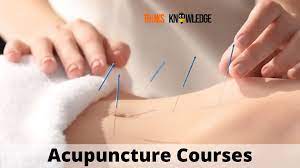
Acupuncture: Acupuncture is a traditional Chinese medicine technique that involves inserting thin needles into specific points on the body to stimulate energy flow and restore balance in the body's systems. In a diploma program, students will study the theory of acupuncture, meridians, and the principles of Traditional Chinese Medicine (TCM). They will also gain practical skills in acupuncture techniques and learn how to assess and treat various health conditions using acupuncture.
Program Structure: A Diploma in Yoga & Acupuncture typically combines theoretical knowledge with hands-on training. Students will attend lectures, workshops, and practical sessions to master the principles and techniques of both yoga and acupuncture. They may also learn about the cultural and historical contexts of these practices.
Career Opportunities: Graduates of a Diploma in Yoga & Acupuncture program can explore various career opportunities, such as:
Yoga Instructor: They can teach yoga classes, both in group settings and one-on-one sessions, helping individuals improve their physical fitness and mental well-being through yoga practices.
Acupuncturist: With a focus on acupuncture, graduates can become licensed acupuncturists and provide acupuncture treatments for a wide range of health issues, including pain management, stress relief, and overall wellness.
Holistic Health Practitioner: Some individuals choose to combine their knowledge of yoga and acupuncture to offer a holistic approach to health and wellness, providing clients with a well-rounded approach to healing.
Consultants: Graduates may work as consultants in health and wellness centers, spas, or fitness facilities, helping clients tailor their wellness routines.
In summary, a Diploma in Yoga & Acupuncture offers students a unique opportunity to delve into the realms of two complementary holistic practices, equipping them with the knowledge and skills to promote physical, mental, and spiritual well-being in others and potentially pursue fulfilling careers in the field of alternative medicine and wellness.
How can I apply for admission to DIPLOMA IN YOGA & ACUPUNCTURE Program:
To apply for admission to a Diploma in Yoga & Acupuncture program, you will typically need to follow these general steps:
Research Programs and Institutions: Begin by researching various institutions that offer the Diploma in Yoga & Acupuncture program. Look for reputable schools or colleges that provide the specific program you're interested in. You can do this by visiting the websites of educational institutions, using online search engines, or seeking recommendations from others.
Check Admission Requirements: Each institution may have its own admission requirements. Common requirements for a Diploma in Yoga & Acupuncture program may include a high school diploma or its equivalent, such as a GED, and a background in science or healthcare might be beneficial but is not always mandatory. It's important to review the specific admission criteria for the program you are interested in.
Application Form: Obtain the application form for the institution and program of your choice. This form can often be downloaded from the institution's website or requested from their admissions office. Fill out the form carefully and ensure that you provide accurate information.
Prepare Supporting Documents: Along with the application form, you will likely be required to submit certain supporting documents. These may include:
Transcripts: High school or college transcripts.
Letters of Recommendation: Typically, two or more letters from teachers, employers, or professionals who can speak to your qualifications.
Statement of Purpose: A personal statement explaining your interest in the program, your goals, and why you want to pursue a Diploma in Yoga & Acupuncture.
Resume or CV: A document outlining your educational and professional background, including any relevant experience.
Entrance Exams: Some programs may require you to take entrance exams or provide standardized test scores, such as the SAT or ACT. Check with the specific institution to see if these tests are necessary.
Pay Application Fee: Many institutions require an application fee. Ensure you pay this fee according to the instructions provided by the institution.
Submit Your Application: Carefully review your application and all supporting documents before submitting them. You may need to send the application package by mail, email, or through an online application portal, depending on the institution's requirements.
Interview or Additional Requirements: In some cases, you may be invited for an interview as part of the admission process. Be prepared to discuss your motivation for joining the program.
Wait for Admission Decision: Once you have submitted your application, you will need to wait for the institution to review your materials and make an admission decision. This process may take several weeks.
Acceptance and Enrollment: If you are accepted into the program, you will receive an acceptance letter or notification. Follow the instructions provided for enrollment, which may include paying a deposit, registering for classes, and attending orientation.
It's important to note that admission processes can vary between institutions, so it's crucial to check the specific requirements and deadlines of the program you are interested in. Additionally, make sure to plan well in advance to meet all application deadlines and prepare a strong application package.
What is the eligibility for DIPLOMA IN YOGA & ACUPUNCTURE:
Eligibility criteria for a Diploma in Yoga & Acupuncture program can vary depending on the institution and country where you intend to study. However, here are some common eligibility requirements that you may encounter:
Educational Qualifications:
High School Diploma or Equivalent: In most cases, you will need to have completed high school or its equivalent, such as a GED.
Bachelor's Degree (Optional): Some programs may accept applicants with a bachelor's degree, although it's not always required. Having a degree in a related field may strengthen your application.
Academic Background:
A background in science, healthcare, or a related field may be beneficial, but it's not always mandatory. Some programs may accept students with diverse educational backgrounds.
Age Restrictions:
Some institutions may have age restrictions for their programs. For example, they might specify a minimum age requirement for applicants.
Language Proficiency:
If the program is taught in a language other than your native language, you may need to provide proof of language proficiency, such as IELTS or TOEFL scores for non-native English speakers.
Interview or Assessment:
Certain programs may require applicants to participate in an interview or assessment to evaluate their suitability for the program.
Prerequisite Courses:
Some programs may require applicants to have completed specific prerequisite courses in subjects like biology, anatomy, or physiology. These prerequisites can vary, so it's essential to check with the specific program for their requirements.
Health Requirements:
Given the nature of the program, some institutions may have specific health requirements or guidelines that applicants must meet.
Letters of Recommendation:
You may be asked to provide letters of recommendation from teachers, employers, or professionals who can vouch for your qualifications and potential in the program.
Statement of Purpose:
Many programs require applicants to submit a statement of purpose or a personal essay explaining their interest in the program, career goals, and motivation for pursuing a Diploma in Yoga & Acupuncture.
It's crucial to check the admission requirements of the specific institution and program you're interested in, as eligibility criteria can vary significantly. You can typically find this information on the institution's official website or by contacting their admissions department directly.
Before applying, make sure you thoroughly review the program's eligibility requirements and ensure that you meet all the criteria specified. If you have any doubts or questions about the requirements, don't hesitate to reach out to the admissions office for clarification.
How long does it takes to complete a DIPLOMA IN YOGA & ACUPUNCTURE program:
The duration of a Diploma in Yoga & Acupuncture program can vary depending on the institution and the specific program's curriculum. Typically, these programs can be completed in one to two years. Here are some common scenarios:
One-Year Programs: Some institutions offer accelerated Diploma in Yoga & Acupuncture programs that can be completed in one year. These programs often have an intensive curriculum and may require full-time study.
Two-Year Programs: The more common duration for these diploma programs is two years. This allows for a more comprehensive study of yoga, acupuncture, and related subjects, and it may be less intense than one-year programs. Students in two-year programs may have the opportunity to delve deeper into the theory and practice of yoga and acupuncture.
Part-Time or Online Programs: In some cases, institutions offer part-time or online Diploma in Yoga & Acupuncture programs, which can be completed over a more extended period. Part-time programs may extend to three years or longer, depending on the pace of study chosen by the student.
It's important to note that the duration of the program can also be influenced by factors such as the number of credit hours or courses required, the institution's academic calendar, and any breaks or holidays included in the program schedule.
Before enrolling in a specific program, it's advisable to check the institution's official website or contact their admissions or academic advising departments to obtain precise information on the program's duration and structure. This will help you plan your academic and personal schedule accordingly.
What are potential career opportunities after DIPLOMA IN YOGA & ACUPUNCTURE:
A Diploma in Yoga & Acupuncture opens up various career opportunities in the fields of alternative medicine, holistic health, wellness, and fitness. Graduates with expertise in both yoga and acupuncture may find employment in a range of settings and roles. Here are some potential career opportunities:
Yoga Instructor: Graduates can become certified yoga instructors and teach yoga classes in various settings, including yoga studios, fitness centers, corporate wellness programs, and private sessions. They help individuals improve their physical fitness, flexibility, and mental well-being through yoga practices.
Acupuncturist: With a focus on acupuncture, graduates can become licensed acupuncturists. They use acupuncture techniques to treat a wide range of health conditions, such as pain management, stress relief, and overall wellness. They may work in private practices, acupuncture clinics, or integrative healthcare facilities.
Holistic Health Practitioner: Some individuals choose to combine their knowledge of yoga and acupuncture to offer a holistic approach to health and wellness. They can provide clients with a well-rounded approach to healing, using both yoga and acupuncture techniques to address physical, mental, and emotional well-being.
Wellness Coach: Wellness coaches guide clients in achieving their health and wellness goals. Graduates with expertise in yoga and acupuncture can offer guidance on stress management, nutrition, exercise, and overall well-being. They often work in wellness centers or offer private coaching services.
Consultant or Advisor: Graduates may work as consultants or advisors in the wellness industry, helping individuals or organizations design and implement wellness programs that incorporate yoga and acupuncture practices. They can provide insights on creating balanced and healthy lifestyles.
Corporate Wellness Specialist: Many companies are investing in corporate wellness programs to improve employee health and productivity. Graduates can work as corporate wellness specialists, offering yoga and acupuncture sessions as part of these programs.
Spa and Wellness Resort Practitioner: Luxury spas and wellness resorts often employ practitioners with expertise in holistic therapies like yoga and acupuncture to provide services to guests seeking relaxation, rejuvenation, and stress relief.
Educator or Trainer: Graduates can become educators or trainers in the field of yoga or acupuncture. They can teach at yoga teacher training programs, acupuncture schools, or offer workshops and seminars in various wellness-related topics.
Health Writer or Blogger: Those with strong communication skills can pursue a career in health writing or blogging. They can create content on yoga, acupuncture, wellness, and holistic health for publications, websites, and social media.
Researcher: Graduates interested in the scientific aspects of yoga and acupuncture can work as researchers in the field, contributing to studies and clinical trials related to these practices.
It's important to note that the specific career opportunities may vary based on individual skills, qualifications, and areas of interest. Graduates of a Diploma in Yoga & Acupuncture program may choose to specialize in one area or pursue a combination of these career paths to provide a diverse range of wellness services to individuals and communities.
Syllabus of DIPLOMA IN YOGA & ACUPUNCTURE:
The specific syllabus for a Diploma in Yoga & Acupuncture program can vary from one institution to another, and it may be influenced by the accreditation standards and curriculum design of the school. However, I can provide a general overview of the topics and subjects that are commonly covered in such programs, organized on a semester-wise basis. Please note that the number of semesters and the order of courses may vary. Here is a general outline:
Semester 1:
Introduction to Yoga:
History and philosophy of yoga
Types of yoga (Hatha, Vinyasa, Kundalini, etc.)
Basic yoga postures (asanas)
Pranayama and Meditation:
Breathing techniques and their benefits
Meditation practices and mindfulness
Anatomy and Physiology:
Understanding the human body and its systems
How yoga affects the body
Yogic Philosophy:
Study of ancient yogic texts and philosophy
The Eight Limbs of Yoga
Introduction to Acupuncture:
History and philosophy of acupuncture
Acupuncture points and meridians
Semester 2:
Yoga and Wellness:
Yoga for stress management and mental well-being
Yoga for specific health conditions
Yoga Therapy:
Applying yoga as a therapeutic tool
Case studies and practical applications
Acupuncture Techniques:
Techniques for inserting acupuncture needles
Safety and hygiene in acupuncture practice
Anatomy of Acupuncture Points:
Detailed study of acupuncture points and their functions
Meridian systems
Ethics and Professionalism:
Ethics in the practice of yoga and acupuncture
Legal and professional considerations
Semester 3:
Advanced Yoga Postures:
Advanced yoga asanas and their benefits
Sequencing and variations
Acupuncture for Pain Management:
Using acupuncture for pain relief and management
Acupuncture for specific conditions
Yogic Diet and Nutrition:
Principles of yogic nutrition
Dietary recommendations for yogic lifestyle
Acupuncture Diagnosis:
Diagnostic methods in acupuncture
Case assessment and treatment planning
Research Methods in Alternative Medicine:
Introduction to research in the field
Research design and methodology
Semester 4:
Teaching Yoga and Practice Management:
Teaching methods and class management
Developing teaching skills
Clinical Practice and Internship:
Practical application of yoga and acupuncture
Internship in yoga studios and acupuncture clinics
Acupuncture and Herbal Medicine:
Introduction to traditional Chinese herbal medicine
Integrating herbs with acupuncture
Final Project or Thesis:
Research project or thesis related to yoga or acupuncture
Presentation and defense
Please keep in mind that this is a general outline, and the actual syllabus may vary from one institution to another. Additionally, some programs may offer elective courses or allow students to choose specific areas of specialization. It's advisable to check with the specific institution or program you are interested in for detailed information on their curriculum and course offerings.
Internship opportunities after completing DIPLOMA IN YOGA & ACUPUNCTURE:
After completing a Diploma in Yoga & Acupuncture, internship opportunities are a valuable way to gain practical experience, enhance your skills, and prepare for a successful career in the field of alternative medicine and wellness. Here are some potential internship opportunities you can explore:
Yoga Studios and Wellness Centers: Many yoga studios and wellness centers offer internship programs for recent graduates. As an intern, you can assist experienced yoga instructors in conducting classes, workshops, and private sessions. This provides hands-on teaching experience and a chance to refine your teaching skills.
Acupuncture Clinics: Acupuncture clinics may offer internship opportunities for graduates interested in pursuing a career as acupuncturists. As an intern, you can work under the guidance of licensed acupuncturists, observe treatments, and gain practical experience in acupuncture techniques.
Holistic Health Centers: Holistic health centers that offer a range of alternative therapies, including yoga and acupuncture, often provide internship positions. These opportunities allow you to gain exposure to different modalities and contribute to the overall wellness of clients.
Corporate Wellness Programs: Some organizations and corporations have wellness programs that incorporate yoga and acupuncture as part of their employee well-being initiatives. You can intern as a wellness coordinator or instructor to provide these services to employees.
Hospitals and Healthcare Facilities: Integrative healthcare settings within hospitals and healthcare facilities may offer internships. Here, you can work alongside medical professionals to provide complementary therapies like acupuncture to patients.
Research and Education Institutions: If you're interested in the research or educational aspects of alternative medicine, consider interning at research institutions or educational centers. You can assist in research projects, curriculum development, or teaching yoga and acupuncture to students.
Spas and Wellness Resorts: Luxury spas and wellness resorts often have internship opportunities for individuals interested in providing yoga and acupuncture services to guests. These internships can provide valuable exposure to a diverse clientele.
Community and Nonprofit Organizations: Some community organizations and nonprofits focus on promoting holistic wellness practices. Interning with these organizations can allow you to work with underserved populations and contribute to community well-being.
Private Practice or Self-Employment: As you gain experience and build your reputation in the field, you may consider starting your own private practice. While not a traditional internship, this can be an option for graduates who wish to operate their own yoga or acupuncture business.
When seeking internship opportunities, it's essential to research and reach out to potential hosts well in advance. Networking, attending job fairs, and seeking advice from instructors and mentors in your program can help you identify suitable internship positions. Internships provide an excellent platform to apply your knowledge, develop your skills, and build a professional network within the field of yoga and acupuncture.
Scholarship and grants for DIPLOMA IN YOGA & ACUPUNCTURE:
Scholarships and grants for a Diploma in Yoga & Acupuncture can provide financial support to help cover tuition and related educational expenses. While these opportunities may vary by institution and region, here are some general sources and types of scholarships and grants you can explore:
Institution-Specific Scholarships: Many educational institutions offer scholarships to their own students. Check with the institution where you plan to enroll in the Diploma in Yoga & Acupuncture program to see if they have any scholarships specifically for this program.
Government Scholarships: In some countries, governments offer scholarships or grants for students pursuing healthcare and alternative medicine programs. Research your government's education department website for relevant opportunities.
Private Foundations and Organizations: Various private foundations and organizations provide scholarships to students studying alternative medicine, holistic health, or wellness programs. These foundations often have specific eligibility criteria, so be sure to review their websites for details.
Professional Associations: Some professional associations related to yoga and acupuncture may offer scholarships to students who are pursuing these fields. These associations may also have resources or information on scholarships and grants available in the industry.
Merit-Based Scholarships: Many institutions offer scholarships based on academic excellence, leadership, or other achievements. Even if a scholarship isn't specifically designated for a Diploma in Yoga & Acupuncture, you can still apply for general merit-based scholarships.
Need-Based Financial Aid: Explore financial aid options, including grants and scholarships, that are specifically based on your financial need. These opportunities are often offered by institutions to help students with limited financial resources.
Minority or Diversity Scholarships: Some scholarships are targeted toward students from underrepresented or minority backgrounds. Check if there are any diversity-related scholarships that you qualify for.
Research Scholarships: If you plan to pursue research in the field of yoga and acupuncture, there may be research grants and scholarships available to support your academic and research endeavors.
Online Scholarship Databases: Websites like Fastweb, Scholarship.com, and Peterson's Scholarship Search allow you to search for scholarships based on your field of study and personal characteristics.
Local and Community Scholarships: Many local organizations, such as community foundations, businesses, or cultural associations, offer scholarships to residents of the area. These scholarships may be less competitive and can provide valuable financial support.
When applying for scholarships and grants, keep the following tips in mind:
Review the eligibility criteria and application deadlines carefully.
Prepare all required documents, including transcripts, essays, letters of recommendation, and a well-crafted personal statement.
Apply for multiple scholarships to increase your chances of receiving financial aid.
Seek guidance from your institution's financial aid office or academic advisors to identify relevant opportunities.
Remember that the availability of scholarships and grants can change from year to year, so it's important to stay informed and regularly check for new opportunities. Additionally, some scholarships may be awarded on a competitive basis, so put effort into creating strong scholarship applications.
FAQ:
What is a Diploma in Yoga & Acupuncture?
A Diploma in Yoga & Acupuncture is an educational program that combines the study of yoga and acupuncture. It provides students with a comprehensive understanding of these alternative healthcare practices, with a focus on promoting physical, mental, and spiritual well-being.
What are the career opportunities after completing this program?
Graduates can pursue careers as yoga instructors, licensed acupuncturists, holistic health practitioners, wellness coaches, consultants, educators, and more in the fields of healthcare and wellness.
How long does it take to complete a Diploma in Yoga & Acupuncture?
The program duration can vary, but it typically takes one to two years to complete, with some variations based on the institution and the specific curriculum.
What are the admission requirements for this program?
Admission requirements can vary, but they often include a high school diploma or equivalent, an interest in alternative medicine, and in some cases, prerequisite courses in subjects like biology or anatomy.
Are there internship opportunities available after completing the program?
Yes, graduates can explore internship opportunities at yoga studios, acupuncture clinics, holistic health centers, corporate wellness programs, and more to gain practical experience.
What topics are covered in the curriculum of this program?
The curriculum typically includes courses in yoga philosophy, postures, pranayama (breathing exercises), meditation, acupuncture techniques, anatomy, acupuncture diagnosis, and ethics in practice, among other subjects.
Are there scholarships or grants available for this program?
Scholarships and grants may be available from various sources, including educational institutions, government programs, private foundations, and professional associations. Applicants should research and apply for relevant financial aid opportunities.
Is this program accredited or certified?
Accreditation and certification can vary by region and institution. It's essential to choose a program that is accredited by relevant educational authorities or recognized within the field of alternative medicine.
Can I start my own practice or business after completing this program?
Yes, graduates can start their own private practices or wellness businesses in yoga and acupuncture, but it may require additional licensing and regulatory compliance, depending on the region and specific services offered.
What is the outlook for careers in yoga and acupuncture?
The demand for alternative medicine and wellness services is growing, and there is increasing interest in yoga and acupuncture for health and stress management. As a result, career prospects in these fields are generally positive.
These FAQs provide a general overview of common questions related to a Diploma in Yoga & Acupuncture. However, for specific details about a particular program, it's recommended to contact the educational institution offering the program for accurate and up-to-date information.
Conclusion :
In conclusion, a Diploma in Yoga & Acupuncture is a unique and valuable educational program that combines two distinct but complementary fields of alternative medicine and holistic wellness. Graduates of this program gain a deep understanding of yoga, with its physical, mental, and spiritual aspects, as well as the ancient practice of acupuncture, which focuses on balancing energy and promoting health. This combination equips students with a broad skill set and knowledge base that can be applied to a variety of career opportunities in the healthcare and wellness sectors.
How Shiksha Hub helps you in
-
 Student Counsellors
 -
 Career Counseling
 -
 Research
 -
 24/7 Support
 -
 Scholarships
 -
 Community