Posted by Admin on 27-07-2023 in Shiksha hub
Diploma in Yoga Introduction, Admission, Registration, Eligibility, Duration, Fees, Syllabus 2024
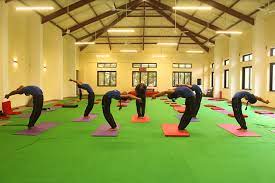
Introduction about Diploma in Yoga
A Diploma in Yoga is a specialized educational program designed to provide individuals with comprehensive knowledge and practical skills in the field of yoga. This program typically offers a structured curriculum that covers various aspects of yoga, including its philosophy, anatomy, physiology, asanas (postures), pranayama (breathing techniques), meditation, and teaching methodologies.
The aim of a Diploma in Yoga is to equip students with a deep understanding of the ancient science of yoga and its applications in promoting physical, mental, and spiritual well-being. Participants in this program often learn how to integrate yoga practices into their daily lives and, in some cases, how to teach yoga to others.
The curriculum of a Diploma in Yoga may vary among institutions, but it generally includes a balance of theoretical knowledge and practical training. Students may delve into the philosophical foundations of yoga, exploring ancient texts like the Yoga Sutras of Patanjali, while also engaging in hands-on experiences to master various yoga poses and techniques. Additionally, students may learn about the therapeutic applications of yoga and how it can be adapted to address specific health issues.
Upon successful completion of a Diploma in Yoga, individuals may pursue careers as yoga instructors, wellness coaches, or may choose to integrate their knowledge into existing professions such as healthcare, fitness, or education. This diploma serves as a foundational step for those seeking a deeper understanding of yoga and its holistic benefits for individuals and communities alike.
How can I apply for admission to Diploma in Yoga
To apply for admission to a Diploma in Yoga program, you generally need to follow a set of application procedures outlined by the institution offering the course. Here is a step-by-step guide on how you can apply:
Research Programs: Begin by researching and identifying institutions or universities that offer a Diploma in Yoga. Look for programs that align with your interests, goals, and schedule.
Check Admission Requirements: Review the admission requirements for the specific program you are interested in. These requirements may include educational qualifications, prior experience in yoga, or other criteria set by the institution.
Complete Application Form: Obtain the official application form from the institution's website or admissions office. Fill out the form accurately and completely, providing all the necessary information and supporting documents.
Submit Educational Documents: Typically, you will be required to submit copies of your educational transcripts and certificates along with your application. Ensure that you have all the necessary documentation and that it meets the institution's specifications.
Provide Letters of Recommendation: Some programs may ask for letters of recommendation from teachers, employers, or other relevant individuals who can attest to your suitability for the program. Make sure to follow the guidelines provided by the institution.
Write a Statement of Purpose (SOP): Many institutions require applicants to submit a Statement of Purpose outlining their reasons for pursuing the Diploma in Yoga, their goals, and how the program aligns with their aspirations. Craft a compelling and sincere SOP.
Application Fee: Pay the application fee, if applicable. Check the institution's website or contact the admissions office to find out the amount and payment methods.
Submit Application: Submit your completed application form, along with all required documents, either online or through the designated application submission process outlined by the institution.
Entrance Exam or Interview: Some institutions may conduct entrance exams or interviews as part of the admission process. Be prepared for any additional assessments that may be required.
Check Application Status: After submitting your application, regularly check the application status through the institution's online portal or by contacting the admissions office.
Financial Aid and Scholarships: If you need financial assistance, explore available scholarships, grants, or financial aid options. Submit any required documents for financial assistance applications.
Remember to carefully read and follow the specific instructions provided by the institution. If you have any questions or concerns during the application process, don't hesitate to contact the admissions office for clarification and guidance.
What is the eligibility for Diploma in Yoga
The eligibility criteria for a Diploma in Yoga can vary depending on the institution offering the program. However, here are some common eligibility requirements that you might encounter:
Educational Qualifications: Most programs require candidates to have completed their secondary education or its equivalent. A high school diploma or its international equivalent is often the minimum educational requirement.
Age Limit: Some institutions may have specific age criteria for admission. Ensure that you fall within the age range specified by the program.
Prior Yoga Experience: While not always mandatory, some institutions may prefer candidates with a certain level of prior experience or exposure to yoga. This could include participation in yoga classes, workshops, or self-practice.
Health and Fitness: Since yoga involves physical activity and various postures, some programs may assess the overall health and fitness of applicants. This may involve a basic health check or a declaration of fitness.
Language Proficiency: Depending on the language of instruction, you may be required to demonstrate proficiency in the language in which the program is conducted. This could involve providing scores from standardized language proficiency tests.
Letters of Recommendation: Certain programs may request letters of recommendation from teachers, employers, or individuals who can vouch for your character, dedication, and suitability for the program.
Statement of Purpose (SOP): Writing a Statement of Purpose outlining your reasons for pursuing the Diploma in Yoga, your goals, and how the program aligns with your aspirations may be a common requirement.
Entrance Exam or Interview: Some institutions may conduct an entrance examination or an interview as part of the admission process. This is often used to assess your understanding of yoga, motivation, and potential for success in the program.
How long does it takes to complete a Diploma in Yoga
The duration of a Diploma in Yoga can vary depending on the institution and the specific program structure. Generally, these diploma programs are designed to be relatively short-term compared to full-degree programs. The typical duration for a Diploma in Yoga is often around six months to one year.
Here are some factors that may influence the duration of the program:
Credit Hours or Modules: The program's structure, including the number of credit hours or modules, can affect how long it takes to complete the diploma. Some programs may have a more intensive schedule with a higher number of credit hours per term, allowing for a quicker completion.
Part-Time vs. Full-Time: Whether you enroll as a part-time or full-time student can impact the duration. Full-time students often complete the program more quickly, while part-time students may spread the coursework over a longer period.
Internship or Practical Training: If the diploma program includes an internship or practical training component, this could extend the duration. Practical experience is often an integral part of yoga programs, allowing students to apply their knowledge in real-world settings.
Semester Structure: The academic calendar of the institution, including the number of semesters or terms per year, plays a role. Some programs may follow a traditional two-semester academic year, while others might have more accelerated or flexible scheduling.
Before enrolling, it's essential to review the specific details of the Diploma in Yoga program you are interested in, including its curriculum, credit requirements, and any additional components that may impact the duration of the program. Additionally, you can contact the admissions office of the respective institution for precise information on the length of the diploma program.
What are potential career opportunities after Diploma in Yoga
After completing a Diploma in Yoga, individuals can explore various career opportunities in the field of yoga and wellness. Here are some potential career paths:
Yoga Instructor/Teacher: Many graduates choose to become yoga instructors, leading classes in studios, fitness centers, or offering private sessions. A diploma in yoga equips individuals with the knowledge and skills needed to guide others in yoga practice.
Wellness Coach: Graduates may pursue careers as wellness coaches, helping individuals incorporate yoga and holistic well-being practices into their lifestyles. This role often involves providing guidance on nutrition, stress management, and overall health.
Corporate Wellness Programs: Some professionals with a diploma in yoga work with corporations to implement wellness programs. This may involve conducting yoga sessions, stress management workshops, and promoting a healthy work environment.
Yoga Therapist: Individuals with a deeper understanding of therapeutic applications of yoga may pursue a career as a yoga therapist. They work with clients to address specific health concerns and use yoga as a complementary therapy.
Fitness Center or Spa Instructor: Yoga instructors with a diploma may find opportunities to teach in fitness centers, spas, or resorts, providing classes to individuals seeking physical and mental well-being.
Educator/Trainer: Some graduates choose to become educators or trainers in the field of yoga. This could involve teaching aspiring yoga instructors, leading workshops, or developing educational materials.
Health and Wellness Blogger/Content Creator: With the rise of digital platforms, individuals may choose to share their expertise in yoga and wellness through blogs, videos, or social media. This allows them to reach a broader audience and contribute to the online wellness community.
Holistic Health Practitioner: Graduates may explore holistic health practices by combining their knowledge of yoga with other wellness modalities, such as nutrition, meditation, and alternative therapies.
Yoga Studio Owner: Entrepreneurial individuals may choose to open their own yoga studios, offering a space for community members to practice yoga and engage in holistic well-being activities.
Community Outreach and Nonprofit Work: Some individuals with a diploma in yoga choose to work in community outreach or nonprofit organizations, bringing the benefits of yoga to underserved populations.
Syllabus of Diploma in Yoga
The specific syllabus for a Diploma in Yoga can vary among institutions, and the content may be organized differently based on the semester structure of the program. However, I can provide a general outline of topics that are commonly covered in a semester-wise format. Keep in mind that the actual syllabus may differ, and it's recommended to refer to the curriculum provided by the specific institution offering the program.
Semester 1: Foundation of Yoga
Introduction to Yoga Philosophy and History
Overview of classical yoga texts (e.g., Yoga Sutras of Patanjali)
Historical development of yoga
Yogic Anatomy and Physiology
Understanding the human body in the context of yoga
Study of prana (life force) and energy channels (nadis)
Basic Yoga Asanas (Postures)
Learning fundamental yoga poses with proper alignment
Sun Salutations and their variations
Pranayama (Breathing Techniques)
Techniques for controlled breathing
Introduction to breath awareness and its importance
Meditation and Mindfulness
Basic meditation practices
Mindfulness techniques and their applications
Semester 2: Advanced Practices and Teaching Methodologies
Advanced Yoga Asanas
Progression to intermediate and advanced yoga poses
Alignment principles and adjustments
Teaching Methodologies
Principles of effective yoga instruction
Developing lesson plans and sequencing
Yoga for Special Populations
Adapting yoga for different age groups and fitness levels
Therapeutic applications of yoga
Philosophical and Ethical Aspects of Yoga Teaching
Ethics for yoga instructors
Exploring the ethical guidelines of yoga
Internship/Practicum
Teaching practice under supervision
Classroom management and student engagement
Semester 3: Specializations and Electives
Yoga for Stress Management
Techniques for stress reduction and relaxation
Incorporating mindfulness in stress management
Ayurveda and Yoga
Introduction to Ayurvedic principles
Integrating Ayurveda with yoga practices
Research in Yoga
Basics of yoga research methodologies
Conducting small-scale research projects
Elective Courses
Specialized topics such as prenatal yoga, yoga for athletes, etc.
Students may choose elective courses based on their interests
Final Project and Assessment
Completion of a final project or thesis
Comprehensive assessment of theoretical and practical knowledge
This is a generalized outline, and the actual syllabus may include additional topics or variations based on the curriculum of the specific institution. Prospective students should refer to the official program documentation provided by the institution offering the Diploma in Yoga for the most accurate and detailed information.
Internship opportunities after completing Diploma in Yoga
Upon completing a Diploma in Yoga, individuals often have various internship opportunities to gain practical experience and further enhance their teaching skills. Here are several potential internship avenues:
Yoga Studios and Fitness Centers:
Many yoga studios and fitness centers offer internship programs for recent graduates. Interns may assist experienced instructors, observe classes, and gradually take on teaching responsibilities under supervision.
Health and Wellness Retreats:
Wellness retreats often seek individuals with a strong foundation in yoga. Interns at these retreats may assist with organizing and leading yoga sessions, workshops, and other wellness activities.
Corporate Wellness Programs:
Some companies incorporate yoga into their employee wellness programs. Interns may work with wellness coordinators to plan and implement yoga sessions within the corporate environment.
Community Centers and Nonprofit Organizations:
Interning with community centers or nonprofit organizations provides an opportunity to engage with diverse populations. This could involve teaching yoga to underserved communities, conducting workshops, or participating in outreach programs.
Healthcare Facilities:
Hospitals, rehabilitation centers, and wellness clinics may offer internship opportunities for yoga professionals. Interns may work alongside healthcare professionals to integrate yoga into patient care plans.
Educational Institutions:
Yoga professionals may intern in schools, colleges, or universities, assisting with yoga classes or wellness programs for students and faculty.
Online Platforms and Content Creation:
Interns may explore opportunities to work with online platforms, assisting in the creation of digital content such as video classes, blog posts, or social media content related to yoga and wellness.
Yoga Teacher Training Programs:
Some individuals choose to intern with institutions that offer yoga teacher training programs. This provides exposure to the process of training new yoga instructors and may involve assisting in various aspects of the training.
Holistic Health Clinics:
Interning at holistic health clinics allows individuals to integrate yoga with other holistic practices. This may involve collaborating with nutritionists, therapists, and other health professionals.
Specialized Yoga Studios:
Internship opportunities may be available in specialized yoga studios focusing on specific styles or therapeutic applications of yoga. This allows individuals to gain expertise in niche areas.
When seeking internship opportunities, it's essential for individuals to consider their personal interests, career goals, and the specific focus of the internship. Networking with professionals in the yoga community, reaching out to local studios and wellness centers, and actively participating in the yoga community can help in identifying and securing meaningful internship experiences.
Scholarships and grants for Diploma in Yoga
Scholarships and grants for a Diploma in Yoga may be available from various sources, including educational institutions, government bodies, private organizations, and foundations. Here are some potential avenues to explore when seeking financial assistance for a Diploma in Yoga:
Institutional Scholarships:
Many educational institutions offering yoga programs have their own scholarship programs. Check with the specific institution you are interested in to inquire about available scholarships, eligibility criteria, and application procedures.
Government Scholarships:
Depending on your location, government bodies may offer scholarships or financial aid for individuals pursuing education in fields related to health and wellness, including yoga. Research government scholarship programs at the national, state, or local levels.
Private Foundations and Organizations:
Some private foundations and organizations are dedicated to promoting health and wellness. Explore opportunities with foundations that support education in yoga and related disciplines.
Yoga Associations:
Yoga associations and organizations may offer scholarships to individuals pursuing yoga education. Check with local or international yoga associations to see if they have scholarship programs.
Nonprofit Organizations:
Nonprofit organizations focused on health, well-being, and education may provide financial support for individuals pursuing a Diploma in Yoga. Look for organizations that align with your goals and values.
Fitness and Wellness Industry Sponsorships:
Companies within the fitness and wellness industry may offer sponsorships or scholarships to individuals interested in pursuing a career in yoga. Explore opportunities with companies that prioritize holistic health.
Community and Cultural Foundations:
Some community and cultural foundations support educational initiatives, including those related to traditional practices like yoga. Research foundations that have a cultural or community focus.
Online Platforms and Yoga Communities:
Online platforms and yoga communities may have scholarship opportunities or resources that connect individuals with financial assistance for yoga education. Explore forums, social media groups, and websites dedicated to yoga.
Educational Loan Programs:
While not a scholarship, some individuals may choose to explore educational loan programs to finance their yoga education. Research loan options with reasonable interest rates and favorable repayment terms.
When applying for scholarships, be sure to carefully review the eligibility criteria, application deadlines, and required documentation. Prepare a strong application that highlights your dedication to yoga, your career goals, and how the scholarship will contribute to your education.
Additionally, reach out to the admissions or financial aid offices of the institution offering the Diploma in Yoga for information on specific scholarships available for the program. They can provide guidance on the application process and any additional opportunities for financial support.
Conclusion
In conclusion, a Diploma in Yoga serves as a transformative journey that goes beyond the physical practice of yoga postures, delving into the profound philosophy and holistic well-being associated with this ancient discipline. This comprehensive program equips individuals with a deep understanding of yoga, encompassing its philosophical roots, anatomical aspects, and practical applications.
Throughout the course, students engage in a well-structured curriculum, exploring the historical evolution of yoga, mastering various yoga postures, and gaining insights into the therapeutic dimensions of this ancient science. The emphasis on pranayama, meditation, and mindfulness enriches the learning experience, fostering a holistic approach to health and wellness.
The program not only imparts theoretical knowledge but also provides practical training, often including teaching methodologies and opportunities for real-world application through internships. Graduates emerge with the skills and confidence to guide others on their yoga journey, promoting physical fitness, mental clarity, and spiritual growth.
Furthermore, the Diploma in Yoga opens doors to a myriad of career opportunities. Graduates can choose paths as yoga instructors, wellness coaches, or even entrepreneurs establishing their own yoga studios. The program's versatility allows individuals to tailor their expertise, exploring specialized areas such as yoga therapy, stress management, or corporate wellness.
As yoga continues to gain recognition for its transformative impact on individuals and communities, a Diploma in Yoga becomes a valuable asset, not only for personal growth but also for contributing to the well-being of others. The journey through this diploma program marks the beginning of a lifelong exploration of yoga's profound principles and the integration of its teachings into diverse aspects of life. Whether embarking on a career in yoga instruction or using the knowledge gained to enhance existing professions, the Diploma in Yoga stands as a testament to the enduring relevance of this ancient practice in the modern world.
FAQ,s
What is a Diploma in Yoga?
A Diploma in Yoga is a specialized educational program designed to provide individuals with comprehensive knowledge and practical skills in the field of yoga. It covers various aspects of yoga, including philosophy, anatomy, postures, breathing techniques, meditation, and teaching methodologies.
Who is eligible for a Diploma in Yoga?
Eligibility criteria may vary among institutions, but typically, candidates need a high school diploma or its equivalent. Some programs may also consider prior experience in yoga, age limits, and health and fitness levels.
How long does it take to complete a Diploma in Yoga?
The duration of a Diploma in Yoga is generally around six months to one year. However, it can vary based on the institution, program structure, and whether it is pursued on a full-time or part-time basis.
What career opportunities are available after completing a Diploma in Yoga?
Graduates can pursue various career paths, including becoming yoga instructors, wellness coaches, yoga therapists, or working in corporate wellness programs, among other possibilities.
Are there internship opportunities after completing a Diploma in Yoga?
Yes, many individuals who complete a Diploma in Yoga have the opportunity to intern in yoga studios, fitness centers, wellness retreats, corporate wellness programs, and other settings to gain practical experience.
Are there scholarships available for a Diploma in Yoga?
Scholarships and grants may be available from institutions, government bodies, private foundations, and yoga associations. Eligibility criteria, application procedures, and deadlines vary, so it's advisable to research and apply for relevant opportunities.
What is the typical syllabus for a Diploma in Yoga?
The syllabus often includes foundational topics in yoga philosophy, anatomy, basic and advanced yoga postures, pranayama, meditation, teaching methodologies, and elective courses. Specifics can vary by institution.
How can I apply for admission to a Diploma in Yoga program?
To apply, research programs, check admission requirements, complete the application form, submit educational documents, provide letters of recommendation, write a statement of purpose, pay the application fee, and, if required, attend entrance exams or interviews.
Can I pursue a Diploma in Yoga online?
Yes, some institutions offer online Diploma in Yoga programs. Online programs provide flexibility for individuals who may not be able to attend traditional on-campus classes.
What are the benefits of pursuing a Diploma in Yoga?
Benefits include gaining in-depth knowledge of yoga, developing teaching skills, enhancing physical and mental well-being, and opening doors to various career opportunities in the expanding field of yoga and wellness.
How Shiksha Hub helps you in
-
 Student Counsellors
 -
 Career Counseling
 -
 Research
 -
 24/7 Support
 -
 Scholarships
 -
 Community