Posted by Admin on 16-09-2023 in Shiksha hub
Diploma in Yoga Teacher Education Admission, Registration, Eligibility, Duration, Fees, Syllabus 2024
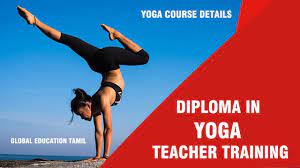
Introduction about DIPLOMA IN YOGA TEACHER EDUCATION:
A Diploma in Yoga Teacher Education is a specialized educational program designed to equip individuals with the knowledge, skills, and expertise required to become certified yoga instructors. Yoga is an ancient practice that promotes physical, mental, and spiritual well-being, and it has gained significant popularity worldwide for its numerous health benefits. As a result, there is a growing demand for qualified yoga teachers who can guide and instruct students in the art and science of yoga.
This diploma program typically covers a wide range of topics related to yoga, including:
Yogic Philosophy: Students delve into the philosophical underpinnings of yoga, exploring concepts such as the Eight Limbs of Yoga, the history and origins of yoga, and its spiritual and ethical foundations.
Asana (Physical Postures): In-depth instruction on the various yoga poses, their correct alignment, modifications, and the benefits of each posture. This involves practical training and teaching methodology.
Pranayama (Breath Control): The program often includes instruction on the control and regulation of the breath, a fundamental aspect of yoga practice, and its impact on health and well-being.
Meditation and Mindfulness: Students learn meditation techniques and mindfulness practices to cultivate inner peace, mental clarity, and emotional balance.
Anatomy and Physiology: Understanding the human body's structure and function, particularly as it relates to yoga postures and practices. This knowledge is crucial for safe and effective teaching.
Teaching Methodology: Students are taught how to plan and structure yoga classes, effective communication with students, and adapting yoga practices to various skill levels and body types.
Yogic Lifestyle and Ethics: The program may emphasize the importance of a yogic lifestyle, including healthy eating habits, ethical behavior, and the cultivation of mindfulness in daily life.
Practical Experience: Most programs include practical teaching opportunities, allowing students to gain hands-on experience by leading yoga classes and receiving feedback from instructors.
Upon completion of the Diploma in Yoga Teacher Education, graduates are typically eligible to become registered yoga teachers (RYTs) through organizations like the Yoga Alliance. This certification enhances their credibility as yoga instructors and enables them to teach yoga professionally in a variety of settings, such as yoga studios, fitness centers, schools, or private practice.
In a world where holistic well-being and stress management are becoming increasingly important, the Diploma in Yoga Teacher Education provides individuals with the necessary tools to help others achieve physical and mental balance while pursuing a fulfilling career in the field of yoga instruction.
How can I apply for admission to DIPLOMA IN YOGA TEACHER EDUCATION Program:
To apply for admission to a Diploma in Yoga Teacher Education program, you'll need to follow a specific set of steps. Keep in mind that the application process may vary depending on the institution or training center offering the program. Here's a general outline of the typical application process:
Research Programs: Begin by researching different institutions or yoga training centers that offer Diploma in Yoga Teacher Education programs. Look for programs that align with your goals, such as the duration, curriculum, and location of the program.
Check Prerequisites: Most programs have specific prerequisites, which may include a minimum age requirement, a basic understanding of yoga, and sometimes a certain level of physical fitness. Ensure you meet these prerequisites before applying.
Complete Application Form: Once you've chosen a program, obtain the application form from the institution's website or admissions office. Fill out the form with accurate and complete information. Be prepared to provide personal details, educational background, and any relevant certifications or experience.
Gather Required Documents: Depending on the program, you may need to provide supporting documents, which can include:
Transcripts or certificates from previous educational institutions.
Proof of identity (e.g., passport or ID).
Passport-sized photos.
Letters of recommendation.
Any required medical or fitness certifications.
Write a Statement of Purpose: Many programs request a statement of purpose or personal essay. In this document, explain why you want to pursue the Diploma in Yoga Teacher Education and what your goals are as a yoga teacher.
Pay Application Fee: Some institutions require an application fee. Make sure to pay this fee as specified in the application instructions.
Interview or Audition: In some cases, you may be required to attend an interview or an audition as part of the admission process. This is particularly common for programs with a competitive selection process.
Submit Your Application: Send your completed application form, along with all required documents and fees, to the institution's admissions office by the specified deadline. This may be done online or via mail, so follow the instructions provided.
Wait for Admission Decision: After submitting your application, wait for the institution to review your materials. The admission committee will typically assess your qualifications and suitability for the program.
Acceptance and Enrollment: If you are accepted, you will receive an acceptance letter or email. This letter will outline the next steps for enrollment, which often include paying tuition fees, confirming your spot, and preparing for the program start date.
Financial Aid and Scholarships: If you need financial assistance, inquire about scholarships, grants, or financial aid options available through the institution or external organizations.
Prepare for the Program: Before the program begins, make necessary arrangements such as securing accommodation if required and obtaining any recommended books or materials.
Remember that the specific requirements and steps may vary from one institution to another, so it's essential to carefully read the application guidelines provided by the program you're interested in. Additionally, contacting the program's admissions office for any clarifications or questions is advisable to ensure a smooth application process.
What is the eligibility for DIPLOMA IN YOGA TEACHER EDUCATION:
Eligibility criteria for a Diploma in Yoga Teacher Education program can vary depending on the institution or training center offering the program. However, here are some common eligibility requirements that you may encounter:
Minimum Age Requirement: Many programs have a minimum age requirement, often ranging from 18 to 21 years old. This requirement is in place to ensure that candidates have the maturity and physical readiness for yoga teacher training.
Educational Background: While some programs may not have strict educational prerequisites, others may require a minimum level of education, such as a high school diploma or its equivalent.
Basic Yoga Knowledge: It's beneficial to have a foundational understanding of yoga asanas (postures) and practices. Some programs may require you to demonstrate your knowledge and experience in yoga, while others accept beginners.
Physical Fitness: Yoga teacher training can be physically demanding. Some programs may require candidates to meet certain fitness criteria or provide a medical clearance to ensure they can participate in the training without health concerns.
Passion for Yoga: A genuine interest in yoga and a commitment to its principles and philosophy are often highly valued. This can be demonstrated through a statement of purpose or during an interview.
Language Proficiency: Depending on the program's language of instruction, you may need to meet language proficiency requirements, especially if the program is conducted in a language other than your native tongue.
Letters of Recommendation: Some programs may request letters of recommendation from individuals who can vouch for your character, dedication, and fitness for the program.
Interview or Audition: Certain programs may require candidates to attend an interview or audition to assess their suitability for the training. During the interview, you may be asked about your motivations, experiences, and goals in yoga.
It's important to carefully review the specific eligibility requirements for the Diploma in Yoga Teacher Education program you are interested in. These requirements can vary significantly from one program to another, so it's essential to consult the program's official website or contact their admissions office for detailed information. If you do not meet all the requirements but are passionate about pursuing the program, you can inquire if there are any exceptions or additional preparatory courses available to help you meet the eligibility criteria.
How long does it takes to complete a DIPLOMA IN YOGA TEACHER EDUCATION program:
The duration of a Diploma in Yoga Teacher Education program can vary depending on the institution or training center offering the program. However, a typical program often spans a period of 200 to 500 hours of training. Here are some common options:
200-Hour Programs: A 200-hour yoga teacher training program is a standard entry-level program, and it is recognized by many yoga organizations, such as the Yoga Alliance. These programs are generally designed for individuals who want to become certified yoga instructors. They typically cover fundamental yoga practices, teaching methodology, and philosophy. A 200-hour program can usually be completed in about 3 to 5 weeks if done intensively, or it can be spread out over a more extended period for part-time study.
300-Hour Programs: Some students choose to continue their education with a 300-hour program after completing a 200-hour program. A 300-hour program allows for a deeper exploration of yoga practices and teaching techniques. It can typically be completed in 3 to 6 weeks intensively or over a more extended part-time duration.
500-Hour Programs: A 500-hour yoga teacher training program is an advanced option for individuals who want to deepen their knowledge and skills in yoga instruction. This program often involves completing both the 200-hour and 300-hour programs sequentially or as a combined curriculum. The duration of a 500-hour program can range from 8 to 12 weeks intensively or can be extended over a more flexible schedule for part-time study.
The specific duration may also be influenced by factors such as the training schedule (full-time or part-time), the format (in-person or online), and the curriculum's depth and breadth. It's essential to check the program's official website or contact the training center for precise information on program length, scheduling, and the specific topics covered.
Keep in mind that the duration of the program may not solely reflect the time it takes to become a proficient yoga teacher. Many yoga teachers continue to learn and deepen their practice throughout their careers through ongoing education, workshops, and personal practice.
What are potential career opportunities after DIPLOMA IN YOGA TEACHER EDUCATION:
Earning a Diploma in Yoga Teacher Education opens up several potential career opportunities in the field of yoga and wellness. Here are some of the career paths you can pursue:
Yoga Instructor: The most common career path for those with a yoga teacher education diploma is becoming a yoga instructor. You can work in yoga studios, fitness centers, wellness retreats, or offer private classes. As a yoga instructor, you'll guide students through yoga postures, meditation, and breathing exercises to promote physical and mental well-being.
Yoga Studio Owner: If you have an entrepreneurial spirit, you can open and manage your own yoga studio. This allows you to create your unique yoga community and offer a variety of classes, workshops, and events.
Specialized Yoga Instructor: You can specialize in specific styles of yoga, such as Vinyasa, Hatha, Ashtanga, Bikram, or prenatal yoga. Specialization can set you apart and attract a specific clientele.
Yoga Therapist: As a yoga therapist, you work with individuals who have specific health issues or injuries, using yoga as a therapeutic tool to promote healing and well-being. This role may require additional training and certification.
Corporate Yoga Instructor: Many companies offer wellness programs, and you can provide on-site yoga classes to employees to reduce stress, increase productivity, and improve overall health.
School or University Yoga Instructor: Some educational institutions integrate yoga into their curriculum, and you can teach yoga to students at different levels, from primary schools to universities.
Senior Center or Rehabilitation Facility Instructor: Work with older adults or individuals recovering from injuries in senior centers or rehabilitation facilities to improve their physical and mental health through yoga.
Yoga Retreat Leader: Lead yoga retreats in various locations, combining yoga and wellness practices with travel and relaxation experiences.
Yoga Blogger or Content Creator: Share your expertise and experiences in yoga through blogs, social media, and YouTube channels. You can monetize your content through advertising, sponsorships, or online courses.
Yoga Teacher Trainer: Once you have gained substantial experience as a yoga instructor, you can become a yoga teacher trainer, conducting teacher training programs and sharing your knowledge with aspiring yoga instructors.
Yoga Author or Consultant: Write books or create educational materials about yoga, meditation, or wellness. You can also offer consulting services to individuals or organizations looking to integrate yoga into their practices.
Wellness Coach: Combine your knowledge of yoga with holistic wellness practices and offer coaching services to clients looking to improve their overall well-being.
Online Yoga Instructor: Offer virtual yoga classes or programs through online platforms, providing flexibility to students around the world.
It's important to note that while a diploma in yoga teacher education is a significant step in your career, ongoing professional development, advanced training, and certification in specific areas of interest can enhance your expertise and expand your career opportunities. Additionally, the success of your yoga career will often depend on your ability to connect with students, build a strong clientele, and maintain a consistent practice and study of yoga principles.
Syllabus of DIPLOMA IN YOGA TEACHER EDUCATION :
The specific syllabus for a Diploma in Yoga Teacher Education can vary significantly from one institution or training center to another. However, I can provide a general overview of the topics that are commonly covered in such a program, semester-wise. Keep in mind that the program may be structured differently based on the training center's curriculum and the number of hours allocated to each semester or module. Below is a typical example of a two-semester program:
Semester 1:
Yogic Philosophy and History:
Introduction to the philosophy and history of yoga.
Study of classical texts like the Yoga Sutras, Bhagavad Gita, and Hatha Yoga Pradipika.
Exploration of the eight limbs of yoga and their significance.
Anatomy and Physiology:
Understanding the human body's musculoskeletal and physiological systems.
How yoga postures affect the body, including alignment and safety.
Asana (Yoga Postures):
Practice and teaching of fundamental yoga poses.
Alignment, modifications, and contraindications.
Sequencing of yoga classes.
Pranayama (Breath Control):
Techniques for breath control and their benefits.
Teaching students how to regulate their breath during yoga practice.
Semester 2:
Advanced Asana and Sequencing:
In-depth exploration of advanced yoga postures.
Creative sequencing and designing specialized classes.
Teaching Methodology:
Developing effective teaching skills.
Hands-on practice of instructing yoga classes.
Adjustments and modifications for students.
Meditation and Mindfulness:
Techniques for meditation and cultivating mindfulness.
Guiding students in achieving mental clarity and emotional balance.
Yogic Lifestyle and Ethics:
Living a yogic lifestyle and personal development.
Ethical considerations in teaching yoga.
Practicum and Final Assessment:
Practical teaching experience with real students.
Evaluation and feedback from instructors and peers.
Final assessments and examinations.
Please note that some programs may also include optional or specialized modules that allow students to focus on specific areas of interest within the field of yoga. Additionally, the number of contact hours, the duration of the program, and the specific topics covered can vary. It's crucial to refer to the syllabus provided by the institution or training center where you plan to enroll to get detailed information on their specific curriculum. The program's structure and content may also be subject to updates and changes to reflect evolving best practices in the field of yoga instruction.
Internship opportunities after completing DIPLOMA IN YOGA TEACHER EDUCATION:
After completing a Diploma in Yoga Teacher Education, you may have the opportunity to participate in internships or practical experiences that can further enhance your teaching skills and broaden your understanding of the yoga industry. Here are some potential internship opportunities:
Yoga Studios: Many yoga studios offer internship or apprenticeship programs to new yoga instructors. These programs provide hands-on experience in teaching regular classes, assisting senior instructors, and understanding the day-to-day operations of a yoga studio.
Fitness Centers: You can explore internship opportunities at fitness centers or gyms that offer yoga classes as part of their wellness programs. This can be a valuable experience if you're interested in teaching yoga in a more mainstream fitness setting.
Wellness Retreats and Resorts: Some wellness retreats and resorts hire interns or assistant instructors to help lead yoga and wellness activities for guests. This can be an excellent way to gain experience in a luxurious and holistic setting.
Corporate Wellness Programs: Companies increasingly offer yoga and wellness programs to employees. You might find internships or part-time positions teaching yoga to employees as part of their wellness initiatives.
Community Centers: Community centers and local organizations often provide low-cost or free yoga classes to the community. You can volunteer or intern at these centers to gain experience while giving back to the community.
Yoga Teacher Training Centers: Some institutions or yoga teacher training centers hire recent graduates as assistant instructors or interns. This allows you to assist in the training of new yoga teachers and further develop your teaching skills.
Online Platforms: If you plan to teach yoga online, you can intern with established online platforms or individual yoga instructors who offer virtual classes. This experience can help you become familiar with the online teaching environment.
Yoga Therapist or Specialized Yoga Programs: If you're interested in yoga therapy or specialized yoga programs (e.g., prenatal yoga, therapeutic yoga), you can intern with experienced practitioners in these fields to gain insight into their specialized teaching methods.
Workshops and Retreats: Seasoned yoga instructors often lead workshops, retreats, or special events. You can intern with them to learn how to organize and host these kinds of programs.
Holistic Health Centers: Some holistic health centers or integrative medical practices include yoga as part of their treatment plans. You may find internship opportunities to work alongside other health professionals in such settings.
When seeking internship opportunities, it's essential to:
Network within the yoga community to discover openings and connections.
Create a strong yoga instructor resume and cover letter to highlight your training and passion.
Be open to unpaid or low-paid opportunities, especially in the beginning, as internships can provide valuable experience and references for future employment.
Seek out positions that align with your specific interests and goals within the yoga industry.
Internships can be an invaluable way to gain real-world experience, improve your teaching skills, and establish relationships within the yoga community. These experiences can set the stage for a successful career as a yoga instructor.
Scholarship and grants for DIPLOMA IN YOGA TEACHER EDUCATION:
Scholarships and grants for a Diploma in Yoga Teacher Education program can be limited compared to more traditional academic fields, but they do exist. When searching for financial assistance, consider the following options:
Yoga Associations and Organizations: Some yoga associations and organizations offer scholarships or financial assistance to individuals pursuing yoga teacher training programs. For example, the Yoga Alliance Foundation, the International Association of Yoga Therapists, or local yoga associations might have scholarship opportunities.
Institutional Scholarships: The institution or training center where you plan to complete your program may offer scholarships or financial aid to eligible students. Contact their admissions or financial aid office to inquire about available opportunities.
Diversity Scholarships: Some programs, associations, or foundations offer scholarships to individuals from underrepresented or diverse backgrounds as a means of promoting inclusivity in the yoga community.
Veterans and Military Scholarships: If you are a veteran or active-duty military personnel, you may find scholarships or grants tailored to your situation. Organizations like the Veterans Yoga Project offer scholarships to support veterans in becoming yoga instructors.
Work-Study Programs: Certain training centers may have work-study programs where you can earn a partial or full tuition waiver in exchange for assisting with administrative tasks, cleaning, or other duties at the center.
Local or Community Grants: Check with local community organizations, foundations, or wellness centers that may offer grants or financial support to individuals pursuing holistic wellness or yoga education.
Online Crowdfunding and Fundraising: You can create an online crowdfunding campaign on platforms like GoFundMe or Kickstarter to seek financial assistance from friends, family, and supporters.
Employer Tuition Assistance: If you are currently employed, inquire with your employer about whether they offer tuition reimbursement or financial assistance for professional development. Some companies have wellness programs that support yoga training.
Government Grants: In some regions, government agencies or departments related to education, health, or workforce development offer grants or scholarships for vocational training and education programs. Check with your local government and educational agencies.
Professional Development Funds: If you are already working in a related field, such as fitness or wellness, your employer may have professional development funds that can be used for yoga teacher education.
Nonprofit Foundations: Some charitable foundations support education and training programs related to health and wellness. Research foundations with a mission aligned with yoga and wellness education.
When searching for scholarships and grants, be sure to carefully review the eligibility criteria, application deadlines, and required documents. It's important to plan well in advance and explore multiple sources of financial assistance to reduce the cost of your Diploma in Yoga Teacher Education program. Additionally, don't hesitate to contact the program's admissions office for guidance on available funding opportunities.
FAQ:
What is a Diploma in Yoga Teacher Education?
A Diploma in Yoga Teacher Education is an educational program designed to train individuals to become certified yoga instructors. It covers various aspects of yoga, including philosophy, asanas (postures), pranayama (breath control), teaching methodology, and more.
What are the eligibility requirements for this program?
Eligibility criteria can vary but often include a minimum age requirement, a basic understanding of yoga, and sometimes educational prerequisites, such as a high school diploma or its equivalent.
How long does it take to complete a Diploma in Yoga Teacher Education program?
The program duration varies, with options ranging from 200-hour programs (typically lasting 3-5 weeks) to 500-hour programs (8-12 weeks). Part-time or online programs may extend over a more flexible timeline.
What career opportunities are available after completing this diploma?
Graduates can become yoga instructors, studio owners, yoga therapists, or work in various settings like schools, corporate wellness programs, or community centers. Some may choose to specialize in areas such as prenatal yoga or yoga therapy.
Are there internships available after completing the program?
Yes, many yoga studios, fitness centers, and wellness retreats offer internships for new yoga instructors. These opportunities provide hands-on teaching experience.
Are there scholarships or grants for a Diploma in Yoga Teacher Education?
Scholarships are available from yoga associations, institutions, and community organizations. Some foundations and employers also provide financial assistance for yoga teacher training.
What does the curriculum typically include?
The curriculum covers yogic philosophy, asanas, pranayama, meditation, anatomy and physiology, teaching methodology, and ethical considerations. The specific topics and duration can vary by program.
Is it possible to teach yoga online after completing this program?
Yes, many yoga instructors offer online classes and programs. The program can prepare you for both in-person and virtual teaching.
Do I need to continue my education after this diploma?
Continuing education is common in the field of yoga. Many instructors pursue advanced training, specialized certifications, and ongoing professional development to enhance their skills and knowledge.
How can I apply for a Diploma in Yoga Teacher Education program?
To apply, research programs, complete the application form, gather required documents, and follow the application process outlined by the institution or training center offering the program.
Conclusion :
In conclusion, a Diploma in Yoga Teacher Education is a valuable educational program that equips individuals with the knowledge and skills to become certified yoga instructors. It offers a comprehensive understanding of yoga philosophy, asanas (postures), pranayama (breath control), meditation, and teaching methodology. Graduates of this program can pursue a range of career opportunities in the field of yoga, such as becoming yoga instructors, studio owners, therapists, or wellness coaches.
How Shiksha Hub helps you in
-
 Student Counsellors
 -
 Career Counseling
 -
 Research
 -
 24/7 Support
 -
 Scholarships
 -
 Community