Posted by Admin on 27-07-2023 in Shiksha hub
Diploma Vision Care Technician Introduction, Admission, Registration, Eligibility, Duration, Fees, Syllabus 2024
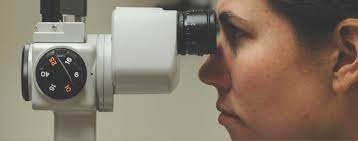
Introduction about Diploma Vision Care Technician
The Diploma in Vision Care Technician program is designed to equip individuals with the necessary knowledge and skills to work in the field of vision care. This comprehensive diploma focuses on training technicians who play a crucial role in supporting eye care professionals, such as optometrists and ophthalmologists, in providing quality eye care services to patients.
Throughout the program, students gain a deep understanding of the anatomy and physiology of the eye, as well as various eye conditions and diseases. They also learn to operate and maintain vision care equipment, including diagnostic tools used in eye examinations. Practical training is often an integral part of the curriculum, allowing students to develop hands-on skills in conducting pre-tests, administering diagnostic procedures, and assisting in vision correction processes.
Moreover, the curriculum may cover topics related to eyeglass and contact lens dispensing, enabling students to understand prescriptions, assist clients in selecting appropriate eyewear, and provide guidance on lens care and maintenance. Communication and interpersonal skills are emphasized, as vision care technicians often work closely with both eye care professionals and patients.
Upon successful completion of the Diploma in Vision Care Technician program, graduates are prepared to enter the workforce as valuable members of vision care teams. They may find employment in optometry clinics, ophthalmic practices, optical retail settings, or other healthcare facilities where their expertise in supporting eye care services is in demand. Additionally, some individuals may choose to further their education or pursue specialized certifications to enhance their career prospects in the dynamic field of vision care.
How can I apply for admission to Diploma Vision Care Technician
To apply for admission to a Diploma in Vision Care Technician program, you typically need to follow a set of steps outlined by the educational institution offering the program. Below are general guidelines that can help you navigate the application process:
Research Programs: Begin by researching institutions that offer a Diploma in Vision Care Technician. Look for reputable schools or colleges with accredited programs to ensure the quality of education.
Check Admission Requirements: Review the admission requirements for the specific program you are interested in. Requirements may include a minimum level of education (such as a high school diploma or equivalent), certain prerequisite courses, and possibly letters of recommendation.
Prepare Required Documents: Gather all necessary documents for your application. These commonly include:
Completed application form
High school transcripts or equivalent
Letters of recommendation (if required)
Personal statement or essay (if required)
Resume or curriculum vitae (CV)
Entrance Exams: Some institutions may require you to take standardized tests, such as the SAT or ACT. Check the program's admission guidelines to see if any entrance exams are mandatory.
Submit Application: Complete and submit the application form along with all required documents. This is typically done online through the institution's admission portal. Be sure to pay attention to application deadlines.
Application Fee: Some institutions charge an application fee. Ensure that you pay the fee as part of the application process, if applicable.
Interview (if required): Some programs may require an interview as part of the selection process. Prepare for any potential interviews by familiarizing yourself with common questions related to your interest in the program and the vision care field.
Financial Aid: If you need financial assistance, explore scholarship opportunities, grants, or student loans. Check with the institution's financial aid office for guidance on available options.
Wait for Admission Decision: Once you've submitted your application, patiently wait for the admission decision. Some institutions may notify you by mail or email, and you may also be able to check your application status online.
Acceptance and Enrollment: If you receive an offer of admission, carefully follow the instructions provided to accept the offer and complete the enrollment process. This may involve submitting additional documents, paying tuition fees, and attending orientation sessions.
What is the eligibility for Diploma Vision Care Technician
The eligibility criteria for a Diploma in Vision Care Technician program may vary slightly among different educational institutions. However, here are common eligibility requirements that you might encounter when applying for such a program:
Educational Qualifications:
A high school diploma or its equivalent (such as a GED) is typically a basic requirement. Some programs may also consider candidates with post-secondary education or relevant work experience.
Minimum GPA:
Institutions may set a minimum grade point average (GPA) requirement for applicants. This is often based on the grades achieved in high school or in relevant prerequisite courses.
Prerequisite Courses:
Some programs may have specific prerequisite courses that applicants must have completed, such as biology, chemistry, or mathematics. Ensure that you have taken the necessary courses or are willing to complete them before starting the program.
Entrance Exams:
While not always a requirement, some institutions may ask applicants to submit scores from standardized tests like the SAT or ACT. Check the specific admission guidelines of the program you are interested in to see if these exams are necessary.
Letters of Recommendation:
Some institutions may request letters of recommendation from teachers, employers, or other individuals who can attest to your academic or professional abilities.
Personal Statement or Essay:
Writing a personal statement or essay may be part of the application process. This allows you to express your interest in the field of vision care and explain why you are a suitable candidate for the program.
Interview (if required):
In some cases, applicants may be required to attend an interview as part of the admission process. This interview may assess your communication skills, motivation, and understanding of the vision care profession.
English Language Proficiency:
For international students or those whose primary language is not English, proof of English language proficiency through tests like the TOEFL or IELTS may be required.
Work Experience (if applicable):
Some programs may consider relevant work experience in the field of vision care as part of the eligibility criteria. This could be particularly true for individuals who have already worked in a related healthcare setting.
How long does it takes to complete a Diploma Vision Care Technician
The duration to complete a Diploma in Vision Care Technician program can vary depending on the specific institution and the structure of the program. On average, these diploma programs typically take about one to two years to complete.
Here are some factors that can influence the duration:
Full-time vs. Part-time Status:
If you are enrolled as a full-time student, you are likely to complete the program more quickly, usually within one to two years. Part-time students may take longer to finish, as they are often taking a reduced course load.
Credit Hours:
The total number of credit hours required for the program can affect its duration. A higher number of credit hours might extend the program length.
Internship or Clinical Requirements:
Some programs may include a mandatory internship or clinical component, providing hands-on experience in a real-world setting. If this is the case, the program may be longer to accommodate the additional practical training.
Prerequisite Courses:
If there are prerequisite courses that you need to complete before starting the core components of the program, it may add to the overall duration.
Summer or Intersession Courses:
Some institutions offer courses during the summer or intersession periods, allowing students to accelerate their progress and complete the program more quickly.
Before enrolling in a specific program, it's essential to review the curriculum and program structure provided by the institution. Additionally, you may want to inquire about any flexibility in the program's schedule and whether there are options for acceleration or part-time study.
Keep in mind that the duration mentioned here is a general guideline, and the actual time it takes to complete a Diploma in Vision Care Technician program may vary based on individual circumstances and the specific requirements of the educational institution.
What are potential career opportunities after Diploma Vision Care Technician
After completing a Diploma in Vision Care Technician, graduates can pursue various career opportunities in the field of vision care. Some potential career paths include:
Optometric Assistant:
Vision care technicians often work as optometric assistants, providing support to optometrists in conducting eye exams, pre-testing patients, and assisting with administrative tasks.
Ophthalmic Technician:
Graduates may find opportunities to work as ophthalmic technicians, specializing in assisting ophthalmologists with diagnostic procedures, eye surgeries, and patient care.
Optical Laboratory Technician:
Some individuals with a diploma in vision care may choose to work in optical laboratories where they are involved in the fabrication and assembly of eyeglasses and contact lenses.
Optical Sales Representative:
Graduates can explore careers in optical sales, representing eyewear manufacturers or optical retail establishments. This role involves assisting customers in selecting appropriate eyewear and providing information on lens options.
Vision Care Clinic Coordinator:
With administrative and organizational skills, graduates may take on roles as clinic coordinators in vision care settings, managing appointments, maintaining patient records, and ensuring smooth clinic operations.
Contact Lens Technician:
Individuals may specialize in contact lens fitting and dispensing, working closely with optometrists to assist patients in finding and maintaining the right contact lenses.
Optical Retail Manager:
Those with leadership skills may pursue managerial roles in optical retail settings, overseeing staff, inventory, and ensuring the efficient operation of the optical department.
Community Health Worker:
Vision care technicians can contribute to community health initiatives by working as community health workers, educating the public about eye health and conducting vision screenings.
Research Assistant in Optometry/Ophthalmology:
Graduates interested in research may find opportunities as research assistants, contributing to studies and projects in optometry or ophthalmology.
Educator or Trainer:
Some individuals may choose to share their expertise by becoming educators or trainers in vision care programs, training future vision care technicians.
Syllabus of Diploma Vision Care Technician
The specific syllabus for a Diploma in Vision Care Technician program can vary between institutions. However, here's a general overview of a semester-wise syllabus that may be typical for such a program:
Semester 1:
Introduction to Vision Care
Overview of the vision care profession
Historical development of optometry and ophthalmology
Anatomy and Physiology of the Eye
Study of the structure and function of the eye
Introduction to ocular terminology
Basic Optics
Principles of light and optics
Refraction and lensometry basics
Ocular Pathology
Common eye diseases and conditions
Understanding pathology reports
Basic Communication Skills for Healthcare
Developing effective communication with patients and eye care professionals
Patient education techniques
Semester 2:
Ophthalmic Instrumentation
Introduction to diagnostic equipment used in eye care
Hands-on training in using ophthalmic instruments
Visual Optics
Advanced concepts in optics
Lens design and prescription interpretation
Contact Lens Basics
Types of contact lenses
Fitting procedures and patient education
Pre-Testing Techniques
Performing visual acuity tests, tonometry, and other pre-testing procedures
Understanding and documenting patient history
Professional Ethics and Legal Issues
Ethical considerations in vision care
Understanding legal responsibilities and regulations
Semester 3:
Eyeglass Dispensing
Frame selection and fitting
Lens materials and coatings
Ocular Pharmacology
Introduction to medications used in eye care
Understanding prescriptions and administering eye drops
Pediatric and Geriatric Optometry
Special considerations for vision care in children and the elderly
Vision screening in different age groups
Clinical Practicum I
Hands-on experience in a clinical setting
Applying learned skills under supervision
Semester 4:
Advanced Ocular Pathology
In-depth study of complex eye diseases
Diagnostic techniques for specialized conditions
Advanced Contact Lens Fitting
Specialized contact lens fittings
Managing complications and patient follow-up
Low Vision Rehabilitation
Understanding and assisting individuals with low vision
Introduction to low vision aids
Clinical Practicum II
Further hands-on experience in a clinical setting
Independent practice under supervision
Professional Development and Continuing Education
Career planning and professional growth in vision care
Opportunities for further education and certifications
Internship opportunities after completing Diploma Vision Care Technician
After completing a Diploma in Vision Care Technician, individuals often have the opportunity to gain valuable hands-on experience through internships or clinical practicums. These experiences are crucial for applying theoretical knowledge in real-world settings and developing practical skills in vision care. Here are some potential internship opportunities:
Optometry Clinics:
Internships in optometry clinics allow individuals to work alongside optometrists and gain experience in conducting pre-tests, assisting with eye examinations, and interacting with patients.
Ophthalmology Practices:
Interning in ophthalmology practices provides exposure to more specialized eye care, including assisting ophthalmologists in diagnostic procedures, surgeries, and patient care.
Optical Retail Settings:
Internships in optical retail settings offer hands-on experience in eyeglass dispensing, helping clients select frames, interpreting prescriptions, and ensuring proper fittings.
Contact Lens Clinics:
Interning in contact lens clinics allows individuals to specialize in contact lens fitting and gain experience in fitting various types of contact lenses, managing follow-up appointments, and addressing patient concerns.
Low Vision Rehabilitation Centers:
Internships in low vision rehabilitation centers provide exposure to working with individuals who have visual impairments, assisting with low vision aids, and contributing to rehabilitation programs.
Hospitals and Healthcare Facilities:
Internships in hospitals or healthcare facilities with eye care departments allow individuals to work in diverse clinical settings and collaborate with other healthcare professionals.
Optical Laboratories:
Internships in optical laboratories offer insights into the manufacturing and fabrication of eyeglasses and contact lenses, including quality control processes.
Community Health Programs:
Internships in community health programs focus on conducting vision screenings, educating the public about eye health, and participating in outreach initiatives.
Corporate Optometry:
Some major corporate optometry chains offer internship programs where individuals can gain experience in a variety of vision care services within a corporate setting.
Research Institutions:
Interning in research institutions focused on optometry or ophthalmology allows individuals to contribute to ongoing research projects and gain exposure to the latest advancements in the field.
Scholarships and grants for Diploma Vision Care Technician
Scholarships and grants for a Diploma in Vision Care Technician program may be available from various sources, including educational institutions, government programs, private foundations, and industry associations. While availability can vary, here are some potential avenues to explore for financial assistance:
Institutional Scholarships:
Many educational institutions offer scholarships to students based on academic achievement, financial need, or a combination of factors. Check with the specific institution providing the Vision Care Technician program for information on available scholarships.
Government Grants and Aid:
Government agencies at the national, state, or local levels may offer grants or financial aid programs to support students pursuing healthcare-related diplomas. Explore government websites or financial aid offices for relevant opportunities.
Private Foundations and Organizations:
Some private foundations, nonprofit organizations, or industry-specific groups may provide scholarships or grants for students in healthcare-related fields. Look for foundations or organizations associated with optometry, ophthalmology, or vision care.
Industry Associations:
Professional associations related to vision care, such as the American Optometric Association (AOA) or the Opticians Association of America (OAA), may offer scholarships or financial support for students pursuing careers in the field.
Corporate Sponsorships:
Optical companies or businesses in the vision care industry may have scholarship programs for students studying to become Vision Care Technicians. Check with companies or corporate partners associated with your educational institution.
Community and Nonprofit Organizations:
Local community groups or nonprofit organizations may have scholarship programs to support students pursuing healthcare diplomas. Explore opportunities available in your community.
Online Scholarship Search Platforms:
Utilize online scholarship search platforms, such as Fastweb, Chegg, or College Board's Scholarship Search, to find a variety of scholarship opportunities based on your profile and interests.
Financial Aid Office:
Contact the financial aid office of the educational institution offering the Vision Care Technician program. They can provide information on available scholarships, grants, and financial aid options.
Employer Assistance:
If you are currently employed, check with your employer to see if they offer any tuition reimbursement or scholarship programs for employees seeking to enhance their skills through education.
Diversity and Inclusion Scholarships:
Conclusion
In conclusion, pursuing a Diploma in Vision Care Technician offers a comprehensive pathway for individuals aspiring to contribute to the field of eye care. This program equips students with a solid foundation in the anatomy and physiology of the eye, optical principles, and practical skills essential for supporting optometrists and ophthalmologists in delivering quality vision care services.
Throughout the program, students delve into a diverse range of subjects, including basic and advanced optics, ocular pathology, contact lens fitting, and pre-testing techniques. The curriculum typically combines theoretical knowledge with hands-on experiences, ensuring that graduates are well-prepared to enter the workforce with the necessary skills and competencies.
Upon successful completion of the diploma, a variety of career opportunities unfold. Graduates may embark on roles such as optometric assistants, ophthalmic technicians, or optical sales representatives, contributing to the health and well-being of individuals through the provision of effective vision care services. The program also opens doors to specialized areas such as contact lens fitting, low vision rehabilitation, and optical laboratory work.
Internship opportunities play a pivotal role in bridging the gap between theory and practice, allowing students to apply their knowledge in real-world settings. These hands-on experiences, gained in clinics, optical retail settings, and research institutions, not only enhance practical skills but also provide valuable networking opportunities within the vision care industry.
Financial assistance in the form of scholarships and grants further supports students in their educational journey, making the Diploma in Vision Care Technician accessible to a diverse range of individuals passionate about eye care.
In essence, this diploma program not only imparts technical expertise but also instills a sense of professionalism, ethics, and a commitment to lifelong learning in the dynamic field of vision care. As graduates enter the workforce, they bring with them a valuable skill set that contributes to the overall improvement of eye health and the well-being of the communities they serve.
FAQ,s
Q1: What is a Diploma in Vision Care Technician?
A1: A Diploma in Vision Care Technician is a specialized program designed to provide individuals with the knowledge and practical skills needed to support eye care professionals, such as optometrists and ophthalmologists. The curriculum typically covers topics such as anatomy and physiology of the eye, optics, ocular pathology, contact lens fitting, and pre-testing techniques.
Q2: How long does it take to complete the Diploma in Vision Care Technician program?
A2: The duration of the program varies, but on average, it takes one to two years to complete a Diploma in Vision Care Technician. Factors influencing the duration include full-time or part-time enrollment, internship requirements, and the specific structure of the program.
Q3: What are the career opportunities after completing a Diploma in Vision Care Technician?
A3: Graduates can pursue various career paths, including roles such as optometric assistants, ophthalmic technicians, optical laboratory technicians, contact lens technicians, and optical retail managers. There are also opportunities in areas like low vision rehabilitation, research, and community health.
Q4: Are internships or clinical practicums part of the program?
A4: Yes, many Diploma in Vision Care Technician programs include internships or clinical practicums. These experiences provide hands-on training in real-world settings, allowing students to apply their knowledge and develop practical skills under supervision.
Q5: Are there scholarships or financial aid options available for this program?
A5: Yes, there are various scholarship and financial aid options for individuals pursuing a Diploma in Vision Care Technician. Students can explore institutional scholarships, government grants, industry-specific scholarships, and online scholarship search platforms for potential financial assistance.
Q6: Can I specialize in a specific area within vision care after completing the diploma?
A6: Yes, specialization opportunities exist. Graduates can pursue specialization in areas such as contact lens fitting, low vision rehabilitation, or optical laboratory work. Some may also choose to further their education in specific fields within optometry or ophthalmology.
Q7: How can I apply for admission to a Diploma in Vision Care Technician program?
A7: The application process typically involves completing an application form, submitting required documents (such as transcripts and recommendation letters), and possibly attending an interview. It's essential to check the specific admission requirements of the institution offering the program.
Q8: What skills will I acquire during the program?
A8: Skills acquired include conducting pre-tests, understanding prescriptions, assisting with eye examinations, operating vision care equipment, dispensing eyeglasses, fitting contact lenses, and maintaining professional communication with both eye care professionals and patients.
Q9: Are there opportunities for career advancement after completing the program?
A9: Yes, there are opportunities for career advancement. Graduates may pursue further education, certifications, or managerial roles within optical retail settings. Additionally, ongoing professional development can enhance career prospects in the dynamic field of vision care.
Q10: Can I work internationally with a Diploma in Vision Care Technician?
A10: The international recognition of the diploma may vary. It's advisable to check whether the program meets the requirements for practice in the desired country and to consider additional certifications or licensing if needed.
How Shiksha Hub helps you in
-
 Student Counsellors
 -
 Career Counseling
 -
 Research
 -
 24/7 Support
 -
 Scholarships
 -
 Community