Posted by Admin on 28-07-2023 in Shiksha hub
DMCE Introduction, Admission, Registration, Eligibility, Duration, Fees, Syllabus 2024
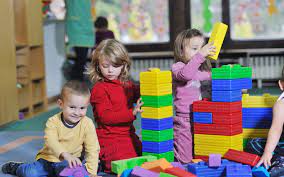
Introduction about Diploma in Montessori and Child Education
In the realm of early childhood education, the Montessori method stands out as a unique and effective approach. Originating from the innovative mind of Dr. Maria Montessori in the early 20th century, this teaching philosophy revolves around fostering a child's natural inclination to learn through self-directed activities. Let's delve into the world of Montessori education and explore the benefits of pursuing a Diploma in Montessori and Child Education.
Significance of Early Childhood Education
Cognitive Development
Early childhood is a critical phase for cognitive development. Montessori education recognizes this and provides an environment that stimulates a child's intellectual growth. From sensory activities to interactive learning materials, each element is designed to enhance cognitive abilities.
Social and Emotional Development
Beyond academics, Montessori emphasizes social and emotional development. Through group activities and collaborative learning, children develop crucial social skills and emotional intelligence, laying a strong foundation for their future interactions.
Understanding Montessori Teaching Methodology
Child-Centered Approach
At the core of Montessori is the belief in a child's natural curiosity and ability to initiate learning. The child-centered approach allows students to explore topics at their own pace, promoting a love for learning that extends beyond the classroom.
Role of the Teacher
In a Montessori setting, teachers play the role of guides, observing and facilitating rather than dictating. This dynamic interaction fosters a supportive learning environment, encouraging students to take ownership of their educational journey.
Benefits of Pursuing a Diploma in Montessori and Child Education
Career Opportunities
A diploma in Montessori and Child Education opens up diverse career paths. Graduates can work in Montessori schools, daycare centers, or even establish their own Montessori-inspired learning environments. The demand for qualified Montessori educators continues to grow globally.
Impact on Teaching Skills
Apart from career opportunities, the diploma program significantly enhances teaching skills. Participants gain insights into child psychology, effective classroom management, and innovative teaching methodologies that can be applied across various educational settings.
Curriculum Overview
Core Subjects
The curriculum covers a comprehensive range of subjects, including child development, educational psychology, and curriculum planning. Practical training sessions provide hands-on experience in implementing Montessori principles.
Practical Aspects
One distinctive feature of Montessori education is the emphasis on practical life skills. The curriculum includes activities that develop fine and gross motor skills, sensory perception, and problem-solving abilities.
Montessori and Child Psychology Connection
Child Behavior Analysis
Understanding child psychology is fundamental in Montessori education. The program equips educators with the tools to analyze and respond effectively to the diverse behavioral patterns exhibited by children.
Implementing Effective Teaching Strategies
Through the integration of psychological principles, educators learn to tailor teaching strategies to meet the individual needs of each child. This personalized approach enhances the overall effectiveness of the learning experience.
Admission Requirements and Process
Eligibility Criteria
Admission to a Diploma in Montessori and Child Education program typically requires a high school diploma or equivalent. Some institutions may also assess the candidate's aptitude for working with children.
Application Procedure
The application process involves submitting academic transcripts, letters of recommendation, and a personal statement outlining the candidate's interest in Montessori education. An interview may be part of the selection process.
Duration and Structure of the Diploma Program
Course Modules
The diploma program usually spans one to two years, covering both theoretical and practical aspects of Montessori education. Modules include child development theories, curriculum design, and hands-on teaching practice.
Practical Training Sessions
An integral part of the program is the practical training component, where students work in real classroom settings under the guidance of experienced Montessori educators. This hands-on experience is invaluable in applying theoretical knowledge to real-world scenarios.
Accreditation and Recognition
Importance of Accredited Programs
Choosing an accredited program ensures that the diploma holds value in the education sector. Accreditation is a testament to the program's adherence to quality standards and its alignment with the principles of Montessori education.
Recognized Certification Bodies
Look for programs recognized by reputable certification bodies in the field of education. Graduating from a recognized institution enhances the credibility of the diploma, opening doors to a wider range of career opportunities.
Testimonials and Success Stories
Alumni Experiences
Hearing from alumni about their experiences in the program and subsequent careers provides valuable insights. Many graduates attest to the transformative impact of Montessori education on their teaching philosophy and professional growth.
Career Progression After Completing the Diploma
Explore the career trajectories of individuals who have completed the diploma. Whether it's starting their own Montessori school, contributing to curriculum development, or excelling in traditional educational settings, the diploma serves as a springboard for diverse career paths.
Challenges and Solutions in Montessori Education
Addressing Common Issues
While Montessori education has proven benefits, it also comes with its challenges. Identifying and addressing issues such as adapting to individual learning styles and managing diverse classrooms are essential for success.
Continuous Improvement in Teaching Methods
The field of education is dynamic, and Montessori educators must stay abreast of evolving teaching methodologies. Continuous professional development ensures that educators can adapt to the changing needs of students and the educational landscape.
Global Trends in Early Childhood Education
Montessori Education on a Global Scale
Montessori principles have transcended borders,
How to Apply for Admission to a Diploma in Montessori and Child Education
Are you passionate about shaping the future of young minds through Montessori education? The process of applying for admission to a Diploma in Montessori and Child Education program involves several key steps. Here's a comprehensive guide to help you navigate the application process seamlessly:
Research and Choose the Right Program
Start by researching various institutions that offer a Diploma in Montessori and Child Education. Look for accredited programs that align with your career goals and educational preferences. Consider factors such as program duration, curriculum, and practical training components.
Check Eligibility Criteria
Before initiating the application process, carefully review the eligibility criteria set by the institution. Most programs require a high school diploma or equivalent. Some may also assess your aptitude for working with children, so be prepared to demonstrate your passion for early childhood education.
Gather Necessary Documents
Prepare a comprehensive application package, including:
Academic transcripts: Provide records of your educational achievements.
Letters of recommendation: Obtain letters from educators or professionals who can attest to your suitability for the program.
Personal statement: Craft a compelling statement outlining your interest in Montessori education and explaining why you're a suitable candidate.
Complete the Application Form
Fill out the application form provided by the institution. Pay close attention to all sections, providing accurate and detailed information. Some institutions may require additional essays or responses to specific questions, so be thorough in your responses.
Schedule an Interview
Many Montessori and Child Education programs conduct interviews as part of the admissions process. Be prepared to discuss your motivation for pursuing this diploma, your previous experiences with children, and your future goals as an educator. Treat the interview as an opportunity to showcase your passion and commitment.
Submit Your Application
Once you have compiled all the necessary documents and completed the application form, submit your application by the specified deadline. Ensure that you adhere to any additional requirements or guidelines provided by the institution.
Await Admission Decision
After submitting your application, patiently await the admission decision. Institutions typically communicate decisions within a specified timeframe. Use this waiting period to further research the program and prepare for the possibility of an interview.
Explore Financial Aid Options
If the cost of the program is a concern, inquire about financial aid or scholarship opportunities. Some institutions offer assistance to deserving candidates, so explore all available options to support your education.
Acceptance and Enrollment
Upon receiving an offer of admission, carefully review the acceptance letter and any accompanying materials. Follow the instructions for enrollment, which may include submitting a confirmation of acceptance and paying any necessary fees.
Attend Orientation
Once enrolled, participate in any orientation sessions offered by the institution. This is an excellent opportunity to familiarize yourself with the program, meet faculty and fellow students, and gain insights into what to expect during your studies.
Embarking on a Diploma in Montessori and Child Education is a fulfilling journey that prepares you for a rewarding career in early childhood education. By following these steps, you can navigate the application process with confidence and set yourself on the path to becoming a qualified Montessori educator. Good luck!
What is the eligibility for Diploma in Montessori and Child Education
Eligibility Criteria for a Diploma in Montessori and Child Education
If you're considering pursuing a Diploma in Montessori and Child Education, it's crucial to understand the eligibility criteria to ensure a smooth application process. Here are the common requirements that institutions may set for admission to such programs:
Educational Qualifications:
Applicants typically need to have a high school diploma or its equivalent. This foundational educational background ensures a basic level of academic competence and sets the stage for understanding the principles of Montessori education.
Age Requirement:
While age requirements can vary, many institutions prefer candidates who are at least 18 years old. This age guideline ensures that applicants have the maturity and life experience necessary to work with young children effectively.
Passion for Early Childhood Education:
Institutions often look for candidates who exhibit a genuine passion for working with young children. This can be demonstrated through relevant experiences, such as volunteering in schools, childcare centers, or community programs.
Communication Skills:
Effective communication is paramount in the field of education. Applicants are typically expected to possess strong verbal and written communication skills, as these skills are essential for conveying information to both children and parents.
Letters of Recommendation:
Some institutions may require letters of recommendation as part of the application process. These letters, usually from educators or professionals who can attest to the applicant's character and suitability for the program, provide valuable insights into the applicant's capabilities.
Aptitude for Working with Children:
Given the nature of Montessori education, an inherent aptitude for working with children is highly desirable. Applicants may be assessed on their ability to connect with and understand the needs of young learners.
Interview Process:
Institutions may conduct interviews as part of the admissions process. This is an opportunity for the applicant to articulate their passion for Montessori education, discuss their experiences with children, and showcase their potential as a future Montessori educator.
Background Check:
Due to the nature of working with children, some institutions may require applicants to undergo a background check. This is to ensure the safety and well-being of the children in the educational environment.
Personal Statement:
A well-crafted personal statement is often a requirement. This statement allows applicants to express their motivations for pursuing a Diploma in Montessori and Child Education, detailing how the program aligns with their career goals and aspirations.
Additional Requirements:
Depending on the institution, there may be additional requirements such as a written essay, a demonstration of creative skills, or participation in an observational session in a Montessori classroom.
Understanding and meeting these eligibility criteria is essential for a successful application to a Diploma in Montessori and Child Education program. Before applying, carefully review the specific requirements of the institution you're interested in to ensure that you fulfill all necessary conditions for admission.
How long does it takes to complete a Diploma in Montessori and Child Education
Duration of a Diploma in Montessori and Child Education Program
The duration of a Diploma in Montessori and Child Education program can vary based on the institution and the specific structure of the program. Generally, these diploma programs are designed to provide a comprehensive and in-depth understanding of Montessori education principles along with practical training. Here are some common factors that influence the duration:
Program Structure:
The structure of Montessori and Child Education programs can differ. Some institutions offer diploma programs with a more extensive curriculum, including additional elective courses or specializations, which may extend the overall duration.
Full-Time vs. Part-Time Options:
Many institutions provide flexibility in scheduling, offering both full-time and part-time options. A full-time diploma program typically takes around one to two years to complete, while part-time options may extend the duration to accommodate individuals with other commitments.
Practical Training Components:
One of the distinguishing features of Montessori education programs is the inclusion of practical training in real classroom settings. The amount of time dedicated to practical training can impact the overall duration of the program. Programs with more extensive practical components may have a longer duration.
Credit Hours and Modules:
The credit hours assigned to each module or course within the program contribute to the overall duration. Programs with a higher number of credit hours may require more time to cover the curriculum adequately.
Internship or Fieldwork Requirements:
Some programs incorporate internships or fieldwork as part of the curriculum. If the program requires a significant amount of hands-on experience in a Montessori classroom, this can influence the duration of the diploma.
Institution Policies:
Institutional policies, such as academic calendars and semester structures, can also impact the duration of the program. Some institutions follow a trimester system, while others may operate on a semester-based schedule.
Prerequisites and Transfer Credits:
Individuals entering the program with prior education or experience in early childhood education may be eligible for transfer credits, shortening the overall duration. Prerequisite courses or assessments may also affect the time it takes to complete the program.
Self-Paced Programs:
Certain institutions offer self-paced or online learning options. While these provide flexibility, allowing students to progress at their own speed, they may still have a suggested timeline for completion.
What are potential career opportunities after Diploma in Montessori and Child Education
Potential Career Opportunities After Completing a Diploma in Montessori and Child Education
Embarking on a journey to earn a Diploma in Montessori and Child Education opens up a myriad of rewarding career opportunities in the field of early childhood education. Here are some potential career paths that graduates can explore:
Montessori Educator:
Graduates can pursue roles as Montessori educators in Montessori schools or classrooms. As educators, they facilitate learning through the Montessori method, creating an environment that fosters curiosity, independence, and a love for learning in young children.
Preschool Teacher:
With a solid foundation in child development and educational principles, diploma holders can work as preschool teachers in traditional early childhood education settings. They can apply Montessori principles or integrate them with other teaching methodologies.
Childcare Center Director:
Experienced professionals may advance to leadership roles, such as childcare center directors or managers. These roles involve overseeing the daily operations of childcare facilities, ensuring regulatory compliance, and managing staff.
Educational Consultant:
Graduates with a Diploma in Montessori and Child Education can become educational consultants, providing guidance to schools, educators, and parents on implementing Montessori principles and creating effective learning environments for young children.
Curriculum Developer:
Individuals with a strong understanding of Montessori education can contribute to the development of educational curricula. They may work with educational publishers, institutions, or organizations to create materials that align with Montessori principles.
Parent Educator:
Some diploma holders choose to work as parent educators, conducting workshops and sessions to educate parents on the principles of Montessori education. This role involves offering guidance on fostering a Montessori-friendly environment at home.
Child Development Specialist:
Graduates can explore opportunities as child development specialists, working with organizations that focus on holistic child development. This may involve designing programs that cater to the physical, cognitive, and emotional needs of children.
Special Education Teacher:
With additional training or certifications, diploma holders can specialize in working with children with special needs. They can become special education teachers, adapting Montessori principles to meet the unique requirements of diverse learners.
Entrepreneurial Ventures:
Some graduates opt to start their own Montessori-inspired childcare centers or preschools. This entrepreneurial path allows them to create a learning environment tailored to their vision of Montessori education.
Educational Researcher:
For those inclined towards research, a career as an educational researcher is a viable option. Graduates can contribute to the field by conducting studies on the effectiveness of Montessori education and contributing to academic literature.
Professional Development Trainer:
Experienced diploma holders can transition into roles as professional development trainers, conducting training sessions for educators interested in incorporating Montessori principles into their teaching practices.
Community Program Coordinator:
Diploma holders can work with community organizations to coordinate educational programs and activities for young children. This role involves collaborating with local communities to enhance early childhood education initiatives.
School Administrator:
With experience and further education, graduates may pursue administrative roles within educational institutions, such as becoming school administrators or principals.
Educational Blogger or Content Creator:
For those with a passion for writing and communication, a career in educational blogging or content creation allows graduates to share insights, tips, and resources related to Montessori education.
International Opportunities:
Qualified Montessori educators are in demand globally. Graduates may explore opportunities to teach in international Montessori schools or contribute to educational projects on a global scale.
In conclusion, a Diploma in Montessori and Child Education opens doors to a diverse range of fulfilling and impactful career opportunities. Whether graduates choose to work directly with children, contribute to curriculum development, or take on leadership roles, their expertise in Montessori education positions them for success in the dynamic field of early childhood education.
Syllabus of Diploma in Montessori and Child Education s
Earning a Diploma in Montessori and Child Education involves a comprehensive curriculum that encompasses various aspects of early childhood education. The syllabus is typically structured across semesters, providing students with a well-rounded understanding of Montessori principles and effective teaching practices. Below is a hypothetical semester-wise breakdown of the syllabus:
Semester 1: Foundations of Montessori Education
Introduction to Montessori Education
Historical overview of Montessori philosophy
Core principles and values
Child Development Theories
Overview of major child development theories
Application of theories in Montessori education
Montessori Classroom Environment
Design and organization of a Montessori classroom
Materials and resources
Observation and Assessment
Importance of observation in Montessori education
Techniques for assessing child development
Introduction to Practical Life Skills
Practical life activities in Montessori
Integration into the curriculum
Semester 2: Montessori Teaching Methodology
2.1 Child-Centered Approach
Understanding and implementing child-centered teaching
Facilitating independence and self-directed learning
2.2 Role of the Montessori Educator
Shifting from traditional teaching to guiding
Classroom management in a Montessori setting
2.3 Sensorial Education
Importance of sensorial experiences in learning
Implementation of sensorial activities
2.4 Language Development
Language curriculum in Montessori education
Encouraging language acquisition and literacy
2.5 Mathematics in Montessori
Montessori math materials and concepts
Sequential learning in mathematics
Semester 3: Practical Training and Classroom Implementation
3.1 Practical Training
Hands-on experience in a Montessori classroom
Observation and practice teaching under supervision
3.2 Curriculum Planning and Development
Designing a Montessori curriculum
Tailoring activities to individual needs
3.3 Cultural Subjects
Introduction to cultural subjects (geography, history, etc.)
Integrating cultural lessons into daily activities
3.4 Parent and Community Involvement
Importance of parent-teacher collaboration
Community outreach initiatives
Semester 4: Specialization and Research Project
4.1 Specialization Elective
Choose a specialization (e.g., special education, early childhood psychology)
In-depth study in the chosen area
4.2 Research Project
Conducting research in Montessori education
Presenting findings and implications
4.3 Advanced Classroom Management
Strategies for addressing diverse learning needs
Creating inclusive Montessori classrooms
4.4 Professional Development
Continuing education in the field
Building a professional network
Internship Opportunities After Completing a Diploma in Montessori and Child Education
Completing a Diploma in Montessori and Child Education not only equips graduates with theoretical knowledge but also emphasizes practical training through internships. These internships provide invaluable hands-on experience, allowing individuals to apply Montessori principles in real-world educational settings. Here are potential internship opportunities for graduates:
Montessori Schools and Preschools:
Interning in established Montessori schools or preschools is a natural choice. This hands-on experience enables graduates to work directly with children, observe experienced educators, and implement Montessori methods in a classroom setting.
Childcare Centers:
Interning in childcare centers provides exposure to a diverse range of age groups and educational philosophies. It allows graduates to adapt Montessori principles to different early childhood education environments.
Special Education Centers:
Internships in special education centers offer a unique opportunity to work with children who have diverse learning needs. This experience helps graduates develop inclusive teaching strategies and tailor Montessori methods to individual requirements.
Community Outreach Programs:
Interning in community outreach programs allows graduates to engage with families and communities. This experience is beneficial for understanding the broader societal context of early childhood education and implementing Montessori principles beyond the classroom.
Parent-Child Playgroups:
Participating in or organizing parent-child playgroups provides a platform for graduates to interact with both children and parents. This setting allows them to share Montessori principles with parents and caregivers while facilitating interactive learning for children.
Educational NGOs and Non-profits:
Interning with educational NGOs or non-profits focused on early childhood development provides a chance to contribute to community initiatives. Graduates can actively participate in designing and implementing educational programs based on Montessori principles.
Curriculum Development Organizations:
Interning with organizations involved in curriculum development allows graduates to contribute to the creation of Montessori-inspired educational materials. This experience is valuable for those interested in the design and enhancement of educational resources.
Early Childhood Research Institutions:
Internships in research institutions focused on early childhood education provide exposure to the latest research and trends. Graduates can contribute to ongoing projects and gain insights into evidence-based practices in Montessori education.
Online Educational Platforms:
Interning with online educational platforms or content creators allows graduates to explore digital avenues for Montessori education. This experience is particularly relevant in today's technology-driven educational landscape.
Government Educational Programs:
Some government initiatives focus on early childhood education. Interning with such programs provides graduates with insights into the broader policy landscape and the implementation of Montessori methods in government-supported educational settings.
Cultural Exchange Programs:
Interning abroad through cultural exchange programs allows graduates to experience Montessori education in different cultural contexts. This exposure enhances their adaptability and cross-cultural communication skills.
Language Immersion Programs:
For those interested in language development in early childhood, internships in language immersion programs can be valuable. Graduates can observe and implement Montessori strategies for language acquisition in diverse linguistic environments.
Museum Education Programs:
Interning in museum education programs with a focus on early childhood engagement provides a unique perspective. Graduates can integrate Montessori principles into interactive and experiential learning activities.
Educational Consultancies:
Interning with educational consultancies allows graduates to engage with schools and educators seeking guidance on Montessori education implementation. This role involves offering insights, conducting workshops, and providing practical advice.
Continuing Education Centers:
Internships with institutions offering continuing education for educators allow graduates to contribute to professional development initiatives. This experience is valuable for those interested in ongoing learning and training within the field.
Securing an internship in any of these diverse settings not only enhances practical skills but also broadens perspectives on the application of Montessori principles in various educational contexts. It is advisable for graduates to actively seek internships aligned with their career goals and interests to make the most of this valuable experiential learning opportunity.
Scholarships and Grants for Diploma in Montessori and Child Education
Pursuing a Diploma in Montessori and Child Education can be financially rewarding in terms of career opportunities, but the cost of education can be a concern for many. Fortunately, there are several scholarships and grants available to support individuals seeking to advance their career in early childhood education. Here are potential sources of financial assistance:
Montessori Training Center Scholarships:
Many Montessori training centers offer their own scholarships to students enrolling in their diploma programs. These scholarships may be merit-based or need-based, and they often aim to support aspiring Montessori educators in their educational journey.
Educational Institutions:
The institutions providing Montessori and Child Education programs may have scholarship programs for their students. These scholarships can be based on academic achievements, leadership qualities, or financial need. Prospective students should inquire about scholarship opportunities during the admission process.
Professional Organizations:
Professional organizations related to early childhood education, such as the American Montessori Society (AMS) or the International Montessori Council (IMC), may offer scholarships or grants. These organizations are committed to promoting excellence in Montessori education and supporting individuals on their educational paths.
Government Grants and Aid:
In some regions, government agencies may provide grants or financial aid for individuals pursuing education in early childhood development. Check with local education departments or relevant government bodies to explore available opportunities.
Non-profit Foundations:
Various non-profit foundations and organizations dedicated to education and child development may offer scholarships for Montessori and Child Education programs. Research foundations aligned with the values and goals of Montessori education to discover potential funding sources.
Community Organizations:
Local community organizations, especially those focused on education and children's welfare, may have scholarship programs. These organizations aim to invest in the development of skilled educators who can contribute to the community.
Corporate Sponsorships:
Some corporations, especially those with a commitment to education and community involvement, may offer sponsorships or scholarships for individuals pursuing a Diploma in Montessori and Child Education. Explore partnerships with local businesses or corporations in the education sector.
Philanthropic Individuals:
Individuals passionate about education and child development may establish private scholarships to support aspiring Montessori educators. Research philanthropic individuals or donors who have a history of supporting educational initiatives.
Online Scholarship Platforms:
Explore online scholarship platforms such as Fastweb, Chegg, or Scholarship.com. While these platforms may primarily focus on university-level scholarships, they occasionally feature opportunities for specialized training programs like Montessori education.
Alumni Associations:
Some Montessori training centers or educational institutions have alumni associations that fund scholarships for current students. Alumni who have benefited from Montessori education may contribute to supporting the next generation of educators.
Regional Education Initiatives:
Check for regional or local education initiatives that support professional development in early childhood education. Regional educational bodies may offer grants or subsidies for individuals pursuing Montessori training.
Diversity and Inclusion Scholarships:
Certain scholarships focus on promoting diversity and inclusion in education. These scholarships aim to support individuals from underrepresented backgrounds who are pursuing careers in Montessori and Child Education.
Women in Education Scholarships:
Some scholarships specifically target women pursuing careers in education. These scholarships may be offered by women's organizations or foundations with a commitment to empowering women in the education sector.
Religious or Cultural Organizations:
Religious or cultural organizations that prioritize education may provide scholarships for individuals pursuing Montessori and Child Education. Explore opportunities within organizations that align with personal beliefs and values.
Online Learning Platforms:
If pursuing an online diploma program, inquire about scholarships offered by the online learning platform or institution. Some platforms provide financial assistance to make education more accessible.
Prospective students should thoroughly research and apply to multiple scholarship opportunities to maximize their chances of securing financial support for their Montessori and Child Education journey. Additionally, staying informed about deadlines and application requirements is crucial for a successful scholarship application process.
Conclusion
In conclusion, earning a Diploma in Montessori and Child Education is a transformative journey that equips individuals with the knowledge, skills, and passion to nurture the minds of young learners. This comprehensive program goes beyond traditional educational methods, emphasizing the principles laid out by Maria Montessori to create an environment that fosters independence, curiosity, and a love for learning.
As graduates of this program step into the realm of early childhood education, they carry with them a profound understanding of child development, effective teaching methodologies, and the ability to create dynamic and engaging learning environments. The culmination of theoretical insights and hands-on experiences prepares them for a range of fulfilling career opportunities in the ever-evolving field of education.
The semester-wise breakdown of the curriculum, including foundational theories, practical training, and specialized electives, ensures that graduates emerge not only as educators but also as advocates for holistic child development. The emphasis on internships provides real-world exposure, allowing them to apply Montessori principles in diverse educational settings and adapt to the unique needs of each child.
Financial barriers are eased through various scholarship and grant opportunities, making this specialized education accessible to a broader spectrum of passionate individuals. These financial aids, coupled with the support of educational institutions, professional organizations, and community initiatives, reinforce the commitment to fostering excellence in Montessori education.
As the journey concludes, graduates find themselves poised to make a significant impact on the lives of children and families. Whether in traditional Montessori schools, community outreach programs, or specialized educational roles, their dedication to creating nurturing environments echoes the essence of Maria Montessori's vision.
In the spirit of continuous learning and professional growth, the conclusion of the diploma program is not an endpoint but a commencement into a career marked by exploration, innovation, and a commitment to lifelong learning. The ripple effect of Montessori and Child Education extends far beyond the classroom, influencing not only the educational landscape but also contributing to the broader goals of fostering curious, compassionate, and well-rounded individuals.
In closing, the Diploma in Montessori and Child Education stands as a gateway to a fulfilling and impactful career, where graduates play a pivotal role in shaping the future by instilling a love for learning in the hearts of the youngest minds. With this diploma in hand, the journey towards excellence in Montessori education continues, driven by the unwavering belief that every child holds the potential to thrive and contribute meaningfully to the world.
FAQ,s
What is the duration of a Diploma in Montessori and Child Education program?
The duration of a Diploma in Montessori and Child Education program typically ranges from one to two years, depending on the institution and the specific structure of the program.
What are the eligibility criteria for enrolling in a Montessori and Child Education program?
Eligibility criteria commonly include a high school diploma or its equivalent. Some programs may also assess a candidate's passion for early childhood education, communication skills, and may require letters of recommendation.
Are there scholarships available for Montessori and Child Education programs?
Yes, various scholarships and grants are available to support individuals pursuing a Diploma in Montessori and Child Education. These can be offered by training centers, educational institutions, professional organizations, and community initiatives.
Can I work internationally after completing a Diploma in Montessori and Child Education?
Yes, qualified Montessori educators are in demand globally. Many graduates find opportunities to work in international Montessori schools or contribute to educational projects on a global scale.
What career opportunities are available after completing the diploma program?
Graduates can explore various career paths, including Montessori educator, preschool teacher, childcare center director, educational consultant, curriculum developer, special education teacher, and more. The diploma opens doors to a range of fulfilling opportunities in early childhood education.
How does the practical training component work in the program?
Practical training involves hands-on experience in a Montessori classroom. Students observe experienced educators, engage in practice teaching under supervision, and apply Montessori principles in real-world educational settings.
Are there online options for the Diploma in Montessori and Child Education?
Yes, some institutions offer online or blended learning options for the diploma program. Online platforms provide flexibility for individuals who may not have access to traditional on-campus programs.
Can I specialize in a particular area during the program?
Yes, many programs offer specialization electives in areas such as special education, early childhood psychology, or language development. This allows students to tailor their education to align with specific interests and career goals.
What support is available for graduates in terms of professional development?
Graduates can engage in ongoing professional development through workshops, seminars, and conferences. They may also join alumni networks, participate in educational research, and pursue advanced certifications to further enhance their skills.
How can I contribute to the community as a Montessori educator?
Montessori educators can contribute to the community by organizing parent-child playgroups, conducting workshops for parents, collaborating with local organizations, and actively participating in community outreach programs focused on early childhood education.
How Shiksha Hub helps you in
-
 Student Counsellors
 -
 Career Counseling
 -
 Research
 -
 24/7 Support
 -
 Scholarships
 -
 Community