Posted by Admin on 08-07-2023 in Shiksha hub
DTH Set Top Box Installation & Service Technician Admission, Registration, Eligibility, Duration, Fees, Syllabus 2024
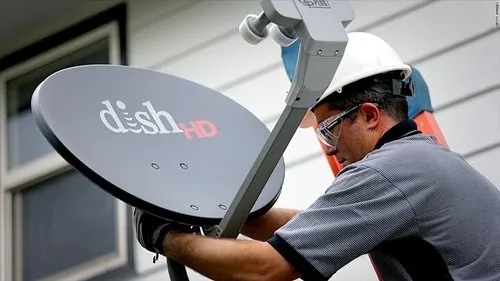
Introduction About DTH Set Top Box Installation & Service Technician
In a world dominated by digital entertainment, Direct-to-Home (DTH) technology has become a household staple. The seamless experience of accessing a plethora of channels directly at home has been made possible by DTH Set Top Boxes. This article delves into the crucial role played by DTH Set Top Box Installation & Service Technicians, the skills required, career opportunities, and the evolving landscape of DTH technology.
The Role of DTH Set Top Box Installation Technicians
DTH Set Up
One of the primary responsibilities of a DTH technician is the proper installation of the Set Top Box. This involves connecting the necessary cables, ensuring compatibility with the television, and configuring the system for optimal performance.
Signal Strength
Technicians are also tasked with ensuring optimal signal strength. This includes aligning the satellite dish accurately and troubleshooting any issues that may arise, such as signal interference or weak signals during adverse weather conditions.
Troubleshooting and Repairs
Beyond installation, technicians play a vital role in troubleshooting and repairing any malfunctions. This demands a deep understanding of the technology, problem-solving abilities, and effective communication with customers to guide them through potential quick fixes.
Skills Required for DTH Set Top Box Installation Technicians
Technical Proficiency
Being technically adept is non-negotiable for DTH technicians. They must be well-versed in the intricacies of DTH technology, understanding the hardware, software, and communication protocols involved.
Communication Skills
Apart from technical expertise, communication skills are paramount. Technicians need to explain complex technical issues in a manner that customers can understand, providing assurance and guidance effectively.
Problem-Solving Abilities
Quick thinking and effective problem-solving are critical attributes. Technicians often encounter unique challenges that require on-the-spot solutions to ensure uninterrupted service for the customer.
Training and Certification
Importance of Formal Training
Formal training programs are instrumental in equipping technicians with the necessary skills. These programs cover both theoretical and practical aspects, ensuring a comprehensive understanding of DTH technology.
Industry-Recognized Certifications
Obtaining industry-recognized certifications adds credibility to a technician's profile. These certifications validate their expertise and assure customers of their competence.
Challenges Faced by DTH Set Top Box Installation Technicians
Technological Advancements
The rapid pace of technological advancements poses a continuous challenge for technicians to stay updated. Continuous learning and adaptation are essential to keep pace with the evolving landscape.
Customer Expectations
As customers become more tech-savvy, their expectations rise. Technicians must not only meet but exceed these expectations to ensure a positive customer experience.
The Evolving Landscape of DTH Technology
Introduction to the Latest DTH Technologies
The DTH sector is witnessing constant innovation. The integration of high-definition broadcasting, interactive features, and smart device compatibility are shaping the future of DTH technology.
Impact on Installation and Service Procedures
These advancements also impact the installation and service procedures. Technicians need to adapt to new technologies, requiring additional training to provide seamless service to customers.
Career Opportunities in DTH Set Top Box Installation
Job Market Overview
The demand for skilled DTH technicians is on the rise. As more households embrace digital entertainment, the need for efficient installation and service becomes paramount.
Growth Prospects
The career trajectory for DTH technicians is promising. With the expansion of DTH services, opportunities for growth within the industry are abundant.
Industry Trends and Innovations
Technological Advancements
Cutting-edge technologies like Artificial Intelligence (AI) and Internet of Things (IoT) are making their way into DTH systems. Technicians must familiarize themselves with these trends to provide comprehensive service.
Integration with Smart Devices
The integration of DTH services with smart devices opens new avenues for technicians. Understanding these integrations and troubleshooting related issues become essential.
Customer Education and Awareness
Importance of Educating Customers
Technicians play a pivotal role in educating customers about their DTH systems. This includes explaining features, troubleshooting steps, and addressing common concerns.
Addressing Common Concerns
Common concerns, such as signal disruptions or remote control issues, require clear communication and step-by-step guidance. Technicians must equip customers with the knowledge to resolve minor issues independently.
Future Prospects for DTH Set Top Box Installation Technicians
Emerging Technologies
As DTH technology continues to evolve, technicians can anticipate new opportunities in emerging technologies like 8K broadcasting, virtual reality integration, and more.
Anticipated Changes in Job Roles
The expanding scope of DTH services may lead to changes in job roles, with technicians taking on additional responsibilities related to advanced features and technologies.
Importance of Quality Service
Customer Satisfaction
Quality service is synonymous with customer satisfaction. Technicians who consistently provide reliable service contribute to positive customer experiences.
Impact on Brand Reputation
How can I Apply for Admission to DTH Set Top Box Installation & Service Technician Program
Are you intrigued by the world of DTH technology and aspire to become a skilled Installation & Service Technician? Applying for admission to a DTH Set Top Box Installation & Service Technician Program is your first step toward a rewarding career. Here's a comprehensive guide on how to navigate the application process:
Research Programs and Institutions
Before applying, research various programs offered by reputable institutions. Look for programs that cover both theoretical knowledge and practical skills essential for DTH technicians.
Check Admission Requirements
Different programs may have varied admission criteria. Ensure you meet the basic requirements, which often include a high school diploma or equivalent. Some programs may also have specific prerequisites related to technical aptitude.
Online Application
Most institutions offer online application portals. Fill out the required information accurately and upload any necessary documents, such as transcripts or letters of recommendation.
Submit Application Fee
Some programs require an application fee. Ensure you submit the fee along with your application. If you're facing financial constraints, check for any fee waiver options.
Prepare a Statement of Purpose
Many programs require a statement of purpose outlining your motivation for joining the program, career goals, and why you're interested in DTH technology. Craft a compelling statement that reflects your passion and commitment.
Letters of Recommendation
Some programs may ask for letters of recommendation. Reach out to teachers, employers, or other professionals who can attest to your qualifications and work ethic.
Entrance Exams
Certain programs may require you to take entrance exams to assess your aptitude for technical subjects. Prepare for these exams to showcase your readiness for the program.
Interviews
Be prepared for interviews, either in person or virtually. Highlight your passion for DTH technology and your eagerness to contribute to the field.
Financial Aid
Explore available financial aid options, including scholarships, grants, or loans. Many institutions offer assistance to deserving students pursuing technical programs.
Visit the Campus (if possible)
If feasible, visit the campus to get a feel for the environment. This can also provide an opportunity to speak with current students and faculty members.
Application Review
Once you've submitted your application, patiently wait for the admission committee's decision. Use this time to continue building your knowledge and skills in DTH technology.
Acceptance and Enrollment
Upon acceptance, carefully follow the enrollment instructions provided by the institution. This may involve submitting additional documents, paying tuition fees, and attending orientation sessions.
Orientation
Attend orientation sessions to familiarize yourself with the program, faculty, and campus facilities. This is a crucial step in ensuring a smooth transition into your studies.
Connect with Peers
Build connections with fellow students. Collaborative learning and networking can enhance your overall educational experience.
Stay Informed and Engaged
Throughout the program, stay informed about industry trends and engage in hands-on experiences. This proactive approach will better prepare you for the dynamic field of DTH technology.
What is the eligibility for DTH Set Top Box Installation & Service Technician
Becoming a DTH Set Top Box Installation & Service Technician requires a specific skill set and educational background. Here are the general eligibility criteria you should consider when pursuing a program in this field:
Educational Qualifications:
High School Diploma or Equivalent: Most programs require applicants to have completed their high school education or hold an equivalent qualification.
Basic Understanding of Electronics: A foundational understanding of electronics or related subjects may be advantageous.
Technical Aptitude:
Interest in Technology: Applicants should have a genuine interest in technology, especially in the field of DTH systems.
Basic Technical Skills: While in-depth technical knowledge is not always required at the entry level, a basic understanding of technical concepts is beneficial.
Communication Skills:
Verbal and Written Communication: Technicians interact with customers regularly. Good communication skills, both verbal and written, are essential for explaining technical issues clearly.
Problem-Solving Abilities:
Analytical Thinking: Technicians often face unique challenges that require quick thinking and analytical problem-solving. The ability to troubleshoot effectively is crucial.
Physical Fitness:
Manual Dexterity: The installation and maintenance of DTH equipment may involve physical tasks. Candidates should possess manual dexterity and physical fitness.
Training and Certification:
Completion of Training Programs: Some employers may prefer candidates who have completed formal training programs in DTH technology.
Industry-Recognized Certifications: Holding certifications specific to DTH systems adds credibility to an applicant's profile.
Admission Tests/Interviews:
Entrance Exams: Some institutions may require applicants to take entrance exams to assess their aptitude for technical subjects.
Interviews: Interviews may be conducted to evaluate a candidate's passion for the field and their commitment to the program.
Age Requirements:
Varies by Program: Some programs may have specific age requirements, so it's essential to check the eligibility criteria of the chosen institution.
Experience (Preferred but not Mandatory):
Prior Technical Experience: While not mandatory, having prior experience in technical fields or electronics can be an added advantage.
Customer Service Experience: Experience in customer service roles can also be beneficial for those involved in the service aspect of the technician role.
Passion for Continuous Learning:
Adaptability: Given the dynamic nature of technology, a willingness to adapt to new advancements and continuously update skills is highly valued.
It's crucial to note that eligibility criteria may vary among institutions and employers. Always check the specific requirements of the program or job you are interested in to ensure you meet all necessary qualifications. Aspiring DTH Set Top Box Installation & Service Technicians who fulfill these criteria are well-positioned to embark on a successful career in the dynamic field of DTH technology.
How long does it takes to complete a DTH Set Top Box Installation & Service Technician program
Duration of DTH Set Top Box Installation & Service Technician Programs
The duration of DTH Set Top Box Installation & Service Technician programs can vary based on several factors, including the type of program, the institution offering it, and the specific curriculum. Generally, these programs are designed to be comprehensive, covering both theoretical knowledge and hands-on practical skills. Here are the typical timeframes associated with such programs:
Certificate Programs:
Duration: Certificate programs in DTH technology often take around 6 months to a year to complete.
Focus: These programs are focused on providing foundational knowledge and practical skills required for entry-level positions.
Diploma Programs:
Duration: Diploma programs usually last between 1 to 2 years.
Curriculum: They offer a more in-depth exploration of DTH technology, covering both basic and advanced concepts.
Associate Degree Programs:
Duration: Associate degree programs typically take 2 years to complete.
Comprehensive Training: These programs include a broader educational experience, incorporating general education courses alongside specialized DTH coursework.
Bachelor's Degree Programs:
Duration: A full Bachelor's degree in DTH technology can take around 3 to 4 years to complete.
Depth of Knowledge: These programs provide a comprehensive understanding of DTH technology, often including advanced coursework, projects, and internships.
On-the-Job Training:
Duration: Some individuals may opt for on-the-job training, which can vary in duration.
Practical Experience: While not a formal program, gaining hands-on experience through employment allows individuals to learn on the field.
Continuous Learning:
Duration Varies: Given the ever-evolving nature of technology, ongoing learning and professional development are essential for DTH technicians.
Stay Updated: Technicians often engage in continuous learning to stay abreast of new technologies and advancements in the DTH sector.
Factors Influencing Program Duration:
Part-Time vs. Full-Time: The time required may differ based on whether the program is pursued on a part-time or full-time basis.
Internship or Co-op Components: Programs with internships or cooperative education components may have longer durations to accommodate practical work experience.
Acceleration Options: Some institutions offer accelerated programs that allow students to finish their studies more quickly.
What are potential career opportunities after DTH Set Top Box Installation & Service Technician
Becoming a DTH Set Top Box Installation & Service Technician opens up a range of exciting career opportunities within the rapidly evolving field of digital entertainment. Here are some potential career paths that individuals can explore after completing training in this specialized area:
DTH Service Technician:
Role: As a DTH Service Technician, individuals are responsible for troubleshooting, diagnosing, and repairing issues related to DTH Set Top Boxes. They ensure the seamless functioning of the equipment and address customer concerns.
Installation Specialist:
Role: Installation Specialists focus on setting up DTH systems in homes or commercial establishments. They ensure proper connectivity, align satellite dishes, and configure the equipment for optimal performance.
Technical Support Representative:
Role: Working for DTH service providers, Technical Support Representatives assist customers in resolving technical issues over the phone or through online communication channels. Strong communication skills are crucial in this role.
Field Service Engineer:
Role: Field Service Engineers provide on-site technical support, handling installations, repairs, and maintenance of DTH systems. They may work directly for service providers or as part of third-party service teams.
Quality Assurance Tester:
Role: Quality Assurance Testers focus on ensuring the reliability and functionality of DTH equipment. They may test new products, identify potential issues, and contribute to product improvement.
Product Trainer:
Role: Product Trainers educate internal staff or external partners about new DTH technologies and equipment. They conduct training sessions to ensure that technicians and customer service representatives are well-versed in the latest advancements.
Technical Sales Representative:
Role: Technical Sales Representatives bridge the gap between technical knowledge and sales. They interact with potential clients, explaining the benefits of DTH systems and assisting in the decision-making process.
Telecommunications Technician:
Role: In the broader field of telecommunications, technicians specializing in DTH systems may work on broader projects, including network infrastructure and connectivity.
Entrepreneurship:
Opportunity: Individuals with entrepreneurial spirit can establish their own DTH installation and service businesses. This allows for independence and the opportunity to build a client base.
Industry Consultant:
Role: Experienced technicians may transition into consultancy roles, providing insights and expertise to businesses looking to optimize their DTH technology infrastructure.
Training Instructor:
Role: Those with extensive experience and excellent communication skills can become instructors, educating new batches of aspiring DTH technicians in training programs.
Product Development Advisor:
Role: Individuals knowledgeable about DTH technology may work with product development teams, providing insights that contribute to the creation of new and improved DTH products.
Network Technician:
Role: Network Technicians specializing in DTH systems focus on the connectivity and integration of DTH services within broader telecommunications networks.
Media and Broadcasting Technician:
Role: With a background in DTH technology, individuals may explore roles in media and broadcasting, contributing to the technical aspects of television and radio transmission.
Continuous Learning and Specialization:
Opportunity: As technology advances, technicians can engage in continuous learning, specializing in emerging technologies within the DTH sector.
These diverse career opportunities highlight the versatility of skills gained through DTH Set Top Box Installation & Service Technician training. Individuals can choose paths that align with their interests, strengths, and long-term career goals within the dynamic field of digital entertainment technology.
Syllabus of DTH Set Top Box Installation & Service Technician
A comprehensive DTH Set Top Box Installation & Service Technician program is designed to equip students with the knowledge and skills necessary for a successful career in the field of digital entertainment technology. The following syllabus outlines the key topics and modules typically covered in such a program:
Module 1: Introduction to DTH Technology
Definition and Evolution of DTH
Overview of DTH Set Top Boxes
Historical Development and Milestones
Module 2: Basics of Electronics and Communication
Fundamentals of Electronics
Signal Processing in DTH Systems
Communication Protocols in DTH Technology
Module 3: DTH System Components
Satellite Dish and LNB (Low Noise Block)
Set Top Box Hardware and Software
Remote Control Functionality
Module 4: Installation Procedures
Site Assessment and Planning
Mounting and Aligning the Satellite Dish
Connecting Cables and Peripheral Devices
Module 5: Signal Strength and Quality Optimization
Understanding Signal Strength
Signal Quality Assessment
Antenna Alignment Techniques
Module 6: Troubleshooting and Repairs
Identifying Common Issues
Diagnosing Signal Problems
Repairing or Replacing Faulty Components
Module 7: Customer Interaction and Communication
Effective Communication Skills
Addressing Customer Concerns
Providing Clear Instructions to Customers
Module 8: Safety and Compliance
Workplace Safety Practices
Compliance with Industry Standards
Handling and Disposal of Electronic Components
Module 9: Advanced DTH Technologies
Introduction to High-Definition (HD) Broadcasting
Interactive Features and On-Demand Services
Integration with Smart Devices
Module 10: Software Updates and Upgrades
Importance of Software Updates
Performing Firmware Upgrades
Ensuring Compatibility with Latest Technologies
Module 11: Professional Ethics and Customer Service
Code of Conduct for Technicians
Ensuring Customer Satisfaction
Building and Maintaining Professional Relationships
Module 12: Industry Regulations and Compliance
Overview of Regulatory Frameworks
Compliance with Broadcasting Standards
Legal and Ethical Considerations
Module 13: Practical Training and Hands-On Experience
On-Site Installation Practice
Simulation of Troubleshooting Scenarios
Mock Customer Interaction Sessions
Module 14: Case Studies and Real-World Scenarios
Analyzing Real-Life Installation Challenges
Examining Successful Troubleshooting Cases
Learning from Industry Best Practices
Module 15: Emerging Trends and Future Technologies
Overview of Technological Advancements
Anticipated Changes in DTH Systems
Continuous Learning and Adaptation
Internship Opportunities After Completing DTH Set Top Box Installation & Service Technician Training
Completing a DTH Set Top Box Installation & Service Technician program not only equips individuals with theoretical knowledge and practical skills but also opens doors to valuable internship opportunities. Internships provide hands-on experience, allowing individuals to apply their learning in real-world scenarios. Here are potential internship opportunities for those completing training in this specialized field:
DTH Service Providers:
Internship Role: DTH Service Technician Intern
Responsibilities:
Assisting in installations and troubleshooting procedures.
Shadowing experienced technicians on service calls.
Learning about customer interactions and satisfaction.
Telecommunications Companies:
Internship Role: Telecommunications Technician Intern
Responsibilities:
Gaining exposure to broader telecommunication systems.
Participating in network infrastructure projects.
Assisting in the maintenance of communication networks.
Electronics Retailers:
Internship Role: Electronics Sales and Service Intern
Responsibilities:
Assisting customers in selecting DTH equipment.
Learning about sales processes and customer engagement.
Gaining insights into the retail side of DTH technology.
Technology and Broadcasting Companies:
Internship Role: Technical Support Intern
Responsibilities:
Providing technical assistance to customers over various communication channels.
Collaborating with product development teams.
Learning about the integration of DTH technology with broadcasting.
Installation Service Providers:
Internship Role: Installation Specialist Intern
Responsibilities:
Participating in on-site DTH system installations.
Gaining hands-on experience in configuring and aligning satellite dishes.
Assisting in troubleshooting scenarios.
Product Development and Testing:
Internship Role: Quality Assurance Intern
Responsibilities:
Participating in the testing of new DTH products.
Identifying and documenting issues.
Collaborating with product development teams.
Media and Broadcasting Networks:
Internship Role: Broadcasting Technology Intern
Responsibilities:
Assisting in the technical aspects of television and radio transmission.
Learning about the integration of DTH systems in broadcasting.
Participating in live broadcasting setups.
Technology Training Centers:
Internship Role: Training Instructor Assistant
Responsibilities:
Assisting in the delivery of training sessions for new DTH technicians.
Providing support in practical training modules.
Learning about instructional methods and materials.
Startups in the DTH Technology Space:
Internship Role: Technology Innovation Intern
Responsibilities:
Engaging in projects related to emerging DTH technologies.
Collaborating with teams on innovative solutions.
Gaining exposure to the entrepreneurial side of the industry.
Customer Service Centers:
Internship Role: Customer Service Intern
Responsibilities:
Handling customer inquiries related to DTH technology.
Learning about effective communication and conflict resolution.
Participating in customer satisfaction initiatives.
Industry Regulatory Bodies:
Internship Role: Compliance and Regulation Intern
Responsibilities:
Understanding industry regulations and compliance standards.
Assisting in documentation and adherence processes.
Learning about legal and ethical considerations.
Networking Events and Conferences:
Internship Role: Event Support Intern
Responsibilities:
Assisting in organizing industry events and conferences.
Networking with professionals in the DTH and telecommunications sector.
Gaining exposure to industry trends and innovations.
Internships serve as a bridge between academic training and professional practice, allowing individuals to refine their skills, build industry connections, and gain a deeper understanding of their chosen field. Pursuing internships in diverse settings provides a well-rounded experience and enhances the readiness of DTH Set Top Box Installation & Service Technician graduates for the dynamic demands of the industry.
Scholarships and Grants for DTH Set Top Box Installation & Service Technician Programs
For individuals pursuing a career as a DTH Set Top Box Installation & Service Technician, financial assistance in the form of scholarships and grants can alleviate the burden of education costs. Here are some potential opportunities to explore:
Industry-Specific Scholarships:
Description: Various organizations within the DTH and telecommunications industry may offer scholarships to students pursuing education in related fields.
Eligibility: Typically based on academic achievement, career goals, and involvement in industry-related activities.
How to Apply: Check with industry associations, companies, or foundations for scholarship opportunities.
Technology and Electronics Scholarships:
Description: Scholarships provided by technology or electronics-focused organizations that support students pursuing education in areas like electronics, telecommunications, or technology installation.
Eligibility: Criteria may include academic performance, leadership, and dedication to the field.
How to Apply: Research scholarships offered by technology-focused organizations and apply directly.
Educational Institutions' Scholarships:
Description: Many educational institutions offering DTH Set Top Box Installation & Service Technician programs provide scholarships to outstanding students.
Eligibility: Criteria vary but may include academic merit, financial need, or specific achievements.
How to Apply: Check with the admissions or financial aid office of the institution offering the program.
Government Grants and Aid:
Description: Government agencies may offer grants, aid, or subsidized loans for individuals pursuing education in technology-related fields.
Eligibility: Often based on financial need, academic performance, and citizenship.
How to Apply: Explore government educational assistance programs and follow their application processes.
Corporate Sponsorships:
Description: Some companies in the DTH and technology sectors sponsor educational programs and may provide financial support to students.
Eligibility: Criteria may include academic performance, career goals, and alignment with the company's values.
How to Apply: Check with DTH service providers, technology companies, or related organizations for sponsorship opportunities.
Telecommunications Industry Foundations:
Description: Foundations associated with the telecommunications industry may offer scholarships or grants to students pursuing education in relevant fields.
Eligibility: Criteria vary and may include academic achievements and a commitment to the industry.
How to Apply: Research foundations related to the telecommunications sector and inquire about available scholarships.
Diversity and Inclusion Scholarships:
Description: Some organizations aim to promote diversity and inclusion in the technology sector and may offer scholarships to underrepresented groups.
Eligibility: Typically open to individuals from underrepresented backgrounds in the field.
How to Apply: Look for organizations and initiatives that focus on diversity in technology and explore their scholarship opportunities.
Community and Nonprofit Organizations:
Description: Local or national nonprofit organizations may provide financial support to students pursuing education in technology-related fields.
Eligibility: Criteria vary, and some may prioritize community involvement or specific demographics.
How to Apply: Explore nonprofit organizations with a focus on technology or education and inquire about available scholarships.
Online Scholarship Databases:
Description: Use online scholarship databases and platforms that aggregate scholarship opportunities across various fields, including technology.
Eligibility: Varied, with search filters to narrow down options based on specific criteria.
How to Apply: Utilize scholarship search engines to identify relevant opportunities.
Before applying for any scholarship or grant, carefully review the eligibility criteria, application requirements, and deadlines. Tailor your applications to highlight your achievements, dedication to the field, and alignment with the values of the granting organization or institution.
Conclusion
In conclusion, the role of a DTH set-top box installation and service technician is indispensable in the digital age. From ensuring a smooth installation process to addressing issues and guiding users through upgrades, their expertise adds significant value to the overall viewing experience. Prioritizing professional service is a choice that pays off in terms of performance, reliability, and customer satisfaction.
FAQ'S
Q1: What is DTH, and how does it differ from traditional cable TV?
A: DTH stands for Direct-to-Home, a technology that delivers television signals directly to the viewer's home via satellite. Unlike traditional cable TV, DTH eliminates the need for physical cables by using satellite signals for transmission.
Q2: What skills are essential for a career as a DTH Set Top Box Installation & Service Technician?
A: Key skills include a strong understanding of electronics, technical aptitude, problem-solving abilities, effective communication, and hands-on experience with DTH equipment installation and troubleshooting.
Q3: Can I pursue a DTH technician program without a background in electronics or technology?
A: While a background in electronics may be beneficial, many programs are designed for individuals with varying levels of technical knowledge. Basic interest and a willingness to learn are crucial.
Q4: What are the potential career paths after completing a DTH Set Top Box Installation & Service Technician program?
A: Graduates can explore roles such as DTH Service Technician, Installation Specialist, Technical Support Representative, Field Service Engineer, Quality Assurance Tester, and more within the DTH and telecommunications industry.
Q5: Are there opportunities for specialization within the DTH technology field?
A: Yes, individuals can specialize in areas like advanced DTH technologies, network integration, or product development. Continuous learning and staying updated on industry trends contribute to specialization.
How Shiksha Hub helps you in
-
 Student Counsellors
 -
 Career Counseling
 -
 Research
 -
 24/7 Support
 -
 Scholarships
 -
 Community