Posted by Admin on 27-07-2023 in Shiksha hub
Embedded System & PLC Technician Introduction, Admission, Registration, Eligibility, Duration, Fees, Syllabus 2024
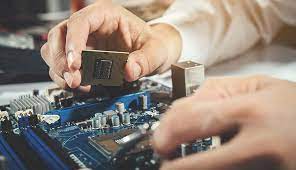
Introduction to Embedded System & PLC Technician
An embedded system is a specialized computing system that is dedicated to performing specific functions within a larger system. Unlike general-purpose computers, embedded systems are designed to execute pre-defined tasks or functions, often in real-time, with a focus on reliability, efficiency, and specific application requirements. These systems are embedded into larger devices or products, ranging from simple consumer electronics to complex industrial machinery.
Embedded systems typically consist of a combination of hardware and software components. The hardware includes microcontrollers or microprocessors, memory, input/output interfaces, sensors, and actuators. The software, often referred to as firmware, is specifically tailored to control the embedded system's functions. Embedded systems are pervasive in our daily lives, powering devices such as washing machines, smartphones, automotive control systems, medical devices, and more.
A PLC Technician is a professional responsible for the installation, maintenance, and troubleshooting of Programmable Logic Controllers. PLCs are specialized digital computers used in industrial settings to automate processes and control machinery. These devices play a crucial role in manufacturing, ensuring efficient and precise control of various industrial processes.
PLC Technicians work with PLC hardware and programming software to create logic-based programs that dictate the behavior of machinery and industrial processes. They install and configure PLC systems, troubleshoot issues, perform regular maintenance, and collaborate with engineers and other stakeholders to optimize automation solutions.
The role of a PLC Technician requires a strong understanding of electrical and electronic systems, as well as proficiency in programming languages used for PLCs. As industries continue to advance in automation and control, PLC Technicians play a vital role in ensuring the reliable and efficient operation of industrial processes.
How can I apply for admission to Embedded System & PLC Technician
To apply for admission to a program in Embedded Systems and PLC Technician, you can follow these general steps:
Research Programs: Begin by researching institutions that offer programs in Embedded Systems and PLC Technician. Look for universities, technical colleges, or vocational schools that provide relevant courses or certification programs. Consider factors such as program curriculum, faculty expertise, and available resources.
Check Admission Requirements: Review the admission requirements for the specific program you are interested in. Typically, these requirements include educational qualifications, such as a high school diploma or equivalent, and may also involve prerequisites in mathematics, electronics, or related fields.
Prepare Application Materials: Gather the necessary documents for your application. This may include:
Completed application form
Transcripts of previous education
Letters of recommendation, if required
Resume or curriculum vitae (CV)
Statement of purpose or personal statement
Entrance Exams (if applicable): Some programs may require standardized test scores, such as the SAT or ACT. Check the admission requirements to determine if any entrance exams are necessary and prepare accordingly.
Submit Application: Complete and submit the application form along with all required documents. Many institutions provide online application portals, but be sure to follow the specific submission instructions provided by the institution.
Pay Application Fee: Pay the required application fee, if applicable. Some institutions charge a fee to process applications, so be sure to include this in your application submission.
Follow Up: After submitting your application, follow up with the institution to ensure that all materials have been received. This may involve checking your application status online or contacting the admissions office directly.
Financial Aid and Scholarships: Explore options for financial aid or scholarships offered by the institution. Many students seek assistance through scholarships, grants, or loans to support their education.
Interview (if required): Some programs may require an interview as part of the admission process. Prepare for this by reviewing common interview questions and highlighting your interest and qualifications for the program.
Acceptance and Enrollment: Once you receive an acceptance letter, carefully review the details and instructions for enrollment. Follow the steps outlined by the institution to secure your spot in the program.
Remember to check the specific requirements and processes of the institution you are applying to, as they may vary. Good luck with your application!
What is the eligibility for Embedded System & PLC Technician
The eligibility requirements for programs in Embedded Systems and PLC Technician may vary depending on the institution and the specific program. However, here are common eligibility criteria that you might encounter:
For Embedded Systems:
Educational Background:
Typically, a high school diploma or equivalent (such as a GED) is required.
Some programs may have specific prerequisites in mathematics, physics, or computer science.
Technical Proficiency:
Demonstrated interest or proficiency in electronics, computer science, or a related technical field is often beneficial.
Basic knowledge of programming languages may be required, depending on the program.
Entrance Exams (if applicable):
Some programs may require standardized test scores, such as the SAT or ACT. Check the admission requirements for specific details.
For PLC Technician:
Educational Background:
A high school diploma or equivalent is usually required.
Some programs may prefer candidates with a background in electrical engineering, electronics, or a related field.
Technical Skills:
Familiarity with electrical systems and circuits is often important.
Basic knowledge of programming concepts may be required.
Work Experience (optional):
While not always mandatory, some programs may consider work experience in a relevant field as a valuable asset.
Entrance Exams (if applicable):
Depending on the program, entrance exams in mathematics or technical subjects may be required.
Interview (if applicable):
In some cases, an interview may be part of the admission process to assess the candidate's motivation and suitability for the program.
How long does it takes to complete a Embedded System & PLC Technician
The duration to complete a program in Embedded Systems and PLC Technician can vary based on factors such as the type of program, the level of education, and whether it's a certificate, diploma, or degree. Here are general guidelines:
Embedded Systems:
Certificate Programs:
Certificate programs in Embedded Systems can typically be completed in 6 months to a year. These programs focus on providing specific skills and knowledge in embedded systems design and programming.
Diploma Programs:
Diploma programs may take around 1 to 2 years to complete. These programs often include a more comprehensive curriculum, covering both theoretical concepts and practical applications of embedded systems.
Bachelor's Degree Programs:
Bachelor's degree programs in Embedded Systems usually take about 3 to 4 years to complete. These programs offer a more in-depth and broader education, including additional coursework in computer science and engineering.
PLC Technician:
Certificate Programs:
Certificate programs in PLC Technician may take around 6 months to a year. These programs are focused on providing hands-on training in programming and maintaining Programmable Logic Controllers.
Diploma Programs:
Diploma programs typically take 1 to 2 years to complete. These programs cover a broader range of topics related to industrial automation and control systems.
Associate's Degree Programs:
Some institutions offer associate's degree programs in Industrial Automation or a related field, including PLC Technician training. These programs generally take around 2 years to complete.
What are potential career opportunities after Embedded System & PLC Technician
Completing a program in Embedded Systems and PLC Technician can open up various career opportunities in industries that rely on automation, control systems, and embedded technology. Here are some potential career paths:
Career Opportunities After Completing a Program in Embedded Systems:
Embedded Systems Developer/Engineer:
Design and develop embedded systems for various applications, including consumer electronics, automotive systems, medical devices, and industrial machinery.
Embedded Software Engineer:
Focus on the software aspects of embedded systems, including programming microcontrollers, developing firmware, and optimizing system performance.
Hardware Design Engineer:
Work on the hardware components of embedded systems, designing and testing circuits, PCBs (Printed Circuit Boards), and other electronic components.
Systems Architect:
Plan and design the overall architecture of complex embedded systems, considering both hardware and software components.
IoT (Internet of Things) Developer:
Specialize in creating systems that connect physical devices to the internet, allowing them to communicate and share data.
Automotive Embedded Systems Engineer:
Develop embedded systems for automotive applications, including control systems, infotainment systems, and safety features.
Career Opportunities After Completing a Program in PLC Technician:
PLC Programmer:
Write and implement PLC (Programmable Logic Controller) programs to control industrial processes and machinery.
Automation Engineer:
Design, install, and maintain automated systems in industrial settings, utilizing PLCs and other control systems.
Control Systems Engineer:
Work on the design and implementation of control systems, including PLCs, to regulate and optimize industrial processes.
Field Service Technician:
Provide on-site support for the installation, maintenance, and troubleshooting of industrial automation systems, including PLCs.
Manufacturing Technician:
Support the manufacturing process by ensuring the proper functioning of machinery and automated systems.
Instrumentation and Control Technician:
Focus on the calibration, maintenance, and repair of instruments and control systems used in various industries.
Quality Control Engineer:
Monitor and ensure the quality of products in manufacturing processes, often utilizing automated control systems.
Industrial Maintenance Technician:
Perform maintenance tasks on industrial equipment, including troubleshooting and repairing PLC-based systems.
These career opportunities span various industries, including manufacturing, energy, healthcare, automotive, and more. The demand for professionals with skills in embedded systems and PLC technology is consistently high, making these fields promising for individuals seeking rewarding and dynamic careers.
Syllabus of Embedded System & PLC Technician
The specific syllabus for Embedded Systems and PLC Technician programs can vary between institutions and programs. However, I can provide a general outline of topics that are commonly covered in each semester for both Embedded Systems and PLC Technician courses:
Semester-wise Syllabus for Embedded Systems:
Semester 1: Introduction to Embedded Systems
Introduction to Microcontrollers
Digital Electronics Fundamentals
C Programming for Embedded Systems
Microcontroller Architecture and Programming
Embedded System Design Principles
Semester 2: Embedded Software Development
Real-time Operating Systems (RTOS)
Embedded C++ Programming
Software Development for Embedded Systems
Data Structures for Embedded Systems
Embedded Linux Basics
Semester 3: Hardware Design for Embedded Systems
Analog Electronics
Digital Signal Processing
Printed Circuit Board (PCB) Design
System-on-Chip (SoC) Design
Embedded System Testing and Debugging
Semester 4: Advanced Embedded Systems Topics
Internet of Things (IoT) and Embedded Systems
Wireless Communication for Embedded Systems
Advanced Microcontroller Architectures
Embedded Systems Security
Project Work in Embedded Systems
Semester-wise Syllabus for PLC Technician:
Semester 1: Introduction to PLCs
Basics of Industrial Automation
Introduction to PLC Hardware and Software
PLC Programming Fundamentals
Sensors and Actuators
Electrical Circuits and Control Systems
Semester 2: Advanced PLC Programming
PLC Communication Protocols
Human-Machine Interface (HMI) Design
PLC Networking
Advanced PLC Programming Techniques
Industrial Control Systems
Semester 3: Industrial Instrumentation and Control
Instrumentation and Measurement
Process Control Systems
SCADA (Supervisory Control and Data Acquisition)
Industrial Communication Systems
PLC Troubleshooting and Maintenance
Semester 4: Project and Practical Application
PLC Project Development
Integration of PLCs with other Automation Systems
Advanced PLC Troubleshooting
Industrial Safety and Compliance
Internship/Industrial Training
Internship opportunities after completing Embedded System & PLC Technician
Completing a program in Embedded Systems and PLC Technician can open up various internship opportunities to gain practical experience in the field. Internships provide valuable hands-on training, exposure to real-world projects, and the chance to apply theoretical knowledge in practical settings. Here are some potential internship opportunities for individuals with expertise in Embedded Systems and PLC Technology:
Internship Opportunities After Completing a Program in Embedded Systems:
Embedded Systems Developer Intern:
Work on projects involving the design and development of embedded systems for specific applications.
Embedded Software Engineering Intern:
Gain experience in writing and testing firmware, debugging code, and optimizing the performance of embedded software.
Hardware Design Intern:
Assist in the design and testing of hardware components for embedded systems, including microcontrollers and printed circuit boards.
IoT Developer Intern:
Contribute to projects focused on connecting physical devices to the internet, developing IoT solutions, and implementing wireless communication protocols.
Research and Development Intern:
Work on R&D projects related to emerging technologies in the field of embedded systems, exploring innovative solutions and applications.
Internship Opportunities After Completing a Program in PLC Technician:
PLC Programming Intern:
Assist in writing and testing PLC programs, troubleshooting code, and optimizing the performance of industrial automation systems.
Automation Engineering Intern:
Gain hands-on experience in the installation, maintenance, and troubleshooting of automated systems, with a focus on PLCs.
Control Systems Engineering Intern:
Contribute to projects involving the design and implementation of control systems, including PLC-based solutions.
Instrumentation and Control Intern:
Work on projects related to the calibration, maintenance, and repair of instruments and control systems in industrial settings.
Manufacturing Technician Intern:
Gain practical experience in supporting the manufacturing process, ensuring the proper functioning of machinery and automated systems.
SCADA Intern:
Assist in projects related to Supervisory Control and Data Acquisition (SCADA) systems, including design, implementation, and maintenance.
Field Service Technician Intern:
Gain on-site experience by assisting in the installation, maintenance, and troubleshooting of industrial automation systems.
To find internship opportunities, students can explore job boards, company websites, and industry-specific platforms. Many institutions also have career services that assist students in finding internship placements. Additionally, networking, attending industry events, and reaching out to professionals in the field can help students discover and secure valuable internship opportunities.
Scholarships and grants for Embedded System & PLC Technician
Scholarships and grants can be beneficial in helping students pursue education and training in Embedded Systems and PLC Technician programs. While the availability of specific scholarships may vary, here are some general avenues to explore:
Institutional Scholarships:
Many educational institutions offer scholarships to students based on academic achievement, leadership skills, or financial need. Check with the admissions or financial aid office of the institution where you plan to enroll.
Industry-Specific Scholarships:
Some industries and professional organizations may provide scholarships to students pursuing education in fields related to embedded systems, PLC technology, or industrial automation. Explore industry websites, forums, and association pages for scholarship opportunities.
STEM Scholarships:
STEM (Science, Technology, Engineering, and Mathematics) scholarships are often available for students pursuing careers in technology-related fields. Check with STEM-focused organizations, both at the national and local levels, for potential scholarship opportunities.
Corporate Scholarships:
Some companies that are involved in embedded systems, PLC technology, or related industries may offer scholarships to students. Check the websites of technology companies, manufacturing firms, or automation companies for scholarship programs.
Professional Associations:
Explore scholarship opportunities provided by professional associations related to embedded systems, electronics, and industrial automation. These associations may support students through grants or scholarships.
Government Grants and Scholarships:
Investigate government-sponsored programs that provide financial assistance to students pursuing education in STEM fields. Government grants and scholarships may be available at the national, state, or local levels.
Online Scholarship Databases:
Utilize online scholarship databases and search engines that allow you to filter and find scholarships based on your field of study. Websites like Fastweb, Scholarships.com, and College Board's Scholarship Search can be valuable resources.
Employer-Sponsored Programs:
Some employers may offer tuition reimbursement or scholarship programs for employees seeking further education. If you are already working in a related field, inquire about employer-sponsored opportunities.
Nonprofit Organizations:
Certain nonprofit organizations may provide scholarships to students pursuing education in technology and engineering fields. Explore nonprofit organizations that align with your career goals.
When applying for scholarships, be sure to carefully review the eligibility criteria, application requirements, and deadlines. Additionally, consider applying for multiple scholarships to increase your chances of receiving financial assistance. Always check the legitimacy of the scholarship programs and be cautious of any application fees associated with scholarship applications.
Conclusion
Embarking on a journey in Embedded Systems and PLC Technician offers a pathway to exciting careers in technology and industrial automation. From understanding the intricacies of embedded systems to mastering PLC programming, the possibilities are vast. With the right education, hands-on experience, and potential financial assistance through scholarships, individuals can pave the way for a rewarding and dynamic career. Explore the FAQs for valuable insights, and take the first step toward unlocking opportunities in these evolving fields.
FAQ,s
Q1: What is an embedded system, and how does it differ from a general-purpose computer?
A1: An embedded system is a specialized computing system designed for specific tasks within larger devices. Unlike general-purpose computers, embedded systems are dedicated to particular functions, often in real-time applications like consumer electronics and industrial machinery.
Q2: What does a PLC Technician do, and how is it essential in industrial automation?
A2: A PLC (Programmable Logic Controller) Technician is responsible for the installation, maintenance, and troubleshooting of PLCs used in industrial automation. PLCs control machinery and processes, ensuring efficient and precise operation in manufacturing and other industrial settings.
Q3: How long does it take to complete programs in Embedded Systems and PLC Technician?
A3: The duration varies, but generally, certificate programs take 6 months to a year, diploma programs take 1 to 2 years, and bachelor's degrees take 3 to 4 years for Embedded Systems. PLC Technician programs may have similar durations, with certificates taking around 6 months to a year and diplomas taking 1 to 2 years.
Q4: What career opportunities are available after completing programs in Embedded Systems and PLC Technician?
A4: Career paths include Embedded Systems Developer, PLC Programmer, Automation Engineer, IoT Developer, and more. Opportunities span industries like manufacturing, automotive, healthcare, and technology.
Q5: Are there internship opportunities for Embedded Systems and PLC Technician graduates?
A5: Yes, internships are available for gaining practical experience. Interns can work as Embedded Systems Developers, PLC Programmers, or in roles focused on industrial automation, providing hands-on training.
Q6: Are there scholarships and grants for students pursuing education in Embedded Systems and PLC Technician programs?
A6: Yes, various scholarships and grants are available. Students can explore institutional scholarships, industry-specific scholarships, STEM scholarships, and corporate-sponsored programs to support their education.
Q7: What are the common subjects covered in the syllabus for Embedded Systems and PLC Technician programs?
A7: Subjects include Microcontroller Programming, Digital Electronics, PLC Programming, Hardware Design, IoT, and Industrial Instrumentation. The syllabus typically covers both theoretical and practical aspects of the respective fields.
Q8: How can I apply for admission to programs in Embedded Systems and PLC Technician?
A8: To apply, research programs, check admission requirements, prepare application materials, submit the application, pay any required fees, and follow up on the application status. Some programs may require interviews or entrance exams.
Q9: What are the eligibility requirements for programs in Embedded Systems and PLC Technician?
A9: Eligibility typically includes a high school diploma or equivalent for both fields. For Embedded Systems, a background in electronics or computer science is beneficial. PLC Technician programs may require a background in electrical engineering or related fields.
Q10: How can I find more information about scholarships and internship opportunities in these fields?
A10: Explore scholarship databases, visit the websites of industry-specific associations, contact the admissions or financial aid offices of educational institutions, and network with professionals in the field for information on scholarships and internships.
How Shiksha Hub helps you in
-
 Student Counsellors
 -
 Career Counseling
 -
 Research
 -
 24/7 Support
 -
 Scholarships
 -
 Community