Posted by Admin on 08-07-2023 in Shiksha hub
Emergency Medical Technician-Advanced Admission, Registration, Eligibility, Duration, Fees, Syllabus 2024
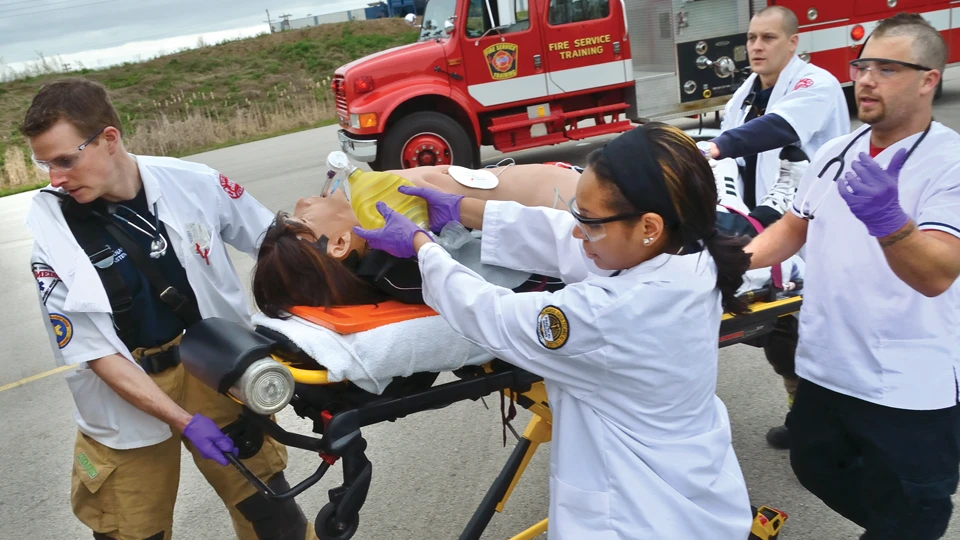
Introduction About Emergency Medical Technician-Advanced
Emergency Medical Technician-Advanced (EMT-Advanced), also commonly known as Advanced EMT or AEMT, is a crucial and specialized level of emergency medical personnel trained to provide advanced pre-hospital care. Building upon the foundation laid by Basic Emergency Medical Technicians (EMTs), EMT-Advanced professionals receive additional training and skills to handle more complex medical emergencies.
The role of an EMT-Advanced is to deliver a higher level of patient care, administer certain medications, and perform advanced medical procedures that go beyond the scope of basic emergency medical care. These healthcare providers are often a vital link between the initial response to an emergency and the care provided in a hospital setting.
EMT-Advanced training typically covers a broad range of topics, including advanced airway management, intravenous (IV) therapy, cardiac monitoring, and the administration of specific medications. These professionals are equipped to assess and treat patients with more severe injuries or illnesses, making critical decisions under pressure to stabilize patients before they reach a hospital.
The EMT-Advanced plays a crucial role in the continuum of emergency medical services, collaborating with other healthcare professionals and first responders to ensure the best possible outcomes for patients in need of urgent medical attention. The skills and knowledge acquired by EMT-Advanced practitioners contribute significantly to the overall effectiveness of emergency medical response systems.
How can I apply for admission to Emergency Medical Technician-Advanced Program
To apply for admission to an Emergency Medical Technician-Advanced (EMT-Advanced) program, you typically need to follow a series of steps outlined by the educational institution offering the program. Here's a general guide on how to apply:
Research Programs:
Identify accredited institutions or training centers that offer EMT-Advanced programs. This could include community colleges, vocational schools, or specialized training centers.
Review Admission Requirements:
Check the admission requirements for each program. Requirements may include a high school diploma or equivalent, completion of basic EMT training, and possibly certain health and safety prerequisites.
Complete Prerequisites:
Fulfill any prerequisite courses or certifications required for admission. Basic EMT certification is often a prerequisite for the EMT-Advanced program.
Prepare Application Materials:
Gather the necessary documents, which may include:
Completed application form
Transcripts from high school or previous college education
Basic EMT certification
CPR certification
Letters of recommendation (if required)
Personal statement or essay
Submit Application:
Complete and submit the application form along with all required documents by the specified deadline. Some programs may require an application fee.
Interview (if applicable):
Be prepared for an interview, as some programs may require this as part of the admissions process. The interview may assess your motivation, communication skills, and suitability for the program.
Entrance Exam (if applicable):
Some programs may require you to take an entrance exam to assess your knowledge and readiness for the EMT-Advanced curriculum.
Financial Aid and Scholarships:
Explore financial aid options, scholarships, or grants that may be available to support your education. Contact the financial aid office of the institution for guidance.
Wait for Admission Decision:
After submitting your application, wait for the admission decision. Once accepted, follow any instructions provided by the program for enrollment.
Complete Enrollment Requirements:
If accepted, complete any additional enrollment requirements, such as health screenings, background checks, or drug tests.
Attend Orientation:
Attend any orientation sessions provided by the program to familiarize yourself with the curriculum, policies, and expectations.
What is the eligibility for Emergency Medical Technician-Advanced
The eligibility requirements for becoming an Emergency Medical Technician-Advanced (EMT-Advanced) can vary slightly depending on the specific program and jurisdiction. However, here are general eligibility criteria that are commonly observed:
Age Requirement:
Applicants are typically required to be at least 18 years old. Some programs may have a minimum age requirement to ensure that candidates possess the maturity and responsibility needed for the role.
Educational Background:
A high school diploma or equivalent (GED) is commonly required. Some programs may also have specific coursework prerequisites or require completion of basic EMT training.
Basic EMT Certification:
Most EMT-Advanced programs require candidates to hold a current and valid Basic Emergency Medical Technician (EMT-B) certification. This ensures that applicants have a foundational understanding of basic emergency medical procedures.
CPR Certification:
A current certification in Cardiopulmonary Resuscitation (CPR) for healthcare providers is often a prerequisite. This certification ensures that candidates have the necessary life-saving skills.
Health Requirements:
Applicants may need to meet certain health standards, including immunizations and the ability to perform the physical tasks required of an EMT-Advanced. Some programs may also require a physical examination and documentation of good health.
Background Check:
A criminal background check may be required to ensure that candidates do not have disqualifying criminal convictions that could impact their ability to work in healthcare.
Driving Record (if applicable):
If the EMT-Advanced role involves driving an ambulance, a clean and valid driver's license may be required. Some programs have specific standards for driving records.
Entrance Exam (if applicable):
Certain programs may require candidates to take an entrance exam to assess their knowledge and readiness for the EMT-Advanced curriculum.
Interview (if applicable):
An interview may be part of the admissions process to assess the candidate's motivation, communication skills, and suitability for the program.
Additional Requirements:
Depending on the program, there may be additional requirements such as letters of recommendation, essays, or other documentation to support the application.
How long does it takes to complete a Emergency Medical Technician-Advanced program
The duration of an Emergency Medical Technician-Advanced (EMT-Advanced) program can vary depending on the specific program, the format of the training, and the requirements set by the accrediting body or regulatory agency in a particular jurisdiction. However, EMT-Advanced programs typically require more time than basic EMT programs due to the additional advanced skills and knowledge covered. Here are some general guidelines:
Classroom and Didactic Training:
The didactic or classroom portion of an EMT-Advanced program can take approximately 150 to 300 hours. This phase covers advanced topics such as pharmacology, advanced airway management, and intravenous therapy.
Clinical Experience:
EMT-Advanced programs often include a clinical component where students gain hands-on experience in a hospital or clinical setting. This can range from 100 to 200 hours.
Field Internship:
Some programs require students to complete a field internship, working under the supervision of experienced EMT-Advanced or paramedic practitioners. This component may take an additional 150 to 300 hours.
Total Duration:
In total, an EMT-Advanced program may take anywhere from 6 months to 1 year to complete, depending on the specific program structure, scheduling, and the time commitment required by the students.
It's important to note that these are general estimates, and actual program durations can vary. Some programs may offer accelerated formats, evening classes, or weekend options to accommodate students with different schedules. Additionally, the total time it takes to become an EMT-Advanced may also depend on the individual student's ability to complete clinical and field requirements.
What are potential career opportunities after Emergency Medical Technician-Advanced
Completing an Emergency Medical Technician-Advanced (EMT-Advanced) program opens up various career opportunities in the field of pre-hospital emergency medical services and healthcare. Here are some potential career paths for individuals with EMT-Advanced certification:
Paramedic:
EMT-Advanced professionals can further advance their careers by pursuing paramedic certification. Paramedics have a higher level of training and can perform more advanced medical procedures. They often work on ambulances and provide critical care in emergency situations.
Emergency Room Technician:
Some EMT-Advanced practitioners choose to work in hospital emergency rooms as emergency room technicians. In this role, they assist healthcare professionals in managing and treating patients who arrive at the emergency department.
Firefighter/EMT:
Many fire departments require their firefighters to be trained as emergency medical technicians. EMT-Advanced certification enhances their ability to provide medical care in addition to responding to fire emergencies and other rescue situations.
Critical Care Transport EMT:
EMT-Advanced professionals may work in critical care transport, providing medical care during the transfer of patients between healthcare facilities. This role often involves working in specialized transport units or helicopters.
Industrial Medic:
Some industries, especially those with high-risk work environments, employ EMT-Advanced professionals as industrial medics. They provide on-site emergency medical care and may be responsible for managing workplace health and safety.
Search and Rescue Medic:
EMT-Advanced skills are valuable in search and rescue operations. Professionals with this certification may work with search and rescue teams, providing medical care in challenging environments.
Educator/Trainer:
Experienced EMT-Advanced practitioners may choose to become educators or trainers, passing on their knowledge and skills to the next generation of emergency medical professionals. This could involve teaching in EMT programs or conducting continuing education courses.
Healthcare Facilities:
Some healthcare facilities, such as clinics and urgent care centers, may employ EMT-Advanced professionals to provide immediate medical care to patients.
Government Agencies:
EMT-Advanced practitioners may find opportunities in government agencies involved in emergency management, disaster response, or public health.
Specialized Teams:
EMT-Advanced professionals may join specialized medical teams, such as tactical EMS (providing medical support in law enforcement situations) or special event medical teams.
Syllabus of Emergency Medical Technician-Advanced
The specific syllabus for an Emergency Medical Technician-Advanced (EMT-Advanced) program may vary depending on the educational institution, accrediting body, and regional requirements. However, here is a general outline of topics commonly covered in EMT-Advanced programs:
Introduction to Advanced EMS:
Overview of the role and responsibilities of an EMT-Advanced.
Legal and ethical considerations in pre-hospital care.
Pharmacology:
Advanced knowledge of medications used in pre-hospital care.
Administration routes and dosage calculations.
Recognition of common medications and their effects.
Advanced Airway Management:
Techniques for advanced airway control and management.
Use of supraglottic airways and endotracheal intubation.
Patient Assessment:
Comprehensive patient assessment skills, including primary and secondary assessments.
Integration of history-taking, physical examination, and focused assessments.
Cardiology:
Recognition and management of cardiac emergencies.
ECG interpretation.
Administration of cardiac medications.
Medical Emergencies:
In-depth understanding of various medical conditions and emergencies.
Treatment and management strategies for medical patients.
Trauma Management:
Advanced trauma assessment and interventions.
Treatment of severe injuries, including burns and fractures.
Pediatric and Geriatric Care:
Special considerations and techniques for pediatric and geriatric patients.
Recognition and management of age-specific medical issues.
OB/GYN Emergencies:
Management of obstetric and gynecological emergencies.
Childbirth and complications.
EMS Operations:
Ambulance operations and safety.
Incident management and communication.
Documentation and reporting.
Clinical Experience:
Hands-on experience in clinical settings, such as hospitals, to apply learned skills.
Field Internship:
Practical experience working in the field under the supervision of experienced EMS providers.
Continuing Education:
Understanding the importance of ongoing learning and staying current with advancements in pre-hospital care.
Internship opportunities after completing Emergency Medical Technician-Advanced
After completing an Emergency Medical Technician-Advanced (EMT-Advanced) program, individuals often have the opportunity to participate in internships or field placements to gain hands-on experience in a real-world emergency medical setting. These internships are crucial for applying the knowledge and skills acquired during the program and transitioning into the practical aspects of pre-hospital care. Here are some internship opportunities that EMT-Advanced graduates may explore:
Ambulance Ride-Alongs:
Many EMT-Advanced programs and EMS agencies offer ambulance ride-along experiences. This allows recent graduates to accompany experienced EMS professionals on actual emergency calls, providing exposure to different types of medical emergencies.
Hospital Clinical Rotations:
Internships in hospital settings give EMT-Advanced graduates the chance to work alongside healthcare professionals in emergency departments, trauma centers, or other clinical settings. This experience enhances their understanding of hospital-based care and collaboration with medical teams.
Critical Care Transport Internships:
Some programs offer internships with critical care transport teams, allowing individuals to work on specialized transport units, helicopters, or fixed-wing aircraft. This provides exposure to the challenges of transporting critically ill patients.
Emergency Room Technician Internships:
EMT-Advanced graduates may pursue internships specifically designed for emergency room technicians. This experience allows them to apply their skills in a fast-paced hospital environment.
Fire Department Internships:
For those interested in combining firefighting with emergency medical services, internships with fire departments provide an opportunity to work as a firefighter/EMT-Advanced. This may involve responding to a variety of emergencies, including medical incidents and fires.
Search and Rescue Teams:
Internships with search and rescue teams provide exposure to emergency medical care in challenging environments, such as wilderness or disaster response situations.
Community Outreach and Education:
Some EMT-Advanced programs or EMS agencies offer internships focused on community outreach and education. This may involve participating in public health initiatives, conducting CPR training, or promoting health and safety in the community.
Special Events Medical Coverage:
Internships covering special events, such as sports games, concerts, or community gatherings, allow EMT-Advanced graduates to provide medical coverage in a non-traditional setting.
Military Medic Opportunities:
Individuals with EMT-Advanced certification may explore opportunities to serve as medics in military or paramilitary organizations, gaining unique experiences in diverse and challenging environments.
Industry-Specific Internships:
Some industries, especially those with high-risk work environments, may offer internships for EMT-Advanced professionals to work as on-site medics.
Scholarship and grants for Emergency Medical Technician-Advanced
Scholarships and grants can provide financial assistance to individuals pursuing education and training in the field of Emergency Medical Technician-Advanced (EMT-Advanced). While availability may vary, here are some potential sources of financial aid:
Institutional Scholarships:
Many educational institutions that offer EMT-Advanced programs have their own scholarship programs. Check with the specific program or school to inquire about scholarship opportunities available to EMT-Advanced students.
Government Aid Programs:
Explore government-sponsored financial aid programs, such as federal or state grants. The Free Application for Federal Student Aid (FAFSA) is a common application to determine eligibility for various federal financial aid programs.
EMS Organizations and Foundations:
Some organizations and foundations related to emergency medical services may offer scholarships or grants. Examples include the National Association of Emergency Medical Technicians (NAEMT) or the National Registry of Emergency Medical Technicians (NREMT).
Employer Sponsorship:
If you are currently employed or plan to work for an EMS agency, inquire about employer-sponsored education assistance or tuition reimbursement programs. Some employers support their employees in pursuing advanced certifications.
Professional Associations:
Explore scholarships provided by professional associations related to emergency medical services. These associations may support students pursuing higher levels of certification, such as the National Association of EMS Educators (NAEMSE) or the International Association of Fire Fighters (IAFF).
Community Foundations:
Local community foundations and charitable organizations may offer scholarships or grants for individuals pursuing careers in healthcare, including emergency medical services. Check with community organizations or foundations in your area.
Healthcare Industry Scholarships:
Some healthcare organizations and hospitals offer scholarships to individuals pursuing careers in healthcare. While EMT-Advanced is part of pre-hospital care, these scholarships may still be relevant.
Military and Veterans Programs:
If you have a military background or are a veteran, explore educational assistance programs provided by military branches or veteran support organizations.
State and Regional Programs:
Investigate scholarship and grant programs specific to your state or region. State departments of health, EMS agencies, or regional foundations may offer financial assistance.
Online Scholarship Search Engines:
Utilize online scholarship search engines, such as Fastweb, Chegg, or College Board's Scholarship Search, to find opportunities that match your profile and educational goals.
Conclusion
In the ever-evolving landscape of healthcare, EMT-Advanced professionals stand as frontline warriors, bridging the gap between emergency situations and professional medical care. Their dedication, skills, and resilience make them indispensable in safeguarding lives.
FAQ's
Is becoming an EMT-Advanced a challenging process?
While it requires dedication, the training and certification process ensures that individuals are well-prepared for the role.
What sets EMT-Advanced apart from EMT-Basic?
EMT-Advanced has a broader scope of practice, including advanced life support interventions and medication administration.
How do EMT-Advanced professionals cope with the emotional challenges of their work?
Support systems, counseling, and debriefing sessions are commonly used to help EMT-Advanced professionals cope with stress and trauma.
What advancements can we expect in the field of emergency medical services?
The future holds promises of technological advancements, including telemedicine and innovative tools, to enhance the efficiency of emergency medical services.
Are there opportunities for career advancement for EMT-Advanced professionals?
Yes, EMT-Advanced professionals may find opportunities for leadership roles and contribute to the advancement of the field.
How Shiksha Hub helps you in
-
 Student Counsellors
 -
 Career Counseling
 -
 Research
 -
 24/7 Support
 -
 Scholarships
 -
 Community