Posted by Admin on 27-07-2023 in Shiksha hub
Emergency Medical Technology Introduction, Admission, Registration, Eligibility, Duration, Fees, Syllabus 2024
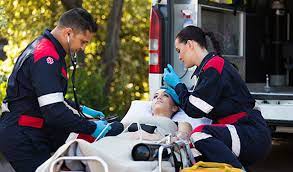
Introduction about Emergency Medical Technology
Emergency Medical Technology (EMT) encompasses a vital and dynamic field within the realm of healthcare, dedicated to providing immediate and critical medical care in emergency situations. Also known as pre-hospital care, EMT involves the rapid response to medical emergencies, accidents, and disasters with the goal of stabilizing and transporting patients to definitive medical care facilities.
EMTs are highly trained professionals who play a crucial role in the chain of survival by delivering essential medical interventions during the critical moments before a patient reaches a hospital. These interventions can range from basic life support, including cardiopulmonary resuscitation (CPR) and wound management, to advanced life support involving the administration of medications and advanced airway management.
The field of Emergency Medical Technology is characterized by a tiered system of care, with various levels of EMTs, each possessing specific skills and training. These levels typically include Emergency Medical Responder (EMR), Emergency Medical Technician (EMT), Advanced Emergency Medical Technician (AEMT), and Paramedic. The scope of practice expands with each level, allowing for a comprehensive and hierarchical approach to patient care.
EMTs operate in a variety of settings, such as ambulances, rescue squads, and in conjunction with fire and police departments. Their ability to quickly assess and manage medical emergencies is crucial in ensuring positive patient outcomes. Additionally, EMTs collaborate with other healthcare professionals, including physicians and nurses, to provide seamless continuity of care for patients.
The field of Emergency Medical Technology is ever-evolving, with ongoing advancements in medical equipment, procedures, and protocols. The commitment of EMTs to rapid response, effective assessment, and immediate intervention makes them essential contributors to the healthcare system, ultimately saving lives and mitigating the impact of emergencies on individuals and communities.
How can I apply for admission to Emergency Medical Technology
Applying for admission to a program in Emergency Medical Technology typically involves several key steps. Here's a general guide on how you can go about it:
Research Programs: Start by researching and identifying Emergency Medical Technology programs that align with your career goals, location preferences, and schedule. Look for programs accredited by relevant authorities, such as the Commission on Accreditation of Allied Health Education Programs (CAAHEP) or the Committee on Accreditation of Educational Programs for the Emergency Medical Services Professions (CoAEMSP).
Educational Requirements: Understand the educational prerequisites for the EMT program you're interested in. Most programs require a high school diploma or equivalent. Some may have additional prerequisites, so make sure you meet all the requirements.
Complete Prerequisites: If there are specific prerequisites, such as certain coursework or certifications (like CPR certification), ensure that you complete them before applying. This may involve taking additional classes or obtaining certifications independently.
Application Process: Contact the admissions office of the institution offering the EMT program to obtain information about the application process. This may involve submitting an online application, providing transcripts, and possibly letters of recommendation.
Entrance Exams: Some programs may require you to take entrance exams, such as the Test of Essential Academic Skills (TEAS) or other assessments. Be prepared for any required testing, and check if there are specific score requirements.
Interviews or Essays: Some programs may require an interview or written essays as part of the application process. Be ready to articulate your interest in Emergency Medical Technology and your motivation for pursuing a career in this field.
Financial Aid and Scholarships: Explore financial aid options, scholarships, or grants that may be available to you. The admissions office or financial aid office at the institution can provide information on available resources.
Submit Application Materials: Ensure that you submit all required application materials by the specified deadline. This may include transcripts, test scores, letters of recommendation, and a completed application form.
Wait for Admission Decision: After submitting your application, patiently await the admission decision. Some programs may have a competitive admissions process, so be prepared for the possibility of waiting for a response.
Enrollment and Orientation: If accepted, follow the instructions provided for enrollment, which may include submitting additional documentation, attending orientation sessions, and registering for classes.
Remember to check the specific requirements and procedures of the EMT program you're interested in, as they can vary between institutions. It's also advisable to reach out to the admissions office for any clarification or additional guidance throughout the application process.
What is the eligibility for Emergency Medical Technology
The eligibility criteria for Emergency Medical Technology (EMT) programs can vary depending on the level of certification and the specific requirements of the educational institution offering the program. However, here are general guidelines for the eligibility commonly associated with EMT programs:
Educational Background:
Typically, a high school diploma or equivalent (such as a GED) is required for entry into EMT programs.
Some programs may have specific coursework prerequisites, so it's essential to check for any academic requirements.
Age Requirement:
Many EMT programs have a minimum age requirement. In the United States, for example, candidates for EMT certification are often required to be at least 18 years old.
Health and Physical Fitness:
EMTs need to be in good health and physical condition to perform the duties required in emergency situations.
Programs may have specific health requirements, including immunizations and screenings for certain communicable diseases.
Criminal Background Check:
EMT candidates may be required to undergo a criminal background check as part of the application process.
Some criminal convictions may impact eligibility, so it's important to disclose any relevant information and check with the program for guidance.
Valid Driver's License:
Many EMTs are required to have a valid driver's license, as they may be responsible for driving an ambulance or emergency vehicle.
CPR Certification:
Basic Life Support (BLS) or CPR certification is often a prerequisite for EMT programs. Candidates may need to obtain this certification before applying or during the early stages of the program.
Specific Testing or Entrance Exams:
Some EMT programs may require candidates to take specific entrance exams or assessments. This could include the Test of Essential Academic Skills (TEAS) or similar tests.
Interviews and Essays:
In some cases, applicants may need to participate in an interview or submit essays to demonstrate their commitment to and understanding of the field of Emergency Medical Technology.
Compliance with Program Policies:
Applicants must be willing to comply with the policies and regulations of the EMT program, including attendance requirements, academic standards, and clinical or field experience expectations.
How long does it takes to complete a Emergency Medical Technology
The duration to complete a program in Emergency Medical Technology (EMT) varies depending on the level of certification and the specific requirements of the program. Here's a general overview of the time it takes to complete different levels of EMT programs:
Emergency Medical Responder (EMR):
Typically requires around 40 to 80 hours of training.
Completion time can vary based on the specific curriculum and scheduling options offered by the educational institution.
Emergency Medical Technician (EMT-Basic):
Basic EMT programs often range from 120 to 180 hours of training.
Programs may be offered in different formats, including intensive full-time courses or part-time courses spread over several weeks.
Advanced Emergency Medical Technician (AEMT):
AEMT programs generally require additional training beyond the EMT-Basic level.
The duration may range from 150 to 400 hours, depending on the specific program and state requirements.
Paramedic:
Paramedic programs are more comprehensive and typically require a more significant time commitment.
The duration can range from 1,200 to 1,800 hours, including classroom instruction, clinical rotations, and field experience.
Paramedic programs are often offered as associate degree programs at the college or university level.
Keep in mind that the duration mentioned above is a general guideline, and actual program lengths may vary based on factors such as state requirements, program structure, and scheduling options. Some programs may offer accelerated formats, while others may be part-time and spread out over a more extended period.
Additionally, the time it takes to complete an EMT program does not include any prerequisite coursework or certifications that may be required before entering the program, such as CPR certification.
Prospective students should check with the specific educational institution offering the EMT program to get accurate and up-to-date information on program duration, curriculum, and any additional requirements.
What are potential career opportunities after Emergency Medical Technology
Completing a program in Emergency Medical Technology (EMT) opens up various career opportunities in the field of pre-hospital emergency medical care. The specific career options can depend on the level of EMT certification attained. Here are potential career opportunities at different EMT levels:
Emergency Medical Responder (EMR):
Emergency Medical Responders are often employed in roles that require basic first aid and emergency response skills.
Potential roles include first responders in various settings, such as industrial sites, schools, or community events.
Emergency Medical Technician (EMT-Basic):
EMT-Basics can work in various settings providing pre-hospital care and transportation.
Common career paths include employment with ambulance services, fire departments, private emergency medical services, or as first responders in emergency situations.
Advanced Emergency Medical Technician (AEMT):
AEMTs have a broader scope of practice compared to EMT-Basics, including the administration of certain medications.
Career opportunities may include working in emergency departments, urgent care centers, or continuing to work in pre-hospital settings.
Paramedic:
Paramedics have the highest level of pre-hospital care certification, allowing them to perform advanced medical procedures and administer a wide range of medications.
Career options for paramedics include working for ambulance services, fire departments, hospitals, aeromedical transport services, and specialized response teams.
Critical Care Transport Teams:
EMTs and paramedics may join critical care transport teams, which provide specialized medical transport services for critically ill or injured patients between healthcare facilities.
Emergency Department Technician:
EMTs and paramedics may choose to work in hospital emergency departments as emergency department technicians, providing support to medical staff in caring for patients.
Firefighter/EMT or Firefighter/Paramedic:
Many firefighters hold EMT or paramedic certifications, enabling them to provide emergency medical care in addition to firefighting duties.
Education and Training Roles:
Experienced EMTs and paramedics may pursue careers in education and training, teaching future generations of emergency medical professionals.
Public Safety Officer:
EMTs and paramedics may work in public safety roles within law enforcement agencies, providing medical support in emergencies.
Search and Rescue Teams:
EMTs and paramedics may join search and rescue teams, providing medical assistance in situations such as natural disasters or wilderness emergencies.
These are just a few examples, and the field of Emergency Medical Technology offers a diverse range of career paths. Advancement opportunities, additional certifications, and specialization within the field are also available for those looking to further develop their skills and expertise.
Syllabus of Emergency Medical Technology
The syllabus for Emergency Medical Technology (EMT) programs is often structured to provide students with a comprehensive understanding of pre-hospital emergency care. Please note that the specific content and structure of the syllabus can vary between educational institutions and certification levels. Below is a general overview of a semester-wise breakdown for an EMT program:
Semester 1: Introduction to Emergency Medical Technology
Course 1: Introduction to Emergency Medical Services
Overview of the history, development, and organization of emergency medical services.
Introduction to the roles and responsibilities of Emergency Medical Technicians.
Course 2: Anatomy and Physiology
Study of the structure and function of the human body.
Emphasis on systems relevant to emergency medical care, such as the cardiovascular and respiratory systems.
Course 3: Medical Terminology
Introduction to medical terminology used in emergency medicine.
Understanding and using medical abbreviations and symbols.
Course 4: CPR and Basic Life Support
Training in cardiopulmonary resuscitation (CPR) techniques.
Basic life support skills, including airway management and use of automated external defibrillators (AEDs).
Semester 2: Emergency Medical Technician (EMT-Basic) Skills
Course 5: Patient Assessment
Techniques for systematic patient assessment, including history-taking and physical examination.
Recognition of life-threatening conditions and injuries.
Course 6: Trauma Care
Understanding and managing traumatic injuries.
Techniques for controlling bleeding, managing fractures, and providing trauma care in the field.
Course 7: Medical Emergencies
Recognition and management of common medical emergencies.
Topics may include respiratory distress, allergic reactions, and diabetic emergencies.
Course 8: EMS Operations
Overview of EMS operations, including documentation, communication, and ambulance operations.
Introduction to legal and ethical considerations in emergency medical services.
Semester 3: Advanced Emergency Medical Technician (AEMT) Skills
Course 9: Advanced Airway Management
Techniques for advanced airway management, including intubation and ventilation.
Recognition and management of respiratory emergencies.
Course 10: Intravenous (IV) Therapy
Training in intravenous access and medication administration.
Understanding the indications and contraindications for IV therapy.
Course 11: Pharmacology for AEMT
Study of medications administered by AEMTs.
Understanding drug classifications, actions, and side effects.
Course 12: Special Populations
Managing emergencies involving special populations, such as pediatric and geriatric patients.
Considerations for obstetric and neonatal emergencies.
Semester 4: Clinical Rotations and Field Experience
Clinical Rotations:
Hands-on experience in clinical settings, such as hospitals or healthcare facilities.
Exposure to various medical and trauma cases under supervision.
Field Experience:
Practical application of skills in pre-hospital settings.
Ride-alongs with ambulance services to gain real-world experience.
Internship opportunities after completing Emergency Medical Technology
After completing a program in Emergency Medical Technology (EMT), individuals often have opportunities for internships or clinical experiences to gain practical, hands-on training in real-world healthcare settings. Internships provide valuable exposure to the field, allowing EMT graduates to apply their knowledge and skills in actual emergency and medical situations. Here are some potential internship opportunities for individuals who have completed an EMT program:
Ambulance Ride-Along:
Many EMT programs and local EMS agencies offer ambulance ride-along opportunities. This allows recent EMT graduates to accompany experienced EMS professionals during their shifts, gaining exposure to various emergencies and patient care scenarios.
Hospital Emergency Department Internship:
Some EMTs pursue internships in hospital emergency departments to experience the other side of pre-hospital and emergency care. This can include observing and assisting with patient assessments, participating in trauma responses, and interacting with emergency department staff.
Clinical Rotations:
As part of their EMT program, individuals may have completed clinical rotations in hospitals, clinics, or other healthcare settings. These experiences often provide a hands-on learning environment under the guidance of healthcare professionals.
Fire Department Internship:
EMTs interested in firefighting roles may seek internships with local fire departments. This can involve participating in fire service activities, gaining exposure to rescue operations, and working alongside firefighter/EMTs.
Critical Care Transport Internship:
For those interested in critical care transport, internships with aeromedical or ground critical care transport services can provide exposure to the specialized field of transporting critically ill or injured patients.
Specialized Teams:
Some EMTs may have the opportunity to intern with specialized teams, such as search and rescue teams or hazardous materials (hazmat) response teams. These experiences offer exposure to unique challenges and emergency scenarios.
Community Health Clinics:
Interning at community health clinics or outreach programs can provide EMTs with experience in preventive care, health education, and community engagement.
Disaster Response Organizations:
Organizations involved in disaster response and relief efforts may offer internships for EMTs interested in participating in emergency response during natural disasters or large-scale emergencies.
Educational Institutions:
Some EMTs choose to intern with educational institutions, assisting in EMT training programs or working as teaching assistants to gain experience in the education and training aspect of the field.
Government Agencies:
Internship opportunities may be available with government agencies involved in emergency management and response. This can include experiences with agencies responsible for coordinating responses to emergencies and disasters.
Individuals seeking internships should actively network within the healthcare and emergency services community, inquire with local EMS agencies, hospitals, fire departments, and other relevant organizations. Internships provide a valuable bridge between academic training and real-world application, enhancing the professional development of EMTs.
Scholarships and grants for Emergency Medical Technology
There are various scholarships and grants available to support individuals pursuing education and training in Emergency Medical Technology (EMT) or related fields. These financial aid opportunities can help alleviate the costs associated with tuition, books, and other educational expenses. Here are some potential sources of scholarships and grants for EMT students:
National Association of Emergency Medical Technicians (NAEMT):
NAEMT offers scholarships for EMTs and paramedics. The application process typically involves submitting transcripts, letters of recommendation, and an essay.
EMS-related Organizations:
Local and national EMS organizations may provide scholarships. Check with organizations like the National Registry of Emergency Medical Technicians (NREMT), National Association of EMS Educators (NAEMSE), and state EMS associations.
Firefighter and EMS Foundations:
Foundations associated with firefighting and EMS may offer scholarships for individuals pursuing EMT education. Explore opportunities with organizations such as the International Association of Fire Fighters (IAFF) Foundation.
Community Colleges and Vocational Schools:
The institutions offering EMT programs may have their own scholarship programs. Check with the financial aid office or the EMT program coordinator for information on available scholarships.
Healthcare Foundations:
Some healthcare foundations support students pursuing careers in healthcare, including emergency medical services. Research foundations that focus on healthcare education and training.
State and Local Government Programs:
State and local governments may offer financial aid programs for individuals pursuing careers in public safety and emergency services. Check with your state's education department for information on available grants and scholarships.
Private Foundations and Charities:
Private foundations and charitable organizations may provide scholarships for students in healthcare-related fields. Explore opportunities with foundations dedicated to health and wellness.
Military and Veterans' Benefits:
Military personnel and veterans may be eligible for educational benefits that can support EMT training. Explore programs such as the GI Bill.
Employer Sponsorship:
Some employers, especially those in the healthcare and emergency services sectors, offer tuition reimbursement or sponsorship for employees pursuing EMT education. Check with your employer's human resources department.
Professional Associations:
Professional associations related to emergency medical services may offer scholarships to support the education and professional development of individuals in the field. Check with associations such as the American College of Emergency Physicians (ACEP) or the International Association of EMTs and Paramedics (IAEP).
When applying for scholarships, carefully review the eligibility criteria, application requirements, and deadlines. It's also advisable to explore multiple sources of financial aid to increase your chances of securing support for your EMT education.
Conclusion
Embark on a fulfilling career in Emergency Medical Technology by exploring comprehensive training programs, diverse career paths, and available scholarships. Whether you're aspiring to be an EMT, Paramedic, or contribute to specialized teams, the world of pre-hospital emergency care awaits your dedication and expertise.
FAQ,s
Q: How long does it take to complete Emergency Medical Technology training?
A: The duration varies by level, with programs ranging from 40 hours for an Emergency Medical Responder to 1,200-1,800 hours for Paramedic certification.
Q: What career opportunities are available after completing an EMT program?
A: EMTs can work in various settings, including ambulance services, fire departments, hospitals, and may pursue roles as Paramedics, Emergency Department Technicians, or join specialized teams.
Q: Are there internships for EMT graduates?
A: Yes, internships are available in ambulance services, hospital emergency departments, fire departments, critical care transport teams, and other specialized fields within emergency medical services.
Q: How can I apply for admission to an Emergency Medical Technology program?
A: Research EMT programs, check eligibility requirements, complete prerequisites, submit an application, possibly undergo testing or interviews, and await an admission decision.
Q: Are there scholarships for EMT students?
A: Yes, scholarships and grants are available through organizations like NAEMT, EMS associations, healthcare foundations, and employer sponsorship programs. Explore various sources for financial aid.
Q: What is the eligibility for Emergency Medical Technology programs?
A: Eligibility typically includes a high school diploma or equivalent, meeting age requirements, good health, CPR certification, and compliance with program-specific criteria.
Q: What does the Emergency Medical Technology syllabus include?
A: The syllabus covers topics like anatomy, physiology, patient assessment, trauma care, medical emergencies, and, at advanced levels, advanced airway management, pharmacology, and clinical rotations.
Q: How can EMTs advance their careers?
A: EMTs can advance by pursuing higher-level certifications, specializing in areas like critical care or education, and gaining experience in leadership roles within EMS organizations.
How Shiksha Hub helps you in
-
 Student Counsellors
 -
 Career Counseling
 -
 Research
 -
 24/7 Support
 -
 Scholarships
 -
 Community