Posted by Admin on 27-07-2023 in Shiksha hub
Emergency Patient Care Technicians Introduction, Admission, Registration, Eligibility, Duration, Fees, Syllabus 2024
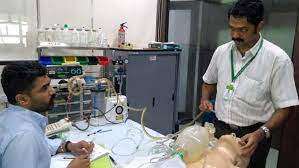
Introduction about Emergency Patient Care Technicians
Emergency Patient Care Technicians (EPCTs) play a crucial role in the healthcare system, providing critical support in emergency medical situations. These highly skilled professionals are trained to deliver immediate care to patients during emergencies, ensuring that individuals receive prompt and effective treatment when time is of the essence.
EPCTs are typically part of emergency medical services (EMS) teams and work alongside paramedics and other healthcare professionals. Their primary responsibility is to respond quickly to emergency calls, assess the patient's condition, and administer basic medical care until the patient can be transferred to a medical facility for more comprehensive treatment.
The role of an EPCT involves a range of tasks, including performing basic life support techniques, managing trauma patients, and assisting in the administration of medications. They are trained to operate essential medical equipment, such as defibrillators and oxygen delivery systems, and are skilled in immobilizing patients for safe transport.
In addition to their technical skills, EPCTs are often trained in effective communication and teamwork, as they must collaborate closely with other members of the healthcare team, as well as communicate with patients and their families during stressful situations. The ability to remain calm under pressure and make quick, informed decisions is a key characteristic of successful Emergency Patient Care Technicians.
The work of EPCTs is vital in both urban and rural settings, as they are often the first medical professionals to arrive at the scene of an emergency. Their quick response and immediate care can make a significant difference in patient outcomes, especially in situations where time is a critical factor, such as cardiac arrests, severe injuries, or other life-threatening emergencies.
Overall, Emergency Patient Care Technicians play a pivotal role in the frontline of emergency medical care, contributing to the well-being and survival of individuals in critical situations. Their dedication, training, and ability to act swiftly make them indispensable members of the healthcare team in the realm of emergency medicine.
How can I apply for admission to Emergency Patient Care Technicians
To apply for admission to a program for Emergency Patient Care Technicians (EPCT), you typically need to follow a series of steps. Here is a general guide that you can adapt based on the specific requirements of the institution or program you are interested in:
Research Programs: Start by researching accredited programs that offer training for Emergency Patient Care Technicians. Look for institutions such as community colleges, technical schools, or vocational training centers that provide comprehensive and reputable EPCT programs.
Check Admission Requirements: Review the admission requirements for each program. Typically, these requirements may include a high school diploma or equivalent, certain prerequisite courses, and possibly a minimum GPA. Some programs may also require specific health screenings or immunizations.
Complete Prerequisite Courses: If the program has prerequisite courses, make sure you fulfill these requirements. Common prerequisites may include coursework in anatomy, physiology, medical terminology, and basic healthcare concepts.
Gain Relevant Experience: While not always mandatory, gaining experience in healthcare or related fields can strengthen your application. Consider volunteering or working as an emergency medical responder, medical assistant, or in another healthcare role.
Prepare Application Materials: Prepare all the necessary application materials, which may include:
Completed application form
Transcripts from high school or any post-secondary education
Letters of recommendation
Resume or curriculum vitae
Personal statement or essay expressing your interest in EPCT and your career goals
Submit Application: Follow the application instructions provided by the institution. Ensure that you meet all deadlines and submit all required documents.
Interview (if required): Some programs may require an interview as part of the admission process. Prepare for this by reviewing common interview questions and highlighting your relevant skills and experiences.
Financial Aid and Tuition Assistance: Explore financial aid options, scholarships, or tuition assistance programs that may be available to support your education. Many institutions offer assistance to students pursuing careers in healthcare.
Acceptance and Enrollment: If you receive an acceptance letter, carefully review the terms and conditions. Follow the instructions for enrollment, which may include submitting a deposit, attending orientation sessions, and completing any additional requirements.
Stay Informed: Keep in touch with the program administration for any updates or additional information. Stay informed about orientation dates, required textbooks, and any pre-program preparations.
Remember, the specific steps and requirements may vary between programs and institutions, so it's crucial to thoroughly review the information provided by the institution offering the EPCT program you are interested in.
What is the eligibility for Emergency Patient Care Technicians
The eligibility requirements for becoming an Emergency Patient Care Technician (EPCT) can vary depending on the specific program or institution offering the training. However, there are some common eligibility criteria that are often required for admission to EPCT programs. Keep in mind that these are general guidelines, and you should always check with the specific program you are interested in for their precise requirements. Here are typical eligibility criteria:
Educational Requirements:
High School Diploma or Equivalent: Most EPCT programs require applicants to have a high school diploma or a recognized equivalent, such as a General Educational Development (GED) certificate.
Age Requirement:
Many programs have a minimum age requirement. Applicants may need to be at least 18 years old to be eligible for enrollment. Some programs may have specific age restrictions, so it's essential to check program-specific requirements.
Health Requirements:
Good Physical Health: Due to the physical demands of the job, applicants may be required to meet certain health standards. This could involve passing a medical examination and providing documentation of immunizations.
Criminal Background Check:
Some programs may require applicants to undergo a criminal background check. Certain criminal convictions may affect eligibility for enrollment.
CPR Certification:
Basic Life Support (BLS) or Cardiopulmonary Resuscitation (CPR) Certification: Many EPCT programs require applicants to hold a current CPR certification. This certification may need to be obtained before starting the program.
Additional Certifications (if applicable):
Depending on the program, there may be additional certifications or prerequisites required. For example, some programs may prefer or require applicants to have completed coursework in anatomy, physiology, or medical terminology.
Work or Volunteer Experience (optional):
While not always mandatory, having relevant work or volunteer experience in healthcare or emergency services can enhance an applicant's eligibility. This experience can demonstrate a commitment to the field and an understanding of the demands of the profession.
How long does it takes to complete a Emergency Patient Care Technicians
The duration of Emergency Patient Care Technician (EPCT) programs can vary based on factors such as the level of the program, the specific curriculum, and whether it is a full-time or part-time program. In general, EPCT programs are designed to provide students with the necessary knowledge and skills to work as entry-level emergency medical professionals. Here are some common timelines for EPCT programs:
Certificate Programs:
Certificate programs for EPCT may take around 6 months to 1 year to complete. These programs are often intensive and focus on providing the essential skills and knowledge needed for emergency patient care.
Associate Degree Programs:
Some institutions offer Associate Degree programs in Emergency Medical Services or a related field, which may include EPCT training. These programs typically take about 2 years to complete and may provide a more comprehensive education, including general education coursework.
Training Programs with Different Structures:
Some training programs may offer flexible scheduling, allowing students to attend classes on a part-time basis. In such cases, the overall duration of the program may extend beyond the typical time frame.
Clinical or Internship Components:
EPCT programs often include clinical or internship components, where students gain hands-on experience in real-world emergency medical settings. The length of these practical components can vary but is typically included in the overall program duration.
Online Programs:
Online EPCT programs may offer flexibility in terms of pacing, allowing students to complete the coursework at their own pace. The duration of online programs can vary, and some may offer accelerated options.
It's important to note that program lengths can vary by institution and region. Additionally, some programs may have prerequisites or admission requirements that can impact the total time it takes to complete the training.
Before enrolling in an EPCT program, it's recommended to carefully review the curriculum, program structure, and any specific requirements. Contact the admissions office of the institution offering the program to get accurate and up-to-date information on the duration and structure of the EPCT training program you are interested in pursuing.
What are potential career opportunities after Emergency Patient Care Technicians
After completing training as an Emergency Patient Care Technician (EPCT), individuals can pursue various career opportunities in the field of emergency medical services and healthcare. Some potential career paths include:
Emergency Medical Technician (EMT):
EPCTs can often work as EMTs, providing immediate medical care in emergency situations. EMTs are crucial members of ambulance crews and respond to 911 calls to assess and treat patients in pre-hospital settings.
Paramedic:
With additional education and training, EPCTs may choose to become paramedics. Paramedics have a higher level of training than EMTs, allowing them to administer advanced life support, perform invasive procedures, and make critical decisions in emergency situations.
Medical Assistant:
EPCTs may find opportunities to work as medical assistants in healthcare settings such as hospitals, clinics, or physician's offices. In this role, they can assist healthcare professionals with patient care, administrative tasks, and minor medical procedures.
Emergency Room Technician:
Some EPCTs may choose to work specifically in hospital emergency rooms as emergency room technicians. In this role, they provide support to medical professionals, assist with patient care, and ensure a smooth flow of operations in the emergency department.
Firefighter/EMT:
EPCTs with an interest in firefighting may pursue a career as a firefighter/EMT. Fire departments often require emergency medical training for firefighters, as they are frequently called upon to respond to medical emergencies in addition to firefighting.
Ambulance Dispatcher:
EPCTs may explore opportunities as ambulance dispatchers, coordinating emergency response efforts by communicating with emergency personnel, providing instructions to callers, and dispatching appropriate medical resources.
Healthcare Assistant or Patient Care Technician:
EPCTs can work in healthcare settings as assistants or patient care technicians, providing direct care and support to patients under the supervision of nurses or other healthcare professionals.
Military Healthcare Roles:
Some EPCTs may choose to apply their skills in military healthcare settings, where they can provide emergency medical care to military personnel in various operational environments.
Instructor or Trainer:
Experienced EPCTs may pursue roles as instructors or trainers, sharing their knowledge and expertise by teaching in emergency medical services programs or conducting training sessions for healthcare professionals.
Syllabus of Emergency Patient Care Technicians
The syllabus for Emergency Patient Care Technicians (EPCT) can vary between educational institutions and programs. However, I can provide a general semester-wise outline based on common topics covered in EPCT programs. Keep in mind that the specific structure and content may differ, and it's advisable to consult the curriculum of the institution offering the program for the most accurate information. Here's a generalized overview:
Semester 1:
Introduction to Emergency Medical Services (EMS):
Overview of the EMS system
Roles and responsibilities of EPCTs
Legal and ethical considerations in emergency care
Basic Anatomy and Physiology:
Overview of human anatomy and physiology
Understanding body systems and functions relevant to emergency care
Medical Terminology:
Basic medical terminology used in emergency settings
Understanding and using medical abbreviations
CPR and Basic Life Support (BLS):
Cardiopulmonary Resuscitation (CPR) techniques
Use of automated external defibrillators (AED)
Patient Assessment:
Techniques for assessing patients in emergency situations
Documentation of patient information
Semester 2:
Trauma Care:
Assessment and management of traumatic injuries
Bleeding control and wound care
Airway Management:
Techniques for maintaining open airways
Use of airway adjuncts and suction devices
Emergency Pharmacology:
Introduction to common medications used in emergency care
Medication administration techniques
Medical Emergencies:
Recognition and management of common medical emergencies
Understanding signs and symptoms of various medical conditions
Ambulance Operations:
Safe and efficient operation of ambulances
Vehicle safety and transportation considerations
Semester 3:
Advanced Patient Care:
Advanced assessment techniques
Intervention strategies for critical patients
Pediatric Emergency Care:
Special considerations for pediatric patients
Pediatric assessment and treatment techniques
Geriatric Emergency Care:
Unique considerations for elderly patients
Assessment and management of geriatric emergencies
Special Populations:
Considerations for patients with special needs
Cultural competency in emergency care
Clinical or Field Internship:
Hands-on experience in real-world emergency settings
Application of learned skills under supervision
Semester 4:
Preparation for Certification Exams:
Review of key concepts for certification exams
Practice exams and test-taking strategies
Ethical and Legal Issues in Emergency Care:
In-depth exploration of legal and ethical challenges in emergency medicine
Patient confidentiality and consent
Professional Development:
Career options and pathways in emergency medical services
Continuing education and specialization opportunities
Capstone Project or Final Exam:
Culminating project or comprehensive final exam
Integration of knowledge and skills acquired throughout the program
Internship opportunities after completing Emergency Patient Care Technicians
After completing training as an Emergency Patient Care Technician (EPCT), individuals often have the opportunity to gain valuable hands-on experience through internships or clinical rotations. These experiences allow EPCTs to apply their knowledge and skills in real-world settings, working under the supervision of experienced healthcare professionals. Here are some potential internship opportunities for individuals who have completed EPCT training:
Ambulance Ride-Along:
Many EPCT programs include or facilitate ambulance ride-along experiences. This allows individuals to accompany paramedics or EMTs during their shifts, observe emergency responses, and participate in patient care activities.
Hospital Emergency Room Internship:
Internships in hospital emergency rooms provide EPCTs with the opportunity to work alongside nurses, physicians, and other healthcare professionals. Tasks may include assisting with patient assessments, taking vital signs, and providing basic care.
Urgent Care Centers:
Interning at urgent care centers allows EPCTs to gain experience in a fast-paced healthcare environment. They may assist with patient intake, perform basic procedures, and collaborate with healthcare teams to address urgent medical needs.
Community Clinics:
EPCTs can intern at community clinics to gain experience working with diverse patient populations. This setting provides exposure to a variety of medical conditions and allows for collaboration with primary care providers.
Specialized Healthcare Facilities:
Some EPCTs may find internships in specialized healthcare facilities, such as trauma centers, cardiac care units, or pediatric emergency departments. These experiences offer exposure to specific patient populations and conditions.
Simulation Labs:
Internships in simulation labs allow EPCTs to practice their skills in controlled environments that mimic real emergency situations. These labs often use high-fidelity mannequins to simulate various medical scenarios.
Public Health Initiatives:
EPCTs may have the opportunity to participate in public health initiatives during their internships. This could involve community outreach, health education, or participation in health screenings and vaccination clinics.
Disaster Response Training:
Some EPCTs may choose internships that focus on disaster response and preparedness. This could involve training for mass casualty incidents, natural disasters, or public health emergencies.
Military Medical Training:
For those interested in a military career, internships within military medical units provide exposure to emergency medical services in a military context.
Continuing Education Programs:
Internships within educational institutions or training programs allow EPCTs to contribute to the training of future healthcare professionals. This role may involve assisting with skills labs, conducting simulations, or providing mentorship.
Scholarships and grants for Emergency Patient Care Technicians
Scholarships and grants can be valuable resources to help offset the costs of education and training for Emergency Patient Care Technicians (EPCTs). Here are some potential sources of financial assistance for individuals pursuing a career as an EPCT:
Institutional Scholarships:
Many educational institutions that offer EPCT programs may have their own scholarship programs. These scholarships could be based on academic achievement, financial need, or a combination of factors. Contact the financial aid office of the institution you plan to attend for information on available scholarships.
Government Grants and Aid:
Explore government grants and financial aid programs that may be available for individuals pursuing healthcare-related education and training. The Free Application for Federal Student Aid (FAFSA) is a common application for federal financial aid in the United States.
Healthcare Organizations and Associations:
Professional organizations and healthcare associations may offer scholarships or grants to students pursuing careers in emergency medical services. Examples include the National Association of Emergency Medical Technicians (NAEMT) or the American Ambulance Association (AAA).
Community Foundations and Nonprofit Organizations:
Local community foundations and nonprofit organizations may provide scholarships or grants to individuals pursuing healthcare careers in the community. Check with local foundations and organizations for available opportunities.
Corporate Sponsorships:
Some corporations and businesses, especially those in the healthcare industry, may offer sponsorship or scholarship programs to support individuals training to become EPCTs. Research potential corporate sponsors and inquire about available opportunities.
State and Regional Programs:
Some states or regions may have scholarship or grant programs specifically designed for healthcare students, including those in emergency medical services. Check with state or regional departments of health or education for information on available funding.
Military Scholarships:
If you have a military affiliation or are considering a career in the military, explore scholarship opportunities provided by military branches. Military scholarships may be available to support education and training in emergency medical services.
Foundations and Trusts:
Investigate private foundations and trusts that focus on supporting healthcare education. Some philanthropic organizations may offer scholarships to students pursuing careers as EPCTs.
Online Scholarship Databases:
Utilize online scholarship databases and search engines to find potential funding opportunities. Websites like Fastweb, Chegg, and College Board's Scholarship Search allow you to search for scholarships based on various criteria.
Employer Tuition Assistance:
If you are currently employed or plan to work for an organization that values education, inquire about tuition assistance programs offered by employers. Some employers provide financial support for employees seeking further education in relevant fields.
When applying for scholarships and grants, be sure to carefully review the eligibility criteria, application requirements, and deadlines. Prepare a strong application that highlights your academic achievements, relevant experiences, and career goals. Additionally, consider applying to multiple sources to increase your chances of securing financial assistance.
Conclusion
In conclusion, pursuing a career as an Emergency Patient Care Technician (EPCT) offers individuals the opportunity to play a vital role in emergency medical services. The comprehensive training and skills acquired during EPCT programs enable professionals to provide immediate and critical care to those in need. From responding to 911 calls and assessing patients to administering life-saving interventions, EPCTs contribute significantly to the healthcare system. With diverse career paths, including roles as EMTs, paramedics, and healthcare assistants, EPCTs make a difference in ensuring the well-being of individuals in emergency situations.
FAQ,s
What is an Emergency Patient Care Technician (EPCT)?
An EPCT is a healthcare professional trained to provide immediate care in emergency medical situations. Their responsibilities include assessing patients, administering basic medical interventions, and collaborating with other healthcare professionals.
How long does it take to become an EPCT?
The duration varies, but certificate programs typically take 6 months to 1 year, while associate degree programs may take around 2 years. Online and part-time options may offer flexibility in completion time.
What are the career opportunities for EPCTs?
EPCTs can pursue careers as Emergency Medical Technicians (EMTs), paramedics, medical assistants, emergency room technicians, and more. They may also work in diverse settings such as hospitals, clinics, and urgent care centers.
Are there internships for EPCTs?
Yes, internships provide hands-on experience in settings like ambulances, emergency rooms, urgent care centers, and simulation labs. These opportunities help EPCTs apply their skills in real-world scenarios.
Are there scholarships for EPCT programs?
Yes, scholarships and grants are available through institutions, government programs, healthcare organizations, corporate sponsorships, and foundations. Eligibility criteria and application processes vary.
How Shiksha Hub helps you in
-
 Student Counsellors
 -
 Career Counseling
 -
 Research
 -
 24/7 Support
 -
 Scholarships
 -
 Community