Posted by Admin on 08-07-2023 in Shiksha hub
EOT/Overhead Crane Operator Admission, Registration, Eligibility, Duration, Fees, Syllabus 2024
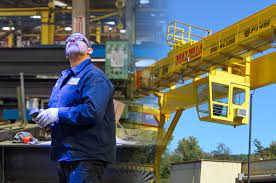
Introduction about EOT Overhead Crane Operator
EOT Overhead Crane Operators play a vital role in the industrial landscape, serving as the skilled professionals responsible for the safe and efficient operation of EOT (Electric Overhead Travel) cranes. These specialized operators are essential for lifting and moving heavy loads within manufacturing plants, warehouses, and construction sites.
The operation of EOT cranes requires a unique set of skills and qualifications. This article delves into the world of EOT Overhead Crane Operators, exploring their qualities, training processes, responsibilities, and the challenges they face in their day-to-day activities.
Qualities of a Skilled EOT Overhead Crane Operator
When it comes to operating EOT cranes, technical proficiency is just the tip of the iceberg. Skilled operators possess a combination of technical know-how, safety awareness, and effective communication skills. Their ability to navigate challenging environments while ensuring the safety of themselves and those around them sets them apart.
Technical Proficiency
Operating EOT cranes demands a high level of technical proficiency. Operators must be adept at maneuvering the crane, understanding load capacities, and using controls with precision. Ongoing training and certification programs are essential to keep operators updated on the latest industry standards and equipment advancements.
Safety Awareness
Safety is paramount in the world of EOT Overhead Crane Operation. Operators need to be vigilant about potential hazards, adhere to strict safety protocols, and prioritize the well-being of everyone in the vicinity. Regular safety drills and the use of personal protective equipment (PPE) contribute to a secure working environment.
Communication Skills
Effective communication is the linchpin of successful EOT Overhead Crane Operation. Operators need to communicate clearly with ground personnel, follow signals accurately, and convey information about load status and positioning. Strong communication skills contribute to seamless coordination within the workplace.
Training and Certification
Becoming a skilled EOT Overhead Crane Operator involves more than just on-the-job experience. Formal training programs, often provided by accredited institutions, offer comprehensive education on crane operation, safety procedures, and equipment maintenance.
Formal Training Programs
Many aspiring crane operators enroll in formal training programs to acquire the necessary knowledge and skills. These programs cover a range of topics, including crane mechanics, load handling techniques, and emergency response procedures. Practical training, often conducted with simulators, prepares operators for real-world challenges.
Ongoing Education for Operators
The learning doesn't stop after initial certification. Ongoing education is crucial for operators to stay abreast of industry developments, new technologies, and safety regulations. Continuous improvement ensures that EOT Overhead Crane Operators remain at the forefront of their profession.
Key Responsibilities of an EOT Overhead Crane Operator
EOT Overhead Crane Operators shoulder significant responsibilities to ensure smooth and safe crane operation. From routine equipment inspections to precise load handling techniques, their role is multifaceted.
Equipment Inspection
Regular inspections of EOT cranes are essential to identify and address potential issues before they escalate. Operators are trained to recognize signs of wear, malfunction, or damage, ensuring that the equipment is in optimal condition for each operation.
Load Handling Techniques
The art of lifting and moving heavy loads requires precision and skill. EOT Overhead Crane Operators are well-versed in load handling techniques, considering factors such as weight distribution, balance, and the crane's load capacity. Mastery of these techniques is crucial for preventing accidents and ensuring efficient operations.
Safety Protocols Adherence
Safety is ingrained in every aspect of EOT Overhead Crane Operation. Operators adhere to strict safety protocols, including the use of PPE, proper signaling, and compliance with industry regulations. Their commitment to safety not only protects themselves but also contributes to a secure working environment for all.
Challenges Faced by EOT Overhead Crane Operators
The daily work of EOT Overhead Crane Operators is not without its challenges. Navigating through environmental factors, meeting precision and accuracy demands, and addressing safety concerns are constant considerations.
Environmental Factors
Operational environments can vary significantly, from cramped warehouses to outdoor construction sites. EOT Overhead Crane Operators must adapt to different conditions, including varying weather, limited visibility, and confined spaces. Flexibility and quick decision-making are crucial in such dynamic settings.
Precision and Accuracy Demands
The nature of crane operations demands precision and accuracy. Operators need to position loads with utmost accuracy, avoiding collisions and ensuring the safety of nearby personnel. Factors such as wind, uneven terrain, and the nature of the load add complexity to the task.
Safety Concerns
Safety is a paramount concern for EOT Overhead Crane Operators. The risk of accidents is inherent in the nature of their work, making adherence to safety protocols non-negotiable. Constant vigilance, thorough training, and a safety-first mindset are essential for mitigating risks.
Technology Advancements in EOT Overhead Crane Operation
The field of EOT Overhead Crane Operation is not immune to technological advancements. Automation, remote operation capabilities, and the integration of sensors and monitoring systems have transformed the way cranes are operated.
Automation and Remote Operation
Advancements in automation have introduced remote operation capabilities for EOT cranes. This technology allows operators to control cranes from a safe distance, enhancing both safety and efficiency. Remote monitoring systems enable real-time tracking of equipment status and performance.
How can I apply for admission to EOT Overhead Crane Operator Program
Training and Certification: How to Apply for Admission to EOT Overhead Crane Operator Program
Becoming a certified EOT Overhead Crane Operator involves a structured process that ensures individuals acquire the necessary skills and knowledge. If you're eager to embark on this exciting career path, here's a step-by-step guide on how to apply for admission to an EOT Overhead Crane Operator Program.
Research Accredited Programs
Start by researching accredited programs that offer comprehensive EOT Overhead Crane Operator training. Look for institutions or training centers with a solid reputation for providing quality education in crane operation. Consider factors such as program duration, curriculum, and the credentials of the instructors.
Check Admission Requirements
Each program may have specific admission requirements. Common prerequisites include a high school diploma or equivalent, a minimum age requirement, and the ability to meet physical demands. Some programs may also require applicants to undergo a basic aptitude test to assess their suitability for the profession.
Complete Application Forms
Once you've identified a suitable program, obtain and complete the application forms. Ensure that you provide accurate and complete information, including your educational background, work experience (if applicable), and any additional documentation required by the institution. Pay attention to deadlines for submission.
Attend an Interview or Orientation
Some programs may require applicants to attend an interview or orientation session. This step allows the program coordinators to assess your motivation, communication skills, and understanding of the profession. Be prepared to discuss your interest in becoming an EOT Overhead Crane Operator and your career goals.
Financial Considerations
Explore financial aspects of the program, including tuition fees, available scholarships, and payment options. Some programs may offer financial assistance or flexible payment plans. It's essential to have a clear understanding of the financial commitment involved in pursuing the training.
Physical Examination
Given the physically demanding nature of the job, many programs require applicants to undergo a thorough physical examination. This ensures that candidates are in good health and capable of handling the physical rigors of EOT Overhead Crane Operation. Obtain the necessary medical documentation as part of your application.
Submit Letters of Recommendation
Some programs may request letters of recommendation from teachers, employers, or individuals who can vouch for your character and work ethic. Choose individuals who can speak to your suitability for the profession and your ability to work in a safety-conscious environment.
Complete Pre-Training Modules (if required)
Certain programs may offer pre-training modules or assessments to gauge your readiness for the training. Completing these modules may be a prerequisite for admission. Use this opportunity to familiarize yourself with basic concepts related to EOT Overhead Crane Operation.
Await Admission Decision
After submitting your application, patiently await the admission decision. This may take some time as program coordinators review applications and conduct assessments. Be proactive and follow up with the institution if you haven't received a response within the specified timeframe.
Enroll and Begin Training
Upon receiving an acceptance letter, complete the enrollment process and prepare to embark on your EOT Overhead Crane Operator training journey. Attend orientation sessions, familiarize yourself with the training facility, and be ready to dive into the comprehensive curriculum designed to equip you with the skills needed for success in the field.
What is the eligibility for EOT Overhead Crane Operator
Becoming an EOT (Electric Overhead Travel) Crane Operator is a rewarding career choice, but it requires individuals to meet specific eligibility criteria. The eligibility requirements ensure that operators are well-prepared to handle the responsibilities and challenges associated with this crucial role. Here are the key eligibility criteria for aspiring EOT Overhead Crane Operators:
Educational Qualifications:
While a high school diploma or equivalent is not always mandatory, having a basic level of education is beneficial. Some training programs may require a minimum educational qualification as part of their admission criteria.
Age Requirement:
Applicants typically need to meet a minimum age requirement, often set at 18 years old. This criterion ensures that individuals entering the program are mature enough to handle the responsibilities of operating heavy machinery.
Physical Fitness:
Due to the physically demanding nature of the job, candidates must be in good physical health. Some programs may require candidates to undergo a thorough physical examination to assess their fitness for the role. Good physical health is crucial for safely operating and maneuvering the crane.
Basic Aptitude:
EOT Overhead Crane Operators need to have a basic aptitude for technical and mechanical tasks. Some training programs may assess applicants' aptitude through tests or interviews to ensure they have the necessary cognitive abilities to operate the equipment safely and efficiently.
Communication Skills:
Effective communication is vital for crane operators. The ability to understand and convey information accurately is crucial for coordinating with ground personnel, interpreting signals, and ensuring a smooth workflow. Training programs may assess applicants' communication skills during the application process.
Commitment to Safety:
Safety is a top priority in the field of EOT Overhead Crane Operation. Candidates must demonstrate a commitment to safety protocols and procedures. A strong awareness of potential hazards and a dedication to following safety guidelines are essential qualities for a successful crane operator.
Compliance with Legal Requirements:
Candidates must comply with any legal requirements or regulations related to crane operation in their region. This may include obtaining necessary licenses or certifications, which could vary based on local or national regulations.
Ability to Work in Various Environments:
EOT Overhead Crane Operators work in diverse settings, from manufacturing plants to construction sites. As such, candidates should be adaptable to different working conditions, including indoor and outdoor environments, varying temperatures, and potential exposure to dust or noise.
Previous Experience (Preferred but not Mandatory):
While prior experience in a related field is advantageous, it is not always a mandatory requirement. Many training programs are designed to provide comprehensive education, including hands-on experience, to individuals with varying levels of background knowledge.
Meeting these eligibility criteria ensures that aspiring EOT Overhead Crane Operators are well-equipped to undergo the necessary training and contribute to a safe and efficient work environment. It's essential for individuals considering this career path to thoroughly research and understand the specific requirements of the training program they intend to join.
How long does it takes to complete a EOT Overhead Crane Operator program
Duration of EOT Overhead Crane Operator Program
The duration of an Electric Overhead Travel (EOT) Crane Operator program can vary depending on the specific training provider, the comprehensiveness of the curriculum, and the structure of the program. Generally, these programs are designed to provide a balanced mix of theoretical knowledge and practical hands-on experience to ensure that operators are well-prepared for the challenges of the job.
Factors Influencing Program Duration:
Program Type:
Basic programs may have a shorter duration, focusing on fundamental skills and safety procedures.
Comprehensive programs, covering advanced techniques, technology integration, and specialized operations, may have a longer duration.
Training Intensity:
Full-time programs with more hours of instruction per week generally have a shorter overall duration.
Part-time or evening programs, allowing participants to continue working while training, may extend over a more extended period.
Practical Training Requirements:
Programs with extensive hands-on training and practical experience may have a longer duration to ensure operators develop the necessary skills in a real-world setting.
Regulatory Standards:
Some programs align with specific industry or regulatory standards, impacting the duration to cover all required content thoroughly.
Average Duration:
Basic Programs: Basic EOT Overhead Crane Operator programs may range from a few weeks to a few months, typically covering essential skills, safety protocols, and basic operational knowledge.
Comprehensive Programs: More extensive programs, encompassing advanced topics, technology integration, and specialized operations, may extend from several months to a year or more.
Apprenticeship Programs: In some cases, individuals may undergo apprenticeship programs, combining on-the-job training with classroom instruction. These programs can vary in duration, often spanning several months to a few years.
Considerations for Aspiring Operators:
Program Content: Understand the specific content covered in the program to ensure it aligns with your career goals and the skills required in the industry.
Hands-On Experience: Programs with a focus on practical, hands-on experience are valuable for gaining real-world proficiency in operating EOT cranes.
Certification Requirements: Check whether the program includes certification examinations and the associated requirements for successful completion.
Industry Trends: Stay informed about industry trends and advancements, as programs incorporating the latest technologies may have longer durations.
Personal Commitment: The duration of the program also depends on your personal commitment and the time you can dedicate to both classroom and practical training.
Syllabus of EOT Overhead Crane Operator
The world of industrial operations relies heavily on the efficient handling of materials, and one crucial role in ensuring this is that of an EOT (Electric Overhead Traveling) Crane Operator. Operating these large and powerful machines requires a unique set of skills and knowledge. In this article, we will delve into the syllabus of an EOT Overhead Crane Operator, exploring the qualifications, training, and skills necessary for success in this dynamic field.
Introduction
Before we unravel the intricacies of an EOT Overhead Crane Operator's syllabus, let's understand the significance of this profession. EOT Crane Operators play a pivotal role in various industries, facilitating the movement of heavy loads with precision and safety.
Importance of EOT Overhead Crane Operators
Safety in Material Handling
Safety is paramount in any industrial setting. EOT Overhead Crane Operators are instrumental in ensuring that materials are handled with utmost care, minimizing the risk of accidents and injuries.
Efficiency in Industrial Operations
The efficiency of material handling directly impacts overall industrial operations. Skilled EOT Crane Operators contribute to the smooth flow of processes, enhancing productivity.
Qualifications and Training
To embark on a career as an EOT Overhead Crane Operator, certain qualifications and training are essential.
Educational Background
While there is no strict educational requirement, a high school diploma or equivalent is often preferred. Basic math and mechanical aptitude are valuable assets.
Specific Training Requirements
Specialized training programs focus on the intricacies of crane operations. These programs cover both theoretical and practical aspects, ensuring operators are well-prepared for the challenges of the job.
Key Skills for EOT Overhead Crane Operators
Beyond formal education and training, certain skills are crucial for success in this field.
Precision and Attention to Detail
Operating an EOT Crane demands precision. Operators must have a keen eye for detail to maneuver loads safely and accurately.
Communication Skills
Effective communication is vital, especially in environments where teamwork is essential. Operators need to convey information clearly and follow instructions accurately.
Syllabus Overview
The syllabus for EOT Overhead Crane Operators is comprehensive, covering various aspects of crane operations.
Basics of Crane Operations
Understanding the fundamental principles of crane operations is the foundation of the syllabus. This includes the mechanics of the crane, load dynamics, and control systems.
Safety Protocols
Safety is a top priority. The syllabus includes in-depth training on safety protocols, emergency procedures, and risk assessment.
Equipment Maintenance
Operators learn the importance of regular maintenance to ensure the longevity and reliability of the equipment.
Detailed Syllabus Breakdown
Theoretical Aspects
Theoretical modules delve into crane components, load charts, and the physics behind lifting and moving heavy loads.
Practical Training Modules
Hands-on training is a crucial part of the syllabus. This involves actual crane operation, load handling, and mastering control mechanisms.
Certification Process
To become a certified EOT Overhead Crane Operator, individuals must undergo an examination process.
Examination Details
Certification exams assess both theoretical knowledge and practical skills. Successful candidates receive a license to operate EOT Cranes.
Renewal Requirements
Operators must stay updated with industry standards, and certifications typically require renewal at regular intervals.
Job Opportunities for EOT Overhead Crane Operators
Qualified EOT Crane Operators find opportunities in various industries.
Industries that Require Crane Operators
From manufacturing and construction to warehouses and shipyards, EOT Crane Operators are in demand across diverse sectors.
Career Growth Prospects
With experience, operators can take on supervisory roles or specialize in specific crane types, opening doors to career advancement.
Challenges Faced by EOT Overhead Crane Operators
Physical Demands
Operating cranes can be physically demanding. Operators need to maintain good health and fitness to handle the rigors of the job.
Safety Concerns
Given the nature of the job, safety is a constant concern. Operators must adhere to strict safety protocols to mitigate risks.
Success Stories
Highlighting success stories of skilled EOT Crane Operators can inspire aspiring individuals.
Profiles of Skilled Operators
Sharing anecdotes and achievements of seasoned operators adds a human touch to the profession, motivating others to pursue a career in crane operations.
Technology and EOT Overhead Crane Operations
The integration of technology is changing the landscape of crane operations.
Integration of Technology
From automated controls to remote monitoring, technology is enhancing the efficiency and safety of EOT Crane operations.
Impact on Operator Roles
Operators need to adapt to technological advancements, showcasing the importance of staying updated with industry trends.
Future Trends in EOT Overhead Crane Operations
Looking ahead, the field of EOT Crane Operations is evolving.
Automation in Material Handling
The rise of automation introduces new challenges and opportunities for operators, emphasizing the need for continuous skill development.
Skill Evolution for Operators
Operators must embrace ongoing learning to stay relevant in a rapidly changing industrial landscape.
Internship Opportunities After Completing EOT Overhead Crane Operator
As you embark on the journey to become an EOT Overhead Crane Operator, the prospect of gaining practical experience through internships is a crucial aspect of your career development. Let's explore the internship opportunities that await you after successfully completing your EOT Overhead Crane Operator training.
Introduction
Internships serve as a bridge between theoretical knowledge and real-world application. For EOT Overhead Crane Operators, internships provide a valuable opportunity to hone their skills, apply classroom learning in a practical setting, and gain insights into the daily challenges and responsibilities of the job.
Why Pursue an Internship?
Hands-On Experience
Internships offer hands-on experience in operating EOT cranes, allowing you to translate your theoretical knowledge into practical skills. This hands-on experience is invaluable in building confidence and competence in the field.
Industry Exposure
Internships expose you to different industries that require EOT Crane Operators. Whether it's manufacturing, construction, or logistics, you'll have the chance to explore various sectors and understand their unique operational demands.
Networking Opportunities
Building a network within the industry is crucial for career growth. During internships, you'll have the chance to connect with experienced professionals, potentially opening doors for future job opportunities and mentorship.
Finding Internship Opportunities
Training Centers and Institutions
Many institutions that offer EOT Overhead Crane Operator training also have partnerships with industries, facilitating internship placements for their students. Check with your training center for available opportunities.
Job Portals and Industry Websites
Explore job portals and industry-specific websites to find companies offering internships for crane operators. These platforms often list openings and provide application details.
Networking Events
Attend industry-related networking events, workshops, and seminars. These gatherings provide a platform to connect with potential employers and learn about internship opportunities directly from industry professionals.
Internship Duration and Structure
Varied Duration
Internship durations can vary, ranging from a few weeks to several months. The length often depends on the company's requirements and the complexity of the tasks assigned.
Structured Learning
Internship programs are usually structured to provide a well-rounded learning experience. You may rotate through different departments, gaining exposure to various aspects of crane operations and safety protocols.
Internship Expectations
Learning Objectives
Internships typically have specific learning objectives. These could include mastering specific crane models, understanding unique industry challenges, or becoming proficient in the use of advanced crane technologies.
Supervision and Mentorship
Expect to work closely with experienced professionals who will guide and mentor you. Their insights and feedback will contribute significantly to your skill development.
Benefits of Completing an Internship
Resume Enhancement
Having internship experience on your resume demonstrates to potential employers that you not only possess theoretical knowledge but have applied it in real-world scenarios.
Skill Refinement
Internships allow you to refine your skills under the guidance of industry experts. This refinement is crucial for becoming a proficient and sought-after EOT Overhead Crane Operator.
Job Placement Opportunities
In many cases, successful interns are considered for full-time positions within the company upon completion of their training. This can fast-track your entry into the workforce.
Scholarship and Grants for EOT Overhead Crane Operators
Investing in education and training to become an EOT (Electric Overhead Traveling) Crane Operator is a significant step towards a rewarding career. For individuals seeking financial assistance, various scholarships and grants are available to support their journey. Let's explore the opportunities that can help aspiring EOT Overhead Crane Operators ease the financial burden.
Introduction
Becoming a certified EOT Overhead Crane Operator involves specialized training and, in some cases, financial commitment. Scholarships and grants aim to make this career path accessible to a broader range of individuals by providing financial assistance for education and training expenses.
Why Pursue Scholarships and Grants?
Financial Support
Scholarships and grants offer financial support, covering tuition fees, training materials, and other related expenses. This support is especially beneficial for those who may face financial constraints.
Encouraging Skill Development
By providing financial assistance, these opportunities encourage individuals to pursue training as EOT Crane Operators, contributing to the growth of skilled professionals in the industry.
Merit Recognition
Many scholarships are awarded based on merit, recognizing individuals with outstanding academic achievements or a strong commitment to the field of crane operations.
Finding Scholarships and Grants
Educational Institutions
Training centers and educational institutions offering EOT Overhead Crane Operator programs often have scholarship programs for eligible students. Inquire about these opportunities during your enrollment process.
Industry Associations and Organizations
Industry-specific associations and organizations may offer scholarships to support the development of skilled professionals. Explore opportunities provided by associations related to crane operations.
Government Programs
Some governments have initiatives to support skill development in key industries. Research government programs that may provide financial aid or grants for individuals pursuing EOT Overhead Crane Operator training.
Types of Scholarships and Grants
Merit-Based Scholarships
Awarded to individuals with exceptional academic achievements or a strong track record in relevant fields.
Need-Based Scholarships
Designed for individuals facing financial challenges, these scholarships consider the applicant's financial need.
Industry-Specific Scholarships
Offered by companies or organizations within the crane and lifting industry, these scholarships focus on supporting individuals pursuing careers in crane operations.
Community College and Vocational Training Scholarships
Some scholarships are specific to community colleges or vocational training programs, providing support for individuals enrolled in these institutions.
Application Process
Research Eligibility Criteria
Before applying, carefully review the eligibility criteria for each scholarship or grant. Ensure that you meet the requirements and provide all necessary documentation.
Prepare a Strong Application
Craft a compelling application that highlights your achievements, commitment to the field, and any relevant experience. Personalize your application to stand out from other candidates.
Submit Applications on Time
Be mindful of application deadlines. Submit your applications well before the closing date to ensure consideration.
Benefits of Scholarships and Grants
Financial Relief
The primary benefit is the financial relief provided, covering a significant portion of your education and training expenses.
Recognition and Networking Opportunities
Some scholarships come with recognition within the industry and networking opportunities. This exposure can enhance your professional profile.
Career Advancement
Successfully securing a scholarship can contribute to your overall career advancement by easing the financial burden of training.
Conclusion
In conclusion, EOT Overhead Crane Operator Training is not just a legal requirement but a fundamental necessity for a safe and efficient workplace. The investment in proper training pays dividends in terms of safety, productivity, and overall job satisfaction.
FAQ's
Q: What is the minimum educational requirement to become an EOT Overhead Crane Operator?
A: While there is no strict educational requirement, a high school diploma or equivalent is often preferred. Basic math and mechanical aptitude are valuable assets for individuals pursuing a career as an EOT Overhead Crane Operator.
Q: How can I find internship opportunities after completing my EOT Overhead Crane Operator training?
A: Explore internship opportunities through training centers, job portals, industry websites, and by attending networking events. Keep an eye on openings that match your skills and interests to kickstart your career with practical experience.
Q: What is the typical duration of an internship for EOT Overhead Crane Operators?
A: Internship durations vary but typically range from a few weeks to several months. The duration depends on the company's requirements and the scope of the internship program.
Q: Are there scholarships specifically for EOT Overhead Crane Operator training?
A: Yes, there are scholarships and grants offered by educational institutions, industry associations, and government programs that specifically support individuals pursuing EOT Overhead Crane Operator training. Research and inquire about these opportunities during your enrollment process.
Q: What criteria are usually considered for merit-based scholarships?
A: Merit-based scholarships typically consider academic achievements, relevant experience, and a strong commitment to the field. High academic performance and a demonstrated passion for crane operations are often key criteria.
How Shiksha Hub helps you in
-
 Student Counsellors
 -
 Career Counseling
 -
 Research
 -
 24/7 Support
 -
 Scholarships
 -
 Community