Posted by Admin on 27-07-2023 in Shiksha hub
Eye Technician Introduction, Admission, Registration, Eligibility, Duration, Fees, Syllabus 2024
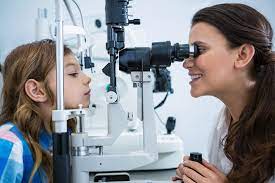
Introduction about Eye Technician
An eye technician, also known as an ophthalmic or optometric technician, plays a crucial role in the field of eye care by providing support to eye care professionals, such as ophthalmologists and optometrists. These professionals specialize in the diagnosis, treatment, and management of various eye conditions and vision problems.
The primary responsibilities of an eye technician involve assisting eye care practitioners in conducting eye examinations, performing diagnostic tests, and gathering essential patient information. They often work directly with patients, helping to prepare them for examinations and explaining procedures. Additionally, eye technicians may be involved in maintaining and calibrating eye care equipment, ensuring that it functions accurately.
Eye technicians also play a key role in preliminary assessments, measuring visual acuity, and conducting basic eye tests. They may be involved in gathering patient medical histories, updating records, and managing administrative tasks within the eye care facility.
The field of eye technology is dynamic and continually evolving with advancements in diagnostic tools and treatment options. Eye technicians need to stay abreast of these changes to provide optimal support to eye care professionals and contribute to the overall well-being of patients.
In summary, an eye technician is an integral part of the eye care team, assisting in various aspects of patient care, diagnostic procedures, and administrative tasks to ensure the efficient and effective functioning of an eye care practice.
How can I apply for admission to Eye Technician
To apply for admission to an eye technician program, you typically need to follow a series of steps. Here is a general guide on how you can apply:
Research Programs: Start by researching eye technician programs at universities, community colleges, or vocational schools. Look for programs that are accredited and well-regarded in the field of eye care.
Review Admission Requirements: Each program may have specific admission requirements. Common requirements include a high school diploma or equivalent, prerequisite courses, and sometimes relevant work experience. Make sure you meet these requirements before applying.
Prepare Application Materials: Gather the necessary documents for your application. This may include:
High school transcripts or proof of equivalent education.
Letters of recommendation.
Personal statement or essay explaining your interest in the field.
Resume detailing relevant work or volunteer experience.
Take Required Tests: Some programs may require you to take standardized tests such as the SAT or ACT. Others may have specific entrance exams. Ensure you are aware of any testing requirements and prepare accordingly.
Submit Application: Complete the application form for the eye technician program. Many institutions now have online application processes. Pay close attention to deadlines and submit all required materials before the due date.
Interview (if required): Some programs may require an interview as part of the admission process. Prepare for this by reviewing common interview questions and practicing your responses.
Financial Aid and Scholarships: Explore financial aid options and scholarships that may be available to you. Many schools have financial aid offices that can provide information on grants, loans, and scholarships.
Wait for Admission Decision: After submitting your application, be patient and wait for the admission decision. This may take some time, so use this period to explore housing options if needed and plan for your potential enrollment.
Acceptance and Enrollment: If you receive an acceptance letter, follow the instructions to formally accept the offer. This may involve submitting a deposit or additional paperwork. Once accepted, you can proceed with the enrollment process.
Orientation: Attend any orientation sessions offered by the program to familiarize yourself with the curriculum, faculty, and campus resources.
Remember to check the specific requirements and procedures for the particular eye technician program you are interested in, as these can vary between institutions.
What is the eligibility for Eye Technician
Eligibility criteria for becoming an eye technician can vary depending on the specific educational program or institution. However, here are general eligibility requirements commonly associated with eye technician programs:
Educational Background:
High School Diploma or Equivalent: Typically, candidates are required to have a high school diploma or an equivalent qualification such as a General Educational Development (GED) certificate.
Prerequisite Courses:
Some eye technician programs may have specific prerequisite courses in subjects such as biology, chemistry, or mathematics. Check the requirements of the individual program you are interested in.
Age and Legal Requirements:
Meeting the legal age requirements is important for enrollment in educational programs. In many cases, this means being at least 18 years old.
Health Requirements:
Due to the hands-on nature of the work, candidates may be required to meet certain health standards. This could involve passing a physical examination and providing evidence of immunizations.
Background Check:
Some programs may require candidates to undergo a background check as part of the admission process.
Interview or Admission Test:
Certain programs may require applicants to participate in an interview or take an admission test to assess their suitability for the program.
Work or Volunteer Experience:
While not always mandatory, having relevant work or volunteer experience in a healthcare or eye care setting can strengthen an application.
Letters of Recommendation:
Some programs may request letters of recommendation from teachers, employers, or other individuals who can vouch for the applicant's character and work ethic.
How long does it takes to complete a Eye Technician
The duration to complete an eye technician program can vary depending on the type of educational program and the level of certification or degree sought. Here are the general timelines for different types of eye technician programs:
Certificate or Diploma Programs:
Certificate or diploma programs for eye technicians typically take around 1 to 2 years to complete. These programs are often offered by vocational schools or community colleges.
Associate Degree Programs:
An associate degree in ophthalmic technology or a related field usually takes approximately 2 years of full-time study at a community college or technical institute.
Bachelor's Degree Programs:
Some institutions offer bachelor's degree programs in ophthalmic technology or a related field. These programs generally take around 4 years of full-time study, similar to other bachelor's degree programs.
On-the-Job Training:
In some cases, individuals may enter the field through on-the-job training or apprenticeships. The duration of on-the-job training can vary, but it typically involves a combination of practical experience and classroom instruction.
It's important to note that the length of the program can also be influenced by factors such as part-time or full-time enrollment, any prerequisite coursework required, and the specific curriculum of the educational institution. Additionally, some programs may offer accelerated options for those who wish to complete their training more quickly.
Before enrolling in an eye technician program, it's advisable to check the specific requirements and duration of the program at the institution of interest. Program lengths can vary, so it's essential to choose a program that aligns with your educational and career goals.
What are potential career opportunities after Eye Technician
Upon completing a program as an eye technician, individuals can explore various career opportunities in the field of eye care. Here are some potential career paths:
Ophthalmic or Optometric Technician:
The most direct career path for an eye technician is to work as an ophthalmic or optometric technician. Technicians assist eye care professionals in conducting eye examinations, measuring visual acuity, and performing diagnostic tests.
Ophthalmic Photographer:
Ophthalmic photographers specialize in capturing detailed images of the eye for diagnostic and documentation purposes. They may work closely with ophthalmologists and other eye care professionals.
Ophthalmic Surgical Assistant:
Some eye technicians may choose to specialize in assisting ophthalmologists during surgical procedures. They help prepare patients for surgery, maintain surgical instruments, and provide support during the operation.
Optical Laboratory Technician:
Technicians may work in optical laboratories where they manufacture and assemble eyeglasses or contact lenses based on prescriptions provided by optometrists or ophthalmologists.
Research Assistant in Eye Care:
Eye technicians can contribute to advancements in eye care by working as research assistants in laboratories or clinical research settings. They may be involved in collecting and analyzing data related to eye diseases and treatments.
Vision Screening Technician:
Some technicians may work in community health settings or schools, conducting vision screenings to identify potential vision problems in individuals.
Ophthalmic Equipment Sales:
Individuals with a strong technical background may pursue careers in sales and marketing of ophthalmic equipment, representing companies that manufacture and sell eye care devices.
Healthcare Administration in Eye Care:
Eye technicians with additional education or experience in healthcare administration may take on roles in managing eye care facilities, coordinating patient care, or handling administrative responsibilities.
Educator or Trainer in Eye Care:
Experienced eye technicians may choose to become educators, teaching future generations of eye care professionals in academic or training institutions.
Telemedicine Support:
With the growing field of telemedicine, eye technicians may find opportunities to provide remote support in conducting virtual eye examinations and assisting with telehealth initiatives.
The career path chosen can depend on individual interests, further education, and specialization. Continuing education and staying updated on advancements in eye care are essential for career growth in this dynamic field.
Syllabus of Eye Technician
The specific syllabus for an eye technician program can vary among institutions, and the content may be organized differently across semesters. However, I can provide a general overview of topics that are commonly covered in an eye technician program, organized by semester:
Semester 1:
Introduction to Optometry and Ophthalmology:
Overview of the eye care profession, history, and ethical considerations.
Anatomy and Physiology of the Eye:
In-depth study of the structure and function of the eye.
Basic Medical Terminology:
Introduction to medical terminology relevant to eye care.
Visual Optics:
Fundamentals of optics, including refraction and lens systems.
Basic Patient Care Skills:
Introduction to patient communication, history-taking, and basic examination techniques.
Semester 2:
Ophthalmic Diseases and Conditions:
Study of common eye diseases, their symptoms, and treatments.
Ophthalmic Pharmacology:
Overview of medications used in eye care and their effects.
Diagnostic Techniques:
Hands-on training in using diagnostic instruments for eye examinations.
Ophthalmic Imaging:
Introduction to imaging techniques used in eye care, including photography and imaging devices.
Contact Lens Basics:
Fundamentals of fitting and caring for contact lenses.
Semester 3:
Advanced Visual Optics:
In-depth study of advanced optical concepts and corrective lenses.
Ocular Motility and Binocular Vision:
Examination and management of eye movement disorders.
Pediatric Ophthalmic Care:
Special considerations for eye care in children.
Ophthalmic Surgical Procedures:
Overview of common surgical procedures in ophthalmology.
Clinical Practicum I:
Hands-on experience in a clinical setting, applying learned skills under supervision.
Semester 4:
Advanced Ocular Imaging:
Advanced techniques in ocular imaging and diagnostic procedures.
Low Vision Rehabilitation:
Strategies for assisting individuals with low vision.
Ophthalmic Emergencies:
Management of urgent eye care situations.
Geriatric Eye Care:
Considerations for eye care in the elderly population.
Clinical Practicum II:
Continued hands-on experience in a clinical setting, with increased independence.
Semester 5:
Practice Management:
Basics of running an eye care practice, including billing and insurance.
Professional Ethics and Standards:
Review of ethical considerations and professional standards in eye care.
Public Health and Community Eye Care:
Understanding the role of eye technicians in public health initiatives.
Research Methods in Eye Care:
Introduction to research techniques in the field.
Clinical Practicum III:
Advanced clinical experience with a focus on specialized areas of interest.
Semester 6:
Capstone Project:
A comprehensive project integrating knowledge and skills gained throughout the program.
Professional Development:
Career planning, resume building, and interview skills.
Current Trends and Innovations in Eye Care:
Stay updated on the latest advancements in the field.
Final Clinical Practicum:
Culminating clinical experience with a focus on transition to professional practice.
Please note that this is a general outline, and the actual syllabus may vary. It's advisable to check with the specific institution offering the eye technician program for the most accurate and detailed information on the syllabus.
Internship opportunities after completing Eye Technician
After completing an eye technician program, individuals often have opportunities to gain valuable hands-on experience through internships or clinical placements. These experiences allow graduates to apply their knowledge in real-world settings, further develop their skills, and establish professional connections. Here are some potential internship opportunities for individuals who have completed an eye technician program:
Ophthalmology Clinics:
Internships in ophthalmology clinics provide hands-on experience in assisting ophthalmologists with patient examinations, diagnostic procedures, and treatment plans.
Optometry Practices:
Interning in optometry practices allows individuals to work alongside optometrists, gaining experience in vision testing, contact lens fittings, and basic eye care.
Optical Laboratories:
Internships in optical laboratories provide insight into the manufacturing and fitting of eyeglasses and contact lenses. This experience can be valuable for those interested in the technical aspects of eye care.
Hospitals and Surgical Centers:
Internships in hospital eye clinics or surgical centers offer exposure to a broader range of eye conditions and surgeries. This experience is particularly relevant for individuals interested in ophthalmic surgical assistance.
Research Institutions:
Opportunities to intern in research institutions allow individuals to engage in eye care research projects, contributing to advancements in the field.
Community Health Centers:
Interning in community health centers provides experience in delivering eye care services to diverse populations, including conducting vision screenings and managing public health initiatives.
Vision Rehabilitation Centers:
Internships in vision rehabilitation centers offer experience in working with individuals with low vision and implementing strategies to enhance their visual capabilities.
Contact Lens Clinics:
Interning in clinics specializing in contact lenses allows individuals to gain expertise in fitting, prescribing, and managing contact lens patients.
Telemedicine Platforms:
With the increasing use of telemedicine, some internships may involve participating in virtual eye care consultations and remote patient support.
Corporate Settings (Eyewear Companies):
Internships in corporate settings, such as eyewear companies, provide insight into the business aspects of the eye care industry, including sales, marketing, and product development.
To find internship opportunities, individuals can explore job boards, contact local eye care professionals or institutions directly, and utilize career services offered by their educational institution. Networking at industry events and conferences can also be a valuable way to discover internship opportunities and build professional connections in the field of eye care.
Scholarships and grants for Eye Technician
Several scholarships and grants are available to support individuals pursuing education and training in eye care, including eye technician programs. These financial aid options can help alleviate the cost of tuition, fees, and related educational expenses. While the availability and eligibility criteria for scholarships and grants can vary, here are some potential sources to explore:
American Academy of Ophthalmology (AAO) Scholarships:
The AAO offers various scholarships and awards to support students pursuing careers in ophthalmology. These may include scholarships for ophthalmic technicians.
Association of Technical Personnel in Ophthalmology (ATPO) Scholarships:
The ATPO provides scholarships and grants to individuals pursuing education in ophthalmic technology. These awards may be available at different levels, including for students and certified technicians seeking further education.
National Eye Institute (NEI) Diversity in Vision Research and Ophthalmology (DIVRO) Program:
The NEI's DIVRO program supports individuals from underrepresented backgrounds pursuing careers in vision research and ophthalmology. This program may include financial assistance for education and training.
Vision Care Section Scholarship Program:
Some vision care organizations or foundations offer scholarship programs to support students pursuing careers in eye care. These scholarships may cover various fields within eye care, including ophthalmic technology.
Optical Laboratories Association (OLA) Scholarships:
The OLA may offer scholarships for individuals pursuing education in optical technology and related fields, which can include aspects of eye care.
Foundation for Eye Health Awareness Scholarships:
This foundation may offer scholarships to students pursuing careers in eye health and vision care. The specific eligibility criteria and application process should be checked directly with the foundation.
Local and Regional Eye Care Organizations:
Check with local and regional eye care organizations, as well as community foundations, for potential scholarship opportunities specifically available in your area.
Optometric and Ophthalmic Industry Companies:
Some companies in the optometric and ophthalmic industry may offer scholarship programs to support students entering the field. These companies may include manufacturers of eye care equipment, eyewear, or contact lenses.
College and University Financial Aid Offices:
Many educational institutions have their own scholarship and grant programs. Contact the financial aid office of the institution where you plan to pursue your eye technician education for information on available opportunities.
Government Aid Programs:
Explore government aid programs, such as federal and state grants, that may be available to support individuals pursuing healthcare-related education.
Before applying for scholarships and grants, carefully review the eligibility criteria, application deadlines, and required documentation for each opportunity. Additionally, consider reaching out to financial aid offices and professional organizations in the field of eye care for the most up-to-date information on available support.
Conclusion
Becoming an eye technician offers a rewarding career path in the dynamic field of eye care. With a comprehensive education and hands-on training, individuals can contribute to the diagnosis, treatment, and management of various eye conditions. From conducting examinations to utilizing advanced diagnostic tools, eye technicians play a crucial role in supporting ophthalmologists and optometrists. The diverse career opportunities and the chance to make a positive impact on patients' vision health make the journey toward becoming an eye technician both fulfilling and promising.
FAQ,s
What is the role of an eye technician?
Eye technicians assist eye care professionals in conducting examinations, performing diagnostic tests, and managing patient information. They play a vital role in the field of eye care, contributing to the overall well-being of patients.
How long does it take to become an eye technician?
The duration varies, but certificate or diploma programs typically take 1 to 2 years, while associate and bachelor's degree programs may take 2 to 4 years, respectively.
What are the potential career paths after completing an eye technician program?
Graduates can pursue careers as ophthalmic or optometric technicians, ophthalmic photographers, surgical assistants, researchers, or work in optical laboratories, among other options.
Are there internship opportunities for eye technicians?
Yes, internships are available in various settings, including ophthalmology clinics, optometry practices, hospitals, research institutions, and optical laboratories, providing hands-on experience.
Are there scholarships for eye technician programs?
Yes, scholarships and grants are available through organizations like the American Academy of Ophthalmology, Association of Technical Personnel in Ophthalmology, and other industry-specific and regional sources.
Meta Title: Explore the World of Eye Care with a Career as an Eye Technician | Comprehensive Guide and FAQs
Meta Tags: Eye Technician, Ophthalmic Technology, Optometric Technician, Eye Care Careers, Eye Technician Programs, Scholarships, Internships, Ophthalmology, Optometry
Keywords: Eye technician, ophthalmic technology, optometric assistant, eye care careers, ophthalmology education, vision health, eye technician programs, scholarships for eye technicians, internships in eye care, ophthalmic research.
Meta Description: Discover the fulfilling career of an eye technician. Learn about programs, internships, and scholarships, and explore FAQs on becoming a key player in the dynamic field of eye care.
How Shiksha Hub helps you in
-
 Student Counsellors
 -
 Career Counseling
 -
 Research
 -
 24/7 Support
 -
 Scholarships
 -
 Community