Posted by Admin on 27-07-2023 in Shiksha hub
False ceiling and drywall installer Introduction, Admission, Registration, Eligibility, Duration, Fees, Syllabus 2024
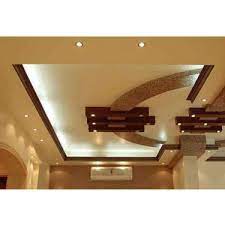
Introduction to False Ceiling and Drywall Installer
A False Ceiling and Drywall Installer is a skilled professional responsible for the installation of false ceilings and drywall systems in various types of buildings. False ceilings, also known as drop ceilings or suspended ceilings, are secondary ceilings suspended below the main structural ceiling. They are commonly used to conceal wiring, ductwork, and other unsightly elements, improve acoustics, and enhance the overall aesthetic appeal of a space.
Drywall, also known as gypsum board or plasterboard, is a widely used building material for creating interior walls and ceilings. Drywall installers play a crucial role in constructing and finishing these surfaces, providing a smooth and seamless appearance to interior spaces. The expertise of false ceiling and drywall installers is essential in achieving both functional and aesthetic goals in residential, commercial, and industrial construction projects.
Key Responsibilities of False Ceiling and Drywall Installers:
Measurement and Planning: False ceiling and drywall installers begin their work by carefully measuring the space and planning the layout of the ceiling or wall. Accurate measurements are crucial for a precise and well-fitted installation.
Material Selection: They are responsible for selecting the appropriate materials, including the type of false ceiling or drywall, considering factors such as acoustic requirements, fire resistance, and aesthetic preferences.
Installation: The installation process involves attaching support structures, suspending the false ceiling grid, and securing drywall panels to create a smooth and even surface. This requires precision and attention to detail to ensure a professional finish.
Finishing: False ceiling and drywall installers are skilled in finishing techniques, such as taping, mudding, and sanding, to create a seamless and polished final surface. This contributes to the overall appearance of the interior space.
Integration with Other Systems: They coordinate their work with other construction professionals, such as electricians and HVAC technicians, to ensure the seamless integration of wiring, lighting fixtures, and ventilation systems within the false ceiling or drywall structure.
Repair and Maintenance: In addition to installation, false ceiling and drywall installers may be involved in the repair and maintenance of existing ceilings and walls. This includes patching holes, addressing water damage, and making necessary adjustments.
Overall, false ceiling and drywall installers play a vital role in transforming architectural designs into functional and visually appealing interiors. Their expertise lies in combining technical skills with creative flair to enhance the aesthetics and functionality of various types of spaces.
How can I apply for admission to False ceiling and drywall installer
To apply for admission to a False Ceiling and Drywall Installer program, you typically need to follow a set of steps outlined by the educational institution offering the training. Here's a general guide on how you can apply:
Research Programs: Start by researching institutions or vocational training centers that offer False Ceiling and Drywall Installer programs. Look for schools that are reputable and provide comprehensive training in the skills required for this profession.
Check Admission Requirements: Review the admission requirements for the specific program you're interested in. Common requirements may include a high school diploma or equivalent, and some programs may have additional prerequisites or recommendations.
Application Form: Obtain the application form from the chosen institution. This form is typically available on the school's website or can be obtained directly from the admissions office.
Complete Application Form: Fill out the application form accurately and provide all the required information. Be sure to double-check for any supplementary documents or fees that may be required.
Submit Transcripts and Certificates: If the program has educational prerequisites, submit your high school transcripts or equivalent certificates along with your application. Some programs may also consider relevant work experience.
Letters of Recommendation: Some institutions may require letters of recommendation. If so, obtain these from teachers, employers, or other professionals who can speak to your suitability for the program.
Personal Statement or Essay: Prepare a personal statement or essay if it is part of the application process. This is an opportunity to express your interest in the field, your goals, and why you are a suitable candidate for the program.
Entrance Exam or Interview (if applicable): Some programs may require applicants to take an entrance exam or participate in an interview. Prepare accordingly if this is part of the admission process.
Submit Application: Once you have completed all the necessary steps, submit your application by the specified deadline. Ensure that you have included all required documents and fees.
Financial Aid and Scholarships: If you require financial assistance, inquire about available scholarships, grants, or financial aid options. Some institutions offer assistance to qualified students.
Wait for Admission Decision: After submitting your application, wait for the admission decision. This may take some time, and you will be notified by the institution regarding the outcome.
Enrollment: If accepted, follow the enrollment procedures provided by the institution. This may include submitting additional paperwork, paying tuition fees, and attending orientation sessions.
Remember to carefully read and follow the specific instructions provided by the institution to ensure a smooth application process. If you have any questions or concerns, don't hesitate to contact the admissions office for guidance.
What is the eligibility for False ceiling and drywall installer
The eligibility requirements for becoming a False Ceiling and Drywall Installer can vary depending on the specific program or educational institution offering the training. However, here are some general eligibility criteria that individuals may encounter:
Educational Background:
High School Diploma or Equivalent: Many programs require applicants to have a high school diploma or its equivalent (such as a GED).
Basic Math and English Skills: Proficiency in basic math and English may be required to understand measurements, blueprints, and written instructions.
Age and Legal Requirements:
Age Requirement: Some programs may have a minimum age requirement for admission. This is often tied to legal working age regulations.
Physical Fitness:
Physical Requirements: As False Ceiling and Drywall Installers engage in hands-on work that may involve lifting, climbing, and working in various physical positions, a reasonable level of physical fitness may be necessary.
Technical Aptitude:
Mechanical and Technical Aptitude: Basic mechanical and technical aptitude is often beneficial, as False Ceiling and Drywall Installers work with tools, measurements, and construction materials.
Work Experience (Optional):
Some programs may consider relevant work experience in construction or a related field as an asset. This could be in areas such as carpentry, general construction, or similar trades.
Interview or Entrance Exam (Varies):
In some cases, applicants may be required to undergo an interview or take an entrance exam to assess their suitability for the program.
Background Check (Varies):
Depending on the institution or program, applicants may be subject to a background check. This is especially relevant for programs that involve on-the-job training or work placements.
English Language Proficiency (if applicable):
For programs in English-speaking countries, non-native English speakers may need to demonstrate proficiency in the English language through standardized tests such as the TOEFL or IELTS.
How long does it takes to complete a False ceiling and drywall installer
The duration of a False Ceiling and Drywall Installer program can vary based on the type of training and the educational institution offering the program. Here are some general guidelines:
Short-Term Training Programs:
Some vocational or trade schools offer short-term certificate programs that can be completed in a matter of weeks or a few months. These programs focus on providing basic skills and knowledge needed for entry-level positions.
Associate Degree Programs:
Community colleges or technical institutes may offer associate degree programs in construction technology or a related field with a specialization in false ceiling and drywall installation. These programs typically take about two years to complete.
Apprenticeships:
Apprenticeship programs, which combine on-the-job training with classroom instruction, can vary in duration. Apprenticeships may last anywhere from two to four years, depending on the structure of the program and the industry standards in a particular region.
On-the-Job Training:
Some individuals may learn the trade through on-the-job training, working alongside experienced professionals. The duration of this informal training can vary, and individuals may progress at their own pace.
It's essential to consider the specific curriculum and structure of the program when estimating the duration of False Ceiling and Drywall Installer training. Additionally, the time it takes to complete the program may depend on factors such as the individual's prior experience, the intensity of the coursework, and the availability of practical training opportunities.
Prospective students should inquire with the educational institution offering the program to get accurate information on the duration of the False Ceiling and Drywall Installer training they are interested in. Additionally, programs may include internship or work experience components, contributing to a more comprehensive and practical understanding of the trade.
What are potential career opportunities after False ceiling and drywall installer
Upon completing training as a False Ceiling and Drywall Installer, individuals can explore various career opportunities in the construction and building industry. Here are potential career paths and job opportunities:
False Ceiling and Drywall Installer:
Graduates can directly enter the workforce as False Ceiling and Drywall Installers. They will be responsible for installing, repairing, and maintaining false ceilings and drywall systems in residential, commercial, and industrial buildings.
Construction Carpenter:
With additional skills gained during the training, individuals may pursue a career as a construction carpenter. Carpenters work on various aspects of construction, including framing, installing structures, and working with different materials.
Construction Laborer:
Some individuals may choose to work as construction laborers, assisting in various tasks on construction sites. This role involves a range of duties, such as site preparation, cleanup, and supporting skilled tradespeople.
Building Maintenance Worker:
Building maintenance workers are responsible for the upkeep and repair of buildings. False Ceiling and Drywall Installers can use their skills to maintain and repair interior structures, including ceilings and walls.
Estimator:
Those with experience in false ceiling and drywall installation may transition into roles as estimators. Estimators assess project requirements, materials, and labor costs to provide accurate project estimates for clients and contractors.
Construction Supervisor or Foreman:
After gaining experience in the field, individuals may advance to supervisory roles. Construction supervisors or foremen oversee construction projects, manage teams, and ensure that work is completed according to plans and specifications.
Small Business Owner:
Skilled professionals may choose to start their own false ceiling and drywall installation business. This path requires entrepreneurial skills and the ability to manage a business, including marketing, client relations, and project management.
Specialized Installer:
Individuals may specialize in certain aspects of false ceiling and drywall installation, such as acoustical ceiling installation, fire-resistant drywall installation, or decorative wall finishes. Specialization can open up niche markets and opportunities.
Sales Representative for Building Materials:
Some individuals may transition to sales roles, working for companies that manufacture or distribute building materials. They can use their expertise to advise customers on suitable products for their construction projects.
Instructor or Trainer:
Those with extensive experience and a passion for teaching may choose to become instructors or trainers in vocational schools, community colleges, or training programs, passing on their knowledge to the next generation of installers.
These career opportunities provide a range of options for False Ceiling and Drywall Installers to build rewarding and diverse careers within the construction industry. The specific path chosen may depend on individual preferences, skills, and long-term career goals.
Syllabus of False ceiling and drywall installer
The specific syllabus for a False Ceiling and Drywall Installer program can vary between educational institutions. However, here is a general semester-wise breakdown that covers key topics and skills typically included in such programs:
Semester 1:
Introduction to Construction Industry:
Overview of the construction industry and its various sectors.
Understanding construction materials and their properties.
Basic Mathematics and Measurements:
Mathematics relevant to construction calculations.
Measurement techniques for accurate installations.
Introduction to Tools and Equipment:
Identification and proper usage of tools and equipment used in false ceiling and drywall installation.
Safety protocols in tool handling.
Fundamentals of False Ceiling Installation:
Types of false ceilings and their applications.
Basic installation techniques and procedures.
Semester 2:
Drywall Systems:
Introduction to different types of drywall systems.
Understanding the properties and applications of gypsum board.
Building Codes and Regulations:
Familiarization with local and national building codes.
Compliance with safety and construction regulations.
Blueprint Reading:
Interpretation of construction drawings and blueprints.
Understanding symbols and annotations related to false ceiling and drywall installation.
Ceiling Grid Systems:
In-depth study of suspended ceiling grid systems.
Installation techniques and grid layout planning.
Semester 3:
Advanced False Ceiling Techniques:
Advanced installation methods for specific project requirements.
Incorporating design elements into false ceiling installations.
Drywall Finishing:
Techniques for taping, mudding, and sanding drywall seams.
Achieving a smooth and professional finish.
Safety Procedures in Construction:
Advanced safety protocols on construction sites.
Handling hazardous materials and waste disposal.
Project Management:
Basics of project planning and management.
Estimation of materials, time, and costs for false ceiling and drywall projects.
Semester 4:
Advanced Tools and Equipment:
Introduction to specialized tools for intricate installations.
Maintenance and calibration of equipment.
Acoustical Ceiling Systems:
Understanding acoustical properties in ceilings.
Installation techniques for acoustical ceiling systems.
Professional Communication:
Developing effective communication skills for client interactions and team collaboration.
Writing project proposals and reports.
Internship/Practical Training:
Hands-on experience in real-world projects.
Applying theoretical knowledge in practical settings.
Internship opportunities after completing False ceiling and drywall installer
After completing a False Ceiling and Drywall Installer program, individuals can explore internship opportunities to gain hands-on experience and further enhance their skills in real-world settings. Internships provide valuable exposure to the construction industry, allow for networking with professionals, and often serve as a bridge between education and employment. Here are potential internship opportunities for False Ceiling and Drywall Installers:
Construction Companies:
Many construction companies offer internship programs for individuals with skills in false ceiling and drywall installation. Interns may work alongside experienced installers, gaining practical experience on construction sites.
Architectural Firms:
Interning with architectural firms can provide insight into the design aspects of false ceiling and drywall installations. Interns may collaborate with architects to understand how design plans translate into construction projects.
Building Contractors:
Building contractors often hire interns to assist in various construction tasks. This can include working on both residential and commercial projects, honing skills in false ceiling and drywall installation.
Specialized Ceiling and Drywall Companies:
Interning with companies that specialize in false ceiling and drywall installations allows individuals to focus specifically on their chosen area of expertise. This can lead to a deeper understanding of specialized techniques and materials.
Construction Material Suppliers:
Interning with suppliers of construction materials, including those used in false ceiling and drywall installations, provides a different perspective. Interns may gain knowledge about materials, pricing, and industry trends.
Facility Management Companies:
Facilities management companies may offer internships that involve the maintenance and repair of existing false ceilings and drywall structures in buildings. This experience can be valuable for those interested in long-term maintenance roles.
Renovation and Restoration Projects:
Interning with companies involved in renovation or restoration projects exposes individuals to the challenges and intricacies of working with existing structures. This can be particularly valuable for developing problem-solving skills.
Construction Project Management:
Interning in project management roles within the construction industry provides insight into the planning and coordination aspects of false ceiling and drywall installations. This experience can be beneficial for those interested in supervisory roles.
Home Improvement Companies:
Companies specializing in home improvement projects may offer internship opportunities for individuals interested in residential false ceiling and drywall installations.
Commercial Real Estate Development Firms:
Interning with firms involved in commercial real estate development exposes individuals to large-scale projects. This experience can be beneficial for those interested in working on extensive installations.
To secure an internship, individuals should actively search for opportunities, network within the industry, and reach out to potential employers. Additionally, career services offered by educational institutions or local employment agencies may provide assistance in finding relevant internships. Internships not only provide practical skills but also offer the chance to make connections that can lead to future employment opportunities in the field.
Scholarships and grants for False ceiling and drywall installer
While specific scholarships and grants tailored specifically for False Ceiling and Drywall Installers may be limited, individuals pursuing education and training in construction-related fields may explore broader opportunities within the construction industry or related disciplines. Here are some potential sources of financial assistance:
Trade Associations and Organizations:
Explore scholarships offered by trade associations related to construction and building trades. These organizations may provide financial support to students pursuing careers in construction, including false ceiling and drywall installation.
Professional Associations:
Check for scholarships or grants offered by professional associations related to construction management, carpentry, or general construction trades. Examples include the Associated Builders and Contractors (ABC) or the National Association of Home Builders (NAHB).
Construction Companies and Contractors:
Some construction companies and contractors may have scholarship programs for individuals pursuing education in construction trades. Check with local companies or larger corporations that have a focus on workforce development.
Community and Technical Colleges:
Many community and technical colleges offer general construction-related scholarships. These can be applicable to students enrolled in False Ceiling and Drywall Installer programs or similar vocational training.
Government Programs:
Investigate government-sponsored programs and grants that support vocational education and training in the construction industry. These may be available at the local, state, or national level.
Foundation and Nonprofit Organizations:
Look for foundations or nonprofit organizations that support education in the skilled trades. While not specific to false ceiling and drywall installation, these sources may offer financial aid for related programs.
Apprenticeship Programs:
Some apprenticeship programs, which often include on-the-job training and classroom instruction, may offer financial assistance or scholarships to participants.
Online Scholarship Databases:
Explore general scholarship databases such as Fastweb, Chegg, or College Board's Scholarship Search. While they may not have specific scholarships for false ceiling and drywall installation, they can connect you with opportunities in construction-related fields.
Local Community Foundations:
Check with local community foundations, as they may offer scholarships to individuals pursuing vocational training or certification programs in construction trades.
Employer-Sponsored Programs:
If you are already employed or plan to work for a construction company, inquire about employer-sponsored education assistance programs. Some companies provide financial support for employees seeking further education.
When searching for scholarships and grants, it's essential to broaden the scope to include general construction-related opportunities, as specialized funding for false ceiling and drywall installation may be limited. Additionally, verify eligibility criteria, application deadlines, and submission requirements for each scholarship or grant opportunity.
Conclusion
Becoming a False Ceiling and Drywall Installer opens the door to a dynamic career in the construction industry. Through specialized training programs, individuals acquire the skills needed to install, repair, and maintain false ceilings and drywall systems. This profession not only contributes to the structural integrity of buildings but also enhances their aesthetic appeal. The demand for skilled False Ceiling and Drywall Installers continues to grow, providing ample opportunities for those seeking a hands-on and rewarding career in construction.
FAQ,s
Q1: What is the role of a False Ceiling and Drywall Installer?
A1: False Ceiling and Drywall Installers are skilled professionals responsible for installing, repairing, and maintaining false ceilings and drywall systems in residential, commercial, and industrial buildings. Their work involves precision, attention to detail, and a blend of technical and creative skills.
Q2: How long does it take to become a False Ceiling and Drywall Installer?
A2: The duration of training programs for False Ceiling and Drywall Installation varies. Short-term certificate programs may take weeks, while associate degree programs can span two years. Apprenticeships and on-the-job training durations may range from two to four years.
Q3: What career opportunities are available after completing training as a False Ceiling and Drywall Installer?
A3: Graduates can pursue careers as False Ceiling and Drywall Installers, construction carpenters, building maintenance workers, estimators, construction supervisors, and more. Specializing in areas like acoustical ceiling installation or project management are also viable career paths.
How Shiksha Hub helps you in
-
 Student Counsellors
 -
 Career Counseling
 -
 Research
 -
 24/7 Support
 -
 Scholarships
 -
 Community