Posted by Admin on 13-07-2023 in Shiksha hub
Farm Equipment Mechanic Introduction, Admission, Registration, Eligibility, Duration, Fees, Syllabus 2024
Introduction About Farm Equipment Mechanic
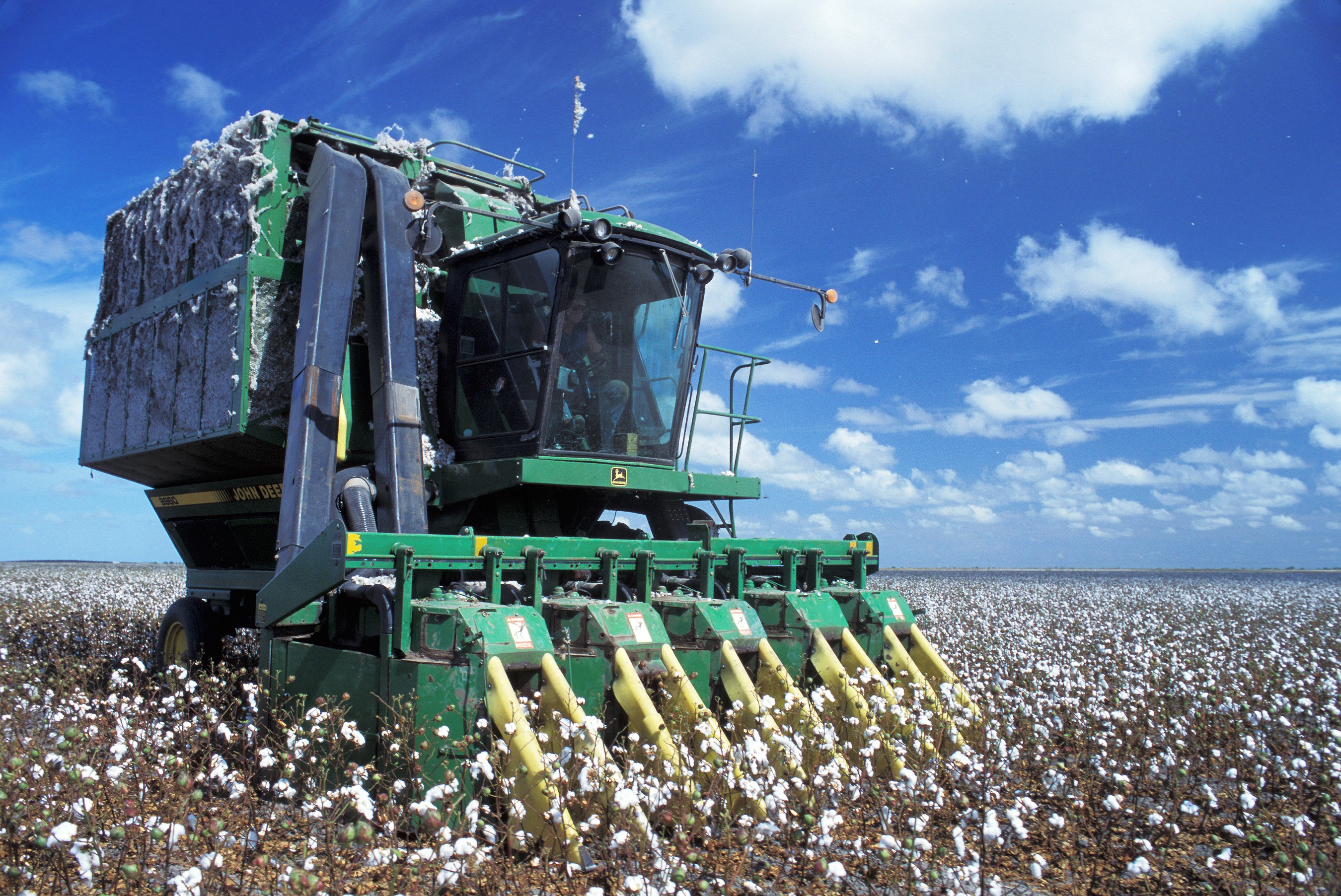
A Farm Equipment Mechanic, Also Known As An Agricultural Equipment Technician, Is A Skilled Professional Responsible For The Maintenance, Repair, And Troubleshooting Of Various Types Of Agricultural Machinery And Equipment. These Specialized Mechanics Play A Crucial Role In Ensuring The Efficiency And Functionality Of Farming Equipment, Ranging From Tractors And Combines To Harvesters And Irrigation Systems. With A Unique Blend Of Mechanical Expertise And An Understanding Of The Agricultural Industry, Farm Equipment Mechanics Contribute To The Smooth Operation Of Farms And The Overall Productivity Of The Agricultural Sector.
Key Responsibilities:
Equipment Diagnosis And Repair:
Farm Equipment Mechanics Are Adept At Diagnosing Mechanical Issues In Agricultural Machinery. They Use Specialized Tools And Diagnostic Equipment To Identify Problems And Perform Necessary Repairs.
Routine Maintenance:
Performing Routine Maintenance Tasks Is A Critical Aspect Of The Job. This Includes Inspecting, Lubricating, And Adjusting Various Components To Prevent Breakdowns And Ensure Optimal Equipment Performance.
Welding And Fabrication:
Farm Equipment Mechanics Often Have Skills In Welding And Fabrication. They May Be Required To Repair Or Fabricate Components, Ensuring That Equipment Meets Safety And Operational Standards.
Electrical Systems Maintenance:
Many Modern Farm Machines Include Complex Electrical Systems. Farm Equipment Mechanics Are Proficient In Troubleshooting And Repairing Electrical Components, Including Wiring, Sensors, And Control Systems.
Hydraulic System Repair:
Agricultural Equipment Often Relies On Hydraulic Systems For Various Functions. Mechanics Are Skilled In Diagnosing And Repairing Hydraulic Issues, Such As Leaks Or Malfunctions.
Technology Integration:
With The Increasing Use Of Technology In Agriculture, Farm Equipment Mechanics Are Adapting To Work With Precision Farming Technologies, Gps Systems, And Computerized Controls Integrated Into Modern Equipment.
Field Service:
Farm Equipment Mechanics May Need To Provide On-Site Service, Especially During Critical Planting Or Harvesting Seasons. This Requires The Ability To Quickly And Effectively Address Issues In The Field.
Documentation And Record-Keeping:
Keeping Accurate Records Of Repairs, Maintenance Tasks, And Equipment Histories Is Essential. This Documentation Helps Track The Condition Of Machinery And Plan For Future Maintenance Needs.
Qualifications And Skills:
Farm Equipment Mechanics Typically Have A Background In Diesel Technology, Agricultural Mechanics, Or A Related Field.
Strong Mechanical Aptitude And Problem-Solving Skills Are Crucial.
Knowledge Of Engine Systems, Hydraulics, Electronics, And Welding.
Familiarity With Safety Protocols And Regulations Related To Agricultural Equipment.
In Essence, Farm Equipment Mechanics Play A Pivotal Role In Supporting Farmers By Ensuring That Their Machinery Operates Efficiently, Ultimately Contributing To The Productivity And Sustainability Of Agriculture.
How Can I Apply For Admission To Farm Equipment Mechanic Program
To Apply For Admission To A Farm Equipment Mechanic Program, You Typically Need To Follow Specific Steps Outlined By The Educational Institution Offering The Program. Here Is A General Guide On How You Can Apply:
Research Programs:
Identify Educational Institutions That Offer Farm Equipment Mechanic Or Agricultural Equipment Technician Programs. Look For Colleges, Technical Schools, Or Vocational Institutions With Reputable Programs In This Field.
Review Admission Requirements:
Check The Admission Requirements For The Specific Program You Are Interested In. Requirements May Include A High School Diploma Or Equivalent, Specific Coursework Prerequisites, Or Relevant Work Experience.
Prepare Necessary Documents:
Gather The Required Documents For Your Application. Common Documents May Include:
High School Transcripts Or Proof Of Equivalent Education.
Letters Of Recommendation (If Required).
Resume Or Curriculum Vitae Outlining Relevant Experiences.
Personal Statement Expressing Your Interest In The Program And Career Goals.
Complete The Application Form:
Fill Out The Application Form Provided By The Educational Institution. Ensure That You Provide Accurate And Complete Information. Some Institutions May Offer Online Application Options.
Submit Application Fee:
Pay Any Required Application Fees. The Fee Amount And Payment Process Will Be Specified By The Institution. Some Programs May Have Application Fee Waivers Or Reduced Fees For Certain Applicants.
Check For Financial Aid Or Scholarships:
Explore Financial Aid Options Or Scholarships That May Be Available For The Farm Equipment Mechanic Program. Check With The Institution's Financial Aid Office Or Scholarship Department For Information On Available Opportunities.
Schedule Entrance Exams (If Required):
Some Programs May Require Applicants To Take Entrance Exams To Assess Their Readiness For The Program. If Required, Schedule And Take Any Necessary Exams Within The Specified Timeframe.
Attend Interviews (If Required):
Some Programs May Require Interviews As Part Of The Admission Process. Prepare For Any Interviews By Reviewing Common Questions And Highlighting Your Interest In The Field.
Submit Application By Deadline:
Be Aware Of The Application Deadline And Ensure That All Required Documents Are Submitted On Time. Late Applications May Not Be Considered.
Receive Admission Decision:
Once You Have Submitted Your Application, Wait For The Admission Decision. If Accepted, Carefully Review The Acceptance Letter For Instructions On The Next Steps, Such As Enrollment Procedures And Orientation.
What Is The Eligibility For Farm Equipment Mechanic
The Eligibility Criteria For Admission To A Farm Equipment Mechanic Program Can Vary Depending On The Specific Requirements Set By The Educational Institution Offering The Program. However, Here Are Some General Eligibility Factors Commonly Associated With Farm Equipment Mechanic Programs:
Educational Background:
Typically, Candidates Are Required To Have A High School Diploma Or Equivalent (Such As A Ged). Some Programs May Have Specific Coursework Prerequisites In Areas Like Mathematics, Science, Or Mechanics.
Mechanical Aptitude:
A Strong Mechanical Aptitude Is Often Essential For Success In A Farm Equipment Mechanic Program. This Includes An Interest In And An Understanding Of Mechanical Systems And Their Operation.
Basic Computer Skills:
With The Increasing Use Of Technology In Agricultural Equipment, Basic Computer Skills May Be Beneficial. Familiarity With Diagnostic Tools And Software Used In The Field Can Be An Asset.
Work Experience (Optional):
While Not Always Required, Some Programs May Consider Work Experience In A Related Field As A Factor In Admission. This Could Include Prior Work In Mechanics, Agriculture, Or Equipment Maintenance.
Physical Fitness:
Farm Equipment Mechanics Often Engage In Physically Demanding Tasks, Including Lifting Heavy Equipment Parts And Working In Various Weather Conditions. Good Physical Fitness And The Ability To Perform Manual Labor May Be Important.
Communication Skills:
Effective Communication Skills Are Valuable For Interacting With Colleagues, Supervisors, And Possibly Customers. This Includes The Ability To Convey Information About Equipment Issues And Repairs.
Problem-Solving Skills:
Farm Equipment Mechanics Should Possess Strong Problem-Solving Skills. The Ability To Diagnose And Troubleshoot Issues With Agricultural Machinery Is A Crucial Aspect Of The Profession.
Interest In Agriculture:
An Interest In Agriculture And Farming Practices Can Be Beneficial, As Farm Equipment Mechanics Work Closely With Equipment Used In Farming Operations.
It's Important For Prospective Students To Carefully Review The Specific Eligibility Requirements Of The Farm Equipment Mechanic Program They Are Interested In, As These Criteria Can Vary Between Institutions. Meeting Or Exceeding These Eligibility Criteria Enhances The Likelihood Of A Successful Application. If In Doubt, Reaching Out To The Admissions Office Of The Educational Institution Can Provide Clarification On Specific Requirements.
How Long Does It Takes To Complete A Farm Equipment Mechanic Program
The Duration Of A Farm Equipment Mechanic Program Can Vary Depending On The Type Of Program, The Level Of Education, And The Specific Curriculum Designed By The Educational Institution. Here Are Some General Guidelines:
Certificate Programs:
Certificate Programs In Farm Equipment Mechanics Typically Range From Six Months To One Year. These Programs Focus On Providing Fundamental Skills And Knowledge In Equipment Maintenance And Repair.
Diploma Programs:
Diploma Programs In Farm Equipment Mechanics Often Have A Duration Of One To Two Years. These Programs Provide A More Comprehensive Education, Covering A Broader Range Of Topics And Allowing For More In-Depth Hands-On Training.
Associate Degree Programs:
Some Institutions Offer Associate Degree Programs In Agricultural Equipment Technology, Which Generally Take About Two Years To Complete. These Programs May Include A Combination Of Classroom Instruction And Practical Experience.
Apprenticeships And On-The-Job Training:
Some Individuals May Enter The Field Through Apprenticeships Or On-The-Job Training Programs. The Duration Of These Programs Can Vary, And Individuals May Begin Working As Farm Equipment Mechanics While Gaining Practical Experience.
Online Or Part-Time Programs:
Online Or Part-Time Programs May Offer Flexible Scheduling Options, Allowing Individuals To Complete The Farm Equipment Mechanic Program At Their Own Pace. The Duration Can Vary Based On The Number Of Courses Taken Per Semester.
It's Important To Note That The Specific Program Structure, Including The Number Of Credit Hours, Coursework, And Hands-On Training Components, Can Influence The Overall Duration Of The Farm Equipment Mechanic Program. Additionally, Some Programs May Include Internships Or Cooperative Education Experiences, Providing Valuable Practical Skills.
Prospective Students Should Carefully Review The Curriculum Of The Farm Equipment Mechanic Program They Are Interested In And Consider Factors Such As Accreditation, Faculty Expertise, And Opportunities For Hands-On Experience. Meeting With Academic Advisors Or Program Coordinators Can Provide Additional Insights Into The Program's Structure And Duration.
What Are Potential Career Opportunities After Farm Equipment Mechanic
After Completing A Farm Equipment Mechanic Program, Individuals Can Pursue Various Career Opportunities In The Agricultural And Equipment Maintenance Sectors. Here Are Potential Career Paths For Farm Equipment Mechanics:
Farm Equipment Technician:
Work Directly On Farms, Providing Maintenance, Repair, And Troubleshooting Services For A Variety Of Agricultural Equipment, Including Tractors, Combines, And Harvesters.
Agricultural Equipment Dealership Technician:
Join Equipment Dealerships As A Technician, Specializing In The Repair And Maintenance Of Agricultural Machinery. This Role May Involve Working With Different Brands And Models Of Farm Equipment.
Equipment Rental Services:
Provide Technical Expertise In Equipment Rental Businesses That Offer Agricultural Machinery To Farmers On A Temporary Basis. Responsibilities Include Ensuring The Proper Functioning Of Equipment Before And After Rentals.
Agricultural Machinery Manufacturer:
Work For Manufacturers Of Agricultural Machinery, Contributing To The Assembly, Quality Control, And Maintenance Of New Equipment Before It Reaches The Market.
Precision Agriculture Technician:
Specialize In Precision Agriculture Technologies, Focusing On The Integration And Maintenance Of Gps Systems, Sensors, And Other Advanced Technologies Used In Modern Farming Equipment.
Field Service Technician:
Offer On-Site Repair And Maintenance Services, Traveling To Farms To Address Equipment Issues And Provide Immediate Solutions During Critical Planting Or Harvesting Seasons.
Agricultural Equipment Sales And Support:
Work In Sales Or Support Roles For Agricultural Equipment Dealerships, Assisting Customers In Selecting The Right Equipment For Their Needs And Providing Guidance On Maintenance And Repairs.
Irrigation System Technician:
Specialize In The Maintenance And Repair Of Irrigation Systems Used In Agriculture. This Role Involves Ensuring That Irrigation Equipment Functions Efficiently To Support Crop Growth.
Equipment Inspection And Appraisal:
Evaluate Used Agricultural Equipment For Resale Or Purchase, Assessing Its Condition, Identifying Necessary Repairs, And Determining Fair Market Value.
Shop Manager Or Supervisor:
Progress Into Managerial Roles Within Equipment Maintenance Shops, Overseeing A Team Of Technicians And Coordinating Repair And Maintenance Schedules.
Government Agricultural Agencies:
Work For Agricultural Agencies At The Local, State, Or Federal Levels, Providing Expertise In Equipment Maintenance And Ensuring Compliance With Safety And Environmental Regulations.
Educator Or Trainer:
Share Knowledge And Expertise By Becoming An Educator Or Trainer In Agricultural Equipment Technology Programs, Vocational Schools, Or Industry Training Initiatives.
Syllabus Of Farm Equipment Mechanic
Semester 1: Introduction To Agricultural Equipment Technology
|
Week |
Course Module |
Topics Covered |
|
1-2 |
Introduction To Farm Equipment |
Overview Of Agricultural Machinery And Systems |
|
3-4 |
Basic Mechanical Principles |
Fundamental Concepts In Mechanics And Machinery |
|
5-6 |
Engine Systems |
Principles Of Internal Combustion Engines |
|
7-8 |
Safety Procedures |
Safety Protocols And Practices In Equipment Maintenance |
|
9-10 |
Basic Welding And Fabrication |
Introduction To Welding And Fabrication Techniques |
|
11-12 |
Shop Tools And Equipment |
Identification And Proper Use Of Tools In The Shop |
Semester 2: Engine Systems And Power Transmission
|
Week |
Course Module |
Topics Covered |
|
1-2 |
Engine Diagnostics |
Troubleshooting And Diagnostic Procedures For Engines |
|
3-4 |
Power Transmission Systems |
Understanding And Maintaining Transmission Components |
|
5-6 |
Hydraulic Systems |
Principles And Maintenance Of Hydraulic Systems |
|
7-8 |
Electrical Systems |
Basics Of Electrical Systems In Agricultural Machinery |
|
9-10 |
Equipment Inspection And Testing |
Inspection Procedures And Testing Equipment |
|
11-12 |
Preventive Maintenance |
Developing And Implementing Preventive Maintenance Plans |
Semester 3: Advanced Equipment Systems
|
Week |
Course Module |
Topics Covered |
|
1-2 |
Precision Agriculture Technologies |
Introduction To Gps, Sensors, And Precision Farming |
|
3-4 |
Advanced Diagnostics |
Advanced Troubleshooting And Diagnostic Techniques |
|
5-6 |
Irrigation Systems |
Maintenance And Repair Of Agricultural Irrigation Systems |
|
7-8 |
Equipment Electronics |
Understanding And Repairing Electronic Components |
|
9-10 |
Environmental And Safety Issues |
Addressing Environmental Concerns And Safety Regulations |
|
11-12 |
Internship/Field Practicum |
Hands-On Experience In A Real-World Farm Equipment Setting |
Semester 4: Specialization And Capstone Project
|
Week |
Course Module |
Topics Covered |
|
1-2 |
Specialization Elective 1 |
Specialized Topics Based On Student Interest And Industry Demand |
|
3-4 |
Specialization Elective 2 |
Continued Specialization In A Specific Area Of Farm Equipment Maintenance |
|
5-6 |
Capstone Project |
Independent Project Showcasing Comprehensive Knowledge And Skills |
|
7-8 |
Professional Development |
Career Planning, Resume Building, And Job Search Strategies |
|
9-10 |
Emerging Technologies |
Latest Advancements In Agricultural Equipment Technology |
|
11-12 |
Final Examinations |
Comprehensive Assessments Of Knowledge And Skills Gained |
Internship Opportunities After Completing Farm Equipment Mechanic
After Completing A Farm Equipment Mechanic Program, Individuals Have The Opportunity To Gain Valuable Hands-On Experience And Further Enhance Their Skills Through Internships. Internships Provide A Bridge Between Academic Learning And Real-World Application, Allowing Individuals To Work Directly With Agricultural Equipment And Develop Practical Expertise. Here Are Potential Internship Opportunities For Individuals Who Have Completed A Farm Equipment Mechanic Program:
Agricultural Equipment Dealerships:
Interning At Agricultural Equipment Dealerships Provides Exposure To A Variety Of Machinery Brands And Models. Interns May Assist Experienced Technicians In Equipment Maintenance, Repairs, And Customer Service.
Farm Machinery Manufacturers:
Interning With Agricultural Machinery Manufacturers Allows Individuals To Gain Insights Into The Production, Assembly, And Quality Control Processes. Interns May Work On New Equipment And Learn About The Latest Technological Advancements.
Precision Agriculture Companies:
Interning With Companies Specializing In Precision Agriculture Technologies Provides Experience With Gps Systems, Sensors, And Data Management Tools. This Exposure Is Valuable For Those Interested In The Integration Of Technology Into Farm Equipment.
Irrigation System Providers:
Interning With Companies That Design, Install, And Maintain Irrigation Systems Offers Hands-On Experience In Servicing Equipment Crucial For Efficient Water Management On Farms.
Government Agricultural Agencies:
Internships With Local Or State Agricultural Agencies Allow Individuals To Work On Public Projects, Equipment Maintenance, And Compliance With Safety And Environmental Regulations.
Equipment Rental Services:
Interning With Equipment Rental Services Provides Experience In Preparing Equipment For Rental, Performing Routine Maintenance, And Addressing Issues Reported By Customers.
Farm Cooperative Mechanic:
Some Agricultural Cooperatives Have In-House Mechanics To Service The Machinery Used By Member Farmers. Interns May Assist In Maintaining And Repairing A Variety Of Equipment.
Specialized Agricultural Service Providers:
Internships With Companies That Specialize In Specific Aspects Of Agricultural Equipment, Such As Electrical Systems Or Hydraulics, Offer Focused Learning Opportunities.
Research Institutions:
Interning At Agricultural Research Institutions Allows Individuals To Participate In Projects Related To Equipment Testing, Development, And Optimization. This Provides Exposure To Cutting-Edge Technologies.
Local Farms:
Interning Directly On Farms Provides A Close Look At The Daily Maintenance And Repair Needs Of Agricultural Equipment. This Hands-On Experience Is Valuable For Those Interested In Working In Diverse Farming Operations.
Large-Scale Agricultural Operations:
Internships With Large-Scale Farming Operations Provide Exposure To The Maintenance And Repair Challenges Associated With Extensive Machinery Fleets.
Industry Trade Shows And Events:
Participating As An Intern In Industry Trade Shows Or Events Allows Individuals To Interact With Professionals, Learn About The Latest Equipment, And Gain Exposure To Industry Trends.
Securing An Internship In One Of These Settings Provides Practical Experience, Enhances Problem-Solving Skills, And Helps Individuals Build A Network Within The Agricultural Equipment Industry. It's Advisable To Actively Seek Internships, Submit Applications, And Network With Professionals In The Field To Maximize Internship Opportunities.
Scholorship And Grants For Farm Equipment Mechanic
Scholarships And Grants For Farm Equipment Mechanics May Not Be As Common As Those For More General Fields, But There Are Still Opportunities Available. Here Are Some Potential Avenues To Explore:
Agricultural Machinery Manufacturers:
Some Companies That Manufacture Farm Equipment May Offer Scholarships Or Grants. Check With Major Agricultural Machinery Manufacturers And Their Associated Foundations.
Agricultural Associations And Organizations:
Agricultural Associations Or Organizations, Such As The National Ffa Organization Or The Association Of Equipment Management Professionals, May Offer Scholarships For Students Pursuing Careers In Farm Equipment Mechanics.
Local Agricultural Groups And Co-Ops:
Check With Local Agricultural Groups, Cooperatives, Or Community Foundations. They May Have Scholarship Programs That Support Students In Fields Related To Agriculture And Equipment Maintenance.
Trade Schools And Technical Colleges:
Institutions Offering Programs In Farm Equipment Mechanics May Have Scholarships Specifically For Their Students. Contact The Financial Aid Office Of The School You Are Interested In Attending.
State Agricultural Departments:
Some State Agricultural Departments Or Agencies May Provide Financial Assistance Or Information On Relevant Scholarships For Individuals Pursuing Careers In Agriculture-Related Fields.
Online Scholarship Databases:
Utilize Online Scholarship Databases Such As Fastweb, College Board, Or Peterson's Scholarship Search. Customize Your Search To Include Keywords Related To Agricultural Mechanics, Farm Equipment Maintenance, Or Similar Terms.
Community Foundations And Trusts:
Explore Local Community Foundations, Trusts, Or Philanthropic Organizations That Support Education. They May Offer Scholarships To Students Pursuing Vocational Or Technical Education.
Federal Financial Aid Programs:
Explore Federal Financial Aid Programs, Including Grants And Work-Study Opportunities. Fill Out The Free Application For Federal Student Aid (Fafsa) To Determine Your Eligibility For Federal Aid.
Employer-Sponsored Programs:
Some Employers In The Agricultural Industry May Offer Educational Assistance Or Sponsorship For Employees Pursuing Further Education In Fields Like Farm Equipment Mechanics. Inquire With Potential Future Employers About Such Opportunities.
Conclusion:
The World Of Farm Equipment Mechanics Offers A Fulfilling Career Path With Continuous Learning And Challenges. Whether You're A Seasoned Professional Or Just Starting, Our Blog Provides Valuable Insights, Tips, And Information On Scholarships To Support Your Journey In Keeping The Agricultural Machinery Running Smoothly. Embrace The Opportunities In This Vital Field And Become An Essential Part Of The Agriculture Industry.
Faqs:
Q1: What Does A Farm Equipment Mechanic Do?
A1: Discover The Role And Responsibilities Of A Farm Equipment Mechanic, From Troubleshooting To Routine Maintenance, Ensuring The Smooth Operation Of Agricultural Machinery.
Q2: How To Become A Certified Agricultural Equipment Technician?
A2: Learn The Essential Steps And Educational Requirements To Kickstart Your Career As A Certified Agricultural Equipment Technician.
Q3: What Are The Key Challenges In Farm Machinery Maintenance?
A3: Explore Common Challenges Faced By Farm Equipment Mechanics And Gain Insights Into Effective Troubleshooting And Preventive Measures.
Q4: Are There Scholarships Available For Farm Equipment Mechanic Programs?
A4: Uncover Opportunities For Financial Assistance With Our Guide To Scholarships And Grants Specifically Tailored For Aspiring Farm Equipment Mechanics.
How Shiksha Hub helps you in
-
 Student Counsellors
 -
 Career Counseling
 -
 Research
 -
 24/7 Support
 -
 Scholarships
 -
 Community