Posted by Admin on 27-07-2023 in Shiksha hub
Fashion Designing Technician Introduction, Admission, Registration, Eligibility, Duration, Fees, Syllabus 2024
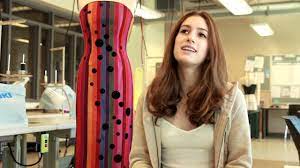
Introduction about Fashion Designing Technician
Fashion Designing Technicians play a crucial role in the dynamic and ever-evolving world of fashion. As professionals at the intersection of creativity and technical expertise, they contribute significantly to the entire process of bringing a fashion concept to life. These technicians bridge the gap between the visionary ideas of fashion designers and the practical aspects of garment construction and production.
The role of a Fashion Designing Technician encompasses a diverse set of responsibilities. They are adept at interpreting design sketches and translating them into tangible garments, considering factors such as fabric selection, pattern making, and sewing techniques. Attention to detail is paramount, as they ensure that the final product not only reflects the designer's vision but also meets industry standards for quality and craftsmanship.
Fashion Designing Technicians often collaborate closely with fashion designers, pattern makers, and production teams to navigate the complexities of the design-to-production process. They may be involved in sourcing materials, conducting fittings, and troubleshooting any technical challenges that arise during garment construction. In addition to their technical skills, these professionals need to stay abreast of fashion trends, technological advancements in the industry, and evolving consumer preferences.
In summary, Fashion Designing Technicians are the behind-the-scenes experts who bring creativity to reality in the fashion world. Their unique blend of artistic flair and technical proficiency ensures that fashion designs not only look stunning on the runway but also translate seamlessly into wearable and marketable garments.
How can I apply for admission to Fashion Designing Technician
Applying for admission to a Fashion Designing Technician program typically involves several steps. Here's a general guide to help you through the process:
Research Programs: Start by researching institutions that offer Fashion Designing Technician programs. Look for reputable schools or colleges with a strong focus on fashion education. Consider factors such as program curriculum, faculty expertise, and available resources.
Check Admission Requirements: Review the admission requirements for each program you're interested in. These requirements may include educational qualifications, such as a high school diploma or equivalent. Some programs may also require a portfolio showcasing your artistic and creative skills.
Prepare Necessary Documents: Gather all required documents for the application. This may include transcripts, letters of recommendation, a resume, and a personal statement. If a portfolio is required, ensure it reflects your best work and demonstrates your understanding of design principles.
Complete the Application Form: Fill out the application form for the chosen program. Pay close attention to details and ensure that all sections are completed accurately. Some institutions may have an online application process, while others may require a physical application.
Submit Application Fee: Many institutions require an application fee to process your application. Ensure you submit the fee along with your application. Some schools may offer fee waivers or reductions based on financial need, so check if you qualify for any such options.
Prepare for an Interview (if required): Some programs may require an interview as part of the admission process. Prepare for this by researching common interview questions and practicing your responses. Be ready to discuss your passion for fashion, your goals, and any relevant experiences.
Submit Your Application: Once you have completed all the necessary steps, submit your application before the deadline. Keep a record of your submission and any confirmation details provided by the institution.
Monitor Application Status: After submitting your application, keep track of its status. Some institutions may provide an online portal where you can check for updates. Be responsive to any requests for additional information.
Financial Aid and Scholarships: Explore financial aid options and scholarships offered by the institution or external organizations. Check deadlines for financial aid applications and submit the necessary documents if you require assistance.
Prepare for Enrollment: Once accepted, follow the instructions for enrollment. This may involve submitting additional documents, paying tuition fees, and attending orientation sessions.
Remember to tailor your application to each specific program, highlighting your passion for fashion, relevant experiences, and commitment to pursuing a career as a Fashion Designing Technician.
What is the eligibility for Fashion Designing Technician
Eligibility criteria for Fashion Designing Technician programs may vary depending on the institution and the specific program. However, here are common eligibility requirements that you may encounter:
Educational Qualifications: Typically, applicants should have a high school diploma or an equivalent qualification. Some programs may have specific academic requirements, so it's essential to check the details of each institution.
Portfolio Submission: Many Fashion Designing Technician programs require applicants to submit a portfolio showcasing their artistic and creative skills. This portfolio may include drawings, sketches, or other examples of design work. The quality of the portfolio is often a crucial factor in the admission decision.
English Language Proficiency: For international students or in programs conducted in English, proof of English language proficiency may be required. This can often be demonstrated through standardized tests such as the TOEFL (Test of English as a Foreign Language) or IELTS (International English Language Testing System).
Letters of Recommendation: Some institutions may request letters of recommendation from teachers, employers, or other individuals who can attest to the applicant's academic or professional abilities.
Statement of Purpose or Personal Statement: Applicants may be asked to submit a statement of purpose or a personal statement. This document provides an opportunity for the applicant to articulate their motivation for pursuing a career in fashion, their goals, and why they are a suitable candidate for the program.
Interview (if required): In some cases, institutions may conduct interviews as part of the admission process. The interview allows the admissions committee to assess the applicant's passion for fashion, communication skills, and overall suitability for the program.
Entrance Exams (if applicable): Certain institutions may require applicants to take entrance exams specific to the field of fashion or design. These exams assess the applicant's knowledge and aptitude in relevant areas.
How long does it takes to complete a Fashion Designing Technician
The duration of a Fashion Designing Technician program can vary depending on the level of the program and the institution offering it. Generally, Fashion Designing Technician programs are available at different levels, such as certificate, diploma, or associate degree. Here is a broad overview of the typical durations:
Certificate Programs: Certificate programs in Fashion Designing Technician may take around 6 months to 1 year to complete. These programs are often more focused and provide fundamental skills in fashion design and garment construction.
Diploma Programs: Diploma programs typically last between 1 and 2 years. These programs offer a more comprehensive curriculum, covering various aspects of fashion design, pattern making, and garment production.
Associate Degree Programs: Associate degree programs in Fashion Designing Technician usually take around 2 years to complete. These programs provide a broader education, often including general education courses in addition to specialized fashion design and technical training.
It's important to note that the duration can also be influenced by factors such as part-time or full-time enrollment, program structure, and any additional internships or practical experiences required. Additionally, some institutions may offer accelerated programs or allow for flexible scheduling, affecting the overall length of the program.
Before enrolling in a Fashion Designing Technician program, it's advisable to review the specific details provided by the institution offering the program. This information can typically be found on the institution's official website or by contacting the admissions office directly.
What are potential career opportunities after Fashion Designing Technician
Completing a Fashion Designing Technician program opens up various career opportunities in the fashion and apparel industry. Here are some potential career paths that individuals with a background in Fashion Designing Technician may pursue:
Fashion Design Assistant: Fashion design assistants work closely with designers to help bring their creative visions to life. They assist in sketching, pattern making, fabric selection, and garment construction.
Pattern Maker: Pattern makers create templates for cutting fabric pieces based on a designer's sketches. They play a crucial role in ensuring that garments are well-fitted and accurately represent the designer's vision.
Sample Machinist/Sewer: Sample machinists or sewers are responsible for constructing prototypes or samples of garments. They bring designs to life by sewing together fabric pieces based on patterns.
Technical Designer: Technical designers bridge the gap between design and production. They ensure that designs can be translated into mass production by creating detailed technical specifications and overseeing the manufacturing process.
Production Coordinator: Production coordinators manage the manufacturing and production processes, ensuring that garments are produced efficiently and meet quality standards. They collaborate with various teams to streamline production workflows.
Quality Control Inspector: Quality control inspectors examine finished garments to ensure they meet quality standards. They identify and address any defects or issues in the production process.
Fashion Merchandiser: Fashion merchandisers analyze market trends and consumer preferences to plan and coordinate the buying and selling of clothing and accessories. They work closely with designers, retailers, and manufacturers.
Costume Technician: Costume technicians work in the entertainment industry, creating costumes for films, television shows, theater productions, and other performances.
Textile Technician: Textile technicians focus on the production and quality control of fabrics. They may work in textile manufacturing or collaborate with fashion designers to select appropriate fabrics for garments.
Freelance Designer or Consultant: Some individuals with a Fashion Designing Technician background choose to work independently as freelance designers or consultants, offering their services to various clients or collaborating on specific projects.
These are just a few examples, and the fashion industry offers a diverse range of career paths. The specific opportunities available may also depend on an individual's skills, interests, and specialization within the field of fashion design and technology. Networking, gaining practical experience through internships, and staying updated on industry trends can further enhance career prospects.
Syllabus of Fashion Designing Technician
The syllabus for a Fashion Designing Technician program can vary between institutions, and the specific courses offered may differ. However, here is a general outline of a semester-wise syllabus that you might find in a typical Fashion Designing Technician program:
Semester 1: Introduction to Fashion Designing
Introduction to Fashion Industry
Basic Drawing and Sketching Techniques
Color Theory and Application
Textile Fundamentals
Introduction to Sewing and Garment Construction
Fashion History and Trends
Semester 2: Design Fundamentals
Advanced Drawing and Illustration
Pattern Making Basics
Draping Techniques
Fabric Manipulation
Computer-Aided Design (CAD) Basics
Fashion Design Principles
Semester 3: Technical Skills Development
Advanced Pattern Making
Apparel Production Techniques
Garment Fit and Alterations
Textile Selection and Analysis
Fashion Merchandising
Portfolio Development
Semester 4: Specializations and Electives
Specialization in Garment Construction or Pattern Making
Fashion Accessories Design
Technical Design Project
Internship or Industry Placement
Elective Courses (e.g., Costume Design, Sustainable Fashion)
Semester 5: Industry Collaboration and Advanced Techniques
Collaborative Projects with Industry
Advanced Sewing and Finishing Techniques
Trend Forecasting
Fashion Marketing and Branding
Entrepreneurship in Fashion
Final Design Project
Semester 6: Internship and Capstone Project
Extended Industry Internship
Capstone Design Project
Professional Development and Networking
Portfolio Refinement
Final Presentation and Evaluation
Internship opportunities after completing Fashion Designing Technician
Upon completing a Fashion Designing Technician program, individuals have the opportunity to gain valuable real-world experience through internships. Internships are instrumental in bridging the gap between academic learning and professional practice, offering hands-on exposure to the fashion industry. Here are potential internship opportunities for individuals with a background in Fashion Designing Technician:
Fashion Design Houses: Interning with established fashion design houses allows individuals to work closely with designers, pattern makers, and production teams. This experience provides insights into the entire design process, from concept development to garment production.
Apparel Manufacturing Companies: Internships with apparel manufacturing companies provide exposure to the production side of the fashion industry. Interns may be involved in quality control, production planning, and coordinating with suppliers.
Retail and Merchandising: Interning with retail outlets or fashion merchandising companies allows individuals to understand the business side of fashion. This may include working on visual merchandising, inventory management, and understanding consumer behavior.
Textile Companies: Interning with textile manufacturers or suppliers exposes individuals to the world of fabrics and materials. This experience can be valuable for those interested in understanding textile production processes and trends.
Costume Design for Film and Theater: Internships in costume design, especially in the entertainment industry, provide hands-on experience in creating costumes for films, television shows, and theater productions.
Fashion Events and PR Agencies: Interning with fashion event organizers or public relations agencies specializing in fashion allows individuals to gain insight into event planning, promotion, and media relations.
Startups and Emerging Designers: Joining a startup or working with emerging designers provides a dynamic environment where individuals may have the opportunity to take on diverse roles, contributing to various aspects of the design and production process.
Fashion Technology Companies: With the growing intersection of fashion and technology, internships with companies focusing on fashion technology, such as those developing design software or innovative materials, offer exposure to cutting-edge advancements.
Sustainable Fashion Organizations: Internships with organizations promoting sustainable fashion practices provide a unique perspective on eco-friendly design, materials, and production methods.
Freelance Opportunities: Some individuals may choose to freelance and collaborate with designers, small businesses, or local boutiques. This allows for flexibility and the chance to work on a variety of projects.
When seeking internships, individuals should consider their career goals, personal interests, and the specific skills they want to develop. Networking, attending industry events, and utilizing career services provided by educational institutions can also be valuable in securing internship opportunities. Internships not only enhance practical skills but also provide exposure to different facets of the fashion industry, helping individuals make informed decisions about their future careers.
Scholarships and grants for Fashion Designing Technician
Scholarships and grants can be valuable resources for individuals pursuing a career in Fashion Designing Technician. While specific opportunities may vary, here are some potential avenues to explore for financial assistance:
Institutional Scholarships: Many educational institutions offering Fashion Designing Technician programs have their own scholarship programs. These scholarships may be merit-based or need-based. Check with the admissions or financial aid office of the institution you are interested in for information on available scholarships.
Government Scholarships and Grants: In some countries, government agencies offer scholarships or grants to students pursuing careers in design or vocational education. Research government-sponsored programs that support education in the fashion and design field.
Industry Associations and Foundations: Various industry associations and foundations related to fashion and design offer scholarships to support aspiring designers. Examples include the Council of Fashion Designers of America (CFDA) Foundation and the YMA Fashion Scholarship Fund.
Fashion Brands and Retailers: Some fashion brands and retailers sponsor scholarship programs to support emerging talent in the industry. Explore opportunities offered by well-known fashion brands or retail companies that may have a commitment to education and design.
Textile and Apparel Companies: Companies in the textile and apparel industry may provide scholarships to students interested in pursuing careers in fashion design and related fields. Check with major textile manufacturers or apparel brands for potential opportunities.
Nonprofit Organizations: Nonprofit organizations dedicated to supporting education and the arts may offer scholarships for students pursuing careers in fashion design. Research organizations with a focus on supporting creative industries.
Creative Arts Scholarships: Some scholarships are specifically designated for students in creative arts disciplines, which can include fashion design. Explore scholarship programs offered by foundations or organizations that support artistic endeavors.
Diversity and Inclusion Scholarships: Some scholarships are designed to promote diversity and inclusion in the fashion industry. These may be targeted towards students from underrepresented backgrounds. Check with organizations or companies that prioritize diversity initiatives.
Local Community Foundations: Community foundations in your area may offer scholarships to students pursuing vocational or design education. Research local opportunities through community foundations, as they often support students from their region.
Online Scholarship Search Platforms: Utilize online scholarship search platforms, such as Fastweb, Chegg, or Scholarship.com, to find a wide range of scholarship opportunities. Customize your search criteria to focus on scholarships relevant to fashion design or vocational education.
When applying for scholarships, pay attention to eligibility criteria, application deadlines, and required documentation. Additionally, explore the possibility of combining multiple smaller scholarships to help cover educational expenses. Remember that scholarship opportunities may change, so regularly check for updates and new opportunities in the field of Fashion Designing Technician.
Conclusion
Embarking on a journey as a Fashion Designing Technician opens doors to a world where creativity meets technical expertise. Whether sketching designs, crafting garments, or collaborating with industry professionals, the possibilities are vast. This guide has provided insights into the education, skills, internships, and potential careers awaiting aspiring fashion enthusiasts. Take the first step toward your fashion dreams, armed with knowledge and passion. Explore, create, and thrive in the exciting realm of fashion design.
FAQ,s
Q1: What is a Fashion Designing Technician?
A1: A Fashion Designing Technician is a professional who combines creative design skills with technical expertise to bring fashion concepts to life. They play a crucial role in the garment construction and production process.
Q2: What does a Fashion Designing Technician do?
A2: Fashion Designing Technicians interpret design sketches, create patterns, select fabrics, and oversee garment construction. They ensure that fashion designs are translated into wearable and marketable garments.
Q3: What qualifications are needed to become a Fashion Designing Technician?
A3: Typically, a high school diploma or equivalent is required. Some programs may also ask for a portfolio showcasing artistic and design skills. Check specific program requirements for details.
Q4: How long does it take to complete a Fashion Designing Technician program?
A4: The duration varies but generally ranges from 6 months to 2 years, depending on the level of the program (certificate, diploma, or associate degree) and the institution.
Q5: What career opportunities are available after completing a Fashion Designing Technician program?
A5: Graduates can pursue careers as fashion design assistants, pattern makers, garment construction specialists, or enter roles in fashion merchandising, retail, and more.
Q6: Are internships important for Fashion Designing Technicians?
A6: Yes, internships provide hands-on experience, allowing individuals to apply their skills in real-world settings. They offer valuable insights into the industry and enhance job prospects.
Q7: Are there scholarships available for Fashion Designing Technician programs?
A7: Yes, scholarships are available from institutions, government agencies, industry associations, and foundations. Explore various opportunities to support your education in fashion design.
Q8: Can Fashion Designing Technicians specialize in a particular area?
A8: Yes, individuals can specialize in areas such as garment construction, pattern making, fashion accessories design, or sustainable fashion, depending on their interests and career goals.
Q9: What skills are essential for a successful career as a Fashion Designing Technician?
A9: Important skills include drawing and sketching, pattern making, sewing, attention to detail, creativity, knowledge of fabrics, and staying updated on fashion trends.
Q10: How can I start my journey to become a Fashion Designing Technician?
A10: Begin by researching Fashion Designing Technician programs, meeting educational requirements, preparing a portfolio, and applying to institutions that align with your career aspirations.
How Shiksha Hub helps you in
-
 Student Counsellors
 -
 Career Counseling
 -
 Research
 -
 24/7 Support
 -
 Scholarships
 -
 Community