Posted by Admin on 26-07-2023 in Shiksha hub
Fire Man Technician Introduction, Admission, Registration, Eligibility, Duration, Fees, Syllabus 2024
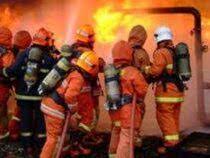
Introduction about Fire Man Technician
A Fire Man Technician, also known as a Fire Protection Technician or Fire Safety Technician, is a professional responsible for ensuring the proper functioning and maintenance of fire protection systems and equipment. These individuals play a crucial role in safeguarding lives and property by inspecting, testing, and repairing fire suppression and detection systems.
The primary focus of a Fire Man Technician is to assess and maintain various fire safety components, such as fire alarms, sprinkler systems, fire extinguishers, and emergency lighting. They are trained to follow industry standards and regulations to guarantee that these systems are in optimal working condition to respond effectively in the event of a fire emergency.
Key responsibilities of a Fire Man Technician include conducting regular inspections, identifying potential issues or malfunctions, performing routine maintenance, and repairing or replacing faulty components. They may also collaborate with other professionals, such as building managers, engineers, and local fire authorities, to ensure compliance with safety codes and regulations.
In addition to their technical expertise, Fire Man Technicians often play a role in educating occupants of buildings about fire safety protocols, evacuation procedures, and the proper use of fire protection equipment. Their proactive approach helps prevent fire incidents and ensures that emergency systems are reliable when needed.
Overall, the role of a Fire Man Technician is essential in promoting and maintaining a safe environment by mitigating fire risks and ensuring the reliability of fire protection systems. Their work contributes significantly to fire prevention and emergency response efforts, making them valuable assets in various industries and communities.
How can I apply for admission to Fire Man Technician
To apply for admission to become a Fire Man Technician, you typically need to follow these general steps:
Research Educational Requirements:
Look into the specific educational requirements for Fire Man Technician programs. These requirements can vary, but many positions require at least a high school diploma or equivalent.
Gain Relevant Education:
Pursue relevant education, such as a certificate or diploma program in Fire Science, Fire Protection Technology, or a related field. Some institutions may offer associate degree programs in fire protection.
Check Admission Requirements:
Review the admission requirements of the institution you are interested in. This may include submitting an application form, transcripts, and possibly standardized test scores.
Complete Application Form:
Obtain the application form from the educational institution's admissions office or website. Fill out the form completely and accurately, providing all the necessary information.
Submit Supporting Documents:
Along with the application form, you may need to submit additional documents, such as high school transcripts, letters of recommendation, a personal statement, or a resume highlighting relevant experience.
Pay Application Fees:
Some institutions require an application fee. Ensure that you pay the fee according to the instructions provided by the institution.
Apply for Financial Aid (if needed):
If you require financial assistance, explore available options such as scholarships, grants, or student loans. Complete the necessary financial aid forms.
Attend an Interview (if required):
Some institutions may require an interview as part of the admission process. Be prepared to discuss your interest in becoming a Fire Man Technician and your career goals.
Wait for Admission Decision:
After submitting your application, patiently wait for the admission decision. This may take a few weeks, depending on the institution.
Enroll in the Program:
Once accepted, follow the instructions provided by the institution to officially enroll in the Fire Man Technician program. This may involve completing additional paperwork and paying any necessary enrollment fees.
Participate in Orientation:
Attend any orientation sessions offered by the institution to familiarize yourself with the program, campus facilities, and other important information.
Remember to check the specific requirements and procedures of the institution you are interested in, as they may vary. Additionally, reaching out to the admissions office or a designated contact person can provide you with more personalized guidance through the application process.
What is the eligibility for Fire Man Technician
The eligibility criteria for becoming a Fire Man Technician can vary depending on the specific program, institution, or employer. However, here are some general guidelines that are often applicable:
Education:
A high school diploma or equivalent (such as a GED) is typically the minimum educational requirement. Some programs or employers may prefer candidates with additional education, such as coursework in fire science, fire protection technology, or a related field.
Age Requirements:
Many fire service agencies and programs have age requirements. Candidates are often required to be at least 18 years old to apply for positions in fire protection or emergency services.
Physical Fitness:
Fire Man Technicians need to be physically fit to perform their duties effectively. Some programs may have specific physical fitness standards that candidates must meet. This can include strength, endurance, and agility assessments.
Medical Standards:
Candidates may need to meet certain medical standards to ensure they can handle the physical demands of the job and respond to emergencies effectively. This may involve passing a medical examination and meeting specific health requirements.
Criminal Background Check:
Many fire service agencies conduct criminal background checks as part of the application process. A clean criminal record is often a requirement for eligibility.
Driver's License:
Some positions may require candidates to have a valid driver's license. This is often necessary because Fire Man Technicians may need to operate emergency vehicles.
Certifications:
Depending on the jurisdiction and the specific position, there may be certifications or licenses required. Common certifications include those related to emergency medical services (EMT or paramedic certification) and fire safety.
Additional Requirements:
Some programs or employers may have additional requirements, such as the successful completion of written exams, interviews, or practical assessments.
How long does it takes to complete a Fire Man Technician
The duration of Fire Man Technician programs can vary depending on the type of educational program and the level of certification or degree being pursued. Here are some common scenarios:
Certificate Programs:
Certificate programs in Fire Science or Fire Protection Technology typically take about 6 months to 1 year to complete. These programs are often more focused on the practical skills and knowledge needed for entry-level positions.
Associate Degree Programs:
Associate degree programs in Fire Science or a related field typically take about 2 years to complete. These programs often provide a more comprehensive education, covering both practical skills and theoretical knowledge.
Bachelor's Degree Programs:
Some institutions offer bachelor's degree programs in Fire Science or Fire Protection Engineering, which usually take around 4 years to complete. These programs may include a broader range of coursework and may be suitable for those seeking higher-level positions or leadership roles within the field.
Training Academies:
In some cases, individuals may undergo training at fire academies, which can vary in duration. Fire academy training can range from a few weeks to several months, depending on the intensity and depth of the training provided.
In addition to formal education, Fire Man Technicians often engage in ongoing training throughout their careers to stay current with advancements in technology, changes in regulations, and evolving best practices in fire safety.
Individuals interested in pursuing a career as a Fire Man Technician should research specific programs and institutions to understand the duration and requirements of the educational path they are considering.
What are potential career opportunities after Fire Man Technician
After completing training as a Fire Man Technician, individuals can pursue various career opportunities in the field of fire protection and emergency services. Some potential career paths include:
Firefighter:
Many Fire Man Technicians become firefighters, responding to emergency situations, including fires, accidents, and other incidents. Firefighters are responsible for extinguishing fires, conducting rescues, and providing emergency medical assistance.
Fire Inspector:
Fire inspectors are responsible for inspecting buildings and structures to ensure compliance with fire codes and safety regulations. They identify potential fire hazards, educate the public on fire safety, and enforce fire prevention measures.
Fire Investigator:
Fire investigators determine the cause of fires and explosions. They work closely with law enforcement agencies, insurance companies, and legal authorities to gather evidence and establish the circumstances surrounding a fire incident.
Emergency Medical Technician (EMT) or Paramedic:
Some Fire Man Technicians choose to specialize in emergency medical services by becoming EMTs or paramedics. They provide pre-hospital care to individuals in medical emergencies and work alongside other healthcare professionals.
Safety Officer:
Safety officers focus on implementing and maintaining safety protocols within organizations. They may work in various industries, ensuring compliance with safety standards and developing strategies to prevent accidents and emergencies.
Fire Protection Engineer:
With further education, individuals can become fire protection engineers. These professionals design and implement fire protection systems for buildings, ensuring they meet safety codes and standards.
Emergency Management Specialist:
Emergency management specialists coordinate and plan responses to natural disasters, emergencies, and other crises. They work with government agencies, non-profit organizations, and private companies to develop and implement emergency response plans.
Industrial Safety Specialist:
Industrial safety specialists focus on ensuring workplace safety within industrial settings. They assess potential hazards, develop safety protocols, and educate employees on safety practices.
Training and Education Roles:
Experienced Fire Man Technicians may transition into roles involved in training the next generation of firefighters, fire inspectors, or emergency responders. This can include teaching at fire academies or developing training programs.
Fire Department Leadership Positions:
With years of experience, Fire Man Technicians may move into leadership positions within fire departments, such as becoming fire chiefs or holding administrative roles.
These are just a few examples, and the career opportunities for individuals with training as a Fire Man Technician can be diverse. The specific path chosen often depends on individual interests, additional education, and career goals within the broader field of fire protection and emergency services.
Syllabus of Fire Man Technician
The syllabus for a Fire Man Technician program can vary depending on the institution and the specific curriculum they offer. However, here is a general outline of a hypothetical Fire Man Technician program, organized by semester. Keep in mind that the actual structure and content may vary, and it's essential to refer to the specific program or institution for accurate and up-to-date information.
Semester 1: Introduction to Fire Science and Safety
Introduction to Fire Science
Fire Behavior and Combustion
Fire Prevention and Control
Fire Department Organization and Administration
Basic Firefighter Skills
Emergency Medical Technician (EMT) Basics
Introduction to Fire Protection Systems
Semester 2: Fire Prevention and Inspection
Fire Prevention Practices
Fire Codes and Regulations
Fire Inspection Techniques
Building Construction and Fire Safety
Public Fire Education
Hazardous Materials Awareness
Introduction to Emergency Management
Semester 3: Fire Suppression Techniques
Fire Apparatus and Equipment
Fire Hose and Water Supply
Fire Tactics and Strategy
Wildland Firefighting
High-Rise Firefighting
Vehicle Extrication
Fire Investigation Basics
Semester 4: Advanced Topics and Specializations
Advanced Fire Suppression Techniques
Technical Rescue Operations
Fire and Arson Investigation
Fire Protection Engineering Basics
Specialized Firefighting (e.g., aircraft, marine)
Emergency Medical Services (EMS) for Firefighters
Fire Service Leadership and Ethics
Semester 5: Practical Applications and Internship
Fireground Simulations
Internship/Field Experience in a Fire Department
Practical Skills Assessment
Emergency Response Exercises
Advanced Emergency Medical Services (EMS) Skills
Incident Command System (ICS) Training
Semester 6: Capstone Project and Electives
Capstone Project in Fire Science
Elective Courses (e.g., Advanced First Aid, Fire Protection Systems Design)
Professional Development and Resume Building
Fire Service Legal and Ethical Issues
Review and Preparation for Certification Exams
Graduation Requirements
Internship opportunities after completing Fire Man Technician
After completing a Fire Man Technician program, individuals have the opportunity to gain valuable hands-on experience through internships in various sectors related to fire protection and emergency services. Internships provide practical exposure to the field, allowing individuals to apply their knowledge in real-world situations and enhance their skills. Here are some potential internship opportunities:
Fire Departments:
Many fire departments offer internship programs for Fire Man Technician graduates. Interns may work alongside experienced firefighters, gaining insights into daily operations, emergency response procedures, and fire prevention initiatives.
Fire Inspection Agencies:
Internships with fire inspection agencies provide the opportunity to work on building inspections, assess fire code compliance, and learn about the regulatory aspects of fire safety.
Emergency Medical Services (EMS) Providers:
Interning with EMS providers allows individuals to apply their emergency medical skills in a clinical setting. This experience can be particularly beneficial for those with dual certifications as Fire Man Technicians and Emergency Medical Technicians (EMTs).
Hazardous Materials Response Teams:
Some regions have specialized teams that respond to incidents involving hazardous materials. Interns can work with these teams to understand protocols for handling and mitigating hazardous materials incidents.
Wildland Firefighting Organizations:
Interning with organizations focused on wildland firefighting provides exposure to the unique challenges of combating wildfires. This can include hands-on experience in fire suppression techniques specific to natural environments.
Industrial Fire Brigades:
Many industries maintain their own fire brigades to respond to emergencies within their facilities. Interns may work alongside industrial firefighters, learning about the specific hazards and safety measures within industrial settings.
Fire Protection Engineering Firms:
For individuals interested in the design and implementation of fire protection systems, internships with fire protection engineering firms offer exposure to the planning and execution of fire safety measures in various structures.
Emergency Management Agencies:
Internships with emergency management agencies provide insights into disaster preparedness, response coordination, and recovery efforts. Interns may contribute to the development of emergency plans and participate in drills and exercises.
Community Outreach Programs:
Some fire departments and organizations have community outreach programs aimed at educating the public about fire safety. Interns may participate in these programs, assisting with educational initiatives and community events.
Fire Research Organizations:
Internships with organizations engaged in fire research allow individuals to contribute to studies and projects focused on advancing fire science and safety.
Scholarships and grants for Fire Man Technician
Scholarships and grants can be valuable financial resources for individuals pursuing education and training as Fire Man Technicians. While specific scholarships for this field may be limited, there are general scholarships available for students in fire science, emergency services, and related disciplines. Additionally, some organizations and institutions offer financial assistance to support individuals interested in becoming Fire Man Technicians. Here are some potential sources of scholarships and grants:
Fire Service Organizations:
Many fire service organizations and associations offer scholarships to support individuals pursuing education in fire science, emergency services, or related fields. Examples include the International Association of Fire Chiefs (IAFC) and the National Fire Protection Association (NFPA).
Government Agencies:
Some government agencies, such as the Federal Emergency Management Agency (FEMA) or state fire marshal offices, may offer scholarships or grants for individuals studying fire science or pursuing careers in fire protection.
Colleges and Universities:
Institutions that offer Fire Man Technician programs may have their own scholarship programs. Contact the financial aid office of the institution you are interested in to inquire about available scholarships for students in fire science or related programs.
Professional Associations:
Professional associations in the fire protection and emergency services field may provide scholarship opportunities. Check with organizations like the International Association of Firefighters (IAFF) or the National Volunteer Fire Council (NVFC).
Community Foundations:
Local community foundations often offer scholarships to support students pursuing education in various fields. Check with community foundations in your area to explore available opportunities.
Industry-Specific Scholarships:
Some companies or organizations within the fire protection industry may offer scholarships to support individuals entering the field. This could include manufacturers of fire protection equipment or companies involved in fire safety services.
Public Safety Organizations:
Organizations dedicated to public safety, such as the First Responders Children's Foundation, may provide scholarships for the children of first responders, including those pursuing careers as Fire Man Technicians.
Military and Veterans Programs:
Military and veterans programs may offer scholarships for individuals transitioning from military service to careers in emergency services, including fire protection.
Online Scholarship Search Platforms:
Utilize online scholarship search platforms such as Fastweb, Chegg, or College Board's Scholarship Search to explore a wide range of scholarship opportunities based on your educational and career goals.
When searching for scholarships, consider your specific eligibility criteria, such as academic achievements, financial need, and community involvement. Additionally, be sure to meet application deadlines and provide all required documentation. It's recommended to contact the financial aid offices of institutions and explore multiple scholarship opportunities to maximize your chances of receiving financial assistance for your Fire Man Technician education.
Conclusion
In conclusion, pursuing a career as a Fire Man Technician offers individuals the opportunity to play a vital role in ensuring public safety and protecting lives and property from the threat of fires and emergencies. Through comprehensive education and training programs, aspiring Fire Man Technicians acquire the necessary skills in fire science, prevention, suppression, and emergency response. The diverse career paths, from firefighting to fire inspection and beyond, provide a range of opportunities for professional growth and contribution to community safety.
FAQ,s
What is a Fire Man Technician?
A Fire Man Technician, also known as a Fire Protection Technician, is a professional responsible for maintaining and ensuring the proper functioning of fire protection systems and equipment.
How long does it take to become a Fire Man Technician?
The duration varies, but certificate programs can take 6 months to a year, while associate or bachelor's degree programs may take 2 to 4 years.
What are the career opportunities after becoming a Fire Man Technician?
Career opportunities include firefighting, fire inspection, fire investigation, emergency medical services, fire protection engineering, and leadership roles in fire departments.
Are there internships available for Fire Man Technicians?
Yes, internships are available with fire departments, inspection agencies, EMS providers, and other organizations to provide hands-on experience.
Are there scholarships for Fire Man Technician programs?
Yes, various scholarships and grants are available from fire service organizations, government agencies, colleges, professional associations, and community foundations.
How Shiksha Hub helps you in
-
 Student Counsellors
 -
 Career Counseling
 -
 Research
 -
 24/7 Support
 -
 Scholarships
 -
 Community