Posted by Admin on 26-07-2023 in Shiksha hub
Fisheries laboratory technician Introduction, Admission, Registration, Eligibility, Duration, Fees, Syllabus 2024
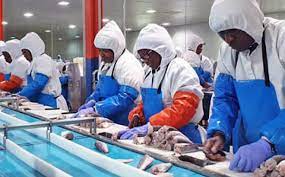
Introduction about Fisheries laboratory technicians
Fisheries laboratory technicians play a crucial role in the field of fisheries science by supporting research and management efforts related to aquatic ecosystems and fisheries resources. These professionals are responsible for conducting various laboratory tests, experiments, and analyses to gather essential data that contributes to the understanding of fish populations, their habitats, and the overall health of aquatic environments.
The primary focus of fisheries laboratory technicians is to assist scientists and researchers in studying fish biology, behavior, and ecology. They may be involved in activities such as collecting water and sediment samples, analyzing water quality parameters, and studying fish genetics. Additionally, these technicians often play a key role in monitoring and assessing the impact of human activities, climate change, and other environmental factors on fish populations.
Fisheries laboratory technicians work with a variety of tools and equipment, including microscopes, spectrophotometers, and specialized laboratory instruments. They are responsible for maintaining accurate records of their findings, preparing reports, and collaborating with other professionals in the field. Attention to detail, precision in laboratory procedures, and adherence to scientific protocols are crucial aspects of their work.
In addition to their laboratory responsibilities, fisheries laboratory technicians may also be involved in fieldwork, conducting surveys and collecting samples from natural habitats. This hands-on experience allows them to directly observe and interact with fish populations in their native environments.
Overall, fisheries laboratory technicians play a vital role in advancing our understanding of aquatic ecosystems and supporting sustainable fisheries management practices. Their work contributes to the conservation of fish species, the preservation of biodiversity, and the development of policies aimed at maintaining the health and productivity of aquatic environments.
How can I apply for admission to Fisheries laboratory technicians
To apply for admission to a program that trains fisheries laboratory technicians, you typically need to follow a series of steps. Here is a general guide on how you can go about it:
Research Programs: Begin by researching institutions that offer programs or courses in fisheries science, fisheries management, or related fields. Look for universities, colleges, or vocational schools that have a good reputation in this field.
Check Admission Requirements: Review the admission requirements for the specific program you are interested in. Requirements may include educational background, such as a high school diploma or equivalent, and sometimes specific coursework in science or related subjects.
Prepare Academic Documents: Ensure that you have all the necessary academic documents, including transcripts and certificates. Some programs may also require standardized test scores, so be prepared to provide those if necessary.
Meet Prerequisites: If there are specific prerequisites for the program, make sure you have completed them. Prerequisites might include certain science courses or a background in biology.
Submit an Application: Complete and submit the application form for the program. This is usually done online through the institution's admissions portal. Pay close attention to deadlines, and make sure you provide all required information accurately.
Write a Personal Statement: Some programs may require a personal statement or essay as part of the application process. This is an opportunity for you to explain why you are interested in fisheries science and why you want to become a fisheries laboratory technician.
Letters of Recommendation: Some programs may require letters of recommendation. Ask teachers, professors, or employers who know your academic and/or work capabilities to write these letters for you.
Financial Aid and Scholarships: If you need financial assistance, explore the options for scholarships, grants, or loans that may be available. Check with the financial aid office of the institution you are applying to for guidance.
Interview (if required): Some programs may require an interview as part of the admissions process. Prepare for this by reviewing common interview questions and thinking about how your skills and interests align with the program.
Wait for Admission Decision: After submitting your application, wait for the admission decision. This may take some time, so be patient. Once accepted, follow the instructions provided by the institution for enrollment.
Remember that specific steps and requirements can vary between institutions, so carefully review the information provided by the program you are interested in. If you have any questions, don't hesitate to contact the admissions office for clarification and guidance.
What is the eligibility for Fisheries laboratory technicians
The eligibility requirements for becoming a fisheries laboratory technician can vary depending on the specific educational and training programs offered by institutions. However, here are some general guidelines that are commonly associated with eligibility for this role:
Educational Background:
A high school diploma or equivalent is typically the minimum educational requirement.
Some programs may prefer or require candidates to have completed specific coursework in science-related subjects, such as biology or environmental science.
Relevant Coursework:
Courses in biology, chemistry, and environmental science can be beneficial and may enhance your eligibility for fisheries laboratory technician positions.
Some programs may have specific prerequisites, so it's important to check the requirements of the institution or program you are interested in.
Fieldwork or Laboratory Experience:
While not always mandatory, having practical experience in a laboratory setting or fieldwork related to fisheries science can be advantageous.
Internships, volunteer work, or relevant job experience in a scientific or environmental context can strengthen your application.
Interest in Fisheries Science:
Demonstrating a genuine interest in fisheries science, aquatic ecosystems, and environmental conservation is often considered a positive factor.
A passion for understanding and preserving aquatic environments can make you a more competitive candidate.
Admission to Training Programs:
If you are pursuing a specific training program or certificate for fisheries laboratory technicians, you need to meet the admission requirements of that program.
This may include submitting an application, providing academic transcripts, and fulfilling any additional program-specific prerequisites.
Basic Skills:
Strong analytical and critical thinking skills are important for conducting laboratory tests and analyses.
Attention to detail and precision in laboratory procedures is crucial.
Good communication skills, both written and verbal, are valuable for documenting findings and collaborating with other professionals.
Continuing Education or Certifications:
Some fisheries laboratory technicians may pursue additional certifications or continuing education to stay current with advancements in the field. While not always a strict eligibility requirement, ongoing professional development can enhance your career prospects.
How long does it takes to complete a Fisheries laboratory technicians
The duration of fisheries laboratory technician programs can vary depending on the type of educational or training program you choose. Here are the typical options and their associated timeframes:
Certificate Programs:
Certificate programs for fisheries laboratory technicians are often shorter in duration.
These programs may range from a few months to a year.
The exact length can depend on factors such as the intensity of the program and whether it is offered on a part-time or full-time basis.
Associate's Degree Programs:
Associate's degree programs in fisheries science or a related field, which may include training for laboratory technician roles, generally take about two years to complete.
These programs typically include a combination of general education requirements, core courses in fisheries science, and hands-on laboratory training.
Bachelor's Degree Programs:
Some universities offer bachelor's degree programs in fisheries science or a closely related field that includes training for roles as fisheries laboratory technicians.
A bachelor's degree typically takes around four years to complete.
This option may provide a more in-depth and comprehensive education in fisheries science, including laboratory techniques and research methods.
On-the-Job Training:
In some cases, individuals may enter the field of fisheries laboratory technology through on-the-job training or through a combination of work experience and additional certifications.
The duration of on-the-job training can vary depending on the employer and the complexity of the laboratory techniques involved.
Keep in mind that these timeframes are general estimates, and the actual duration may vary based on the specific program or institution. Additionally, factors such as part-time versus full-time enrollment, internship or co-op requirements, and the flexibility of the program can influence the overall time it takes to complete the training.
Before enrolling in a program, it's essential to carefully review the curriculum, course requirements, and expected time commitment to ensure that the program aligns with your goals and schedule.
What are potential career opportunities after Fisheries laboratory technicians
Fisheries laboratory technicians can pursue various career opportunities within the field of fisheries science and related industries. Some potential career paths include:
Fisheries Laboratory Technician:
Many individuals trained as fisheries laboratory technicians work directly in laboratories, conducting tests, experiments, and analyses related to fish biology, water quality, and environmental factors.
Aquatic Biologist:
With additional education and experience, fisheries laboratory technicians may advance to roles as aquatic biologists. In these positions, professionals study and manage aquatic ecosystems, conduct research on fish populations, and contribute to conservation efforts.
Fisheries Researcher:
Those interested in research can pursue careers as fisheries researchers. This role involves designing and conducting studies to understand fish behavior, genetics, and ecology, contributing valuable data to fisheries management and conservation initiatives.
Environmental Consultant:
Fisheries laboratory technicians may work as environmental consultants, advising organizations on the impact of human activities on aquatic ecosystems. They may be involved in assessing environmental risks, developing conservation strategies, and ensuring compliance with regulations.
Fisheries Management Specialist:
Fisheries management specialists play a key role in managing and conserving fish populations. They develop and implement policies, regulations, and sustainable practices to ensure the health and productivity of fisheries resources.
Quality Control Technician:
Some fisheries laboratory technicians may choose to specialize in quality control within the seafood industry. They can be involved in ensuring the safety and quality of fish products for consumption.
Government Positions:
Employment opportunities exist within government agencies responsible for fisheries and wildlife management. Positions may include working for state or federal departments of natural resources, environmental protection, or fisheries and wildlife.
Nonprofit Organizations:
Joining nonprofit organizations focused on environmental conservation and fisheries management allows individuals to contribute to advocacy, education, and community outreach efforts.
Education and Outreach Coordinator:
Some individuals may transition into roles focused on education and outreach. This involves communicating scientific findings to the public, organizing educational programs, and raising awareness about the importance of fisheries conservation.
Fish Hatchery Technician:
Working in fish hatcheries, technicians are involved in the breeding, rearing, and release of fish into natural habitats to support fisheries conservation and restoration efforts.
These career opportunities showcase the diverse paths available to individuals with training and experience as fisheries laboratory technicians. The specific career trajectory may depend on factors such as education level, specialization, and personal interests within the broader field of fisheries science and environmental conservation.
Syllabus of Fisheries laboratory technicians
The syllabus for a program in Fisheries Laboratory Technology can vary depending on the specific institution and the level of the program (certificate, associate's degree, etc.). However, I can provide a general outline of the topics that might be covered semester-wise. Keep in mind that this is a broad overview, and the actual content can vary. Additionally, some programs may use quarters instead of semesters.
Semester 1: Introduction to Fisheries Science
Introduction to Fisheries and Aquaculture
Basic Biology and Anatomy of Fish
Principles of Ecology
Introduction to Laboratory Techniques
Mathematics for Fisheries Science
Semester 2: Fisheries Management and Conservation
Fisheries Management Techniques
Conservation Biology
Fish Population Dynamics
Water Quality Analysis
GIS and Remote Sensing in Fisheries
Semester 3: Fish Health and Disease
Fish Pathology
Aquatic Animal Health Management
Disease Diagnosis and Control
Aquatic Microbiology
Fisheries Genetics
Semester 4: Fisheries Research and Data Analysis
Research Methods in Fisheries
Statistical Methods for Fisheries Science
Fisheries Data Collection and Analysis
Limnology (Study of Inland Waters)
Fisheries Economics and Policy
Semester 5: Fisheries Technology and Aquaculture
Fish Processing Technology
Aquaculture Principles and Practices
Fisheries Extension and Outreach
Environmental Impact Assessment
Ichthyology (Study of Fish)
Semester 6: Practical Training and Project Work
Internship/Practical Training in Fisheries Laboratory
Project Work and Dissertation
Seminar on Current Issues in Fisheries Science
Fisheries Law and Regulations
Please note that this is a general guide, and the actual syllabus may include additional courses, electives, or variations based on the specific program and institution. It's recommended to check with the academic department of the institution offering the program for the most accurate and up-to-date information on the syllabus.
Internship opportunities after completing Fisheries laboratory technicians
After completing a program in Fisheries Laboratory Technology, individuals may have various internship opportunities to gain hands-on experience and further enhance their skills. Here are some potential internship opportunities for those with a background in fisheries laboratory technology:
Government Agencies:
Many government agencies, such as the Department of Natural Resources or the Environmental Protection Agency, offer internships in fisheries science. Interns may be involved in fieldwork, data collection, and laboratory analysis.
Fisheries Research Institutions:
Research institutions focused on fisheries science often provide internships for recent graduates. Interns may work on ongoing research projects, assist with data analysis, and participate in field studies.
Aquaculture Facilities:
Internships at aquaculture facilities allow individuals to gain practical experience in fish farming and aquaculture practices. This can include working with different fish species, managing water quality, and learning about sustainable aquaculture methods.
Environmental Consulting Firms:
Environmental consulting firms may offer internships in areas related to fisheries management and environmental impact assessments. Interns may assist in conducting environmental surveys, analyzing data, and preparing reports.
Fish Hatcheries:
Interning at a fish hatchery provides hands-on experience in fish breeding, rearing, and stocking. Interns may be involved in various aspects of hatchery operations, including fish health monitoring and facility maintenance.
Nonprofit Organizations:
Nonprofit organizations focused on fisheries conservation and environmental advocacy often have internship programs. Interns may engage in community outreach, educational programs, and conservation initiatives.
Seafood Industry:
Internships with companies in the seafood industry, such as seafood processing plants or seafood quality control laboratories, provide exposure to the practical aspects of ensuring the safety and quality of fish products.
Wildlife Rehabilitation Centers:
Some wildlife rehabilitation centers may offer internships that involve working with injured or sick aquatic animals. This can provide a unique perspective on fish health and rehabilitation.
University Research Labs:
Research laboratories within universities may have internship opportunities for recent graduates. Interns can contribute to ongoing research projects, assist with experiments, and collaborate with experienced researchers.
Environmental Education Centers:
Interning at environmental education centers or nature reserves allows individuals to engage in educational outreach, conduct environmental programs, and contribute to conservation initiatives.
When seeking internship opportunities, it's essential to explore options that align with your specific interests and career goals within the field of fisheries laboratory technology. Networking with professionals in the field, attending career fairs, and utilizing university career services can be valuable in identifying and securing internship opportunities.
Scholarships and grants for Fisheries laboratory technicians
Several scholarships and grants are available for individuals pursuing studies or training in fisheries science or related fields, including fisheries laboratory technology. Here are some potential sources of financial support:
American Fisheries Society (AFS) Hutton Program Scholarship:
The AFS offers the Hutton Program, providing scholarships to undergraduate and graduate students pursuing degrees in fisheries science. The program supports research and education in fisheries and aquatic resource conservation.
National Oceanic and Atmospheric Administration (NOAA) Ernest F. Hollings Undergraduate Scholarship:
This scholarship is for undergraduate students majoring in fields related to oceanic and atmospheric science, including fisheries. It includes a 10-week, full-time paid internship with NOAA.
Western Association of Fish and Wildlife Agencies (WAFWA) Professional Development Grant:
WAFWA offers professional development grants to support individuals pursuing careers in fish and wildlife management. This grant can be applicable to fisheries laboratory technicians seeking further training.
American Indian Science and Engineering Society (AISES) Scholarships:
AISES provides scholarships for Native American students pursuing degrees in science, technology, engineering, and mathematics (STEM) fields, including fisheries science.
U.S. Fish and Wildlife Service (USFWS) Native American Career Success Academy:
USFWS offers scholarships and internships through the Native American Career Success Academy, supporting Native American students pursuing careers in natural resources and wildlife management.
American Association of University Women (AAUW) Career Development Grants:
Career Development Grants from AAUW support women pursuing advanced degrees or specialized training in various fields, including environmental science and fisheries.
National Marine Fisheries Service (NMFS) Fellowship Program:
The NMFS Fellowship Program supports graduate students studying marine resource economics, marine biology, or similar fields. It includes opportunities for research and collaboration with NMFS scientists.
National Wildlife Federation (NWF) Campus Ecology Fellowship:
The NWF offers fellowships to graduate students working on projects that address climate change, wildlife conservation, and environmental sustainability, which may include fisheries-related research.
Sea Grant Programs:
Various Sea Grant programs, such as those funded by the National Sea Grant College Program, offer fellowships and scholarships to students pursuing marine and coastal-related studies, including fisheries science.
Environmental Research and Education Foundation (EREF) Scholarships:
EREF provides scholarships to support graduate students pursuing degrees in fields related to solid waste management and environmental sustainability, which may include research on fisheries and aquatic ecosystems.
When searching for scholarships and grants, it's important to check eligibility criteria, application deadlines, and specific requirements. Additionally, consider reaching out to academic institutions, professional organizations, and government agencies involved in fisheries science for additional funding opportunities.
Conclusion
In conclusion, pursuing a career as a fisheries laboratory technician offers a rewarding pathway to contribute to the understanding and conservation of aquatic ecosystems. Through a combination of academic training and practical experience, individuals can play a vital role in fisheries science, research, and environmental stewardship. The diverse career opportunities and ongoing advancements in the field make it an exciting and dynamic profession with the potential to make a positive impact on the health and sustainability of fisheries resources.
FAQ,s
What is the role of a fisheries laboratory technician?
Fisheries laboratory technicians conduct various laboratory tests and analyses to support research in fisheries science, including studies on fish biology, water quality, and environmental impact.
How long does it take to become a fisheries laboratory technician?
The duration varies, but it can take from a few months for certificate programs to four years for a bachelor's degree program in fisheries science.
What are the eligibility requirements for fisheries laboratory technicians?
Typically, a high school diploma or equivalent is required. Some programs may have specific coursework prerequisites, and practical experience can be advantageous.
What career opportunities are available after becoming a fisheries laboratory technician?
Career paths include working as a fisheries laboratory technician, aquatic biologist, fisheries researcher, environmental consultant, or in roles related to fisheries management and conservation.
How Shiksha Hub helps you in
-
 Student Counsellors
 -
 Career Counseling
 -
 Research
 -
 24/7 Support
 -
 Scholarships
 -
 Community