Posted by Admin on 25-07-2023 in Shiksha hub
Fisheries Seed Production Technician Introduction, Admission, Registration, Eligibility, Duration, Fees, Syllabus 2024
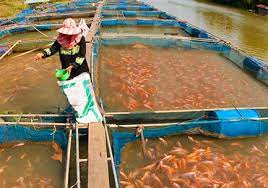
Introduction about Fisheries Seed Production Technician
A Fisheries Seed Production Technician plays a crucial role in the aquaculture industry by specializing in the production of fish and shellfish seeds for cultivation. This field focuses on the controlled breeding, hatching, and rearing of aquatic organisms from their early life stages, commonly known as "seeds" or "fingerlings," until they reach a size suitable for stocking in grow-out systems.
The role of a Fisheries Seed Production Technician involves a combination of scientific knowledge and practical skills. These professionals work in hatcheries and nurseries, where they are responsible for managing the reproduction and growth of fish and shellfish species. Their duties often include maintaining optimal environmental conditions, monitoring water quality, and implementing feeding regimes to ensure the healthy development of the aquatic organisms.
Fisheries Seed Production Technicians play a critical part in supporting sustainable aquaculture practices and maintaining the biodiversity of aquatic ecosystems. By producing high-quality seeds, they contribute to the success of fish and shellfish farming operations, helping to meet the increasing global demand for seafood.
Key responsibilities of a Fisheries Seed Production Technician may include:
Broodstock Management: Overseeing the health and reproductive performance of adult fish or shellfish used for breeding.
Spawning and Egg Collection: Facilitating the controlled reproduction process and collecting fertilized eggs for further development.
Incubation: Monitoring and managing the incubation of eggs until they hatch into larvae.
Larval Rearing: Nurturing the newly hatched larvae through their early developmental stages, ensuring appropriate nutrition and environmental conditions.
Weaning and Juvenile Rearing: Transitioning larvae to juvenile stages, optimizing feeding strategies, and promoting growth.
Disease Management: Implementing measures to prevent and control diseases within the hatchery or nursery.
Water Quality Control: Regularly testing and maintaining optimal water conditions for the health and growth of the aquatic organisms.
Record Keeping: Maintaining detailed records of production parameters, environmental conditions, and other relevant data.
Successful Fisheries Seed Production Technicians possess a combination of knowledge in aquaculture science, biology, and practical skills in managing complex aquatic environments. Their work contributes to the sustainability and efficiency of aquaculture operations, ultimately supporting the supply of seafood to meet the needs of a growing global population.
How can I apply for admission to Fisheries Seed Production Technician
To apply for admission to a program or course in Fisheries Seed Production Technician, you generally need to follow these steps:
Research Programs: Start by researching institutions that offer programs in Fisheries Seed Production or related fields. Look for universities, colleges, or vocational schools that provide courses specifically focused on aquaculture, fisheries management, or fisheries technology.
Check Admission Requirements: Each educational institution may have specific admission requirements. Check the official websites of the institutions you are interested in to find information on entry prerequisites. Typical requirements may include educational qualifications, relevant coursework, or work experience.
Prepare Necessary Documents: Gather the necessary documents for the application process. This may include academic transcripts, letters of recommendation, a resume, a statement of purpose, and any other documents specified by the institution.
Application Form: Complete the application form for the program. This is usually available online on the institution's official website. Follow the instructions carefully and provide accurate information.
Entrance Exams (if required): Some programs may require applicants to take entrance exams. Check whether the program you are interested in has any such requirements and prepare accordingly.
Submit Application Fee: Pay any application fees that may be required. The fee amount and payment methods are typically outlined in the application instructions.
Letters of Recommendation: If required, obtain letters of recommendation from teachers, employers, or other individuals who can speak to your qualifications and suitability for the program.
Statement of Purpose: Write a compelling statement of purpose that outlines your interest in Fisheries Seed Production, your relevant background, and your career goals. This is an opportunity to showcase your passion and commitment to the field.
Submit Application: Submit your completed application along with all required documents by the specified deadline. Ensure that you have followed all application instructions provided by the institution.
Interview (if required): Some programs may require an interview as part of the admission process. Prepare for this by reviewing common interview questions and expressing your enthusiasm for the field.
Financial Aid and Scholarships: Explore opportunities for financial aid or scholarships that may be available for students pursuing studies in fisheries or aquaculture.
Wait for Admission Decision: After submitting your application, patiently await the admission decision. This may take some time, and you may be notified via email or regular mail.
Remember to carefully review the specific requirements and deadlines for each institution and program you are applying to. Additionally, feel free to contact the admissions offices of the respective institutions if you have any questions or need clarification during the application process.
What is the eligibility for Fisheries Seed Production Technician
The eligibility criteria for becoming a Fisheries Seed Production Technician can vary depending on the specific educational or vocational program, as well as the requirements of employers in the field. However, here are some general eligibility considerations:
Educational Background:
A high school diploma or equivalent is typically the minimum educational requirement.
Some programs or employers may prefer candidates with a background in biology, marine science, aquaculture, fisheries, or a related field.
Certain positions may require a post-secondary diploma, certificate, or degree in fisheries technology, aquaculture, or a similar discipline.
Work Experience:
While not always mandatory, having practical experience in aquaculture, fisheries, or a related field can be beneficial.
Some employers may prefer candidates with hands-on experience in hatchery operations, fish farming, or other aspects of aquaculture.
Skills and Knowledge:
Strong observational skills and attention to detail are essential, especially when monitoring the health and development of aquatic organisms.
Knowledge of aquaculture principles, fish biology, water quality management, and disease prevention is often required.
Familiarity with the operation and maintenance of aquaculture equipment and facilities may be necessary.
Physical Fitness:
Some aspects of the job may involve physical tasks such as lifting, carrying, and working in outdoor or aquatic environments. Physical fitness may be a consideration.
Communication Skills:
Effective communication skills are valuable, as Fisheries Seed Production Technicians may need to work collaboratively with colleagues, communicate findings, and interact with stakeholders.
Admission Test (if applicable):
Some educational programs may require candidates to take admission tests to assess their aptitude for the coursework.
Age Requirements:
Certain programs or positions may have age restrictions or preferences.
Specific Program Requirements:
If you are applying to a specific educational program, check the program's admission requirements. This may include a certain GPA, completion of specific coursework, or other criteria.
How long does it takes to complete a Fisheries Seed Production Technician
The duration to complete a program or training to become a Fisheries Seed Production Technician can vary depending on the type of educational or vocational pathway chosen. Here are a few scenarios:
Certificate/Diploma Programs:
Some vocational or technical schools offer certificate or diploma programs specifically focused on Fisheries Seed Production or Aquaculture Technology.
These programs typically range from several months to one or two years, depending on the intensity and structure of the curriculum.
Associate's Degree Programs:
Community colleges or technical institutes may offer Associate's Degree programs in fields such as Fisheries Technology or Aquaculture.
These programs usually take around two years of full-time study to complete.
Bachelor's Degree Programs:
Some universities offer Bachelor's Degree programs in fisheries, aquaculture, or related fields.
A Bachelor's Degree typically takes about four years of full-time study to complete.
On-the-Job Training:
In some cases, individuals may enter the field through on-the-job training or apprenticeships.
The duration of on-the-job training can vary, but it often involves gaining practical experience under the guidance of experienced professionals.
Combination of Education and Experience:
Some Fisheries Seed Production Technicians acquire a combination of formal education and practical experience.
This may involve completing a shorter educational program and then gaining additional skills and knowledge through hands-on work in aquaculture facilities.
It's essential to note that the actual time to completion can be influenced by factors such as the program's structure (full-time vs. part-time), individual pace of learning, and any additional internship or work experience requirements. Additionally, some professionals in this field engage in ongoing professional development to stay current with advancements in aquaculture practices and technologies.
Prospective students should carefully review the curriculum of the program they are interested in, consider any internship or practicum requirements, and verify the specific time commitments associated with their chosen educational pathway.
What are potential career opportunities after Fisheries Seed Production Technician
After gaining experience as a Fisheries Seed Production Technician, individuals can explore various career opportunities within the aquaculture and fisheries industry. Some potential career paths include:
Hatchery Manager:
Hatchery managers oversee the daily operations of fish or shellfish hatcheries. They are responsible for coordinating breeding programs, managing staff, and ensuring the production of high-quality seeds.
Aquaculture Technician:
Aquaculture technicians work in various capacities within aquaculture operations. They may be involved in the cultivation, feeding, and harvesting of fish or shellfish in different production systems.
Fish Farm Manager:
Fish farm managers are responsible for the overall management of fish farms, including seed production, grow-out operations, and maintenance of facilities. They may oversee production planning, budgeting, and staff management.
Researcher in Aquaculture:
Individuals interested in advancing the field may pursue careers in aquaculture research. This could involve working for research institutions, universities, or private companies, contributing to the development of new technologies and practices.
Aquatic Biologist:
Aquatic biologists study the behavior, physiology, and ecology of aquatic organisms. They may work for government agencies, environmental organizations, or research institutions, conducting studies to inform fisheries management and conservation efforts.
Fisheries Extension Officer:
Extension officers work in outreach and education, providing guidance and information to fish farmers and communities involved in aquaculture. They may work for government agencies, non-profits, or extension services.
Quality Control Specialist:
Quality control specialists ensure that fish and shellfish produced in aquaculture operations meet industry standards and regulatory requirements. They may be responsible for monitoring water quality, conducting inspections, and implementing quality assurance protocols.
Aquaculture Consultant:
Consultants in aquaculture provide expertise to businesses or government agencies seeking advice on improving their aquaculture practices. They may offer guidance on hatchery management, production efficiency, and sustainability.
Entrepreneur in Aquaculture:
Individuals with a strong entrepreneurial spirit may choose to start their own aquaculture businesses, such as a fish farm or hatchery, and become self-employed in the industry.
Government Positions:
Opportunities exist within government agencies responsible for fisheries management and aquaculture regulation. Positions may include fisheries officers, aquaculture inspectors, or policy analysts.
These career paths offer a diverse range of opportunities for individuals with expertise in Fisheries Seed Production. The specific career trajectory may depend on factors such as education, experience, and individual interests within the broader field of aquaculture and fisheries.
Syllabus of Fisheries Seed Production Technician
While specific syllabi for Fisheries Seed Production Technician programs can vary among institutions, I can provide a general overview of the topics that may be covered in a typical program. The syllabus is often structured across semesters, and the content may include theoretical knowledge, practical skills, and hands-on experiences. Below is a potential semester-wise breakdown:
Semester 1: Introduction to Aquaculture and Fisheries Technology
Introduction to Aquaculture and Fisheries
Basics of Fish Biology and Anatomy
Water Quality Management in Aquaculture
Aquatic Ecology
Introduction to Fisheries Seed Production
Semester 2: Hatchery Operations and Broodstock Management
Principles of Hatchery Management
Broodstock Selection and Management
Spawning Techniques
Egg and Larval Development
Hatchery Water Management
Semester 3: Larval Rearing and Nutrition
Larval Rearing Techniques
Live Feed Production and Management
Larval Nutrition and Feeding
Disease Prevention and Management in Larval Stages
Water Quality Monitoring during Larval Rearing
Semester 4: Juvenile Rearing and Grow-Out Operations
Juvenile Rearing Techniques
Nursery Systems and Management
Feeding Strategies for Juveniles
Disease Management in Juvenile and Grow-Out Stages
Water Quality in Grow-Out Systems
Semester 5: Fisheries Genetics and Breeding Programs
Principles of Fisheries Genetics
Selective Breeding Programs
Genetic Improvement in Aquaculture
Ethics in Aquaculture and Seed Production
Industry Regulations and Compliance
Semester 6: Hatchery Business Management and Entrepreneurship
Financial Management for Hatcheries
Marketing and Sales in Aquaculture
Business Planning for Hatchery Operations
Entrepreneurship in Aquaculture
Industry Trends and Emerging Technologies
Internship/Practicum:
Practical Training in a Fisheries Seed Production Facility
Application of Theoretical Knowledge in Real-world Settings
Note: The content and organization of the syllabus can vary between institutions, and some programs may offer elective courses or additional specializations. It's advisable to check the specific program details of the institution you are interested in for the most accurate and up-to-date information.
This syllabus is a general guide, and the actual coursework may be adjusted based on the program's goals, available resources, and the evolving needs of the aquaculture industry.
Internship opportunities after completing Fisheries Seed Production Technician
Completing an internship is a valuable step for individuals who have finished a program in Fisheries Seed Production Technician. Internships provide practical, hands-on experience in real-world settings, allowing individuals to apply the knowledge and skills gained during their education. Here are some potential internship opportunities after completing a Fisheries Seed Production Technician program:
Aquaculture Hatcheries:
Internships in commercial aquaculture hatcheries offer experience in daily operations, including broodstock management, spawning, larval rearing, and water quality monitoring.
Research Institutions:
Interning at research institutions or universities allows individuals to participate in ongoing aquaculture research projects. This could involve studies on genetics, nutrition, disease management, and sustainable aquaculture practices.
Government Agencies:
Many government agencies, such as fisheries departments or environmental agencies, offer internships. Interns may be involved in regulatory compliance, monitoring wild fish populations, or supporting aquaculture development initiatives.
Fish Farms:
Interning at fish farms provides hands-on experience in grow-out operations. This includes aspects such as feeding practices, disease management, and overall farm management.
Aquatic Conservation Organizations:
Internships with conservation organizations focus on the protection of aquatic ecosystems. This may involve working on projects related to habitat restoration, biodiversity conservation, and sustainable fisheries practices.
Aquaculture Technology Companies:
Interning with companies that specialize in aquaculture technology allows individuals to gain experience with the latest innovations in the field, such as water quality monitoring systems, automated feeding equipment, and other technological advancements.
Aquaculture Extension Services:
Extension services, provided by government agencies or non-profit organizations, aim to educate and assist fish farmers. Interns may be involved in outreach programs, educational workshops, and on-site consultations.
Environmental Consulting Firms:
Some consulting firms focus on environmental impact assessments and sustainability in aquaculture. Interns in these firms may contribute to projects related to environmental compliance and sustainable aquaculture practices.
Seafood Processing Companies:
Internships with seafood processing companies provide insight into the post-harvest aspects of aquaculture. This may include processing, packaging, and quality control of fish and shellfish products.
Non-profit Organizations:
Non-profit organizations dedicated to fisheries and aquaculture development may offer internships focused on community engagement, sustainable practices, and social aspects of aquaculture.
When seeking internships, individuals should actively explore opportunities, network with professionals in the field, and reach out to potential employers or organizations of interest. Internships not only enhance practical skills but also provide valuable networking opportunities that can contribute to future career advancement.
Scholarships and grants for Fisheries Seed Production Technician
Scholarships and grants for individuals pursuing studies or careers in Fisheries Seed Production or related fields can provide financial support to help cover educational expenses. Here are some potential sources of funding:
Aquaculture Scholarships:
Some organizations and institutions offer scholarships specifically for students studying aquaculture, fisheries, or marine biology. Examples include the World Aquaculture Society (WAS) and the National Oceanic and Atmospheric Administration (NOAA).
Government Grants and Scholarships:
Government agencies, both at the national and regional levels, may provide grants or scholarships to support students in fisheries and aquaculture programs. Check with the relevant fisheries or agriculture departments in your country.
University and College Scholarships:
Many universities and colleges have scholarship programs for students in fisheries or aquaculture-related fields. These scholarships may be based on academic merit, financial need, or a combination of factors.
Industry Associations:
Industry associations related to aquaculture and fisheries may offer scholarships to support the education and development of future professionals. Explore opportunities with organizations like the National Fisheries Institute (NFI) or regional aquaculture associations.
Non-profit Organizations:
Non-profit organizations with a focus on fisheries, environmental conservation, or sustainable development may offer scholarships or grants. Examples include the Environmental Defense Fund and the Seafood Industry Research Fund.
Corporate Sponsorships:
Some companies in the aquaculture and seafood industry provide scholarships or sponsorships to students pursuing relevant studies. This support may be tied to specific research areas or industry-related projects.
Research Grants:
Research-oriented organizations or institutions may offer grants to support students conducting research in fisheries seed production or related topics. Look for opportunities with research-focused entities or foundations.
Professional Societies:
Professional societies related to fisheries and aquaculture often have scholarship programs. For instance, the American Fisheries Society (AFS) offers various awards and scholarships for students at different academic levels.
International Organizations:
Some international organizations, such as the Food and Agriculture Organization (FAO) of the United Nations, may provide scholarships or grants for individuals pursuing studies in fisheries and aquaculture.
Community Foundations:
Local community foundations and organizations may offer scholarships to support residents pursuing education in specific fields. Check with community groups, foundations, or local businesses that have an interest in promoting education.
When applying for scholarships and grants, be sure to carefully review the eligibility criteria, application requirements, and deadlines. Additionally, explore both local and international opportunities to maximize your chances of securing financial support for your education in Fisheries Seed Production Technician or related fields.
Conclusion
Embarking on a career as a Fisheries Seed Production Technician opens doors to a dynamic and vital sector within aquaculture. The role involves mastering the intricacies of seed production, from broodstock management to larval rearing, contributing significantly to sustainable fisheries and aquaculture practices. With a blend of theoretical knowledge and hands-on experience, individuals in this field play a key role in meeting the global demand for seafood and fostering environmental conservation.
FAQ,s
Q1: What is the role of a Fisheries Seed Production Technician?
A1: Fisheries Seed Production Technicians specialize in the controlled breeding, hatching, and rearing of aquatic organisms, commonly referred to as "seeds" or "fingerlings," contributing to the sustainability and efficiency of aquaculture operations.
Q2: How long does it take to become a Fisheries Seed Production Technician?
A2: The duration varies based on the educational path chosen. Certificate or diploma programs may take several months to two years, while bachelor's degree programs typically take four years. On-the-job training and experience can also contribute to becoming a Fisheries Seed Production Technician.
Q3: What career opportunities are available after completing Fisheries Seed Production Technician training?
A3: Graduates can explore careers as hatchery managers, aquaculture technicians, fish farm managers, researchers, aquatic biologists, and more, contributing to various aspects of aquaculture and fisheries management.
How Shiksha Hub helps you in
-
 Student Counsellors
 -
 Career Counseling
 -
 Research
 -
 24/7 Support
 -
 Scholarships
 -
 Community