Posted by Admin on 26-07-2023 in Shiksha hub
Fisheries Survey Technician Introduction, Admission, Registration, Eligibility, Duration, Fees, Syllabus 2024
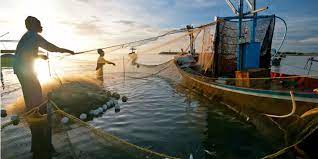
Introduction about Fisheries Survey Technician
A Fisheries Survey Technician plays a crucial role in the field of fisheries management by collecting, analyzing, and interpreting data related to aquatic ecosystems. This professional is typically responsible for conducting surveys and assessments to gather information about fish populations, their habitats, and environmental conditions. The data collected by Fisheries Survey Technicians is essential for making informed decisions regarding fisheries conservation, sustainable management, and resource allocation.
These technicians often work in collaboration with fisheries scientists, biologists, and other experts to design and implement survey protocols. They may employ various sampling methods, such as netting, trawling, electrofishing, and tagging, to collect data on fish species, population sizes, growth rates, and distribution. Additionally, Fisheries Survey Technicians are involved in monitoring environmental factors that affect fish populations, such as water temperature, quality, and habitat conditions.
Data analysis is a significant component of the technician's role. They use statistical methods and software to process and interpret the collected information, providing valuable insights into the health and dynamics of fish populations. This data-driven approach helps inform policymakers, resource managers, and conservationists in making decisions that promote sustainable fisheries practices.
In summary, Fisheries Survey Technicians play a vital role in the conservation and management of aquatic resources. Through their fieldwork and data analysis, they contribute essential information that supports efforts to maintain healthy fish populations, preserve biodiversity, and ensure the long-term sustainability of fisheries ecosystems.
How can I apply for admission to Fisheries Survey Technician
To apply for admission to a program or position as a Fisheries Survey Technician, you typically need to follow a specific set of steps. Here is a general guide on how to apply for such opportunities:
Educational Requirements:
Check the educational qualifications required for Fisheries Survey Technician positions. Typically, a background in fisheries biology, marine science, environmental science, or a related field is preferred.
Ensure that you meet the minimum educational requirements. If necessary, consider enrolling in relevant courses or obtaining a degree that aligns with the field.
Gain Relevant Experience:
Look for internships, volunteer opportunities, or entry-level positions related to fisheries, marine biology, or environmental science. Practical experience can enhance your application.
Research Job Openings:
Explore job boards, government websites, and the websites of environmental agencies or research institutions for Fisheries Survey Technician positions.
Pay attention to application deadlines, required qualifications, and specific application instructions.
Prepare Your Resume:
Tailor your resume to highlight relevant education, skills, and experience. Emphasize any coursework, research projects, or internships related to fisheries or marine science.
Write a Cover Letter:
Craft a compelling cover letter that outlines your interest in the Fisheries Survey Technician position. Mention your relevant skills, experience, and how you can contribute to the role.
Submit Application Materials:
Follow the application instructions provided in the job posting. This may involve submitting your resume, cover letter, academic transcripts, and any other required documents.
Some positions may require you to fill out an online application form or submit materials through a specific portal.
Prepare for Interviews:
If selected for an interview, be prepared to discuss your educational background, relevant experience, and your understanding of fisheries survey techniques.
Familiarize yourself with the organization and its mission to demonstrate your genuine interest.
Networking:
Connect with professionals in the field, attend relevant conferences or workshops, and join online forums to expand your network. Networking can provide insights into job opportunities and may lead to valuable connections.
Remember to be proactive and thorough in your application process. Each organization may have slightly different requirements, so carefully read and follow the instructions provided in the job postings. Good luck with your application for a Fisheries Survey Technician position!
What is the eligibility for Fisheries Survey Technician
The eligibility criteria for becoming a Fisheries Survey Technician can vary depending on the specific employer, organization, or program. However, here are some general qualifications and attributes commonly associated with this role:
Educational Background:
A bachelor's degree in a relevant field such as fisheries biology, marine biology, environmental science, biology, or a related discipline is often required.
Some positions may accept candidates with an associate degree or equivalent education, especially if combined with relevant work experience.
Relevant Coursework:
Completion of coursework in fisheries biology, ichthyology, aquatic ecology, statistics, and related subjects is often beneficial. This academic background provides the necessary knowledge for understanding fish populations and ecosystems.
Experience:
Practical experience through internships, volunteer work, or entry-level positions in fisheries, marine science, or environmental science is valuable. Some positions may require a specific number of years of relevant experience.
Skills:
Proficiency in using fisheries survey techniques and equipment, such as netting, trawling, and tagging.
Strong data collection and analysis skills, including the use of statistical software.
Knowledge of environmental factors affecting fish populations, such as water quality and habitat conditions.
Familiarity with relevant regulations and conservation practices.
Physical Fitness:
Fisheries Survey Technicians often work in the field, sometimes in challenging environments. Good physical fitness and the ability to perform fieldwork, which may involve lifting equipment, working in water, and enduring varying weather conditions, are essential.
Communication Skills:
Effective communication skills are crucial for interacting with team members, researchers, and stakeholders. Clear communication is needed to convey findings, discuss methodologies, and collaborate with others.
Attention to Detail:
Precision and attention to detail are important for accurate data collection and recording. Fisheries Survey Technicians need to ensure the reliability of the information they gather.
Adaptability:
The ability to adapt to changing field conditions and unexpected challenges is essential. Fieldwork can be dynamic, and technicians may need to modify their approaches based on environmental factors or emerging issues.
How long does it takes to complete a Fisheries Survey Technician
The duration to become a Fisheries Survey Technician can vary based on the specific educational and experiential path you choose. Here are some general considerations:
Educational Programs:
If you pursue a bachelor's degree in a relevant field, such as fisheries biology, marine biology, or environmental science, the typical duration is around four years. This can vary based on factors like whether you are studying full-time or part-time and the specific requirements of the program.
Associate Degree Programs:
Some community colleges offer associate degree programs in fields related to fisheries or marine science. These programs generally take about two years to complete.
Certification Programs:
In some cases, you may find specialized certification programs or workshops that focus on fisheries survey techniques. The duration of these programs can vary but is often shorter than a degree program.
Work Experience:
Practical experience is a significant aspect of becoming a Fisheries Survey Technician. Gaining relevant work experience through internships, entry-level positions, or volunteering can be an ongoing process and may continue after completing formal education.
Continuing Education:
The field of fisheries science is dynamic, and professionals often engage in continuous learning to stay updated on new techniques, technologies, and research findings. This ongoing education may take the form of workshops, conferences, or additional coursework.
Individuals may also choose to pursue advanced degrees (master's or doctoral) for more specialized roles or to advance into research or leadership positions. The time required for advanced degrees depends on the specific program and whether pursued on a full-time or part-time basis.
In summary, the time it takes to become a Fisheries Survey Technician can range from a couple of years for an associate degree or certification program to four or more years for a bachelor's degree. However, gaining valuable experience in the field is an ongoing process that continues throughout one's career.
What are potential career opportunities after Fisheries Survey Technician
After gaining experience as a Fisheries Survey Technician, individuals can explore various career opportunities within the field of fisheries science and related areas. Here are some potential career paths:
Fisheries Biologist:
Fisheries Survey Technicians can advance to become Fisheries Biologists. In this role, professionals often take on more responsibilities in designing and implementing research projects, analyzing data, and contributing to fisheries management strategies.
Fisheries Manager:
Fisheries Managers oversee the sustainable management of fisheries resources. They may be responsible for developing and implementing policies, regulations, and conservation plans. Experience as a Fisheries Survey Technician provides valuable insights into the practical aspects of fisheries management.
Aquatic Ecologist:
Aquatic Ecologists study the relationships between organisms and their aquatic environments. With a background in fisheries survey techniques, individuals can pursue a career focused on understanding the broader ecological dynamics of aquatic ecosystems.
Environmental Scientist:
Fisheries Survey Technicians with a strong understanding of environmental factors impacting fish populations may transition to roles as Environmental Scientists. They assess the impact of human activities on ecosystems and work on environmental conservation and remediation projects.
Research Scientist:
Some individuals choose to further their education and pursue advanced degrees to become Research Scientists in fisheries science. This path often involves conducting independent research, publishing findings, and contributing to the scientific community's understanding of aquatic ecosystems.
Government Positions:
Many Fisheries Survey Technicians work for government agencies responsible for natural resource management. Opportunities exist at the local, state, and federal levels, where individuals may contribute to policy development, enforcement, and conservation efforts.
Conservation Officer:
Conservation Officers enforce laws and regulations related to wildlife and fisheries conservation. With experience in survey techniques, individuals may find roles in law enforcement that focus on protecting aquatic ecosystems.
Nonprofit Organizations:
Some individuals choose to work for nonprofit organizations dedicated to fisheries conservation and environmental advocacy. These organizations often engage in research, education, and community outreach.
Consulting Firms:
Fisheries Survey Technicians may find opportunities in environmental consulting firms, where they can contribute to projects related to ecological assessments, impact studies, and habitat restoration.
Education and Outreach:
Individuals with a passion for education may pursue roles in outreach and education, working to raise awareness about fisheries conservation, sustainable practices, and environmental stewardship.
Syllabus of Fisheries Survey Technician
The specific syllabus for a Fisheries Survey Technician program can vary based on the institution offering the program, the level of the course (e.g., certificate, diploma, or degree), and the focus of the curriculum. However, I can provide a general semester-wise breakdown of topics that might be covered in such a program:
Semester 1: Introduction to Fisheries Science
Course 1: Introduction to Fisheries Biology
Overview of fish anatomy, physiology, and taxonomy.
Introduction to fish behavior and ecology.
Course 2: Aquatic Ecosystems
Study of freshwater and marine ecosystems.
Understanding the interactions between organisms and their environment.
Course 3: Fisheries Survey Techniques I
Introduction to basic survey methods for fish population assessment.
Hands-on training in field techniques such as netting, trawling, and electrofishing.
Course 4: Environmental Science
Examination of environmental factors affecting fisheries.
Introduction to water quality, habitat assessment, and pollution.
Semester 2: Fisheries Management
Course 5: Fisheries Management
Principles of sustainable fisheries management.
Introduction to regulations, policies, and conservation strategies.
Course 6: Fisheries Survey Techniques II
Advanced survey methods and sampling designs.
Data analysis and interpretation of survey results.
Course 7: Limnology (Freshwater Science) or Oceanography
In-depth study of inland aquatic systems or oceanic environments.
Focus on physical, chemical, and biological aspects.
Course 8: GIS and Remote Sensing in Fisheries
Introduction to Geographic Information Systems (GIS) and remote sensing applications in fisheries.
Spatial analysis for habitat mapping and resource assessment.
Semester 3: Applied Fisheries Science
Course 9: Fish Population Dynamics
Study of fish growth, mortality, and reproduction.
Population modeling and assessment techniques.
Course 10: Fish Health and Diseases
Overview of common fish diseases.
Disease prevention and management in fisheries.
Course 11: Fisheries Economics
Basic principles of fisheries economics.
Economic aspects of resource management and conservation.
Course 12: Research Methods in Fisheries
Introduction to research design and methodology.
Planning and conducting fisheries research projects.
Semester 4: Practical Training and Specialization
Internship/Practical Training:
Hands-on experience working with fisheries survey teams.
Application of learned skills in real-world settings.
Elective Courses (Choose Based on Specialization):
Aquaculture and Fish Farming
Marine Conservation
Fisheries Policy and Governance
Wildlife and Fisheries Law
Seminar/Project:
Presentation of internship experiences.
Research project or seminar on a specialized topic.
Internship opportunities after completing Fisheries Survey Technician
After completing a program as a Fisheries Survey Technician, individuals can pursue various internship opportunities to gain hands-on experience and further enhance their skills. Internships provide valuable exposure to real-world scenarios and often serve as a bridge between academic knowledge and practical application. Here are some potential internship opportunities for individuals with a background as a Fisheries Survey Technician:
Government Agencies:
Many government agencies at the local, state, and federal levels offer internships in fisheries and wildlife management. These opportunities may involve working with experienced professionals on field surveys, data collection, and conservation projects.
Research Institutions:
Research institutions and universities often have internship programs where individuals can contribute to ongoing research projects. This may include working on studies related to fish populations, habitat assessments, and environmental monitoring.
Nonprofit Organizations:
Conservation and environmental nonprofit organizations frequently offer internships focused on fisheries and aquatic ecology. Interns may be involved in outreach, education, and on-the-ground conservation efforts.
Aquaculture Facilities:
Internships in aquaculture facilities provide hands-on experience in fish farming and husbandry. Individuals can learn about breeding programs, disease management, and sustainable aquaculture practices.
Environmental Consulting Firms:
Consulting firms specializing in environmental science and natural resource management may offer internships in fisheries assessments and impact studies. This provides exposure to the consulting side of fisheries management.
Aquariums and Zoos:
Institutions such as aquariums and zoos may offer internships focusing on aquatic ecosystems and fisheries. Interns may be involved in educational programs, exhibit maintenance, and research projects.
Wildlife Rehabilitation Centers:
Internships at wildlife rehabilitation centers can provide exposure to the care and rehabilitation of injured or distressed aquatic wildlife. This experience contributes to a broader understanding of the challenges facing fish populations.
Industry Partnerships:
Some fisheries programs may have partnerships with industry stakeholders, such as commercial fisheries or environmental monitoring companies. Interns may have the opportunity to work on projects relevant to these partnerships.
State and National Parks:
Parks and natural reserves often have fisheries-related internships focused on habitat conservation, biodiversity monitoring, and recreational fisheries management.
International Opportunities:
Some organizations offer international internships or fieldwork experiences in fisheries and marine conservation. This provides a unique perspective on global fisheries challenges and conservation efforts.
When seeking internship opportunities, it's essential to research and apply to programs that align with personal interests and career goals. Networking, attending industry conferences, and reaching out to professionals in the field can also help identify potential internship opportunities. Internships not only provide practical experience but also offer the chance to build a professional network within the fisheries and environmental science community.
Scholarships and grants for Fisheries Survey Technician
There are various scholarships and grants available to support individuals pursuing a career as a Fisheries Survey Technician or related fields in fisheries science. These funding opportunities may be provided by government agencies, non-profit organizations, universities, and other institutions. Here are some potential sources of financial support:
American Fisheries Society (AFS) Scholarships:
The AFS offers several scholarships and awards for undergraduate and graduate students pursuing studies in fisheries and related disciplines. These scholarships may include the Hutton Junior Fisheries Biology Program and the AFS William E. Ricker Resource Conservation Award.
National Oceanic and Atmospheric Administration (NOAA) Educational Partnership Program Undergraduate Scholarship (EPP/USP):
NOAA offers scholarships for students studying disciplines related to NOAA's programs, including fisheries science. The EPP/USP provides financial assistance and hands-on research experiences.
U.S. Fish and Wildlife Service (USFWS) Tribal Wildlife Grants:
These grants support projects that benefit wildlife and their habitats, including fisheries. Tribal entities and organizations working on fisheries conservation initiatives may be eligible to apply.
Environmental Protection Agency (EPA) Greater Research Opportunities (GRO) Fellowships:
The EPA GRO Fellowships provide financial support to students pursuing environmentally related fields, including fisheries science. Fellowships are available for both undergraduate and graduate students.
National Fish and Wildlife Foundation (NFWF):
NFWF offers various grant programs that support conservation efforts, including fisheries and aquatic habitat conservation. These grants may fund projects related to fisheries research, restoration, and education.
The Fisheries Society of the British Isles (FSBI) Grants:
The FSBI offers grants to support research and education in the field of fisheries science. These grants are open to individuals conducting fisheries-related projects in the UK and Ireland.
International Foundation for Science (IFS) Grants:
IFS provides grants to early-career scientists in developing countries, supporting research projects in various scientific disciplines, including fisheries science.
World Wildlife Fund (WWF) Russell E. Train Education for Nature Program:
The WWF provides scholarships and grants to support individuals pursuing studies in conservation and environmental science, including fisheries-related disciplines.
Sea Grant Programs:
The National Sea Grant College Program supports research, education, and outreach related to marine and coastal resources. Many Sea Grant programs offer fellowships and scholarships for graduate students pursuing studies in fisheries and marine science.
Local and State Environmental Agencies:
Check with local and state environmental agencies, as they may offer scholarships or grants to students studying fisheries science or related fields.
When applying for scholarships and grants, be sure to carefully review the eligibility criteria, application requirements, and deadlines. Additionally, universities and colleges often have their own scholarship programs, so it's advisable to explore opportunities offered by the institution where you plan to pursue your education.
Conclusion
Becoming a Fisheries Survey Technician opens doors to a dynamic career in fisheries science, where individuals contribute to the sustainable management and conservation of aquatic ecosystems. Through a combination of education, hands-on experience, and potential internships, aspiring technicians can play a vital role in understanding and safeguarding the health of fish populations and their habitats.
FAQs
What is a Fisheries Survey Technician?
A Fisheries Survey Technician is a professional who collects, analyzes, and interprets data related to fish populations and aquatic ecosystems. Their work supports fisheries management, conservation efforts, and environmental sustainability.
How long does it take to become a Fisheries Survey Technician?
The duration varies, but it typically involves completing a relevant degree program (around 2-4 years), gaining practical experience through internships, and potentially pursuing further specialization or advanced degrees.
What are the career opportunities after becoming a Fisheries Survey Technician?
Career paths include Fisheries Biologist, Fisheries Manager, Aquatic Ecologist, Research Scientist, and roles in government agencies, nonprofit organizations, and consulting firms.
Are there internships available for Fisheries Survey Technicians?
Yes, numerous opportunities exist for internships in government agencies, research institutions, nonprofit organizations, and aquaculture facilities, providing hands-on experience in fisheries survey techniques.
Are there scholarships for aspiring Fisheries Survey Technicians?
Yes, various organizations, including the American Fisheries Society, NOAA, and environmental foundations, offer scholarships and grants to support individuals pursuing studies in fisheries science.
How Shiksha Hub helps you in
-
 Student Counsellors
 -
 Career Counseling
 -
 Research
 -
 24/7 Support
 -
 Scholarships
 -
 Community