Posted by Admin on 10-07-2023 in Shiksha hub
Fitter - Instrumentation Admission, Registration, Eligibility, Duration, Fees, Syllabus 2024
Introduction about Fitter - Instrumentation
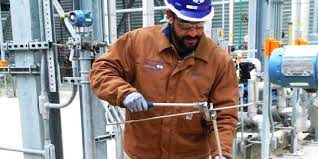
Fitter - Instrumentation is a specialized field within the broader domain of instrumentation and control engineering. This discipline primarily focuses on the installation, maintenance, and calibration of various instruments and control systems used in industrial processes. The term "Fitter" in this context refers to a skilled professional who specializes in fitting and assembling instrumentation components.
In industrial settings, instrumentation plays a crucial role in monitoring and controlling various parameters such as temperature, pressure, flow, and level. Fitter - Instrumentation professionals are responsible for ensuring that these instruments are accurately installed, calibrated, and maintained to ensure the efficient and safe operation of industrial processes.
The work of a Fitter - Instrumentation involves tasks such as installing sensors, transmitters, controllers, and other measuring devices. They also play a key role in connecting these instruments to control systems and ensuring proper communication between different components. Additionally, Fitters in this field are often involved in troubleshooting and repairing instrumentation issues to minimize downtime and optimize performance.
The precision and reliability of instrumentation are essential for industries such as manufacturing, petrochemicals, power generation, and more. Fitter - Instrumentation professionals need to have a strong understanding of electrical and electronic principles, as well as a high level of skill in working with various types of instruments.
How can I apply for admission to Fitter - Instrumentation Program
To apply for admission to a Fitter - Instrumentation program, you typically need to follow a set of steps outlined by the educational institution offering the program. Here is a general guide on how you can apply:
Research Programs: Start by researching institutions that offer Fitter - Instrumentation programs. Look for colleges, technical schools, or vocational training centers that provide comprehensive training in instrumentation and fitting.
Check Admission Requirements: Review the admission requirements for the specific program you are interested in. This may include educational qualifications, such as a high school diploma or equivalent, and any prerequisite courses or skills.
Prepare Necessary Documents: Gather all the required documents for the application process. This typically includes your academic transcripts, letters of recommendation, a resume, and a personal statement or cover letter expressing your interest in the Fitter - Instrumentation program.
Application Form: Obtain the application form from the institution's admissions office or website. Fill out the form accurately and completely. Pay attention to any specific instructions provided by the institution.
Submit Application: Submit your completed application form along with all the required documents to the admissions office by the specified deadline. Some institutions may have online application systems, while others may require physical submission.
Entrance Exams or Interviews: Some programs may require applicants to take entrance exams or participate in interviews to assess their suitability for the program. Prepare for any required assessments accordingly.
Financial Aid and Scholarships: If you require financial aid, inquire about scholarship opportunities, grants, or loans that may be available. Check with the institution's financial aid office for guidance on funding options.
Application Fee: Be aware of any application fees associated with the admission process. Pay the fee as instructed by the institution.
Follow Up: After submitting your application, follow up with the admissions office to ensure that all your documents have been received and to inquire about the status of your application.
Acceptance and Enrollment: If you are accepted into the program, carefully review the acceptance letter, which will provide details on enrollment procedures, tuition payment, and other relevant information.
What is the eligibility for Fitter - Instrumentation
The eligibility criteria for a Fitter - Instrumentation program may vary depending on the educational institution offering the program. However, here are some general eligibility requirements that are commonly associated with such programs:
Educational Qualifications: Typically, candidates should have completed their high school education or an equivalent qualification (such as a diploma or GED). Some programs may specify certain subjects or minimum grades in mathematics or science.
Age Limit: There may be age restrictions for entry into Fitter - Instrumentation programs. Some programs may have a minimum and/or maximum age limit for applicants.
Prerequisite Courses: Certain programs may require applicants to have completed specific prerequisite courses, especially in areas such as mathematics, physics, or electronics. These courses are often intended to provide a foundational understanding of the subjects covered in the Fitter - Instrumentation program.
Skills and Aptitude: Having a strong aptitude for technical skills, problem-solving, and attention to detail is often beneficial. Some programs may assess applicants' skills through entrance exams or interviews.
Language Proficiency: For programs offered in English or another language, applicants may need to demonstrate proficiency through standardized language tests such as the TOEFL or IELTS, especially if their primary language of instruction is different.
Health and Physical Fitness: Depending on the nature of the program and potential work environments, applicants may need to meet certain health and physical fitness standards. This is particularly relevant for programs that involve hands-on work in industrial settings.
Work Experience (if required): Some programs may prefer or require applicants to have relevant work experience in a related field. This could be in the form of internships, apprenticeships, or employment in a relevant industry.
How long does it takes to complete a Fitter - Instrumentation program
The duration of a Fitter - Instrumentation program can vary depending on the type of educational institution and the specific curriculum they offer. Generally, these programs are designed to provide a balance of theoretical knowledge and hands-on practical experience to adequately prepare students for careers in the field of instrumentation and fitting.
Here are some general guidelines regarding the duration of Fitter - Instrumentation programs:
Certificate Programs: Certificate programs in Fitter - Instrumentation may take anywhere from a few months to a year to complete. These programs often focus on imparting essential skills and knowledge required for entry-level positions.
Diploma Programs: Diploma programs in Fitter - Instrumentation typically have a duration of one to two years. These programs go more in-depth into the subject matter and often include practical training components.
Associate's Degree Programs: Associate's degree programs in Fitter - Instrumentation generally last for two years. These programs provide a more comprehensive education, covering a broader range of topics and including general education courses.
Bachelor's Degree Programs: Some institutions may offer Bachelor's degree programs in Instrumentation and Control Engineering or a related field. These programs usually take around four years to complete and include a more extensive curriculum, including advanced coursework and possibly a capstone project.
Apprenticeships: In some cases, individuals may pursue Fitter - Instrumentation training through apprenticeship programs, which combine on-the-job training with classroom instruction. The duration of apprenticeships can vary but often takes several years to complete.
It's important to note that the actual duration may also be influenced by factors such as the structure of the academic calendar, whether the program is offered on a full-time or part-time basis, and if there are any breaks or internships incorporated into the curriculum.
What are potential career opportunities after Fitter - Instrumentation
Completing a Fitter - Instrumentation program opens up various career opportunities in industries that rely on instrumentation and control systems. Here are some potential career paths for individuals with a background in Fitter - Instrumentation:
Instrumentation Technician: Instrumentation technicians are responsible for installing, maintaining, and troubleshooting control systems and instruments in industrial settings. They work with a variety of devices, such as sensors, transmitters, and control valves.
Control Systems Technician: Control systems technicians specialize in the installation and maintenance of control systems used to regulate and automate industrial processes. They may work with programmable logic controllers (PLCs) and distributed control systems (DCS).
Process Control Technician: Process control technicians focus on optimizing and maintaining the control systems that oversee manufacturing processes. They ensure that equipment operates efficiently and meets quality and safety standards.
Maintenance Technician: Maintenance technicians with a background in Fitter - Instrumentation can work in various industries, ensuring that equipment and machinery are properly maintained and calibrated to prevent breakdowns and downtime.
Calibration Technician: Calibration technicians are responsible for calibrating and adjusting instrumentation devices to ensure accuracy. They may work in laboratories, manufacturing plants, or other settings where precision measurement is critical.
Field Service Technician: Field service technicians travel to different locations to install, maintain, and repair instrumentation and control systems. They may work for equipment manufacturers or service companies.
Quality Control Inspector: Quality control inspectors ensure that products meet quality standards by inspecting and testing using various instruments. Those with a Fitter - Instrumentation background may specialize in inspecting equipment and systems.
Automation Engineer: Automation engineers design and implement automated systems to improve efficiency and reduce manual labor. They may work on projects involving robotics, PLCs, and other advanced automation technologies.
Project Coordinator: Individuals with a Fitter - Instrumentation background may take on roles as project coordinators, overseeing the planning and execution of projects related to the installation or upgrade of instrumentation systems.
Sales Engineer or Technical Sales Representative: Some professionals choose to enter technical sales, where they use their expertise to sell instrumentation products and solutions to businesses in need of such technology.
Supervisor or Managerial Roles: With experience, Fitter - Instrumentation professionals can move into supervisory or managerial roles, overseeing teams of technicians or managing entire projects.
Syllabus of Fitter - Instrumentation
Basic Engineering Skills:
Mathematics and Applied Science
Engineering Drawing
Basics of Electrical and Electronics
Instrumentation Fundamentals:
Introduction to Instrumentation and Control
Principles of Measurement
Sensors and Transducers
Instrumentation Devices and Systems:
Control Valves and Actuators
Pressure, Temperature, Flow, and Level Measurement
Analytical Instruments (pH meters, gas analyzers, etc.)
Instrumentation in Hazardous Areas
Control Systems:
Introduction to Control Systems
Programmable Logic Controllers (PLCs)
Distributed Control Systems (DCS)
SCADA (Supervisory Control and Data Acquisition) Systems
Calibration and Maintenance:
Calibration Techniques and Equipment
Preventive and Predictive Maintenance
Troubleshooting and Fault Analysis
Process Instrumentation:
Process Control and Automation
Instrumentation in Manufacturing Processes
Piping and Instrumentation Diagrams (P&ID)
Electrical Systems:
Basic Electrical Circuits
Motors and Motor Control
Electrical Safety
Communication and Networking:
Instrumentation Communication Protocols
Industrial Networking
Safety and Regulations:
Industrial Safety Practices
Compliance with Standards and Regulations
Professional Development:
Workplace Skills and Ethics
Project Management in Instrumentation
Hands-on Training:
Practical Training on Instrumentation Devices
Laboratory Exercises and Projects
Internship opportunities after completing Fitter - Instrumentation
Completing an internship after a Fitter - Instrumentation program is a valuable way for students to gain hands-on experience, apply their theoretical knowledge, and enhance their employability. Here are some potential internship opportunities for individuals with a background in Fitter - Instrumentation:
Manufacturing Industries: Internships in manufacturing plants allow students to work with instrumentation systems used in production processes. This may involve installing, maintaining, and troubleshooting instruments and control systems.
Energy and Utilities Companies: Internships in energy and utilities sectors, such as power plants or water treatment facilities, provide exposure to instrumentation used in monitoring and controlling critical processes.
Petrochemical and Chemical Industries: Internships in petrochemical and chemical plants involve working with instruments that measure and control variables in the production of chemicals and refining processes.
Automation and Control System Companies: Interning with companies that specialize in automation and control systems provides hands-on experience with advanced technologies like PLCs, DCS, and SCADA systems.
Laboratory Settings: Internships in laboratories, especially in research and development facilities, offer opportunities to work with analytical instruments and gain experience in calibration and testing procedures.
Engineering Consulting Firms: Interning with engineering consulting firms allows students to work on diverse projects related to instrumentation and control systems in various industries.
Instrumentation Service Providers: Companies that specialize in the installation, maintenance, and calibration of instrumentation systems may offer internship opportunities to gain practical skills in the field.
Oil and Gas Exploration: Internships in the oil and gas industry involve exposure to instrumentation used in exploration, drilling, and extraction processes.
Aerospace and Defense: Interning with companies in the aerospace and defense industries provides experience with instrumentation systems used in aircraft and defense applications.
Pharmaceutical and Biotechnology Companies: Internships in pharmaceutical or biotechnology firms involve working with instrumentation used in manufacturing processes and quality control.
Research Institutions: Interning at research institutions allows students to engage in cutting-edge research related to instrumentation and control systems.
Environmental Monitoring Organizations: Internships in organizations focused on environmental monitoring provide experience in using instrumentation for measuring and analyzing environmental parameters.
Scholarship and grants for Fitter - Instrumentation
Securing scholarships and grants can significantly alleviate the financial burden associated with pursuing a Fitter - Instrumentation program. Here are some potential avenues for obtaining financial assistance:
Institutional Scholarships: Many educational institutions offer scholarships specifically for students enrolled in technical or vocational programs. Check with the financial aid office or the scholarship office at the institution you plan to attend.
Industry-Specific Scholarships: Some industries related to instrumentation and control systems may have scholarship programs. Check with industry associations, companies, or foundations associated with instrumentation to see if they offer financial support.
Government Grants and Scholarships: Government agencies at the local, state, or national level may provide grants or scholarships for students pursuing technical education. Explore government websites or contact relevant education departments for information.
Professional Associations: Organizations related to instrumentation and engineering, such as the International Society of Automation (ISA), may offer scholarships to students pursuing studies in these fields. Check with relevant professional associations for opportunities.
Corporate Sponsorships: Some companies that operate in industries reliant on instrumentation may sponsor students pursuing education in this field. Check with companies that align with your career goals.
Community Foundations and Nonprofit Organizations: Local community foundations or nonprofit organizations may offer scholarships to support students in vocational or technical programs. Research opportunities available in your community.
Online Scholarship Databases: Utilize online scholarship databases, such as Fastweb, Chegg, or Scholarship.com, to search for scholarships based on your field of study and interests.
Apprenticeship Programs: Some apprenticeship programs may come with financial support or scholarships. Explore apprenticeship opportunities in your field and inquire about available financial assistance.
Military and Veteran Benefits: If you are a veteran or active-duty military personnel, explore educational benefits provided by the military or government, such as the GI Bill.
Minority and Diversity Scholarships: Certain scholarships are specifically designed to support students from underrepresented groups in STEM fields. Explore opportunities tailored to minorities or women in engineering and technology.
State and Regional Programs: Some states or regions have scholarship programs for students pursuing technical education. Check with your state's education department for information on available scholarships.
Conclusion
Overall, Fitter - Instrumentation is a vital aspect of industrial processes, contributing to the accuracy, safety, and efficiency of operations through the proper installation and maintenance of instrumentation and control systems.
FAQ's
What is Fitter - Instrumentation?
Fitter - Instrumentation is a specialized field within instrumentation and control engineering. Professionals in this field are responsible for installing, maintaining, and calibrating instruments and control systems used in industrial processes.
How long does it take to complete a Fitter - Instrumentation program?
The duration of a Fitter - Instrumentation program varies, but it can range from several months for certificate programs to four years for bachelor's degree programs, depending on the educational institution and the level of the program.
What are the career opportunities after completing a Fitter - Instrumentation program?
Graduates of Fitter - Instrumentation programs can pursue careers as Instrumentation Technicians, Control Systems Technicians, Maintenance Technicians, Automation Engineers, and more. Opportunities exist in industries such as manufacturing, energy, petrochemicals, and automation.
What skills are important for success in Fitter - Instrumentation?
Success in Fitter - Instrumentation requires a strong understanding of electrical and electronic principles, technical problem-solving skills, attention to detail, and the ability to work with various instrumentation devices and control systems.
Are internships available after completing a Fitter - Instrumentation program?
Yes, internships are available and highly recommended for individuals completing Fitter - Instrumentation programs. Internships provide practical, hands-on experience in real-world settings and enhance employability.
What is typically included in the syllabus of a Fitter - Instrumentation program?
The syllabus of a Fitter - Instrumentation program includes topics such as basic engineering skills, instrumentation fundamentals, control systems, calibration and maintenance, process instrumentation, electrical systems, communication and networking, safety, and professional development.
Are there scholarships or grants available for Fitter - Instrumentation programs?
Yes, there are various scholarships and grants available for students pursuing Fitter - Instrumentation programs. These can be offered by educational institutions, industry associations, government agencies, and corporate sponsors.
What are the potential industries where Fitter - Instrumentation professionals can work?
Fitter - Instrumentation professionals can find opportunities in industries such as manufacturing, energy (including renewable energy), petrochemicals, pharmaceuticals, aerospace, defense, and more.
Can I pursue further education after completing a Fitter - Instrumentation program?
Yes, after completing a Fitter - Instrumentation program, individuals can pursue further education, such as advanced degrees in instrumentation, control engineering, or related fields to enhance their knowledge and career prospects.
How can I apply for admission to a Fitter - Instrumentation program?
To apply for admission to a Fitter - Instrumentation program, individuals typically need to research programs, check admission requirements, prepare necessary documents, fill out an application form, submit the application, and follow up with the admissions office. Additional steps may include entrance exams or interviews, depending on the program.
How Shiksha Hub helps you in
-
 Student Counsellors
 -
 Career Counseling
 -
 Research
 -
 24/7 Support
 -
 Scholarships
 -
 Community