Posted by Admin on 26-07-2023 in Shiksha hub
Food Products Packaging Technician Introduction, Admission, Registration, Eligibility, Duration, Fees, Syllabus 2024
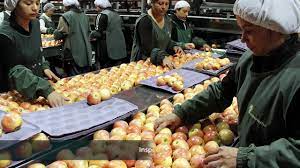
Introduction about Food Products Packaging Technician
A Food Products Packaging Technician plays a crucial role in the food industry by specializing in the packaging processes of various food products. The primary responsibility of a Food Products Packaging Technician is to ensure that food items are packaged efficiently, safely, and in compliance with industry standards and regulations.
These professionals work with a variety of packaging materials and machinery to preserve the freshness, quality, and safety of the food products. They are involved in tasks such as setting up and operating packaging equipment, monitoring production processes, and troubleshooting any issues that may arise during packaging.
Food Products Packaging Technicians collaborate closely with quality control and production teams to guarantee that packaging meets established specifications and standards. They must adhere to hygiene and sanitation protocols to prevent contamination and maintain the integrity of the food products. Additionally, they often participate in the development and implementation of packaging strategies that address environmental sustainability and consumer preferences.
In summary, Food Products Packaging Technicians play a vital role in ensuring the efficient and safe packaging of food products, contributing to the overall quality and marketability of the goods within the food industry. Their expertise lies in the intersection of technology, food safety, and packaging materials to deliver products that meet both regulatory requirements and consumer expectations.
How can I apply for admission to Food Products Packaging Technician
To apply for admission to a program in Food Products Packaging Technology, follow these general steps:
Research Programs:
Look for institutions or vocational schools that offer programs in Food Products Packaging Technology. Consider factors such as program reputation, faculty expertise, and available resources.
Check Admission Requirements:
Review the admission requirements for the specific program you're interested in. Requirements may include educational background, prerequisite courses, or relevant work experience.
Prepare Educational Documents:
Gather and prepare your educational documents, such as high school transcripts or any post-secondary education records. Some programs may require specific coursework in areas like science or technology.
Prepare Additional Documents:
Check if the program requires additional documents, such as letters of recommendation, a resume, or a personal statement. Prepare these documents in advance.
Take Standardized Tests:
Some programs may require standardized test scores, such as the SAT or ACT. Check the program's requirements and schedule any necessary exams.
Submit an Application:
Complete the application form provided by the institution. This may be an online application through the school's website or a standardized application system.
Pay Application Fees:
Pay any required application fees. Some institutions may offer fee waivers based on financial need.
Apply for Financial Aid:
If you need financial assistance, complete the Free Application for Federal Student Aid (FAFSA) or any other financial aid application required by the institution.
Attend Interviews or Auditions (if applicable):
Some programs may require an interview or audition as part of the admission process. Prepare for these accordingly.
Submit Portfolio (if applicable):
If the program requires a portfolio, gather samples of relevant work and submit it according to the program's guidelines.
Follow up on Application Status:
Keep track of your application status. Follow up with the admissions office if necessary and ensure that all required materials have been received.
Explore Housing Options (if applicable):
If you plan to live on campus or in the vicinity of the institution, explore housing options and submit any necessary housing applications.
Acceptance and Enrollment:
Once accepted, review the acceptance letter and follow the instructions for enrollment. This may include submitting a deposit, selecting courses, and attending orientation.
Remember to tailor these steps to the specific requirements of the program you're applying to. Admission processes can vary between institutions and programs.
What is the eligibility for Food Products Packaging Technician
The eligibility criteria for a Food Products Packaging Technician program can vary depending on the educational institution offering the program. However, here are some general eligibility requirements that are commonly associated with such programs:
Educational Background:
Typically, candidates are required to have a high school diploma or an equivalent qualification. Some programs may also consider applicants with a General Educational Development (GED) certificate.
Prerequisite Courses:
Certain programs may have specific prerequisite courses in areas such as mathematics, science, or technology. It's essential to check the program's requirements to ensure that you have completed any necessary coursework.
Work Experience (if applicable):
While not always mandatory, some programs may prefer or require applicants to have relevant work experience in areas related to food processing, manufacturing, or packaging.
Standardized Tests (if applicable):
Depending on the institution and program, applicants may be required to submit scores from standardized tests such as the SAT or ACT. Check the specific requirements of the program you are interested in.
Letters of Recommendation:
Some programs may request letters of recommendation from teachers, employers, or other individuals who can speak to your qualifications and potential for success in the program.
Personal Statement or Essay:
Applicants may be asked to submit a personal statement or essay outlining their interest in the Food Products Packaging Technician field, career goals, and reasons for pursuing the program.
Interview (if applicable):
In some cases, applicants may be required to participate in an interview as part of the admission process. This interview may assess communication skills, motivation, and suitability for the program.
Age Requirements:
Some programs may have age restrictions or preferences. Ensure that you meet any age-related criteria specified by the program.
How long does it takes to complete a Food Products Packaging Technician
The duration of a Food Products Packaging Technician program can vary depending on the level of the program (certificate, diploma, associate degree, etc.) and the specific requirements of the educational institution offering the program. Here are some general guidelines:
Certificate Programs:
Certificate programs in Food Products Packaging Technology typically last anywhere from a few weeks to several months. These programs are often designed to provide a focused and accelerated curriculum to quickly prepare students for entry-level positions.
Diploma Programs:
Diploma programs may take around one year to complete. These programs provide a more comprehensive education compared to certificate programs and often include both classroom instruction and hands-on training.
Associate Degree Programs:
Associate degree programs in Food Products Packaging Technology usually take approximately two years to complete. These programs often include a combination of general education courses, core packaging technology courses, and practical training.
Bachelor's Degree Programs:
Some institutions may offer bachelor's degree programs in areas related to food science or packaging engineering, which can take around four years to complete. These programs typically provide a more in-depth education, covering a broader range of topics related to the food industry.
Master's Degree Programs (Optional):
For those seeking advanced knowledge and career advancement, there may be master's degree programs in packaging engineering or related fields. These programs typically require an additional two years of study beyond the bachelor's degree.
Prospective students should check the program details provided by the specific institution they are interested in to get accurate information about the duration and structure of the Food Products Packaging Technician program they plan to pursue.
What are potential career opportunities after Food Products Packaging Technician
After completing a program in Food Products Packaging Technology, individuals can pursue various career opportunities in the food industry. Here are some potential career paths:
Packaging Technician:
Graduates may directly enter the workforce as packaging technicians responsible for operating and maintaining packaging equipment. They ensure that food products are packaged efficiently and in compliance with industry standards.
Quality Control Inspector:
Quality control inspectors in food packaging are responsible for assessing the quality of packaged products. They inspect packaging materials, monitor production processes, and ensure that products meet established quality standards and regulatory requirements.
Packaging Engineer:
With additional education and experience, individuals may work as packaging engineers. Packaging engineers design and develop packaging solutions that protect the quality and safety of food products. They may also focus on environmentally sustainable packaging practices.
Production Supervisor:
Graduates can progress to supervisory roles, overseeing the packaging production process. Production supervisors are responsible for managing a team of technicians, ensuring efficiency, and maintaining quality control.
Food Safety Specialist:
Individuals with a background in food products packaging may pursue roles as food safety specialists. They focus on ensuring that packaging processes and materials adhere to food safety regulations and guidelines.
Research and Development (R&D) Technician:
R&D technicians in food packaging are involved in developing new packaging materials, technologies, or processes. They contribute to innovations that improve the shelf life, sustainability, and overall quality of packaged food products.
Sales Representative for Packaging Suppliers:
Some graduates may work as sales representatives for companies that supply packaging materials and equipment to the food industry. They collaborate with food manufacturers to provide suitable packaging solutions.
Supply Chain Coordinator:
Individuals can pursue roles in the supply chain, coordinating the movement of packaged goods from production to distribution. They may be involved in logistics, inventory management, and ensuring timely delivery.
Environmental Sustainability Specialist:
With a growing emphasis on sustainable practices, individuals may work as specialists in environmental sustainability within the food packaging industry. They focus on developing and implementing eco-friendly packaging solutions.
Entrepreneurship:
Graduates may choose to start their own packaging-related businesses, offering services such as consulting, packaging design, or supplying innovative packaging solutions to food manufacturers.
These career opportunities highlight the diverse paths that individuals trained in Food Products Packaging Technology can pursue within the food industry. The specific career path chosen may depend on individual interests, skills, and the level of education and experience attained.
Syllabus of Food Products Packaging Technician
The specific syllabus for a Food Products Packaging Technician program can vary between educational institutions. However, I can provide a general outline of topics that might be covered semester-wise in such a program. Keep in mind that this is a broad overview, and the actual syllabus will depend on the curriculum designed by the institution offering the program. Additionally, the duration of each semester may differ based on the academic calendar of the institution. Here's a sample semester-wise breakdown:
Semester 1: Introduction to Food Packaging Technology
Introduction to Food Science and Technology
Basics of Food Packaging
Food Safety and Hygiene
Materials Science for Packaging
Packaging Machinery and Equipment - Part I
Communication Skills
Semester 2: Packaging Materials and Methods
Types of Packaging Materials
Packaging Design and Graphic Communication
Principles of Quality Control
Packaging Machinery and Equipment - Part II
Environmental Sustainability in Packaging
Basic Mathematics for Technicians
Semester 3: Quality Control and Regulations
Quality Assurance in Packaging
Food Regulations and Compliance
Statistical Methods for Quality Control
Packaging Printing and Labeling
Packaging for Convenience and Innovation
Professional Development and Ethics
Semester 4: Advanced Packaging Techniques
Advanced Packaging Materials
Advanced Packaging Machinery
Shelf Life and Preservation
Packaging for Specialized Products (e.g., perishable goods, pharmaceuticals)
Research and Development in Food Packaging
Industrial Training/Internship
Please note that the above breakdown is a generalization, and the actual syllabus may include additional topics or modifications based on the institution's curriculum. Students typically engage in hands-on training, laboratory work, and possibly internships to gain practical experience in food packaging processes. Additionally, elective courses may be offered to allow students to specialize in specific areas of interest within food packaging technology. Prospective students should refer to the official program documentation provided by the institution for accurate and detailed information about the syllabus.
Internship opportunities after completing Food Products Packaging Technician
After completing a program in Food Products Packaging Technology, individuals may have various internship opportunities to gain practical experience in the field. Internships provide hands-on training, exposure to real-world industry practices, and the chance to apply theoretical knowledge in a professional setting. Here are potential internship opportunities for Food Products Packaging Technicians:
Food Manufacturing Companies:
Internships with food manufacturing companies allow individuals to work directly within the production and packaging departments. Tasks may include operating packaging machinery, conducting quality control checks, and assisting in packaging design.
Packaging Material Suppliers:
Interning with companies that supply packaging materials gives individuals insight into the materials used in food packaging. This experience may involve learning about different packaging solutions, understanding material properties, and exploring innovations in packaging technology.
Quality Control and Assurance Roles:
Internships in quality control or assurance departments provide valuable experience in ensuring the quality and safety of packaged food products. Interns may assist in conducting inspections, performing tests, and implementing quality control protocols.
Research and Development Facilities:
Interning with research and development (R&D) departments allows individuals to be involved in the development of new packaging materials and technologies. This could include conducting experiments, analyzing data, and contributing to the creation of innovative packaging solutions.
Environmental Sustainability Initiatives:
With a growing focus on sustainable packaging, individuals may find internships with companies or organizations working on eco-friendly packaging solutions. This could involve researching and implementing environmentally sustainable practices in food packaging.
Government Agencies and Regulatory Bodies:
Internships with government agencies or regulatory bodies involved in food safety and packaging regulations provide insight into the legal and regulatory aspects of the industry. Interns may assist in compliance checks and learn about industry standards.
Consulting Firms:
Interning with consulting firms specializing in food packaging allows individuals to work on diverse projects for different clients. This could involve analyzing packaging processes, recommending improvements, and staying abreast of industry trends.
Packaging Design Studios:
For those interested in the creative aspect of packaging, internships with packaging design studios offer the opportunity to contribute to the visual and aesthetic elements of food packaging. This may involve graphic design, branding, and visual communication.
Retail and Distribution Centers:
Internships within retail or distribution centers provide exposure to the later stages of the supply chain. Interns may learn about logistics, inventory management, and the impact of packaging on product display and shelf life.
Pharmaceutical or Cosmetics Industry:
Some individuals with expertise in food packaging may find internship opportunities in related industries such as pharmaceuticals or cosmetics, where packaging requirements and regulations are also critical.
Scholarships and grants for Food Products Packaging Technician
While specific scholarships and grants for Food Products Packaging Technician programs may be limited, there are various opportunities that students in related fields or broader disciplines, such as food science, packaging engineering, or technology, can explore. Here are some potential sources of financial aid:
Institutional Scholarships:
Check with the educational institution offering the Food Products Packaging Technician program. Many colleges and universities provide scholarships specifically for students in their programs. Contact the financial aid office for information on available opportunities.
Professional Associations:
Explore scholarships offered by professional associations related to food science, packaging, or technology. Examples include the Institute of Food Technologists (IFT) or the Institute of Packaging Professionals (IoPP).
Industry-Specific Organizations:
Some companies and organizations within the food packaging industry may offer scholarships to students pursuing relevant programs. Check with major players in the food and packaging sectors for potential opportunities.
Government Grants:
Research government grant programs that support education in STEM (science, technology, engineering, and mathematics) fields. Some grants may be available for students pursuing studies related to food products packaging.
Nonprofit Organizations:
Nonprofit organizations with a focus on education, technology, or the food industry may offer scholarships or grants. Look for organizations that align with your career goals and aspirations.
Research and Innovation Grants:
Explore grants offered by research institutions or organizations promoting innovation in food packaging technology. These opportunities may be specifically geared toward students engaged in research projects.
Corporate Sponsorships:
Some corporations in the food and packaging industries sponsor scholarships or provide financial support to students. Check with companies that have a strong presence in these sectors.
Community Foundations:
Local or regional community foundations may offer scholarships to students pursuing education in specific fields. Research foundations in your area to identify potential opportunities.
STEM-Focused Scholarships:
Investigate scholarships designed for students in STEM disciplines, as food products packaging involves elements of science, technology, engineering, and mathematics. Websites like Fastweb, Chegg, and College Board's Scholarship Search can be useful resources.
Diversity and Inclusion Scholarships:
Some scholarships are specifically designated for underrepresented groups in STEM fields. Explore opportunities that promote diversity and inclusion in science and technology.
Remember to thoroughly review eligibility criteria, application requirements, and deadlines for each scholarship or grant. Additionally, consider reaching out to the financial aid office at your educational institution for guidance on available resources and assistance with the application process.
Conclusion
Becoming a Food Products Packaging Technician opens doors to a dynamic and essential role in the food industry. With expertise in packaging technology, graduates contribute to ensuring the safety, quality, and innovation of packaged food products. The combination of theoretical knowledge and hands-on training prepares individuals for diverse career paths within the field, from packaging design to quality control.
FAQ,s
Q1: What is the role of a Food Products Packaging Technician?
A: Food Products Packaging Technicians are responsible for efficiently and safely packaging food products, ensuring compliance with industry standards, and contributing to the overall quality and marketability of goods in the food industry.
Q2: How long does it take to complete a Food Products Packaging Technician program?
A: The duration varies, but certificate programs may take a few weeks to months, diploma programs about a year, and associate degree programs approximately two years. Bachelor's and master's degree programs, if available, may take four to six years.
Q3: What are potential career opportunities after completing a Food Products Packaging Technician program?
A: Graduates can pursue careers as Packaging Technicians, Quality Control Inspectors, Packaging Engineers, Production Supervisors, or enter roles in research and development, environmental sustainability, and more within the food industry.
Q4: Are there internship opportunities for Food Products Packaging Technicians?
A: Yes, internships are available in food manufacturing companies, packaging material suppliers, quality control roles, research and development facilities, environmental sustainability initiatives, and various other sectors within the industry.
Q5: Are there scholarships and grants for Food Products Packaging Technician programs?
A: While specific scholarships may be limited, opportunities exist through institutional scholarships, professional associations, government grants, nonprofit organizations, corporate sponsorships, and STEM-focused scholarships.
Meta Title: "Explore a Career in Food Products Packaging: Roles, Programs, and Opportunities"
Tag: Food Products Packaging Technician, Packaging Technology, Food Industry Careers, Packaging Engineer, Internship Opportunities, Scholarships and Grants
Keywords: Food Packaging, Packaging Technician Program, Packaging Career, Food Industry, Packaging Technology, Quality Control, Internship, Scholarships, STEM Education, Environmental Sustainability.
Description: Discover the world of Food Products Packaging Technicians—explore their roles, educational paths, and potential career opportunities. Learn about internships, scholarships, and the dynamic landscape of the food packaging industry. Start your journey towards a rewarding career in ensuring the quality and safety of packaged food products.
How Shiksha Hub helps you in
-
 Student Counsellors
 -
 Career Counseling
 -
 Research
 -
 24/7 Support
 -
 Scholarships
 -
 Community