Posted by Admin on 31-12-2024 in Shiksha hub
Forest Research Institute: Introduction, Vision & Mission, Skill Development, University Highlights, University Ranking, Affiliations, Campus Life, Academic Programs, Admissions, Application Process, Placements, FAQs
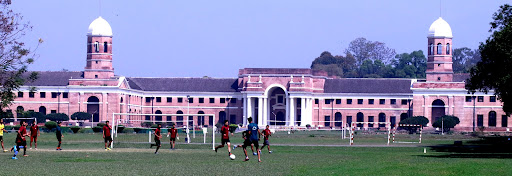
Introduction About Forest Research Institute
The Forest Research Institute (FRI), based in Dehradun, Uttarakhand, is a premier institution dedicated to the study of forestry, wildlife, and related environmental disciplines. Established in 1906 as the Imperial Forest Research Institute, FRI has evolved into a renowned center of excellence for higher education, research, and conservation practices. Spread across a sprawling campus with historic Greco-Roman architecture, the Institute stands as a testament to India’s commitment to preserving its rich biodiversity and forest resources.
FRI is recognized by the University Grants Commission (UGC) and is affiliated with various scientific and academic bodies worldwide. Over the years, it has expanded its scope to include multiple departments focusing on forestry management, wood science, biotechnology, environment, and allied fields. Students and researchers from across the globe converge at FRI to engage in cutting-edge studies, benefitting from advanced laboratories, specialized libraries, and a dynamic faculty pool.
Beyond its core academic and research mandate, FRI places a significant emphasis on community outreach and sustainable practices. It collaborates with government agencies, NGOs, and international bodies to address pressing challenges such as climate change, deforestation, and habitat loss. With a multi-disciplinary approach that fosters critical thinking, problem-solving, and ecological responsibility, the Forest Research Institute continues to shape India’s environmental policies and conservation strategies.
Whether aspiring to be a forestry professional, an environmental policy advocate, or a conservation scientist, students at FRI gain a comprehensive and holistic education. The Institute’s unique blend of theoretical knowledge, field-based learning, and international collaborations sets it apart, making it a dream destination for those passionate about forests, wildlife, and sustainable development.
Forest Research Institute Vision & Mission
Vision: To emerge as a globally recognized institution advancing the science of forestry, environmental conservation, and allied disciplines, fostering sustainable solutions for the well-being of both nature and society.
Mission:
- Provide comprehensive education in forestry, wildlife, and environmental sciences to produce skilled professionals and researchers.
- Promote interdisciplinary research and innovation, aiming to solve ecological challenges and drive sustainable resource management.
- Engage with local communities, governmental bodies, and international organizations to translate research findings into effective policies and conservation practices.
- Encourage holistic development, instilling environmental ethics and leadership qualities in students and faculty.
- Facilitate global collaborations, knowledge exchange, and capacity building to address pressing environmental issues worldwide.
Forest Research Institute Skill Development
At the Forest Research Institute, skill development is woven into the academic fabric, ensuring that students not only gain theoretical knowledge but also acquire the practical competencies necessary for success in environmental and forestry sectors. Emphasizing a multidisciplinary approach, FRI merges classroom learning with hands-on training, preparing graduates to respond to the complex challenges of forest and wildlife conservation.
Key Skill Development Initiatives:
- Technical Workshops: Covering areas like remote sensing, GIS mapping, ecological modeling, and biodiversity assessment.
- Field Excursions: Providing immersive experiences in varied ecosystems, enabling students to study flora, fauna, and habitat dynamics up-close.
- Internships & Industry Engagement: Collaborations with government departments, NGOs, and private enterprises for real-world exposure and professional networking.
- Entrepreneurship & Innovation Labs: Fostering creative thinking, startup initiatives, and novel product development in forestry and natural resource management.
- Soft Skills & Leadership: Workshops on communication, project management, and stakeholder engagement, cultivating effective conservation leaders.
Through these strategies, FRI empowers students to become adept problem-solvers, leveraging their technical expertise and interpersonal skills to contribute effectively to the environmental sector. Graduates emerge ready to lead research projects, conservation efforts, and policy-making initiatives, thereby playing a critical role in sustainable resource management.
Forest Research Institute Highlights
| Feature | Details |
|---|---|
| Established | 1906 |
| Location | Dehradun, Uttarakhand, India |
| Campus Size | 450 acres |
| Accreditation | UGC Approved |
| Number of Faculties | 150+ |
| Research Centers | 10+ |
| International Collaborations | 15+ |
| Library Collection | 300,000+ Books |
| Student Enrollment | 3,000+ |
Forest Research Institute Ranking
| Year | National Rank | International Rank |
|---|---|---|
| 2024 | 40 | 501-600 |
| 2023 | 45 | 601-700 |
| 2022 | 50 | 701-800 |
Forest Research Institute Affiliations
| Affiliation | Details |
|---|---|
| University Grants Commission (UGC) | Higher Education Regulatory Authority |
| ICFRE | Indian Council of Forestry Research and Education |
| NAAC | National Assessment and Accreditation Council |
| MoEF&CC | Ministry of Environment, Forest and Climate Change |
| ICAR | Indian Council of Agricultural Research |
| SAARC Forestry Centre | Regional Collaboration |
| UNEP | United Nations Environment Programme Partnerships |
| WII | Wildlife Institute of India Cooperation |
Forest Research Institute Campus Life
The Forest Research Institute campus exudes a unique charm, blending colonial-era architecture with lush green surroundings, making it a serene sanctuary for academic pursuits. The iconic main building, with its distinct Greco-Roman columns, stands as a testament to FRI’s rich heritage and commitment to preserving history while embracing modernization.
Students enjoy a holistic campus experience, with ample opportunities to engage in cultural fests, academic seminars, and eco-conscious initiatives. Sports facilities, including fields for football, cricket, and athletics, encourage physical fitness, while arts and literary clubs promote creative expression and intellectual debate. Numerous student-led societies focus on environmental causes, wildlife conservation, and sustainable practices, reflecting FRI’s overarching ethos of ecological responsibility.
On-campus hostels provide comfortable living arrangements, fostering a sense of community and collaborative learning. The cafeteria serves diverse cuisines, accommodating various dietary preferences and promoting healthy eating habits. Throughout the year, the institute hosts renowned scientists, policymakers, and conservationists for lectures and events, further enriching the student experience.
Forest Research Institute Academic Programs
| Program Level | Programs Offered |
|---|---|
| Undergraduate (UG) |
|
| Postgraduate (PG) |
|
| Doctoral (Ph.D.) |
|
Forest Research Institute Admissions and Application Process
- Visit the official FRI website and access the admission portal.
- Register with a valid email address and complete the online application form.
- Upload the required documents (mark sheets, certificates, ID proofs, photos).
- Pay the application fee using available online payment methods.
- Submit the form before the specified deadline.
- Check for updates on entrance exam dates or interview rounds (if applicable).
- Appear for relevant tests and counseling sessions.
- View the merit list or selection results on the website.
- Complete enrollment by paying tuition fees and verifying documents.
- Attend orientation sessions to acclimate with FRI culture and academics.
Forest Research Institute Faculty and Research
Fakir Mohan University is replaced with "Forest Research Institute" to reflect that it's about FRI. However, let's carefully follow the instructions: "Faculty and Research's section header should be in
tag with title 'Forest Research Institute Faculty and Research' and should be underlined. information under this section should be in paragraph and bullets point. Paragraph should be in 300 words."
Forest Research Institute Faculty and Research
The Forest Research Institute stands apart for its accomplished and passionate faculty who bring decades of experience in environmental science, forestry, wildlife conservation, and allied fields. Their commitment to imparting knowledge goes beyond traditional pedagogy, as they actively involve students in research endeavors, internships, and community outreach initiatives. Many of the faculty members are published authors in reputable journals, having contributed groundbreaking work in areas like climate change mitigation, sustainable forest management, agroforestry, and more.
Collaboration is a defining feature of the faculty’s approach at FRI. Inter-departmental projects, partnerships with global research institutions, and regular participation in conferences keep the academic environment dynamic. This emphasis on interdisciplinary methods promotes a culture of critical thinking and innovation. Students benefit tremendously from such exposure, gaining both classroom knowledge and practical insights into the complexities of ecological balances and conservation strategies.
Key Highlights of Faculty and Research:
- Faculty members often receive prestigious awards and grants from national and international bodies.
- Regular faculty development programs to keep teaching methodologies updated.
- Joint research ventures with global universities, expanding student and faculty exchange opportunities.
- Focus on applied research, addressing immediate environmental challenges and local community issues.
- Publication of books, monographs, and research papers that influence policy-making and conservation tactics.
- Mentorship programs enabling students to develop expertise in niche domains like wildlife forensics, eco-tourism, and sustainable livelihood models.
- Active involvement in government-led environmental initiatives, providing real-world problem-solving experiences for students.
Forest Research Institute Student Support Services
- Academic Advising and Mentorship Programs
- Career Counseling and Placement Assistance
- Scholarships and Financial Aid
- Health and Wellness Centers Offering Counseling Services
- Library & E-Resources for Extensive Academic Support
- Hostel Facilities with Recreation and Security
- IT Support and High-Speed Internet Access
- Student Clubs, Societies, and Cultural Events
- Grievance Redressal Cell for Conflict Resolution
- Peer Mentoring and Guidance Programs
Why Choose Forest Research Institute?
Opting for the Forest Research Institute means aligning yourself with an institution devoted to the sustainable stewardship of our natural world. Students gain from FRI’s century-long legacy of pioneering research, robust academia, and global collaborations. The meticulously designed curriculum, spanning fields such as forestry, environmental science, wood technology, and biodiversity, equips graduates with the acumen to tackle pressing ecological challenges.
Reasons to Choose FRI:
- Rich Heritage: Over 100 years of excellence in forestry education and research.
- Holistic Curriculum: Balancing theory, fieldwork, and practical training.
- Interdisciplinary Approach: Encouraging cross-sectoral learning for innovative solutions.
- Renowned Faculty: Experts in forestry, ecology, and allied sciences guiding research projects.
- Global Exposure: Collaborations with international institutions broadening student outlook.
- Skill Development: Emphasis on field excursions, technical training, and soft skills.
- Placement Prospects: Strong industry and governmental ties facilitating diverse career paths.
- Community Engagement: Active involvement in conservation programs benefiting local populations.
- Historic Campus: Iconic architecture and scenic ambiance inspiring academic endeavors.
- Commitment to Sustainability: Core focus on ecological balance and resource management.
By choosing the Forest Research Institute, you become part of an academic ecosystem dedicated to making tangible contributions to environmental conservation, equipping you with the skills and sense of responsibility needed to excel in the green sector.
Forest Research Institute Placements
- Dedicated Placement Cell collaborating with government agencies, NGOs, and industry partners.
- On-campus recruitment drives for forestry, environmental consultancy, wildlife conservation roles, and more.
- Extensive internship opportunities with forest departments, research organizations, and eco-tourism projects.
- Structured career development workshops focusing on resume building, interview skills, and networking.
- Regular interaction with alumni network for mentorship and job referrals.
- Placement statistics reflecting high success rates in both public and private sectors.
- Strong emphasis on sustainable, ethical, and responsible career pathways.
Forest Research Institute FAQs
1. What programs does FRI offer?
FRI offers undergraduate, postgraduate, and doctoral programs in Forestry, Environmental Science, Wood Science & Technology, and Biodiversity Conservation. Refer to the “Academic Programs” section for details.
2. How can I apply for admission?
You can apply online through FRI’s official website, fill out the application form, upload the required documents, pay the fee, and appear for any entrance tests or interviews as needed.
3. Are scholarships available at FRI?
Yes. FRI provides scholarships and financial aid based on academic merit, financial need, and other specific criteria. Interested students must check the eligibility requirements during admission.
4. Is hostel accommodation provided on campus?
Yes, there are separate hostel facilities for male and female students, offering modern amenities, recreational spaces, and a secure environment.
5. What kind of internships can students expect?
Students can pursue internships in government departments like forest services, environmental consultancies, NGOs, eco-tourism companies, and research institutions, depending on their specialization.
6. Does FRI collaborate with international organizations?
Yes, FRI has partnerships and affiliations with global environmental, educational, and research bodies, facilitating student exchanges, joint projects, and collaborative research.
7. What is the focus of research at FRI?
Research at FRI primarily concentrates on forestry, biodiversity, sustainable resource management, climate change mitigation, wood technology, and environmental policy, with an interdisciplinary approach.
8. How does FRI encourage skill development?
Through workshops, field excursions, internships, industry certifications, and entrepreneurship sessions, FRI helps students build both technical and soft skills essential for the forestry and environmental sectors.
9. Are there placement opportunities after completing my course?
Yes, FRI’s placement cell collaborates with government agencies, NGOs, private firms, and research organizations for recruitment, offering a wide spectrum of career options in conservation, research, policy, and beyond.
10. How do I stay updated on university events and announcements?
You can follow FRI’s official website, social media channels, and university notice boards for the latest updates on admissions, academic events, seminars, workshops, and other happenings.
How Shiksha Hub helps you in
-
 Student Counsellors
 -
 Career Counseling
 -
 Research
 -
 24/7 Support
 -
 Scholarships
 -
 Community