Posted by Admin on 25-07-2023 in Shiksha hub
Gemstone Processing - Supervisor Faceting and Polishing Introduction, Admission, Registration, Eligibility, Duration, Fees, Syllabus 2024
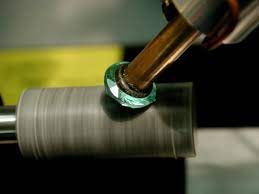
Introduction about Gemstone Processing - Supervisor Faceting and Polishing
Gemstone processing involves the transformation of raw gem materials into finished products that are suitable for use in jewelry, ornaments, and other decorative items. One crucial stage in this intricate process is faceting and polishing, where a Supervisor plays a pivotal role in ensuring the precision and quality of the final gemstones.
The Supervisor Faceting and Polishing oversees a team of skilled artisans who specialize in enhancing the beauty and brilliance of gemstones through meticulous cutting and polishing techniques. Faceting is the art of cutting and shaping a gemstone to maximize its visual appeal by creating precisely positioned facets that interact with light to produce a dazzling display of colors and reflections.
The Supervisor's responsibilities encompass the entire faceting and polishing workflow. This includes inspecting raw gem materials for quality, guiding the team in selecting appropriate cutting styles based on the gemstone's characteristics, and ensuring that each facet is cut to exacting standards. Attention to detail is paramount, as even the slightest miscalculation can significantly impact the gemstone's final appearance.
Additionally, the Supervisor monitors the polishing process, where the gemstone undergoes further refinement to achieve a smooth, reflective surface. Polishing is an art in itself, requiring a delicate balance between pressure, abrasives, and expertise to bring out the gem's inherent beauty without compromising its integrity.
Quality control is a key aspect of the Supervisor's role, involving the inspection of each gemstone at various stages to guarantee that it meets strict standards for symmetry, clarity, and brilliance. They collaborate with gemologists and other experts to ensure that the final product aligns with industry norms and customer expectations.
In essence, the Supervisor Faceting and Polishing serves as the guardian of precision and perfection in gemstone processing. Their expertise and leadership are instrumental in transforming raw gem materials into exquisite, market-ready gems that captivate and inspire.
How can I apply for admission to Gemstone Processing - Supervisor Faceting and Polishing
To apply for admission to a program in Gemstone Processing with a specialization in Supervisor Faceting and Polishing, you can follow these general steps:
Research Programs: Start by researching educational institutions that offer courses or programs related to gemstone processing, lapidary arts, or jewelry manufacturing. Look for programs that specifically include a focus on faceting and polishing techniques.
Check Admission Requirements: Review the admission requirements for the programs you are interested in. Typically, these requirements may include educational background, relevant work experience, and any specific skills or qualifications.
Prepare Necessary Documents: Gather all the required documents for your application. This may include academic transcripts, letters of recommendation, a resume, and a personal statement explaining your interest in gemstone processing and why you want to specialize in faceting and polishing.
Meet Educational Prerequisites: Ensure that you meet the educational prerequisites for the program. Some programs may require a background in gemology, jewelry design, or a related field.
Submit Application: Complete the application form for the program you've chosen. Make sure to provide accurate and detailed information. Some institutions may have an online application process, while others may require a physical application.
Pay Application Fees: Pay any application fees that may be required. Check the program's website or contact the admissions office for information on fees and payment methods.
Interview (if required): Some programs may require an interview as part of the admission process. Prepare for potential interviews by familiarizing yourself with gemstone processing techniques and expressing your passion for the field.
Wait for Admission Decision: After submitting your application, patiently wait for the admission decision. This may take some time, so be sure to check the application deadline and follow up if you haven't received a response within the specified timeframe.
Financial Aid and Scholarships: Explore financial aid options and scholarships that may be available for the program. Many educational institutions offer financial assistance to eligible students.
Acceptance and Enrollment: If you receive an acceptance letter, follow the instructions provided to confirm your enrollment. Pay attention to deadlines for enrollment deposits and any additional paperwork required.
Remember to tailor your application to highlight your interest in gemstone processing, especially in the context of faceting and polishing. Emphasize relevant skills, experiences, and your passion for this specialized field to strengthen your application.
What is the eligibility for Gemstone Processing - Supervisor Faceting and Polishing
The eligibility criteria for a program in Gemstone Processing with a specialization in Supervisor Faceting and Polishing may vary depending on the institution offering the program. However, here are some general eligibility requirements that are commonly associated with such programs:
Educational Background: Typically, applicants are required to have a background in a relevant field such as gemology, jewelry design, lapidary arts, or a related discipline. A bachelor's degree in a related field may be preferred, but some programs may accept applicants with equivalent work experience or relevant certifications.
Work Experience: Some programs may require or prefer applicants with practical experience in gemstone processing, faceting, or polishing. This could be gained through employment in the jewelry industry, lapidary work, or related roles.
Skills and Knowledge: Demonstrated skills and knowledge in gemstone identification, cutting, and polishing are often essential. Familiarity with gemstone characteristics, the use of cutting and polishing equipment, and an understanding of industry standards may be required.
Letters of Recommendation: Applicants may be asked to provide letters of recommendation from professionals or educators who can attest to their skills, work ethic, and suitability for the program.
Statement of Purpose: A written statement of purpose or personal statement expressing the applicant's interest in gemstone processing, specifically in faceting and polishing, is often required. This statement allows applicants to articulate their goals, passion for the field, and how the program aligns with their career objectives.
Interview (if applicable): Some programs may conduct interviews as part of the admissions process. During the interview, applicants may be asked about their background, experiences, and motivation for pursuing a specialization in Supervisor Faceting and Polishing.
Language Proficiency: For programs offered in English or another language, international applicants may need to demonstrate proficiency through standardized language tests such as the TOEFL or IELTS.
How long does it to complete a Gemstone Processing - Supervisor Faceting and Polishing
The duration of a Gemstone Processing - Supervisor Faceting and Polishing program can vary depending on the type of program, the level of study, and the educational institution. Here are some general guidelines:
Certificate Programs: Short-term certificate programs in gemstone processing with a focus on faceting and polishing may take anywhere from a few weeks to a few months to complete. These programs are often designed for individuals seeking specific skills in a relatively short time frame.
Diploma Programs: Diploma programs, which typically offer a more comprehensive curriculum than certificate programs, may take around six months to a year to complete. These programs may cover a broader range of topics related to gemstone processing, including theoretical knowledge and practical skills.
Associate Degrees: Some institutions offer associate degree programs in gemology or related fields, which may include a specialization in faceting and polishing. These programs generally take around two years to complete and provide a more in-depth understanding of gemstone processing.
Bachelor's Degrees: If you pursue a bachelor's degree in gemology, jewelry design, or a related field with a specialization in Supervisor Faceting and Polishing, it typically takes about four years to complete. Bachelor's degree programs offer a well-rounded education, including general education requirements and a more extensive study of gemstone-related topics.
Master's Degrees: Master's degree programs in gemology or a related field are less common but may be available. These programs usually take an additional one to two years beyond a bachelor's degree.
Ph.D. Programs: Doctoral programs in gemology are rare, and completion times can vary. Doctoral programs often involve extensive research and may take several years to complete.
It's important to note that the above estimates are generalizations, and the actual duration of a program can vary based on factors such as the specific curriculum, the institution's academic calendar, and whether the program is pursued on a full-time or part-time basis. Prospective students should check the program details provided by the specific institution offering the Gemstone Processing - Supervisor Faceting and Polishing program for accurate and detailed information on program duration.
What are potential career opportunities after Gemstone Processing - Supervisor Faceting and Polishing
Completing a program in Gemstone Processing with a specialization in Supervisor Faceting and Polishing can open up various career opportunities in the gem and jewelry industry. Here are some potential career paths:
Gemstone Supervisor: Graduates may pursue roles as supervisors in gemstone processing facilities, overseeing the cutting and polishing of gemstones. This position involves managing a team of skilled artisans, ensuring quality control, and optimizing the production process.
Faceting and Polishing Specialist: Graduates may work as specialists in faceting and polishing, focusing on the precision cutting and finishing of gemstones. They may be employed by jewelry manufacturers, gemstone dealers, or custom jewelry design firms.
Lapidary Artist: Some individuals choose to become lapidary artists, creating unique and intricate gemstone designs through faceting and polishing techniques. They may sell their work independently or collaborate with jewelry designers.
Quality Control Manager: With expertise in gemstone processing, graduates can pursue roles in quality control, ensuring that gemstones meet industry standards for clarity, symmetry, and brilliance. This may involve working for gemstone dealers, jewelry manufacturers, or certification organizations.
Gemstone Appraiser: Graduates may choose to specialize in gemstone appraisal, assessing the quality and value of gemstones. This role is essential in the buying and selling of gemstones and jewelry, and it often involves knowledge of gemstone processing techniques.
Gemstone Educator or Consultant: Some individuals with expertise in gemstone processing become educators or consultants, sharing their knowledge with others. This could involve teaching in educational institutions, conducting workshops, or providing expertise to jewelry businesses.
Jewelry Designer: Knowledge of gemstone processing, especially in faceting and polishing, can be valuable for individuals interested in designing jewelry. Graduates may work as jewelry designers, creating pieces that showcase the beauty of carefully processed gemstones.
Gemstone Buyer or Merchandiser: Those with a background in gemstone processing may find opportunities in purchasing and merchandising roles. This involves selecting gemstones for sale, negotiating with suppliers, and ensuring the inventory meets market demands.
Entrepreneur in the Jewelry Industry: Graduates may choose to start their own businesses in the gem and jewelry industry. This could involve establishing a boutique jewelry store, an online jewelry platform, or a custom jewelry design business.
Research and Development in Gemology: Some individuals may opt for careers in research and development within the field of gemology, exploring new cutting and polishing techniques, and contributing to advancements in gemstone processing technology.
These are just a few examples, and the gem and jewelry industry offers a diverse range of career opportunities for individuals with expertise in gemstone processing, faceting, and polishing. The specific career path chosen may depend on individual interests, skills, and goals.
Syllabus of Gemstone Processing - Supervisor Faceting and Polishing
The specific syllabus for a Gemstone Processing - Supervisor Faceting and Polishing program can vary between educational institutions. However, I can provide a generalized semester-wise breakdown of topics that may be covered in such a program:
Semester 1: Introduction to Gemology and Gemstone Identification
Introduction to Gemology
Physical and Optical Properties of Gemstones
Gemstone Classification and Grading
Gemstone Identification Techniques
Introduction to Gemstone Processing
Semester 2: Fundamentals of Lapidary Arts and Gemstone Cutting
Lapidary Equipment and Tools
Basic Gemstone Cutting Techniques
Introduction to Faceting
Gemstone Design and Planning
Gemstone Cutting Lab
Semester 3: Advanced Faceting Techniques
Advanced Faceting Patterns
Precision Faceting and Angles
Custom Gemstone Cutting
Computer-Aided Design (CAD) in Faceting
Gemstone Cutting Practical Applications
Semester 4: Gemstone Polishing and Finishing
Polishing Equipment and Techniques
Polishing Science and Technology
Cabochon Cutting
Specialty Finishing Techniques
Gemstone Polishing Lab
Semester 5: Quality Control and Gemstone Evaluation
Principles of Quality Control in Gemstone Processing
Inspection and Measurement Standards
Grading Systems for Faceted Gemstones
Quality Assurance in Gemstone Polishing
Gemstone Evaluation Lab
Semester 6: Supervisory Skills and Management in Gemstone Processing
Leadership and Management in Gemstone Processing
Team Supervision and Communication
Operational Planning and Efficiency
Ethical and Sustainable Practices in Gemstone Processing
Industry Trends and Market Analysis
Semester 7: Industry Internship or Practical Training
Hands-on Experience in a Gemstone Processing Facility
Real-world Applications of Faceting and Polishing Techniques
Supervisory and Management Experience
Industry Networking and Professional Development
Semester 8: Research Project and Thesis
Research Methodology
Thesis Proposal and Development
Conducting Gemstone Processing Research
Data Analysis and Interpretation
Thesis Defense
Keep in mind that this is a general outline, and the actual syllabus may vary based on the specific program and institution. It's recommended to check with the educational institution offering the program for the most accurate and detailed information on the syllabus.
Internship opportunities after completing Gemstone Processing - Supervisor Faceting and Polishing
After completing a program in Gemstone Processing with a specialization in Supervisor Faceting and Polishing, individuals may have various internship opportunities to gain practical experience in the field. Here are some potential internship opportunities:
Gemstone Processing Facilities: Internships with gemstone processing facilities provide hands-on experience in a real-world production environment. Interns may work alongside experienced professionals, applying their knowledge of faceting and polishing under supervision.
Jewelry Manufacturers: Interning with jewelry manufacturers allows individuals to understand the entire jewelry production process. This experience may involve collaborating with designers, selecting gemstones, and ensuring that the finished jewelry meets quality standards.
Gemstone Dealers and Traders: Internships with gemstone dealers and traders provide insights into the business side of the industry. Interns may assist with gemstone selection, pricing, and market analysis.
Jewelry Retailers: Interning with jewelry retailers allows individuals to gain experience in customer interactions, sales, and marketing. This experience can be valuable for those interested in understanding consumer preferences and trends.
Gemological Laboratories: Internships with gemological laboratories offer exposure to gemstone grading, identification, and quality assessment. Interns may work with gemologists, learning about industry standards and certification processes.
Custom Jewelry Design Studios: Interning with custom jewelry design studios provides an opportunity to work on unique and personalized pieces. Interns may be involved in the design process, gemstone selection, and hands-on creation of custom jewelry.
Museum or Educational Institutions: Some individuals may find internships in museums or educational institutions with gemology departments. This experience can involve research, curation, and educational outreach related to gemstones and lapidary arts.
Gemstone Appraisal Services: Internships with gemstone appraisal services offer experience in assessing the value of gemstones. Interns may learn about market trends, valuation techniques, and documentation practices.
Ethical and Sustainable Practices Organizations: For those interested in ethical and sustainable practices in the gemstone industry, internships with organizations focusing on responsible sourcing and fair trade can be enlightening.
Trade Shows and Exhibitions: Interning at industry trade shows and exhibitions provides exposure to the latest trends, innovations, and networking opportunities. Interns may assist in booth management, customer interactions, and event coordination.
When seeking internship opportunities, individuals should actively network within the industry, attend relevant events, and explore online platforms that connect job seekers with potential employers. Additionally, checking with the career services department of the educational institution or program completed may provide leads on available internship opportunities.
Scholarships and grants for Gemstone Processing - Supervisor Faceting and Polishing
Scholarships and grants for Gemstone Processing - Supervisor Faceting and Polishing may be available through various sources, including educational institutions, industry organizations, and foundations. Here are some potential avenues to explore:
Educational Institutions: Check with the institution offering the Gemstone Processing program, as many universities and technical schools provide scholarships and grants to students pursuing degrees in specialized fields. Contact the financial aid office for information on available opportunities.
Gem and Jewelry Industry Associations: Industry associations, such as the Gemological Institute of America (GIA) or the International Gem Society (IGS), may offer scholarships to students pursuing studies in gemology, lapidary arts, or related fields. Explore their websites or contact them directly for scholarship opportunities.
Gemstone and Jewelry Trade Shows: Some trade shows and exhibitions in the gem and jewelry industry offer scholarships or financial assistance to students interested in pursuing careers in gemstone processing. Attend industry events and inquire about available opportunities.
Nonprofit Organizations: There are nonprofit organizations focused on supporting education and training in the gem and jewelry industry. Explore organizations that promote ethical practices, sustainability, and education, as they may offer scholarships for students in relevant fields.
Government Grants and Scholarships: In some regions, government agencies or departments related to education may offer grants or scholarships to students pursuing specialized courses. Check with government educational bodies or scholarship programs.
Corporate Sponsorships: Some companies in the gem and jewelry industry sponsor educational programs and may provide scholarships to students. Research major companies in the industry and inquire about potential sponsorship opportunities.
Lapidary and Jewelry Making Associations: Local or national associations dedicated to lapidary arts and jewelry making may offer scholarships or grants to students pursuing education in gemstone processing. Explore associations that align with your interests and career goals.
Online Scholarship Platforms: Utilize online scholarship search platforms, such as Fastweb, Scholarship.com, or Chegg, to search for scholarships related to gemology, lapidary arts, or jewelry design.
Professional Organizations: Professional organizations related to gemstone processing and jewelry making may provide financial support to students. Look for organizations that focus on lapidary arts, gem cutting, and jewelry craftsmanship.
Community Foundations: Investigate community foundations or philanthropic organizations in your local area that support education and vocational training. They may offer scholarships or grants for individuals pursuing careers in specific trades.
Before applying for scholarships, carefully review the eligibility criteria, application deadlines, and submission requirements. Prepare a compelling application that highlights your passion for gemstone processing and your commitment to the industry. Additionally, explore both local and international opportunities to maximize your chances of securing financial support for your education.
Conclusion
Completing a program in Gemstone Processing with a specialization in Supervisor Faceting and Polishing opens doors to a dynamic and rewarding career in the gem and jewelry industry. Graduates are equipped with the knowledge and skills to oversee the intricate process of transforming raw gem materials into exquisite, market-ready gems. Whether working in gemstone processing facilities, jewelry design studios, or as independent artisans, these professionals play a crucial role in enhancing the beauty and value of gemstones.
FAQ,s
1. What is Gemstone Processing Supervisor Faceting and Polishing?
Gemstone Processing Supervisor Faceting and Polishing is a specialized program that focuses on the precision cutting, shaping, and polishing of gemstones. It equips individuals with the skills to supervise and manage the entire gemstone processing workflow.
2. What career opportunities are available after completing this program?
Graduates can pursue various career paths, including Gemstone Supervisor, Faceting and Polishing Specialist, Lapidary Artist, Gemstone Appraiser, and roles in quality control, education, and research within the gem and jewelry industry.
3. How long does it take to complete the program?
The duration of the program can vary but typically ranges from several weeks for short-term certificates to four years for bachelor's degrees. The specific timeframe depends on the level of study and the institution.
4. Are there internship opportunities after completing the program?
Yes, graduates can explore internship opportunities in gemstone processing facilities, jewelry manufacturers, gemological laboratories, and other industry-related settings to gain practical experience.
5. Are there scholarships available for this program?
Scholarships and grants may be available through educational institutions, industry associations, nonprofit organizations, and corporate sponsorships. Prospective students should research and apply for relevant opportunities.
How Shiksha Hub helps you in
-
 Student Counsellors
 -
 Career Counseling
 -
 Research
 -
 24/7 Support
 -
 Scholarships
 -
 Community