Posted by Admin on 25-07-2023 in Shiksha hub
Gemstone processing-Rough Cutter Introduction, Admission, Registration, Eligibility, Duration, Fees, Syllabus 2024
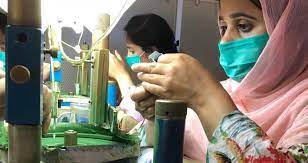
Introduction about Gemstone processing-Rough cutter
Gemstone processing involves several stages, each crucial in transforming raw gemstone material into exquisite, polished gems ready for use in jewelry or other decorative applications. One fundamental stage in this intricate process is rough cutting.
Rough cutting is the initial step where the raw gemstone, often extracted from mines or deposits, is shaped and prepared for further processing. This stage is pivotal because it sets the foundation for the gem's final form and appearance. Skilled artisans known as rough cutters play a key role in this process.
The rough cutter is tasked with assessing the raw gemstone's characteristics, such as color, clarity, and natural features, to determine the best way to shape it. This involves using various tools and techniques to remove excess material and create a preliminary shape that aligns with the gem's natural attributes. The goal is to unveil the gem's inherent beauty while minimizing waste.
Precision is crucial in rough cutting, as it significantly influences the final value and appeal of the gemstone. The rough cutter must strike a balance between preserving the maximum carat weight of the gem and achieving the optimal combination of shape and clarity. This requires both technical expertise and an artistic eye.
In addition to traditional methods, modern technology has been integrated into the rough cutting process. Advanced cutting machines, guided by computer-aided design (CAD) software, enhance efficiency and accuracy, ensuring that the gem is cut with precision.
Once the rough cutting stage is complete, the gemstone moves on to subsequent processing steps, including shaping, faceting, and polishing, to refine its appearance further. Each stage in gemstone processing is a meticulous craft, and the expertise of rough cutters is essential in bringing out the inherent beauty of these precious stones.
How can I apply for admission to Gemstone processing-Rough cutter
To pursue a career in gemstone processing as a rough cutter, you typically need to follow a series of steps, including education, training, and possibly obtaining relevant certifications. Here's a general guide on how you can apply for admission to become a rough cutter in gemstone processing:
Research Educational Requirements:
Look into educational programs related to gemology, lapidary arts, or jewelry making. Some institutions offer specialized courses or degrees in gemstone processing.
Check if there are specific schools or training centers known for their expertise in gemstone cutting and processing.
Choose a Reputable Institution:
Select an accredited institution that offers courses or programs relevant to gemstone processing. Consider factors such as faculty expertise, available resources, and industry connections.
Review Admission Requirements:
Understand the admission criteria for the chosen institution. This may include academic qualifications, application forms, letters of recommendation, and possibly a portfolio showcasing any relevant skills or experiences.
Complete Application Process:
Submit the required application materials by the specified deadline. This may include transcripts, letters of intent, and any additional documents requested by the institution.
Financial Aid and Scholarships:
Explore available financial aid options or scholarships that may help support your education. Some institutions or industry organizations offer financial assistance to aspiring gemstone professionals.
Attend Interviews or Auditions:
Some programs may require interviews or practical demonstrations of your skills. Be prepared to showcase your interest in gemstone processing and your dedication to becoming a rough cutter.
Enroll in the Program:
Once accepted, complete the enrollment process and familiarize yourself with the curriculum. Take advantage of any orientation sessions or resources provided by the institution.
Hands-On Training:
During your education, seek opportunities for hands-on training and practical experience. This could involve working with gemstone cutting equipment, learning about different types of gemstones, and understanding the characteristics that impact the cutting process.
Networking and Internships:
Build connections within the industry by attending events, workshops, and seeking internships. Networking can provide valuable insights and potential job opportunities after completing your education.
Certifications (if applicable):
Depending on your location or career goals, consider obtaining any certifications that may enhance your credibility as a rough cutter in the gemstone processing industry.
Remember to tailor these steps based on the specific requirements of the institutions or programs you are interested in. It's essential to stay passionate about the craft and continuously seek opportunities for skill development and industry exposure.
What is the eligibility for Gemstone processing-Rough cutter
The eligibility criteria for becoming a gemstone processing rough cutter can vary depending on the specific educational or training program you are considering. However, here are some general factors that may be considered:
Educational Background:
Many institutions offering courses in gemstone processing or lapidary arts may have minimum educational requirements, such as a high school diploma or equivalent. Some programs may require a background in a related field, such as jewelry making, gemology, or geology.
Skill and Aptitude:
Gemstone processing, especially rough cutting, requires a combination of technical skills and artistic aptitude. Programs may assess your ability to work with tools, your attention to detail, and your understanding of the properties of different gemstones.
Previous Experience:
While not always mandatory, having prior experience in jewelry making, lapidary work, or a related field can be advantageous. Some programs may consider your practical experience or portfolio when evaluating your application.
Admission Tests or Interviews:
Certain institutions may require applicants to undergo admission tests to assess their knowledge of gemstones, basic math skills, and aptitude for the craft. Interviews or practical demonstrations of your skills may also be part of the admission process.
Letters of Recommendation:
Some programs may request letters of recommendation from educators, employers, or professionals in the field who can vouch for your suitability and potential as a gemstone rough cutter.
Portfolio (if applicable):
If you have prior experience or have worked on gemstone-related projects, submitting a portfolio showcasing your work may strengthen your application.
Age Requirements:
Certain programs may have age restrictions or specific guidelines regarding the age of applicants. Make sure to check if there are any age-related eligibility criteria.
Language Proficiency:
Depending on the language of instruction, you may need to demonstrate proficiency in the language to ensure you can fully engage with the coursework.
Passion for the Craft:
A genuine interest in gemstone processing and a passion for working with gemstones are often considered positive attributes. Communicating your enthusiasm for the field in your application may be beneficial.
How long does it to complete a Gemstone processing-Rough cutter
The duration to complete a program in gemstone processing, with a focus on rough cutting, can vary depending on the type of education or training you pursue. The length of the program is influenced by factors such as the level of the course, the intensity of the curriculum, and whether it's a full-time or part-time program. Here are some general guidelines:
Short Courses or Workshops:
Some institutions and training centers offer short courses or workshops that focus specifically on gemstone processing, including rough cutting. These programs may last anywhere from a few days to a few weeks.
Certificate Programs:
Certificate programs in gemstone processing and cutting may typically take several months to a year to complete. These programs often provide a comprehensive overview of gemstone processing techniques, including rough cutting.
Diploma Programs:
Diploma programs in gemology or lapidary arts, which encompass various aspects of gemstone processing, may take one to two years to complete. These programs often go into greater depth and include hands-on training.
Degree Programs:
If you pursue a degree in gemology, jewelry design, or a related field, the duration can range from two to four years for an associate's or bachelor's degree, respectively. These programs provide a broader education with a focus on gemstone processing.
Apprenticeships:
Some individuals learn gemstone processing, including rough cutting, through apprenticeships or on-the-job training. The duration of an apprenticeship can vary, but it often involves a period of hands-on learning under the guidance of an experienced professional.
Keep in mind that ongoing learning and skill development are crucial in the field of gemstone processing, and many professionals continue to refine their skills throughout their careers.
What are potential career opportunities after Gemstone processing-Rough cutter
Becoming a gemstone processing rough cutter can open up various career opportunities within the gem and jewelry industry. Here are some potential career paths you could consider after gaining expertise in gemstone processing, specifically rough cutting:
Gemstone Cutter or Lapidary Artist:
Work as a gemstone cutter, where you can specialize in shaping and cutting rough gemstones into polished, faceted gems. Lapidary artists often create unique and intricate designs, contributing to the aesthetic value of the finished gem.
Gemstone Appraiser:
Develop skills in gemstone appraisal to assess the quality, value, and authenticity of gemstones. This role is crucial in determining the market value of gemstones and can lead to a career in appraisal for gem dealers, auction houses, or independent appraiser firms.
Jewelry Designer:
Combine your knowledge of gemstone processing with creativity to become a jewelry designer. Designers conceptualize and create unique jewelry pieces, incorporating gemstones into various settings and styles.
Gemstone Dealer or Trader:
Enter the world of gemstone trading by working as a dealer. This role involves buying and selling gemstones, either independently or within a company. A strong understanding of gemstone quality and market trends is essential for success in this field.
Gemstone Quality Control Specialist:
Ensure the quality of gemstones by working in quality control. This role may involve examining gemstones for flaws, assessing cuts, and verifying adherence to industry standards before they are released to the market.
Gemstone Manufacturing Supervisor or Manager:
Progress into a supervisory or managerial role within a gemstone processing or manufacturing facility. Oversee the production process, manage a team of cutters, and ensure the efficient and quality processing of gemstones.
Gemstone Educator or Trainer:
Share your knowledge and expertise by becoming an educator or trainer in gemstone processing. This could involve teaching at educational institutions, conducting workshops, or providing training within the industry.
Gemstone Researcher:
Pursue a career in gemstone research, contributing to advancements in gemology. Researchers may work with laboratories, academic institutions, or industry organizations to explore new techniques, treatments, and discoveries in the field.
Independent Business Owner:
Start your own business as an independent gemstone processor or retailer. This path allows you to control your operations and specialize in a niche market or particular type of gemstone.
Gemstone Consultant:
Offer your expertise as a consultant to individuals or companies seeking guidance on gemstone processing, cutting, and quality assessment.
The gem and jewelry industry offers diverse career paths, and your skills as a rough cutter can lead to exciting opportunities based on your interests and career goals. Continuous learning and staying updated on industry trends are essential for long-term success in this field.
Syllabus of Gemstone processing-Rough cutter
Creating a detailed semester-wise syllabus for gemstone processing, specifically for rough cutting, would depend on the specific curriculum of the educational institution offering the program. However, I can provide a general outline that institutions might follow. Keep in mind that the actual syllabus can vary, and it's advisable to check with the specific institution for the most accurate and up-to-date information.
Semester 1: Introduction to Gemstone Processing
Course 1: Introduction to Gemology
Basic principles of gemology, including crystallography, mineral identification, and gemstone properties.
Course 2: Introduction to Lapidary Arts
Overview of lapidary arts, including cutting techniques, tools, and safety procedures.
Course 3: Gemstone Formation and Mining
Understanding how gemstones are formed in nature, mining processes, and the extraction of rough gem material.
Course 4: Gemstone Identification
Techniques for identifying different gemstone varieties, using tools such as microscopes and refractometers.
Semester 2: Basic Rough Cutting Techniques
Course 5: Rough Gemstone Assessment
Evaluation of rough gemstones based on color, clarity, and natural features.
Course 6: Basic Rough Cutting Techniques
Introduction to basic cutting techniques for shaping and preparing rough gemstones.
Course 7: Introduction to Faceting
Basics of faceting, including angles, meets, and polishing techniques.
Course 8: Gemstone Photography
Techniques for documenting and capturing the beauty of rough and cut gemstones.
Semester 3: Advanced Rough Cutting Techniques
Course 9: Advanced Rough Cutting Techniques
Advanced methods for maximizing yield and enhancing the brilliance of gemstones.
Course 10: Advanced Faceting
In-depth study of faceting techniques, including complex cuts and design considerations.
Course 11: Gemstone Clarity Enhancement
Understanding and identifying common clarity enhancements, such as heat treatment or filling.
Course 12: Computer-Aided Design (CAD) for Gem Cutting
Introduction to CAD software for designing gemstone cuts and shapes.
Semester 4: Practical Application and Specialization
Course 13: Gemstone Cutting Workshop
Hands-on workshop for practical application of cutting techniques under supervision.
Course 14: Specialization Elective 1
Choose a specialization based on interests (e.g., specific gemstone types, historical cuts).
Course 15: Gemstone Business and Ethics
Introduction to the business side of gemstone processing, including ethical considerations.
Course 16: Industry Internship/Project
Gain practical experience through an internship or project in collaboration with industry partners.
Please note that this is a broad overview, and institutions may have additional courses, electives, or variations in the curriculum. Additionally, the syllabus may evolve to incorporate new technologies and industry trends. It's recommended to review the specific syllabus of the institution you are interested in for the most accurate information.
Internship opportunities after completing Gemstone processing-Rough cutter
After completing a program in gemstone processing with a focus on rough cutting, there are several potential internship opportunities that can provide valuable hands-on experience in the field. Here are some internship options to consider:
Gemstone Manufacturing Facilities:
Internships with gemstone manufacturing companies or lapidary workshops can offer practical experience in rough cutting. This involves working alongside experienced rough cutters, using various tools and equipment to shape and prepare gemstones.
Jewelry Design Studios:
Interning with jewelry design studios allows you to collaborate with designers and understand how rough-cut gemstones are integrated into jewelry pieces. This experience provides insights into the creative aspects of the industry.
Gemstone Trading Companies:
Internships with gemstone trading companies provide exposure to the business side of the industry. You may be involved in tasks such as assessing the quality of rough gemstones, understanding market trends, and participating in transactions.
Gemstone Appraisal Services:
Interning with gemstone appraisal services allows you to learn how to assess the value of gemstones based on various factors. This experience is valuable for developing skills in gemstone quality evaluation.
Gemological Laboratories:
Internships with gemological laboratories offer the opportunity to work with experts in gemstone identification, quality analysis, and certification. This experience enhances your understanding of gemstone characteristics.
Museum or Educational Institutions:
Some museums or educational institutions with gemology departments may offer internships. This provides exposure to research, curation, and educational outreach related to gemstones.
Specialized Gemstone Workshops:
Participating in workshops organized by industry experts or institutions focusing on specific aspects of gemstone processing can provide intensive and targeted hands-on experience.
Gemstone Exploration Companies:
Interning with companies involved in gemstone exploration allows you to understand the early stages of the supply chain, including the extraction of rough gem material from mines.
Online Platforms or Marketplaces:
Some online platforms or marketplaces specializing in gemstones may offer internship opportunities. This could involve tasks related to digital marketing, online sales, or quality assurance.
Trade Shows and Events:
Internships associated with gem and jewelry trade shows or events provide exposure to industry networking, product showcasing, and market dynamics.
When seeking internship opportunities, consider reaching out to local gemstone businesses, industry associations, and educational institutions with strong ties to the gem and jewelry sector. Networking at industry events and staying informed about internship openings can also be beneficial. An internship not only enhances your practical skills but also provides exposure to various aspects of the gemstone industry, helping you make informed decisions about your future career path.
Scholarships and grants for Gemstone processing-Rough cutter
As of my last knowledge update in January 2022, specific scholarships or grants exclusively for gemstone processing or rough cutting may be limited. However, individuals interested in pursuing education or training in gemstone processing can explore broader scholarship opportunities in fields such as gemology, jewelry design, lapidary arts, or related areas. Additionally, there might be grants or financial aid programs that support students in these fields. Keep in mind that scholarship availability can change, so it's advisable to check with relevant institutions, organizations, and scholarship providers for the latest information. Here are some general avenues to explore:
Gemology Institutes and Associations:
Organizations dedicated to gemology, such as the Gemological Institute of America (GIA), may offer scholarships for students pursuing gem-related studies, including those focused on gemstone processing.
Jewelry Design Schools:
Schools or institutions that offer programs in jewelry design, gemology, or lapidary arts may have scholarship opportunities for students specializing in gemstone processing.
Industry Associations:
Explore scholarships offered by industry associations related to gemstones, jewelry, and lapidary arts. These associations may support students pursuing education in various aspects of the industry.
Educational Institutions:
Check with the specific educational institution where you plan to enroll for gemstone processing courses. Many universities, colleges, and vocational schools offer general scholarships or financial aid programs that could support your studies.
Government Grants and Aid:
In some regions, there might be government grants, scholarships, or financial aid programs for individuals pursuing education in fields related to gemstone processing.
Private Foundations and Trusts:
Some private foundations and trusts may provide scholarships or grants for students in gem-related fields. Research organizations that support education and training in gemology and lapidary arts.
Industry Events and Competitions:
Attend industry events, conferences, or competitions related to gemstones and jewelry. Some of these events may offer scholarships or awards to promising individuals in the field.
Online Platforms and Websites:
Explore online platforms and websites that connect students with scholarship opportunities. Websites like Fastweb, Chegg, and Scholarship.com often list scholarships available in various fields, including gemology.
Corporate Sponsorships:
Some companies in the gem and jewelry industry may offer sponsorships or scholarships to students pursuing education in gemstone processing.
When searching for scholarships, consider your specific area of interest within gemstone processing, such as rough cutting, and tailor your search accordingly. Additionally, be sure to check the eligibility criteria, application deadlines, and required documentation for each scholarship opportunity. It's advisable to contact the relevant scholarship providers directly for the most accurate and up-to-date information.
Conclusion
Embarking on a career in gemstone processing, with a focus on rough cutting, opens doors to a fascinating world where craftsmanship, precision, and artistic flair converge. From shaping raw gemstones to unveiling their inherent beauty, rough cutters play a crucial role in the creation of exquisite gems for jewelry and decorative applications. The journey involves education, hands-on training, and continuous skill refinement, offering diverse career opportunities within the gem and jewelry industry.
FAQ,s
Q1: What is gemstone processing, and what does a rough cutter do?
Gemstone processing involves transforming raw gem material into polished, finished gems. A rough cutter is a skilled artisan who shapes and prepares raw gemstones for further processing, balancing technical expertise with artistic vision.
Q2: How can I become a rough cutter in gemstone processing?
To become a rough cutter, pursue relevant education or training programs in gemology, lapidary arts, or jewelry making. Apply to institutions offering such programs, complete hands-on training, and consider internships to gain practical experience.
Q3: What career opportunities are available after gemstone processing as a rough cutter?
Career paths include gemstone cutter, jewelry designer, appraiser, gemstone dealer, quality control specialist, educator, and more. Opportunities exist in manufacturing, trading, design, and research within the gem and jewelry industry.
Q4: What is the typical duration of a gemstone processing program with a focus on rough cutting?
The duration varies but can range from short courses or workshops lasting a few days to diploma or degree programs taking one to four years, depending on the level and intensity of the curriculum.
How Shiksha Hub helps you in
-
 Student Counsellors
 -
 Career Counseling
 -
 Research
 -
 24/7 Support
 -
 Scholarships
 -
 Community