Posted by Admin on 24-07-2023 in Shiksha hub
Heritage Tourist guide Introduction, Admission, Registration, Eligibility, Duration, Fees, Syllabus 2024
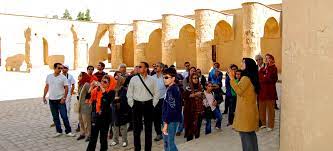
Introduction about Heritage Tourist guide
A Heritage Tourist Guide is an expert in showcasing and narrating the historical, cultural, and architectural significance of various sites, landmarks, and attractions within a particular region or country. They possess an in-depth knowledge of the history, traditions, customs, and stories behind these places, enabling them to provide insightful and engaging tours for tourists and visitors.
These guides play a pivotal role in preserving and promoting the heritage of a location by offering guided tours that delve into the rich past of monuments, historical sites, museums, and other culturally significant areas. They often possess specialized knowledge about specific periods, events, or cultural aspects, allowing them to offer a comprehensive understanding of the heritage sites they present.
Heritage Tourist Guides aim to create immersive and informative experiences for travelers, providing context and enriching narratives that bring historical sites to life. Their expertise lies not only in factual information but also in storytelling, making the tours engaging and memorable for tourists seeking a deeper understanding of the places they visit.
Furthermore, these guides are skilled communicators, fluent in multiple languages, and adept at tailoring their presentations to suit the interests and preferences of diverse audiences. Their passion for history and culture combined with their ability to convey information in an engaging manner makes them invaluable assets in promoting and conserving the world's heritage sites for present and future generations of travelers to explore and appreciate.
How can I apply for admission to Heritage Tourist guide
Becoming a Heritage Tourist Guide involves specific steps and qualifications, which can vary depending on the region or country where you intend to work. Here are general guidelines on how to pursue admission or certification as a Heritage Tourist Guide:
Research Requirements: Look into the specific requirements and qualifications needed to become a Heritage Tourist Guide in your desired location. Different places might have varying prerequisites, such as education, language proficiency, or specific training programs.
Education and Training: Consider obtaining relevant education or training in fields such as history, art history, archaeology, cultural studies, or tourism. Some regions may require completion of specific courses or degrees related to guiding or heritage interpretation.
Language Skills: Fluency in multiple languages is often beneficial or even necessary for Heritage Tourist Guides, especially in areas that attract international tourists. Enhance your language proficiency, as it can significantly boost your chances of admission.
Certification Programs: Look for accredited certification programs or courses specifically designed for aspiring tourist guides. These programs often cover various aspects such as local history, interpretation skills, guiding techniques, and customer service.
Gain Experience: Seek opportunities to gain practical experience in the tourism or guiding industry. Volunteering at museums, historical sites, or tourist information centers can provide valuable hands-on experience and insights into the field.
Apply for Admission or Certification: Once you've met the necessary qualifications and requirements, apply for admission to recognized guide associations, institutions, or certification bodies in your area. They may require exams, assessments, or interviews to evaluate your knowledge, skills, and suitability as a guide.
Continuing Education: The field of tourism and heritage is continually evolving. Consider pursuing continuous learning opportunities, attending workshops, or acquiring additional certifications to stay updated with new trends, information, and best practices in guiding.
Networking: Engage with other guides, tourism professionals, and organizations within the industry. Networking can provide valuable insights, mentorship, and potential job opportunities as a Heritage Tourist Guide.
Remember, the specific steps and requirements may vary widely based on the location or country where you wish to work as a Heritage Tourist Guide. It's essential to research and follow the guidelines set by the relevant authorities or associations in that particular region.
What is the eligibility for Heritage Tourist guide
The eligibility criteria for becoming a Heritage Tourist Guide can vary depending on the region, country, or specific tour guide association's requirements. However, some general eligibility criteria often apply:
Educational Background: A minimum educational requirement might exist, such as a high school diploma or equivalent. In some cases, possessing a bachelor's degree or higher in fields like history, archaeology, art history, cultural studies, or tourism-related studies can be advantageous.
Language Proficiency: Proficiency in the local language and sometimes additional languages is typically required, especially in areas that attract tourists from different countries. Fluency in multiple languages can significantly enhance your eligibility.
Knowledge and Skills: A deep understanding of local history, culture, heritage, and significant landmarks is essential. Guides should possess strong communication skills, storytelling abilities, and the capacity to engage and interact with diverse audiences.
Certification or Licensing: Many regions or countries require guides to obtain certification or licenses from authorized bodies or associations. This certification process often involves examinations, assessments, or training programs to ensure guides meet specific standards and competencies.
Customer Service Skills: Guides must have excellent interpersonal skills and a customer-centric approach to provide enjoyable and informative experiences for tourists.
Physical Fitness and Stamina: Being a guide often involves leading tours that may require walking or being on your feet for extended periods, so a reasonable level of physical fitness and stamina is beneficial.
Local Regulations: Familiarity with local regulations, guidelines, and codes of conduct for guides is crucial. This includes understanding safety protocols, historical accuracy, and ethical responsibilities.
Continuing Education: Some regions may require guides to participate in ongoing professional development or continuing education to maintain their certification or license.
How long does it takes to complete a Heritage Tourist guide
The time it takes to become a certified Heritage Tourist Guide can vary widely depending on several factors, including the specific requirements of the region or country, the individual's prior education and experience, and the certification or training programs available. Here are some general aspects that can impact the duration:
Certification Programs: Some regions offer specific training programs or courses designed for aspiring guides. These programs can range from a few weeks to several months, providing comprehensive training on local history, guiding techniques, communication skills, and customer service.
Educational Background: If an individual already possesses a relevant educational background in fields such as history, art history, cultural studies, or tourism, it might shorten the duration required for additional training or certification.
Language Proficiency: Developing or enhancing language skills, especially in multiple languages, can take time. Depending on the individual's starting point and the complexity of the languages, it may take several months or years to achieve fluency.
Practical Experience: Gaining practical experience by volunteering or working in the tourism industry, museums, or historical sites can complement formal training. However, the duration to accumulate sufficient experience can vary based on opportunities available and an individual's commitment.
Certification Process: The process of obtaining certification or a license as a Heritage Tourist Guide often involves examinations, assessments, and meeting specific criteria set by governing bodies or associations. This process itself can take some time, depending on the schedule of exams and the review process.
Considering these factors, becoming a certified Heritage Tourist Guide might take anywhere from several months to a few years. It's important for individuals interested in pursuing this career to research the specific requirements and training programs available in their desired location to have a clearer understanding of the time frame needed to complete the necessary steps for certification.
What are potential career opportunities after Heritage Tourist guide
After working as a Heritage Tourist Guide, individuals may explore various career opportunities within the broader tourism, hospitality, education, or cultural sectors. Some potential career paths include:
Tourism Management: Transitioning into roles such as tour operations manager, tourism consultant, or travel agency manager. This involves overseeing tour itineraries, managing tourist operations, or planning travel experiences for clients.
Museum or Cultural Institution Curator: Curatorial roles involve preserving and managing collections within museums or cultural institutions, curating exhibitions, and conducting research on historical artifacts or artworks.
Education and Training: Moving into educational roles, such as becoming an educator at museums, historical sites, or universities, teaching about heritage, history, or cultural studies. This could involve developing educational programs or conducting workshops.
Heritage Conservation and Management: Working in roles related to heritage preservation, conservation, or site management for government agencies, heritage organizations, or non-profit entities dedicated to preserving cultural sites.
Specialized Guiding: Progressing to specialized guiding in niche areas like eco-tourism, adventure tourism, culinary tourism, or specific cultural or historical themes. This could involve becoming an expert guide in a particular region or aspect of heritage.
Freelance or Entrepreneurship: Starting a freelance guiding business, offering specialized tours, or developing unique experiences for tourists. This could involve creating personalized travel itineraries or thematic tours.
Cultural Event Management: Getting involved in organizing cultural events, festivals, or heritage-related programs that promote local traditions, arts, and history.
Travel Writing or Journalism: Transitioning into travel writing, blogging, or journalism focusing on heritage, culture, and historical sites. This could involve contributing articles to travel magazines, websites, or newspapers.
Heritage Interpretation Consultant: Working as a consultant to advise on heritage interpretation strategies, developing interpretive materials, or providing expertise on presenting historical or cultural information to the public.
Hospitality Industry: Opportunities may exist in the hospitality sector, such as guest relations, cultural liaison, or heritage-themed hotel experiences, where knowledge of heritage and culture is valued for guest engagement.
These career pathways allow individuals with a background as Heritage Tourist Guides to diversify their expertise, apply their knowledge in different capacities, and explore various aspects of the tourism and cultural sectors. Continuing education, networking, and gaining additional skills may facilitate transitions into these alternative career options.
Syllabus of Heritage Tourist guide
While there isn’t a standardized syllabus for becoming a Heritage Tourist Guide across all regions or countries, a semester-wise breakdown of a hypothetical syllabus might include:
Semester 1: Introduction to Heritage Tourism and Cultural Studies
Introduction to tourism and its relation to heritage
Basics of cultural studies and their significance in guiding
Overview of local history, heritage sites, and landmarks
Communication skills and techniques for tour guiding
Customer service and hospitality in the tourism industry
Semester 2: Historical Context and Site-Specific Knowledge
In-depth study of specific historical periods or eras relevant to the region
Detailed knowledge about significant heritage sites, monuments, and landmarks
Cultural and religious significance of specific sites
Local traditions, customs, and folklore
Techniques for storytelling and engaging narration during tours
Semester 3: Interpretation and Guiding Techniques
Heritage interpretation methods and strategies
Techniques for effective guided tours and presentations
Practical training in conducting guided tours at designated sites
Group management and communication skills for diverse audiences
Ethical considerations and responsibilities of a tour guide
Semester 4: Language Proficiency and Practical Experience
Language proficiency development (if applicable)
Practical training and internship opportunities with experienced guides or tourism agencies
Guided practice tours with feedback and evaluation
Specialization in specific types of heritage tours (e.g., cultural, archaeological, architectural)
Understanding local regulations and laws related to guiding
Semester 5: Advanced Topics and Certification Preparation
Advanced studies in niche areas of heritage or cultural tourism
Exam preparation and mock assessments for certification
Professional development workshops (e.g., public speaking, conflict resolution)
Final assessments, exams, or presentations for certification
Internship opportunities after completing Heritage Tourist guide
After completing a course or certification as a Heritage Tourist Guide, there are several potential internship opportunities that can further enhance practical skills and provide hands-on experience in the tourism and heritage industry:
Tourism Agencies or Tour Operators: Interning with a tour operator or travel agency specializing in heritage tours can offer valuable experience in organizing and conducting guided tours. This includes learning about itinerary planning, customer interaction, and on-site guiding.
Museums and Cultural Institutions: Interning at museums, historic sites, or cultural institutions allows exposure to curatorial work, exhibit planning, educational programs, and interpretation strategies. This experience can deepen understanding of artifacts, historical narratives, and visitor engagement.
Heritage Conservation Organizations: Internships with organizations dedicated to heritage conservation and preservation provide insight into the management and protection of cultural sites, including restoration projects, documentation, and community involvement in heritage preservation efforts.
Government Tourism Departments: Some government tourism departments offer internships focusing on tourism promotion, policy-making, or cultural heritage development. These internships can provide exposure to the administrative side of tourism management.
Educational Programs and Universities: Interning with educational programs or universities involved in heritage studies, cultural tourism, or related fields can offer opportunities to assist in research, curriculum development, or educational outreach programs.
Event Management Companies: Interning with event management companies specializing in cultural events, heritage festivals, or historical reenactments can provide experience in organizing and executing heritage-themed events.
Hospitality Industry: Internships within hotels or resorts that emphasize cultural or heritage-themed experiences can offer exposure to guest relations, cultural programming, and the integration of heritage elements into hospitality services.
Non-Profit Organizations: Interning with non-profit organizations focused on community development, cultural exchange, or heritage awareness can provide a broader perspective on the social and cultural aspects of heritage tourism.
These internship opportunities allow newly certified Heritage Tourist Guides to gain practical experience, expand their network within the industry, and apply their knowledge in real-world settings. Internships can also be instrumental in clarifying specific interests within the broader field of heritage tourism and guiding future career choices.
Scholarships and grants for Heritage Tourist guide
Scholarships and grants for individuals pursuing careers as Heritage Tourist Guides might be available from various sources, including educational institutions, governmental bodies, non-profit organizations, and private foundations. While specific scholarships tailored explicitly for this field may vary in availability, here are some potential avenues to explore for financial support:
Educational Institutions: Universities or colleges offering programs related to tourism, cultural studies, or heritage preservation might provide scholarships or financial aid to students pursuing studies relevant to becoming a Heritage Tourist Guide.
Government Grants: Government agencies responsible for tourism or cultural heritage may offer grants, especially for programs aimed at training or certifying tourist guides. These grants could support educational expenses or training courses.
Tourism Organizations: Professional associations or organizations within the tourism industry might have scholarship programs to support individuals interested in becoming guides. They often aim to promote excellence in guiding and professional development.
Cultural Foundations: Non-profit organizations or foundations dedicated to preserving cultural heritage might offer grants or scholarships to individuals committed to promoting and safeguarding heritage through guiding.
International Programs: Some international organizations or foundations that focus on cultural exchange, heritage preservation, or tourism development might offer scholarships or grants for individuals pursuing careers as heritage guides, especially in regions needing support for heritage conservation.
Corporate Sponsorships: Companies or corporations involved in the tourism sector might sponsor individuals studying to become Heritage Tourist Guides as part of their corporate social responsibility initiatives.
Online Platforms and Resources: There are online platforms and databases dedicated to scholarship listings and grants for various fields, including tourism and cultural studies. Websites like Scholarships.com, Fastweb, or specific tourism-related scholarship search engines can be useful resources.
When searching for scholarships and grants, it's essential to thoroughly research eligibility criteria, application deadlines, and required documentation. Contacting educational institutions, tourism associations, or cultural heritage organizations directly can also provide updated information about available funding opportunities tailored to becoming a Heritage Tourist Guide.
Conclusion
Becoming a Heritage Tourist Guide involves a deep passion for history, culture, and storytelling. This profession offers the opportunity to share the richness of cultural heritage with visitors from around the world. From studying local history to mastering guiding techniques, the journey to becoming a certified guide is rewarding. With diverse career paths, including tourism management, cultural preservation, or specialized guiding, Heritage Tourist Guides play a vital role in conserving and promoting our world's heritage.
FAQs
What is a Heritage Tourist Guide?
A Heritage Tourist Guide is an expert who leads guided tours, providing insights into historical, cultural, and significant heritage sites. They offer detailed information, stories, and context to enrich visitors' experiences.
How do I become a Heritage Tourist Guide?
The path to becoming a guide often involves completing specific training programs, acquiring knowledge in history and culture, obtaining certifications, and gaining practical experience in guiding.
What qualifications are required to become a Heritage Tourist Guide?
Qualifications can vary, but generally include a strong knowledge of local history, cultural heritage, communication skills, language proficiency (where applicable), and completion of relevant training or certification programs.
How long does it take to become a certified Heritage Tourist Guide?
The duration can vary based on the training programs and individual progress. It may take from several months to a few years to complete the necessary education, training, and certification to become a certified guide.
What are the career prospects after becoming a certified Heritage Tourist Guide?
Career opportunities include working as a tour manager, museum curator, cultural event organizer, or specializing in various aspects of heritage tourism. Additionally, there are opportunities in education, hospitality, and tourism management.
Are there internship opportunities available for aspiring Heritage Tourist Guides?
Yes, there are internship opportunities with tourism agencies, museums, cultural institutions, and heritage conservation organizations that provide practical experience and enhance guiding skills.
Where can I find scholarships or grants for studying to become a Heritage Tourist Guide?
Scholarships and grants may be available from educational institutions, government bodies, tourism organizations, and cultural foundations. Researching specific programs and associations in the field of heritage or tourism can provide information about available financial support.
How Shiksha Hub helps you in
-
 Student Counsellors
 -
 Career Counseling
 -
 Research
 -
 24/7 Support
 -
 Scholarships
 -
 Community