Posted by Admin on 24-07-2023 in Shiksha hub
ICU Technician Introduction, Admission, Registration, Eligibility, Duration, Fees, Syllabus 2024
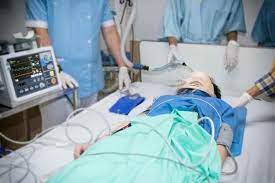
Introduction about ICU Technician
An Intensive Care Unit (ICU) Technician plays a crucial role in the healthcare system, providing essential support in the critical care environment. Also known as ICU technologists or critical care technicians, these professionals work alongside medical teams to ensure the proper functioning of advanced medical equipment and assist in the care of critically ill patients.
ICU Technicians are responsible for monitoring and maintaining life support equipment, such as ventilators, cardiac monitors, and infusion pumps. They play a key role in setting up and calibrating these machines, as well as troubleshooting technical issues that may arise during patient care. Additionally, they collaborate with nurses and physicians to implement treatment plans and interventions for patients in critical condition.
In the dynamic and fast-paced ICU setting, these technicians must possess a strong understanding of medical equipment and be adept at responding quickly to emergencies. They are often involved in patient assessments, collecting and recording vital signs, and ensuring that all equipment is functioning optimally. ICU Technicians may also be involved in transporting patients between different departments or facilities, requiring a keen attention to detail and a commitment to patient safety.
Effective communication and teamwork are essential for ICU Technicians, as they work closely with a multidisciplinary healthcare team. They need to keep accurate records, communicate changes in patient status promptly, and collaborate with colleagues to provide the best possible care for critically ill patients.
In summary, ICU Technicians are integral members of the healthcare team in intensive care units, contributing their technical expertise to support the delivery of high-quality care for patients in critical condition. Their role requires a combination of technical proficiency, adaptability, and a compassionate commitment to the well-being of patients in the most challenging medical situations.
How can I apply for admission to ICU Technician
To apply for admission to a program to become an ICU Technician, you typically need to follow these general steps:
Research Programs:
Look for educational institutions, such as community colleges or vocational schools, that offer programs in Critical Care Technology or a related field. Ensure that the program is accredited by the relevant accreditation bodies.
Meet Prerequisites:
Check the admission requirements for the specific program you are interested in. Prerequisites may include a high school diploma or equivalent, completion of certain science courses, or relevant work experience.
Submit Application:
Complete the application form for the ICU Technician program. Be sure to provide accurate and complete information. Some programs may have an online application process.
Provide Transcripts:
Submit your high school transcripts or proof of equivalent education. Some programs may also require transcripts from any college courses you've completed.
Letters of Recommendation:
Some programs may ask for letters of recommendation. These letters typically come from teachers, employers, or professionals who can speak to your ability to succeed in the program.
Personal Statement or Essay:
Write a personal statement or essay explaining your interest in becoming an ICU Technician. Highlight relevant experiences, skills, and your motivation for entering this field.
Entrance Exam:
Some programs may require you to take an entrance exam. This could be a general standardized test or a specific exam related to healthcare or critical care technology.
Interview:
Prepare for an admissions interview if it is part of the application process. Be ready to discuss your motivation for pursuing a career as an ICU Technician and your understanding of the responsibilities involved.
Financial Aid:
If needed, explore financial aid options. This could include scholarships, grants, or loans. Contact the financial aid office of the institution for guidance.
Application Fee:
Pay any required application fees. Some programs may charge a fee for processing your application.
Submit Application Materials:
Ensure that all required documents, including transcripts, letters of recommendation, and your application, are submitted before the deadline.
Wait for Admission Decision:
Once your application is complete, wait for the admission decision. This process may take some time, so be patient.
Acceptance and Enrollment:
If accepted, follow the instructions for accepting the offer of admission. This may include submitting a deposit and enrolling in classes.
What is the eligibility for ICU Technician
The eligibility criteria for becoming an ICU Technician can vary depending on the educational institution offering the program. However, here are some general eligibility requirements that are often associated with pursuing a career as an ICU Technician:
Education:
High School Diploma or Equivalent: Typically, you need to have a high school diploma or a recognized equivalent, such as a GED (General Educational Development) certificate.
Prerequisite Courses:
Some programs may require completion of certain prerequisite courses, especially in science-related subjects. These could include biology, chemistry, or anatomy and physiology.
Age Requirement:
Certain programs may have age requirements, often specifying that applicants should be a certain age or older.
Background Check:
A clean criminal background may be required, as healthcare institutions prioritize patient safety.
Health and Immunizations:
Applicants may need to provide proof of good health and be up-to-date on vaccinations. This is essential due to the nature of the healthcare environment.
CPR Certification:
Some programs may require or recommend having Basic Life Support (BLS) or Cardio-Pulmonary Resuscitation (CPR) certification.
Technical Skills:
Demonstrated technical aptitude and an understanding of medical equipment may be advantageous. Some programs may assess these skills during the application process.
Letters of Recommendation:
Submission of letters of recommendation from teachers, employers, or professionals who can attest to your suitability for the program may be required.
Entrance Exam:
Completion of a standardized entrance exam may be part of the application process. This exam may assess your knowledge in areas relevant to healthcare or critical care technology.
Interview:
Some programs may require an admissions interview to assess your communication skills, understanding of the profession, and motivation for pursuing a career as an ICU Technician.
Work or Volunteer Experience:
While not always mandatory, having relevant work or volunteer experience in healthcare or a related field can strengthen your application.
It's crucial to carefully review the specific admission requirements of the institution offering the ICU Technician program you are interested in. Admission criteria can vary, and meeting the minimum requirements does not guarantee acceptance. If you have any questions or need clarification, it's advisable to contact the admissions office of the educational institution directly.
How long does it takes to complete a ICU Technician
The duration to complete training as an ICU Technician can vary depending on the specific program and the type of educational institution offering it. Generally, ICU Technician programs are certificate or diploma programs that focus on providing the necessary skills and knowledge for working in critical care settings. Here are some common timelines:
Certificate Programs:
Certificate programs for ICU Technicians typically range from several months to a year. These programs are designed to offer focused and practical training to prepare individuals for entry-level positions in intensive care units.
Diploma Programs:
Some institutions offer diploma programs in Critical Care Technology or a related field. These programs may take around one to two years to complete. Diploma programs often provide a more comprehensive curriculum and may include clinical rotations.
Associate Degree Programs:
In some cases, ICU Technician training may be part of an associate degree program in Respiratory Therapy or a related healthcare field. Associate degree programs generally take around two years to complete and may include a broader range of coursework.
Bachelor's Degree Programs:
While less common, there are bachelor's degree programs in Respiratory Therapy or Critical Care Technology that may include ICU Technician training. These programs typically take four years to complete.
Clinical Training:
Regardless of the type of program, many ICU Technician training programs include a clinical component where students gain hands-on experience in real healthcare settings. The duration of clinical training can vary but is often a significant part of the overall program.
It's important to note that the specific curriculum and structure of ICU Technician programs can vary between institutions. Additionally, some programs may offer part-time or evening options, allowing individuals to complete the training while working or managing other commitments.
Prospective students should carefully review the details of the specific program they are interested in, including the curriculum, clinical requirements, and any prerequisites. Additionally, it's advisable to check the accreditation status of the program to ensure that it meets industry standards. Accredited programs are more likely to provide a quality education that aligns with the expectations of employers in the healthcare field.
What are potential career opportunities after ICU Technician
Upon completing training as an ICU Technician, individuals can pursue various career opportunities within the healthcare field. The skills and knowledge gained in this role can open doors to different paths, including:
ICU Technician:
Many individuals choose to work directly in intensive care units as ICU Technicians. In this role, they continue to monitor and maintain critical care equipment, collaborate with healthcare teams, and provide support in the care of critically ill patients.
Respiratory Therapist:
ICU Technicians may choose to further their education and training to become Respiratory Therapists. Respiratory Therapists specialize in respiratory care, including the assessment, treatment, and management of patients with breathing disorders.
Medical Equipment Technician:
With their expertise in maintaining and troubleshooting medical equipment, ICU Technicians may find opportunities in biomedical or medical equipment technician roles. These professionals are responsible for installing, repairing, and maintaining a variety of medical devices.
Healthcare Technology Management:
ICU Technicians can explore careers in healthcare technology management, where they oversee the maintenance and proper functioning of medical equipment within a healthcare facility. This role involves managing equipment inventory, coordinating repairs, and ensuring compliance with regulatory standards.
Clinical Educator or Trainer:
Some experienced ICU Technicians transition into roles as clinical educators or trainers. They may train new healthcare professionals, conduct workshops on equipment usage, or contribute to the development of educational materials.
Quality Assurance Specialist:
ICU Technicians with a strong attention to detail and a focus on quality may find opportunities in quality assurance roles. These professionals contribute to maintaining and improving the quality of patient care services, ensuring adherence to standards and protocols.
Health Information Management:
Individuals interested in the administrative side of healthcare may explore roles in health information management, where they contribute to the organization and security of patient records, including data related to critical care equipment.
Medical Sales Representative:
ICU Technicians with excellent communication skills and a deep understanding of medical equipment may pursue careers in medical sales. They can work for companies that manufacture or distribute critical care equipment, educating healthcare professionals about their products.
Healthcare Administration:
Some individuals choose to move into healthcare administration roles, taking on responsibilities such as managing departments, coordinating patient services, or participating in healthcare policy development.
Syllabus of ICU Technician
The specific syllabus for an ICU Technician program can vary between educational institutions. However, I can provide a general outline of the topics that may be covered in a semester-wise breakdown for an ICU Technician program. Keep in mind that the actual curriculum may differ, and it's important to refer to the specific program offered by the institution of interest. This is a broad overview and may not capture all the details of a particular program:
Semester 1:
Introduction to Healthcare:
Overview of the healthcare system
Introduction to medical terminology
Anatomy and Physiology:
Basic anatomy and physiology of the human body
Emphasis on cardiovascular and respiratory systems
Medical Terminology:
Terminology used in critical care settings
Understanding and interpreting medical records
Patient Care Skills:
Basic patient care techniques
Infection control practices
Fundamentals of Critical Care Technology:
Introduction to critical care equipment
Basic operation and maintenance
Semester 2:
Pharmacology:
Medications commonly used in critical care
Dosage calculations and administration techniques
Respiratory Care:
Overview of respiratory disorders
Use and maintenance of respiratory equipment
Cardiac Care:
Understanding cardiac conditions
Use and maintenance of cardiac monitoring equipment
Clinical Procedures:
Hands-on training in common clinical procedures in critical care
Patient assessment and monitoring techniques
Health and Safety:
Occupational safety in healthcare
Emergency response and preparedness
Semester 3:
Advanced Critical Care Technology:
In-depth study of advanced critical care equipment
Troubleshooting and maintenance
Patient Monitoring:
Continuous monitoring of vital signs
Interpretation of monitoring data
Ethics in Healthcare:
Ethical considerations in critical care
Patient rights and confidentiality
Clinical Practicum:
Hands-on experience in a clinical setting
Application of knowledge and skills in real-world scenarios
Professional Development:
Communication skills in healthcare
Professional conduct and responsibilities
Semester 4:
Quality Assurance in Critical Care:
Quality improvement in critical care settings
Compliance with standards and regulations
Health Information Management:
Documentation and record-keeping in critical care
Electronic health records
Interdisciplinary Collaboration:
Working in a multidisciplinary healthcare team
Effective communication with other healthcare professionals
Capstone Project:
Independent project applying learned skills and knowledge
Presentation of findings and recommendations
This is a general framework, and the actual content and structure may vary. It's essential to check with the specific educational institution for the most accurate and detailed information on the ICU Technician program they offer.
Internship opportunities after completing ICU Technician
After completing a program as an ICU Technician, individuals often have the opportunity to gain valuable hands-on experience through internships or clinical practicums. Internships provide a bridge between academic training and professional practice, allowing individuals to apply their knowledge and skills in real-world healthcare settings. Here are some potential internship opportunities for individuals who have completed training as an ICU Technician:
Hospital Intensive Care Units (ICUs):
Many healthcare institutions offer internship opportunities within their own ICUs. Interns may work alongside experienced ICU Technicians, nurses, and other healthcare professionals to gain practical experience in monitoring and maintaining critical care equipment, assisting in patient care, and responding to emergencies.
Respiratory Therapy Departments:
Individuals may explore internships in respiratory therapy departments. This experience can provide exposure to advanced respiratory care techniques, including the use of ventilators and other respiratory support devices.
Medical Equipment Companies:
Internships with medical equipment manufacturers or suppliers offer the chance to gain insights into the industry. Interns may be involved in equipment installation, maintenance, and training healthcare staff on the proper use of critical care technology.
Rehabilitation Centers:
Some rehabilitation centers or long-term care facilities have specialized units that require critical care expertise. Interns may work with patients who require ongoing monitoring and support.
Cardiac Care Units:
Internships in cardiac care units provide exposure to the management of patients with heart-related conditions. This experience complements the skills acquired during ICU Technician training.
Emergency Departments:
Interns may have the opportunity to rotate through emergency departments, where they can gain experience in responding to critical situations, trauma care, and rapid assessment of patients.
Health Clinics and Outpatient Facilities:
Internships in outpatient settings can broaden the scope of experience by exposing individuals to critical care scenarios outside of the hospital environment.
Telemedicine Services:
With the increasing use of telemedicine, there may be internship opportunities in remote patient monitoring or telehealth services, allowing individuals to contribute to critical care support from a distance.
Community Health Programs:
Interns may work with community health programs that focus on preventive care and health education. This experience can provide a different perspective on healthcare delivery.
Educational Institutions:
Some educational institutions or training centers may offer internships for ICU Technicians to work as teaching assistants, providing support in laboratory settings or simulation environments.
Scholarships and grants for ICU Technician
Finding scholarships and grants specific to ICU Technicians may be challenging, as scholarship opportunities in healthcare often target broader categories such as nursing, allied health, or respiratory therapy. However, there are general healthcare scholarships that individuals pursuing a career as an ICU Technician may consider. Here are some potential sources for financial assistance:
Healthcare Professional Associations:
Explore scholarships offered by healthcare professional associations or organizations related to critical care, respiratory therapy, or allied health. Examples include the American Association for Respiratory Care (AARC) and the Society of Critical Care Medicine (SCCM).
Institutional Scholarships:
Check with the educational institution where you are enrolled or plan to enroll. Many colleges and universities offer scholarships or financial aid programs for students pursuing healthcare-related fields.
Government Grants and Scholarships:
Some government agencies provide grants and scholarships for students in healthcare programs. Check with government health departments at the national, state, or local levels for potential opportunities.
Private Foundations and Nonprofits:
Explore scholarships provided by private foundations and nonprofit organizations focused on healthcare education. These organizations may have specific scholarships for students in critical care or related fields.
Professional Certification Organizations:
If there are certifications related to ICU Technology, check with the certifying organizations for potential scholarship opportunities. These organizations may support individuals seeking certification in the field.
Hospital or Healthcare System Scholarships:
Some hospitals or healthcare systems offer scholarships to support individuals pursuing careers in healthcare. Contact the human resources or education department of local healthcare institutions for information.
Community and Service Organizations:
Local community and service organizations, such as Rotary Clubs or Lions Clubs, may offer scholarships to students pursuing healthcare careers. Check with organizations in your community for potential opportunities.
Corporate Sponsorships:
Some corporations or companies in the healthcare industry may provide scholarships or sponsorships for students pursuing education in critical care or related fields. Explore partnerships between educational institutions and healthcare corporations.
Online Scholarship Databases:
Utilize online scholarship databases that aggregate scholarship opportunities. Websites like Fastweb, Scholarship.com, and Chegg can help you search for scholarships based on your field of study.
Military and Veterans Programs:
If you have a military background or are affiliated with the military, explore scholarship programs offered by military and veterans' organizations.
When applying for scholarships, pay attention to eligibility criteria, application deadlines, and required documentation. Additionally, reach out to financial aid offices at your educational institution for guidance on available opportunities and application procedures. It's also beneficial to explore local resources and community support for potential funding options.
Conclusion
Becoming an ICU Technician opens the door to a dynamic and critical role in the healthcare field. With specialized training in the maintenance and operation of critical care equipment, ICU Technicians play a vital role in supporting patient care in intensive care units. The combination of technical expertise, hands-on experience, and a commitment to patient well-being positions these professionals as integral members of the healthcare team.
FAQ,s
How long does it take to become an ICU Technician?
The duration varies, but certificate programs often take several months to a year, while diploma or degree programs may range from one to four years.
What are the career opportunities after completing ICU Technician training?
Career paths include roles as ICU Technicians, Respiratory Therapists, Medical Equipment Technicians, and opportunities in healthcare administration, education, and more.
Are there internship opportunities for ICU Technicians?
Yes, internships are available in hospital ICUs, respiratory therapy departments, medical equipment companies, and other healthcare settings.
Are there scholarships for individuals pursuing a career as an ICU Technician?
Yes, scholarships and grants are available from healthcare associations, educational institutions, government agencies, and private foundations.
How Shiksha Hub helps you in
-
 Student Counsellors
 -
 Career Counseling
 -
 Research
 -
 24/7 Support
 -
 Scholarships
 -
 Community