Posted by Admin on 10-07-2023 in Shiksha hub
Industrial Welder (Oil and Gas) Admission, Registration, Eligibility, Duration, Fees, Syllabus 2024
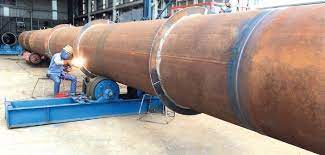
Introduction about Industrial Welder (Oil and Gas)
Industrial welding in the context of the oil and gas industry is a crucial yet often overlooked profession. The world relies heavily on these natural resources, and the role of industrial welders in ensuring that the infrastructure and equipment in this sector are in optimal condition cannot be overstated.
The Role of Industrial Welders in the Oil & Gas Industry
Industrial welders play a fundamental role in the oil and gas sector. They are responsible for joining and repairing metal components used in various applications, such as pipelines, storage tanks, and drilling rigs. These welders are essential for maintaining the structural integrity and safety of oil and gas facilities. They work in challenging environments, including offshore rigs, refineries, and pipeline construction sites.
Skills and Qualifications Required
Becoming a proficient industrial welder in the oil and gas industry demands a unique skill set. Welders must be proficient in various welding techniques, including MIG, TIG, and arc welding. Additionally, they need to be well-versed in blueprint reading, metallurgy, and material properties. A deep understanding of safety regulations and protocols is crucial, given the hazardous nature of the industry.
Safety Measures in Industrial Welding
Safety is paramount in the oil and gas sector. Industrial welders are exposed to potentially dangerous situations daily. They must adhere to strict safety measures, including wearing protective gear, ensuring proper ventilation, and following protocols for handling flammable materials. Ensuring a safe working environment for themselves and their colleagues is non-negotiable.
Types of Welding Techniques Used
Welders in the oil and gas industry utilize various welding techniques to suit different applications. MIG welding, known for its speed and versatility, is often used for pipeline construction. TIG welding is preferred for precision work, such as repairing sensitive components. Stick welding is reliable in adverse conditions, making it suitable for offshore projects.
Welding Equipment and Tools
Industrial welders need specialized equipment and tools to carry out their tasks efficiently. Welding machines, protective gear, cutting torches, and welding rods are some of the essentials. Regular maintenance and calibration of these tools are vital to ensure top-notch performance and safety.
Welding in Oil & Gas: Challenges and Opportunities
Welding in the oil and gas industry presents unique challenges, including extreme weather conditions, remote locations, and the need for intricate, high-quality welds. However, these challenges also bring opportunities for welders to specialize and command higher salaries due to the demand for their expertise.
The Importance of Certification
Certification is vital for industrial welders. It serves as a testament to their skills and knowledge, making them more employable and eligible for advanced positions. Many organizations and industries require welders to be certified to ensure that they meet industry standards and safety protocols.
The Demand for Industrial Welders
The oil and gas industry is a constant presence in our lives, and it shows no signs of slowing down. This means that the demand for industrial welders remains high, as their skills are essential for maintaining and expanding the industry's infrastructure.
Job Prospects and Salaries
The job prospects for industrial welders are promising. With the right qualifications and experience, welders can secure well-paying jobs in various sectors of the oil and gas industry. Salaries can vary depending on factors such as location, specialization, and level of expertise.
Training and Education
Aspiring industrial welders can choose from a variety of training programs and educational opportunities to gain the necessary skills and knowledge. Many technical schools and vocational training centers offer welding programs, and some organizations even provide on-the-job training for entry-level positions.
Top Employers in the Industry
The oil and gas sector boasts a wide array of companies that employ industrial welders. Some of the top employers in this industry include major oil companies, pipeline construction firms, and offshore drilling companies. Working for reputable companies can lead to stable careers with opportunities for growth.
Sustainability in Welding
In recent years, sustainability has become a significant concern in the oil and gas industry. Industrial welders are increasingly involved in projects related to environmentally friendly practices, such as repairing and maintaining renewable energy infrastructure.
Future Trends in Industrial Welding
The future of industrial welding in the oil and gas industry is bright. Advancements in technology, materials, and techniques are expected to create new opportunities and challenges for welders. Staying updated with the latest industry trends is essential for continued success.
How can I apply for admission to Industrial Welder (Oil and Gas) Program
Applying for admission to an Industrial Welder (Oil & Gas) program typically involves several steps, and I'll outline them in English for you:
Research Programs: Begin by researching the available Industrial Welder (Oil & Gas) programs at vocational schools, technical colleges, or other educational institutions. Look for programs that align with your career goals and interests.
Meet Admission Requirements: Review the admission requirements for each program. These requirements may include a minimum age, educational prerequisites (such as a high school diploma or GED), and, in some cases, physical fitness assessments.
Prepare Necessary Documents: Gather the necessary documents for your application, which may include:
High school transcripts or equivalent
Resume or CV (if applicable)
Letters of recommendation
Personal statement or essay (explaining your interest in welding)
Any other documents specified by the program
Submit Application: Fill out the application form for the program you're interested in. You can usually find these forms on the institution's website or by contacting their admissions office. Ensure that you provide accurate and complete information.
Pay Application Fee: Some programs may require an application fee to process your application. Be prepared to make this payment when submitting your application.
Entrance Exams: Depending on the program, you might need to take an entrance exam, which assesses your knowledge and skills in areas related to welding. Prepare for this exam if required.
Interview (if necessary): Some programs may require an interview as part of the admission process. Be ready to discuss your motivation for joining the program and your career goals.
Financial Aid and Scholarships: Explore available financial aid options and scholarships to help cover the cost of tuition and related expenses. Complete the Free Application for Federal Student Aid (FAFSA) if you're in the United States.
Wait for Notification: After submitting your application, you'll need to wait for a response from the institution. This can take several weeks. Ensure you provide accurate contact information for timely communication.
Acceptance and Enrollment: Once you receive an acceptance letter, review the terms and conditions. If you're satisfied with the offer, follow the instructions to confirm your enrollment.
Orientation: Attend any orientation sessions or workshops provided by the institution to familiarize yourself with the program, campus, and resources available.
Financial Arrangements: Make arrangements for tuition payments, whether through financial aid, scholarships, or personal funds.
Purchase Necessary Gear: Industrial welding often requires specific safety gear and equipment. Ensure you have the necessary items, or find out if the program provides them.
Begin Classes: On the scheduled start date, attend your classes and begin your journey toward becoming a skilled industrial welder in the oil and gas industry.
What is the eligibility for Industrial Welder (Oil and Gas)
Eligibility criteria for an Industrial Welder (Oil & Gas) program can vary depending on the institution offering the program. However, I can provide a general overview of the typical eligibility requirements in English:
Educational Background: Most Industrial Welder (Oil & Gas) programs require applicants to have a high school diploma or its equivalent, such as a GED (General Educational Development) certificate. Some programs may consider applicants with lower educational qualifications but often require them to meet additional criteria.
Age Requirements: There is usually no strict age limit for enrolling in such programs. However, applicants are typically required to be at least 18 years old due to the physical demands and safety considerations associated with welding.
Physical Fitness: Given the physically demanding nature of welding, applicants may need to meet certain physical fitness standards. This can include good hand-eye coordination, manual dexterity, and the ability to lift heavy equipment.
Safety Precautions: Applicants must understand and adhere to safety precautions and guidelines associated with welding. This includes wearing appropriate protective gear and following safety protocols in the workshop.
Basic Math and Science Skills: Proficiency in basic mathematics and science is often necessary, as welding involves measurements, calculations, and an understanding of material properties and reactions.
Documentation: Applicants typically need to provide certain documents, such as high school transcripts, proof of age (e.g., a driver's license or birth certificate), and any other documentation requested by the program.
Entrance Exams (if required): Some programs may require applicants to take entrance exams to assess their knowledge and skills in areas related to welding. These exams can help determine the applicant's readiness for the program.
Interview (if required): In some cases, applicants may be required to participate in an interview to discuss their motivation for joining the program and their career goals.
English Language Proficiency: Depending on the location and language of instruction, applicants may need to demonstrate English language proficiency, especially if English is not their first language.
Criminal Background Check (if required): Some programs may conduct criminal background checks to ensure the safety of all students and staff in the workshop environment.
How long does it takes to complete a Industrial Welder (Oil and Gas)
The duration of an Industrial Welder (Oil & Gas) program can vary depending on several factors, including the level of the program, the institution offering it, and the specific curriculum. In English, here are the common timelines for completing such programs:
Certificate Programs: Certificate programs for industrial welding in the oil and gas industry are typically shorter in duration, lasting anywhere from 6 weeks to 6 months. These programs focus on providing fundamental skills and knowledge necessary to start a career in welding.
Diploma Programs: Diploma programs generally take around 1 year to 18 months to complete. They offer a more comprehensive education in welding techniques and may include additional coursework on safety, blueprint reading, and related subjects.
Associate's Degree Programs: An Associate's Degree in Welding, which often includes an emphasis on the oil and gas industry, typically takes 2 years to complete. This program offers a more extensive and well-rounded education, covering various welding techniques, metallurgy, and additional academic coursework.
Bachelor's Degree Programs (optional): While less common, some institutions offer bachelor's degree programs in fields related to welding engineering or technology, which can take 4 years to complete. These programs provide in-depth knowledge and often lead to roles with higher responsibilities.
The program duration can also be influenced by factors like whether it's a full-time or part-time program, the number of credits or hours required, and whether it includes internships or cooperative work experiences.
Additionally, some programs may offer flexible scheduling, such as evening or weekend classes, to accommodate working professionals or those with other commitments.
What are potential career opportunities after Industrial Welder (Oil and Gas)
After completing an Industrial Welder (Oil & Gas) program, you can explore a wide range of career opportunities within the oil and gas industry. In English, here are some potential career paths:
Pipeline Welder: Pipeline welders are responsible for joining and repairing the metal components of pipelines that transport oil and gas. They play a critical role in maintaining the integrity of these pipelines, and their work often involves traveling to remote locations.
Welding Inspector: Welding inspectors ensure that welding processes meet industry standards and safety regulations. They inspect welds, assess quality, and ensure that projects adhere to specifications.
Welding Supervisor or Foreman: With experience, you can advance to a supervisory or foreman role, overseeing a team of welders on various projects. This role involves managing schedules, ensuring safety, and maintaining quality standards.
Maintenance Welder: Maintenance welders work to repair and maintain equipment and structures within oil refineries, drilling rigs, and other facilities in the oil and gas sector.
Underwater Welder: Underwater welders are specialized professionals who work on offshore platforms and structures, conducting welding and repairs beneath the water's surface. This demanding role requires additional training in commercial diving.
Welding Engineer: A welding engineer is involved in designing welding procedures, materials selection, and quality control. They work to optimize welding processes and improve efficiency.
Quality Control Inspector: Quality control inspectors in the oil and gas industry ensure that all welded components and structures meet safety and quality standards. They perform rigorous inspections and document their findings.
Certified Welding Educator: After gaining significant experience, some individuals choose to become certified welding educators, teaching the next generation of welders and ensuring they meet industry standards.
Sales and Technical Support: Some individuals leverage their welding knowledge to work in sales and technical support roles for companies that manufacture welding equipment and materials. They assist customers in selecting the right tools and providing technical guidance.
Consultant: Experienced industrial welders may become welding consultants, offering their expertise to companies in the oil and gas industry, helping them improve their welding processes, safety measures, and project efficiency.
Project Manager: In larger construction and maintenance projects, industrial welders can transition into project management roles, overseeing the entire project, including welding operations.
Entrepreneurship: Some welders choose to start their welding businesses, providing welding services, consulting, or even manufacturing custom welding equipment.
Syllabus of Industrial Welder (Oil and Gas)
The syllabus for an Industrial Welder (Oil & Gas) program may vary from one institution to another. However, I can provide a general overview of the topics and subjects commonly covered in such a program in English:
Welding Fundamentals:
Introduction to welding processes
Safety procedures and protocols
Welding terminology and symbols
Basic metallurgy and material properties
Welding Techniques:
Gas Metal Arc Welding (GMAW or MIG)
Gas Tungsten Arc Welding (GTAW or TIG)
Shielded Metal Arc Welding (SMAW or Stick)
Flux-Cored Arc Welding (FCAW)
Submerged Arc Welding (SAW)
Plasma Arc Welding (PAW)
Blueprint Reading and Interpretation:
Understanding welding blueprints
Reading welding symbols and codes
Weld joint design and preparation
Mathematics and Measurement:
Basic mathematics relevant to welding
Measurement techniques and tools
Welding Metallurgy:
Heat treatment and its effects on metals
Welding defects and their causes
Weld quality inspection
Welding Safety and Health:
Personal protective equipment (PPE)
Hazard identification and risk assessment
Safe handling of welding equipment and materials
Welding Procedures and Testing:
Procedure development and qualification
Weld testing methods (e.g., visual inspection, radiography, ultrasonic testing)
Pipe Welding:
Welding techniques for pipelines
Welding positions (1G, 2G, 5G, 6G, etc.)
Quality Control and Quality Assurance:
Quality control standards and practices
Documenting welding procedures and inspections
Welding Codes and Standards:
Familiarity with industry-specific welding codes and standards (e.g., ASME, AWS, API)
Specialized Welding Applications:
Welding in the oil and gas industry
Underwater welding
Welding in hazardous environments
Welding Equipment and Tools:
Welding machine operation and maintenance
Selection of welding consumables
Career and Professional Development:
Resume building and job search techniques
Preparing for welding certification exams
Hands-On Welding Practice:
Practical welding exercises in various techniques and positions
Welding project assignments
Internship or Work Experience (if applicable):
Real-world welding experience in an industrial setting
Internship opportunities after completing Industrial Welder (Oil and Gas)
After completing an Industrial Welder (Oil & Gas) program, there are several internship opportunities available that can provide valuable hands-on experience and help you kickstart your career in the oil and gas industry. In English, here are some internship options:
Oil and Gas Companies: Many major oil and gas companies offer internships for aspiring industrial welders. These internships often involve working on-site, where you can gain experience in welding applications specific to the industry. You may work on pipeline projects, drilling rigs, refineries, or other infrastructure.
Contractors and Service Providers: Companies that provide welding services and support to the oil and gas sector often offer internship opportunities. This can include welding contractors, maintenance companies, and specialized welding service providers. Interning with these organizations can expose you to a variety of projects and welding techniques.
Welding Equipment Manufacturers: Some manufacturers of welding equipment and consumables provide internships. This experience can be valuable, as it allows you to understand the latest technology and tools used in the industry. You might also work on equipment maintenance and testing.
Quality Control and Inspection Firms: Interning with firms specializing in quality control and inspection services for the oil and gas sector can give you insights into the rigorous standards and regulations that govern welding in this industry. You may assist with inspections, documentation, and compliance.
Underwater Welding Companies: If you're interested in underwater welding, there are internships available with commercial diving and underwater welding companies. These internships can be physically demanding but offer unique experiences working on offshore structures and platforms.
Government Agencies: Some government agencies, such as the Department of Labor, may offer internship programs related to occupational safety, including welding safety in the oil and gas sector. These opportunities can help you understand safety regulations and compliance.
Research and Development Organizations: If you're interested in welding technology and innovation, consider interning with research and development organizations that work on advancing welding techniques and materials used in the industry.
Professional Associations: Organizations like the American Welding Society (AWS) may have internship programs or provide resources to help you find internships within the industry. They can connect you with potential employers.
Educational Institutions: Some vocational schools or community colleges may have internship or co-op programs in collaboration with local oil and gas companies, offering students a chance to apply their skills in real-world settings.
Scholarship and grants for Industrial Welder (Oil and Gas)
Scholarships and grants can be a valuable source of financial assistance for individuals pursuing a career in Industrial Welding, particularly in the context of the oil and gas industry. Here are some scholarship and grant options available in English:
American Welding Society (AWS) Scholarships: The AWS offers a range of scholarships for students pursuing welding-related programs. This includes the National Welding Scholarship, District Scholarships, and named scholarships for specific fields or demographics. Check the AWS website for details and application deadlines.
Lincoln Electric Welding School Scholarships: Lincoln Electric, a prominent welding equipment manufacturer, offers welding scholarships to students attending their welding school. These scholarships can cover tuition, books, and equipment.
SkillsUSA Scholarships: SkillsUSA, a national organization for career and technical education, offers scholarships to students participating in welding and related competitions. These scholarships can help cover the costs of education and certification.
Tulsa Welding School Scholarships: Tulsa Welding School provides various scholarships to students enrolled in welding programs. These scholarships are often based on merit and financial need.
American Petroleum Institute (API) Scholarship Program: The API offers scholarships to students pursuing careers in the oil and natural gas industry. While not specific to welding, these scholarships can benefit those studying fields related to the industry.
National Center for Construction Education and Research (NCCER) Scholarships: NCCER offers scholarships to individuals pursuing construction-related careers, including welding. These scholarships aim to support education and certification programs.
Welding Equipment Manufacturer Scholarships: Some welding equipment manufacturers, such as Miller Electric and ESAB, offer scholarships to students studying welding. These scholarships may be based on merit or other criteria.
Local and State Scholarships: Check with local welding associations, community foundations, and state agencies for scholarships and grants specific to your region. These opportunities may be less competitive and more tailored to your needs.
Community College Scholarships: If you're pursuing your welding education at a community college, inquire about scholarships available through the college's financial aid office or welding department.
Trade and Vocational School Scholarships: Many trade and vocational schools offer their own scholarships for students in welding programs. These scholarships can help cover tuition and related expenses.
Employer Sponsorship: Some employers in the oil and gas industry offer tuition assistance or sponsor employees' education in welding as part of their career development programs. If you're already working in the industry, check with your employer for such opportunities.
Federal Financial Aid: Don't forget to complete the Free Application for Federal Student Aid (FAFSA). While it primarily offers federal student loans and grants, it's an essential step in securing financial assistance for your education.
Conclusion
Industrial welders are the unsung heroes of the oil and gas industry. Their expertise is crucial for maintaining the infrastructure and ensuring the safety of this vital sector. With the demand for oil and gas showing no signs of slowing down, the role of industrial welders will remain pivotal in sustaining our energy needs.
FAQ's
What does an industrial welder in the oil and gas industry do?
Industrial welders in the oil and gas sector are responsible for joining and repairing metal components used in various applications, including pipelines, storage tanks, and drilling rigs, to ensure the structural integrity and safety of these facilities.
What qualifications are required to become an industrial welder in the oil and gas industry?
Typically, a high school diploma or its equivalent is required. In addition, proficiency in welding techniques, knowledge of safety protocols, and a deep understanding of material properties are essential.
Are there specific safety measures for industrial welders in the oil and gas sector?
Yes, safety is a top priority. Industrial welders must adhere to strict safety measures, including wearing protective gear, ensuring proper ventilation, and following protocols for handling flammable materials.
What are the common welding techniques used in the oil and gas industry?
Welders use various techniques such as MIG, TIG, arc welding, and stick welding, depending on the specific application and project requirements.
What is the demand for industrial welders in the oil and gas industry?
The demand remains high due to the continuous need for oil and gas resources. Industrial welders play a crucial role in maintaining and expanding the industry's infrastructure.
What is the average salary range for industrial welders in the oil and gas sector?
Salaries can vary based on factors like location, specialization, and experience, but industrial welders often earn competitive wages in the oil and gas industry.
How can I become a certified industrial welder?
To become a certified welder, you'll need to complete a welding program, gain practical experience, and then pass certification exams specific to the type of welding you want to pursue. Certification enhances your employability and earning potential.
What are the career prospects for industrial welders in the oil and gas industry?
Industrial welders can explore various career paths, including pipeline welding, welding inspection, welding supervision, and even branching into roles such as welding engineering or underwater welding.
Is there a shortage of industrial welders in the oil and gas industry?
Yes, there is a demand for skilled industrial welders, and shortages can occur in regions with high oil and gas activity. This creates opportunities for welders to secure well-paying positions.
What are the emerging trends in industrial welding in the oil and gas sector?
Trends include the use of advanced materials, automation and robotics in welding, sustainable and environmentally friendly welding practices, and a focus on safety and quality assurance.
How Shiksha Hub helps you in
-
 Student Counsellors
 -
 Career Counseling
 -
 Research
 -
 24/7 Support
 -
 Scholarships
 -
 Community