Posted by Admin on 24-07-2023 in Shiksha hub
Instrument Mechanic Introduction, Admission, Registration, Eligibility, Duration, Fees, Syllabus 2024
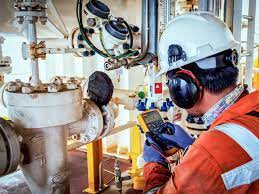
Introduction about Instrument Mechanic
An Instrument Mechanic is a skilled professional responsible for the installation, maintenance, calibration, and repair of various types of instruments and control systems used in industrial settings. These professionals work with a wide range of equipment, including measuring devices, control valves, sensors, and other complex instruments crucial for monitoring and regulating processes in industries such as manufacturing, power generation, oil and gas, pharmaceuticals, and more.
Instrument Mechanics possess expertise in interpreting technical drawings, schematics, and manuals to effectively troubleshoot issues and ensure the proper functioning of instrumentation systems. They are adept at using specialized tools, diagnostic equipment, and computer software to diagnose problems, conduct precision adjustments, and perform routine maintenance tasks.
Their role extends beyond just repairing faulty instruments; they often collaborate with engineers and other professionals to design, select, and install new instrumentation systems. Moreover, Instrument Mechanics play a critical role in ensuring compliance with safety standards and regulations, as accurate instrumentation is fundamental for maintaining operational efficiency and safety within industrial environments.
Overall, the expertise of an Instrument Mechanic is indispensable in maintaining the reliability and accuracy of instruments that are integral to the smooth operation of industrial processes, contributing significantly to the efficiency and productivity of various industries.
How can I apply for admission to Instrument Mechanic
To apply for admission to a program in Instrument Mechanic or Instrumentation Technology, you can follow these general steps:
Research Programs: Look for technical schools, community colleges, vocational institutions, or universities that offer courses or degrees in Instrument Mechanic or Instrumentation Technology. Ensure that the programs align with your educational and career goals.
Check Admission Requirements: Review the admission criteria for the program you're interested in. Typically, you'll need a high school diploma or equivalent. Some programs might have specific prerequisites in math, science, or technical subjects.
Prepare Application Materials: Gather the necessary documents, which may include transcripts, letters of recommendation, a resume, and a statement of purpose or personal statement outlining your interest in Instrument Mechanic studies.
Submit Application: Complete the application form provided by the institution and submit it along with the required documents. Some institutions might have an online application process, while others might require physical submission.
Financial Aid and Scholarships: Explore available financial aid options, such as scholarships, grants, or loans. Check if the institution offers any scholarships specifically for students pursuing studies in Instrument Mechanic or related fields.
Entrance Exams: Some programs might require you to take entrance exams as part of the admission process. Prepare for and take any required exams, such as the SAT or ACT if applicable.
Interview (if required): Some institutions might conduct interviews as part of the admission process. Prepare for potential interviews by researching the program and being ready to discuss your interest in Instrument Mechanic studies.
Follow Up: After submitting your application, follow up with the institution to ensure that all required documents have been received and to inquire about the status of your application.
Remember, the specific application process may vary depending on the institution and the country where you're applying. It's crucial to carefully read and follow the instructions provided by the institution you're interested in attending. Additionally, reaching out to the admissions office or a designated contact person at the institution can provide you with more detailed and accurate information about the application process.
What is the eligibility for Instrument Mechanic
The eligibility criteria for becoming an Instrument Mechanic can vary based on different educational systems and specific training programs. However, in many cases, the following criteria are commonly required:
Educational Qualifications: Typically, a high school diploma or equivalent is the minimum educational requirement to begin training as an Instrument Mechanic. Courses in mathematics, physics, chemistry, and technical subjects can be beneficial for this field.
Technical Skills and Aptitude: Having a strong aptitude for working with tools, machinery, and electrical systems is essential. Good problem-solving abilities and a keen interest in understanding and repairing technical equipment are valuable traits.
Training or Certification Program: Many aspiring Instrument Mechanics enroll in vocational training programs, technical schools, or community colleges that offer specific courses or certification programs in Instrumentation Technology or related fields. These programs provide hands-on training and theoretical knowledge in instrumentation, control systems, electronics, and related subjects.
Apprenticeships or On-the-Job Training: Some individuals may enter the field through apprenticeship programs or on-the-job training offered by employers. These programs combine practical experience with classroom instruction, allowing individuals to learn while working under the guidance of experienced professionals.
Specific Requirements: Certain employers or programs may have additional requirements or preferences, such as specific certifications (e.g., from industry organizations), a certain level of mechanical aptitude, or prior experience in a related field.
How long does it takes to complete a Instrument Mechanic
The duration to complete training or education as an Instrument Mechanic can vary based on the type of program or course undertaken. Here are a few common pathways and their approximate durations:
Vocational Training Programs: Some vocational schools or technical institutions offer certificate or diploma programs in Instrumentation Technology or Instrument Mechanic training. These programs can range from 6 months to 2 years, depending on the depth and comprehensiveness of the curriculum.
Associate Degree Programs: Community colleges or technical institutes might offer an Associate's degree in Instrumentation Technology, which typically takes about 2 years of full-time study to complete.
Apprenticeships: Some individuals enter the field through apprenticeship programs, which combine on-the-job training with classroom instruction. The duration of an apprenticeship can vary but often lasts between 3 to 5 years, during which apprentices learn while working alongside experienced professionals.
On-the-Job Training: In some cases, individuals might receive on-the-job training from employers without formal education or a structured program. The duration of this training can vary widely, depending on the complexity of the instruments and systems being learned and the individual's learning pace.
The specific duration to become a proficient Instrument Mechanic can depend on various factors, including the chosen educational path, the depth of the curriculum, the individual's prior knowledge or experience, and the complexity of the instrumentation systems being studied.
Ultimately, the goal of these training programs is to equip individuals with the necessary knowledge and skills to work competently with instrumentation systems and machinery in industrial settings.
What are potential career opportunities after Instrument Mechanic
Completing a program or obtaining training as an Instrument Mechanic can open up various career opportunities across different industries. Some potential career paths include:
Instrumentation Technician: Instrumentation technicians are responsible for installing, maintaining, calibrating, and repairing instruments and control systems in various industrial settings. They work with a wide range of equipment, ensuring that instruments function accurately and efficiently.
Control Systems Technician: These professionals focus on maintaining and troubleshooting control systems used in industrial processes. They work with programmable logic controllers (PLCs), distributed control systems (DCS), and other automated systems to ensure smooth operations.
Automation Engineer: Automation engineers design, develop, and implement automated systems and processes in industries like manufacturing, automotive, or pharmaceuticals. They work on improving efficiency through the use of robotics and automated machinery.
Field Service Technician: Field service technicians travel to different sites to perform installations, maintenance, and repairs on instrumentation and control systems. They troubleshoot issues and ensure that equipment functions optimally.
Process Control Engineer: These professionals are involved in designing, implementing, and optimizing control systems used to monitor and regulate industrial processes. They work on improving efficiency, safety, and reliability within manufacturing and production environments.
Maintenance Supervisor/Manager: With experience, Instrument Mechanics can advance into supervisory or managerial roles overseeing maintenance teams. They coordinate maintenance schedules, manage resources, and ensure the smooth functioning of instrumentation systems.
Quality Control Inspector: Some Instrument Mechanics may transition into quality control roles, where they inspect and test instruments and equipment to ensure they meet industry standards and regulatory requirements.
Sales Engineer/Technical Sales Representative: Individuals with a strong technical background might pursue careers in sales, promoting and selling instrumentation products or services to industrial clients. They provide technical expertise to customers and assist in selecting appropriate solutions for their needs.
The skills and knowledge gained as an Instrument Mechanic are versatile and can lead to diverse career paths in industries such as manufacturing, oil and gas, pharmaceuticals, power generation, automotive, aerospace, and more. Advanced certifications, continuing education, and gaining experience in specific industries can further enhance career prospects and opportunities for advancement.
Syllabus of Instrument Mechanic
The syllabus for an Instrument Mechanic program may vary depending on the institution, country, and specific curriculum designed by the educational provider. However, I can provide a general overview of topics that might be covered in a semester-wise breakdown:
Semester 1:
Introduction to Instrumentation
Basics of Mathematics and Physics for Instrumentation
Fundamentals of Electrical and Electronics
Workshop Practice and Safety Procedures
Instrumentation Drawings and Diagrams
Semester 2:
Measurement and Control Principles
Sensors and Transducers
Electrical Circuits and Components
Calibration Techniques
Basics of Control Systems
Semester 3:
Industrial Instrumentation
Process Control Instrumentation
Digital Electronics
Control Valves and Actuators
Instrumentation Troubleshooting
Semester 4:
Programmable Logic Controllers (PLCs)
Distributed Control Systems (DCS)
Analytical Instruments and Systems
Instrumentation Installation and Maintenance
Project Work or Internship
This breakdown is a general representation and can vary from one educational institution to another. Additionally, the depth and specific focus of each topic might differ based on the program's curriculum, with some institutions including more advanced subjects or specialized courses.
Hands-on training, laboratory work, and practical experience are often integral parts of an Instrument Mechanic program. Students typically engage in workshops, laboratory sessions, and projects to gain practical exposure to instruments, calibration techniques, troubleshooting, and installation procedures.
Internship opportunities after completing Instrument Mechanic
After completing a program or training as an Instrument Mechanic, there are various internship opportunities available in industries that heavily rely on instrumentation and control systems. These internships provide valuable hands-on experience and an opportunity to apply theoretical knowledge in real-world settings. Here are potential internship opportunities:
Manufacturing Companies: Many manufacturing industries, including automotive, electronics, pharmaceuticals, and food processing, offer internships for Instrument Mechanics. Interns may work on installing, troubleshooting, or maintaining instruments used in production processes.
Oil and Gas Industry: Companies involved in oil refineries, drilling, or petrochemical plants often provide internships focusing on instrumentation and control systems used for monitoring and regulating equipment in these facilities.
Power Generation Plants: Internships are available in power plants where interns assist in maintaining and calibrating instruments used in electricity generation, such as turbines, boilers, and control systems.
Chemical Processing Facilities: Interns in chemical plants can gain experience in handling instrumentation and control systems used for managing chemical processes, ensuring safety, and maintaining product quality.
Utilities and Water Treatment Facilities: Internships may be available in utilities or water treatment plants where Instrument Mechanics assist in maintaining and calibrating instruments used for monitoring water quality, flow, and distribution systems.
Engineering Firms: Some engineering consulting firms or companies specializing in automation and control systems offer internships where individuals work on various projects related to instrumentation and control.
Research and Development (R&D) Centers: Research institutions or R&D centers focused on instrumentation technologies might offer internships allowing individuals to contribute to innovative projects and gain exposure to cutting-edge technologies.
Hospitals and Healthcare Facilities: Internships in hospitals or healthcare settings might involve working with medical instrumentation and devices used for diagnosis, treatment, and patient monitoring.
These internships provide valuable opportunities to apply skills, gain practical experience, and network within the industry. They can also potentially lead to full-time employment opportunities or help individuals build a strong professional foundation in the field of Instrumentation. Seeking out internships aligned with personal interests and career goals can significantly enhance an individual's learning and career prospects in Instrument Mechanic roles.
Scholarships and grants for Instrument Mechanic
Scholarships and grants for Instrument Mechanics or students pursuing studies in Instrumentation Technology can vary based on different institutions, regions, and specific criteria set by sponsoring organizations. Here are some avenues where students might find financial aid:
Institutional Scholarships: Many technical schools, community colleges, and universities offering programs in Instrumentation or related fields provide scholarships or grants based on academic merit, financial need, or specific criteria related to instrumentation studies.
Industry-Sponsored Scholarships: Companies operating in industries reliant on instrumentation, such as manufacturing, oil and gas, pharmaceuticals, and automation, sometimes offer scholarships to support students pursuing education in Instrument Mechanic training or Instrumentation Technology.
Professional Associations and Foundations: Associations related to instrumentation, engineering, or specific industries may offer scholarships or grants to students. Examples include the International Society of Automation (ISA) Foundation Scholarship and various engineering foundations.
Government or State Aid: Government bodies, both at the national and regional levels, might provide financial assistance in the form of grants, loans, or scholarships for students pursuing technical education in fields like Instrumentation.
Corporate Sponsorship Programs: Some corporations or companies might have sponsorship programs for students studying Instrumentation or related disciplines. These programs often come with financial support and sometimes include opportunities for internships or future employment.
Research Grants and Fellowships: Students interested in pursuing research or advanced studies in instrumentation might find research grants or fellowships offered by institutions or research organizations focusing on technological advancements in the field.
Online Scholarship Search Engines: Utilizing online scholarship search engines or databases can be beneficial in finding various scholarships available to students pursuing studies in Instrument Mechanic or Instrumentation Technology.
When searching for scholarships and grants, students should thoroughly research eligibility criteria, application requirements, deadlines, and any obligations tied to the financial aid. Applying to multiple sources of financial assistance can increase the chances of securing support for education in Instrumentation. Additionally, contacting the financial aid offices of specific educational institutions or industry organizations can provide tailored guidance regarding available scholarships and grants for Instrument Mechanic programs.
Conclusion
Becoming an Instrument Mechanic opens doors to a dynamic field involving instrumentation, control systems, and maintenance across various industries. The role requires technical expertise, problem-solving skills, and a strong understanding of instruments and control systems. With training programs, internships, and scholarships available, individuals interested in this field can embark on a rewarding career path with diverse job opportunities. Whether it's troubleshooting instruments, ensuring safety in industrial settings, or contributing to technological advancements, Instrument Mechanics play a crucial role in maintaining the efficiency and functionality of complex systems within different industries. Explore the possibilities, training options, and potential careers in Instrumentation to step into this challenging yet rewarding profession.
FAQs
What does an Instrument Mechanic do?
Instrument Mechanics install, maintain, calibrate, and repair instruments and control systems used in various industries to monitor and regulate processes. They work with measuring devices, sensors, and complex instruments critical for industrial operations.
What qualifications are needed to become an Instrument Mechanic?
Typically, a high school diploma or equivalent is required. Completing a vocational program, technical training, or an associate degree in Instrumentation Technology is beneficial. Strong skills in mathematics, physics, and technical subjects are advantageous.
What skills are important for an Instrument Mechanic?
Essential skills include proficiency in technical troubleshooting, understanding schematics, using specialized tools, knowledge of electrical systems, strong attention to detail, and the ability to work with precision.
Where do Instrument Mechanics work?
Instrument Mechanics can find employment in various industries such as manufacturing, oil and gas, pharmaceuticals, power generation, automotive, aerospace, and more.
Are internships available for Instrument Mechanics?
Yes, internships in industries reliant on instrumentation systems are common. These internships provide hands-on experience and the application of theoretical knowledge in real-world settings.
What career paths can Instrument Mechanics pursue?
Graduates in Instrumentation can work as Instrumentation Technicians, Control Systems Technicians, Automation Engineers, or in roles focusing on process control, maintenance, and quality control.
Are there scholarships available for students pursuing Instrument Mechanic training?
Yes, various institutions, industry sponsors, professional associations, and government bodies offer scholarships and grants for students interested in Instrumentation Technology or Instrument Mechanic programs.
How long does it take to become an Instrument Mechanic?
The duration varies based on the program. It can range from several months for vocational training to a few years for associate degree programs or apprenticeships.
What are the prospects for career advancement as an Instrument Mechanic?
Experienced Instrument Mechanics can advance to supervisory or managerial roles, specialize in specific industries, or pursue further education to expand their career opportunities.
What industries rely heavily on Instrument Mechanics?
Industries such as manufacturing, energy (oil and gas, power generation), pharmaceuticals, chemical processing, and various engineering sectors depend significantly on Instrument Mechanics for efficient operations and maintenance of equipment and systems.
How Shiksha Hub helps you in
-
 Student Counsellors
 -
 Career Counseling
 -
 Research
 -
 24/7 Support
 -
 Scholarships
 -
 Community