Posted by Admin on 22-07-2023 in Shiksha hub
ITI Cane Willow and Bamboo Worker Introduction, Admission, Registration, Eligibility, Duration, Fees, Syllabus 2024
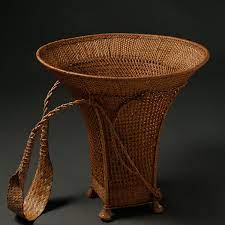
Introduction about ITI Cane Willow and Bamboo Worker
The field of Cane, Willow, and Bamboo workmanship within Industrial Training Institutes (ITIs) encompasses a specialized skill set focused on the crafting and manipulation of these versatile natural materials. This vocational program within ITIs trains individuals in the artistry and techniques required to work with cane, willow, and bamboo, transforming these raw materials into various products ranging from furniture and handicrafts to household items and structural elements.
Students enrolled in the Cane, Willow, and Bamboo Worker program learn a diverse array of skills, including harvesting, processing, shaping, and assembling these natural materials to create aesthetically pleasing and functional products. The curriculum often involves hands-on training where students gain proficiency in weaving, bending, cutting, and finishing techniques specific to each material.
Moreover, this program emphasizes sustainable practices, teaching students about the ecological significance of these renewable resources and promoting environmentally friendly methods of cultivation and utilization.
Graduates from this ITI program typically find opportunities in diverse industries such as furniture making, interior design, handicraft production, and construction. Their expertise in working with cane, willow, and bamboo materials equips them with a unique skill set highly valued in both traditional craftsmanship and modern sustainable design practices.
How can I apply for admission to ITI Cane Willow and Bamboo Worker
To apply for admission to an Industrial Training Institute (ITI) offering the Cane, Willow, and Bamboo Worker program, follow these general steps:
Research ITIs: Look for ITIs that offer the Cane, Willow, and Bamboo Worker course. You can find this information on official government education websites, ITI directories, or by directly contacting ITIs in your area.
Check Eligibility: Ensure that you meet the eligibility criteria set by the ITI for this particular course. Typically, candidates must have completed a certain level of education (such as 8th or 10th grade), although specific requirements may vary.
Application Process: Once you've identified the ITIs offering the program and confirmed your eligibility, obtain the application form from the respective ITI. The forms are usually available either online on the official website or can be collected from the ITI's administrative office.
Fill Out the Application Form: Complete the application form with accurate details and attach any required documents, such as educational certificates, identification proof, and passport-sized photographs.
Submit the Application: Submit the filled-out application form along with the necessary documents to the ITI within the specified deadline. Ensure that you follow the instructions provided by the ITI regarding submission procedures.
Entrance Exam (if applicable): Some ITIs may conduct entrance exams or interviews as part of the admission process. Prepare accordingly if there's an exam or interview requirement.
Wait for Admission Confirmation: After submitting your application, wait for the ITI to review applications and announce the list of selected candidates. If selected, you'll receive an admission offer or further instructions regarding enrollment.
Complete Enrollment: If you receive an admission offer, follow the instructions provided by the ITI to complete the enrollment process. This might include paying the course fees, submitting additional documents, and attending orientation sessions.
Always make sure to check the specific admission guidelines, important dates, and any additional requirements set by the ITI where you intend to apply for the Cane, Willow, and Bamboo Worker program. It's essential to stay updated with the official notifications or announcements from the respective ITI regarding the admission process.
What is the eligibility for ITI Cane Willow and Bamboo Worker
The eligibility criteria for admission to the ITI Cane, Willow, and Bamboo Worker program typically include the following:
Educational Qualification: Candidates must have completed a certain level of formal education. Generally, a minimum educational requirement of passing the 8th or 10th grade from a recognized board or institution is necessary. However, the exact educational qualification might vary among different ITIs, so it's important to check the specific requirements of the institute you're interested in.
Age Limit: There might be an age limit for candidates applying to the Cane, Willow, and Bamboo Worker course. The minimum and maximum age limits can also vary based on the ITI and government regulations. Usually, candidates should be within a specified age range as per the guidelines set by the ITI or the governing authority.
Medical Fitness: Some ITIs may require candidates to provide a medical fitness certificate to ensure they are physically fit to undergo the training program.
Other Requirements: Occasionally, certain ITIs might have additional requirements or preferences for candidates, such as specific skills or interests related to craftsmanship, artistry, or working with natural materials.
It's advisable to thoroughly check the official notification or prospectus of the ITI offering the Cane, Willow, and Bamboo Worker course for the precise eligibility criteria and any other conditions for admission. This helps ensure that you meet all the requirements before applying for the program.
How long does it takes to complete a ITI Cane Willow and Bamboo Worker
The duration to complete the ITI Cane, Willow, and Bamboo Worker program typically ranges from 1 to 2 years, depending on the specific curriculum structure and regulations set by the institute or the governing education board.
In most cases:
Full-Time Courses: A full-time ITI course in Cane, Willow, and Bamboo workmanship might span between 1 year to 2 years. The duration can vary based on factors such as the depth of the curriculum, practical training requirements, and the number of hours devoted to theoretical and hands-on learning.
Part-Time or Short-Term Courses: Some ITIs might offer part-time or shorter-duration courses in this field, which could be completed within a few months. These programs may focus on specific skill sets or aspects of working with cane, willow, and bamboo materials rather than covering the entire breadth of the trade.
The duration of the program can also be influenced by regional regulations or the guidelines provided by the National Council for Vocational Training (NCVT) or State Council for Vocational Training (SCVT) in accordance with the respective country's vocational training system.
Prospective students should verify the specific duration of the ITI Cane, Willow, and Bamboo Worker program at the institute where they intend to apply to get accurate information regarding the length of the course.
What are potential career opportunities after ITI Cane Willow and Bamboo Worker
After completing an ITI course in Cane, Willow, and Bamboo workmanship, graduates can explore various career opportunities in diverse industries that value the specialized skills acquired during the program. Some potential career paths include:
Artisan/ Craftsperson: Graduates can work as artisans or craftspersons specializing in creating handmade products using cane, willow, and bamboo. This can include crafting furniture, decorative items, baskets, mats, and various handicrafts.
Furniture Designer/Manufacturer: They can pursue careers in furniture design or manufacturing, utilizing their expertise in working with natural materials to create innovative and sustainable furniture pieces.
Interior Designer: A career in interior design is possible, focusing on incorporating cane, willow, and bamboo elements into interior spaces to enhance aesthetics and functionality.
Handicraft Entrepreneur: Graduates may start their own business venture by establishing a handicrafts manufacturing unit or a boutique specializing in products made from cane, willow, and bamboo.
Production Supervisor: They can work as supervisors in manufacturing units, overseeing the production of cane, willow, and bamboo-based items, ensuring quality and efficiency in the manufacturing process.
Retail and Marketing: Opportunities exist in retail, sales, and marketing of cane, willow, and bamboo products, either through specialty stores, online platforms, or by collaborating with existing retailers.
Sustainable Design Consultant: Given the focus on eco-friendly materials, graduates can work as consultants or advisors in sustainable design practices for architecture, product design, or construction industries.
Educator/Trainer: Some graduates may opt to become instructors or trainers in institutes offering similar courses, sharing their knowledge and skills with aspiring students.
Export and Import Business: Opportunities may arise in the export-import sector, dealing with the trade of cane, willow, and bamboo products on a national or international level.
These career paths showcase the versatility and potential of skills gained through an ITI course in Cane, Willow, and Bamboo workmanship, allowing graduates to explore both traditional craftsmanship and modern sustainable design industries.
Internship opportunities after completing ITI Cane Willow and Bamboo Worker
After completing an ITI course in Cane, Willow, and Bamboo workmanship, individuals can explore various internship opportunities to gain practical experience and further enhance their skills in this field. Internships provide hands-on training and exposure to real-world scenarios, allowing students to apply their knowledge in a professional setting. Some potential internship opportunities include:
Craftsmanship Workshops: Internships at workshops specializing in cane, willow, and bamboo craftsmanship offer valuable experience in creating handmade products. This could involve learning different techniques, refining skills in weaving, bending, cutting, and finishing these materials.
Furniture Manufacturing Companies: Interning at furniture manufacturing companies allows individuals to understand the production process, from design to fabrication, focusing on cane, willow, and bamboo furniture. It provides insight into mass production techniques and quality control measures.
Interior Design Firms: Internships at interior design firms specializing in natural materials can offer exposure to incorporating cane, willow, and bamboo elements into interior spaces. Interns might assist in designing or implementing these materials in projects.
Handicraft Organizations or Cooperatives: Working with organizations or cooperatives dedicated to promoting handicrafts made from natural materials provides exposure to different aspects of the industry, such as marketing, sales, and product development.
Sustainable Design Initiatives: Interning with organizations focusing on sustainable design and eco-friendly practices offers exposure to innovative uses of cane, willow, and bamboo in construction, architecture, or product design.
Research and Development Projects: Some institutions or companies might offer internships focused on research and development in creating new products or techniques using cane, willow, and bamboo.
Retail or Export-Import Businesses: Internships in retail outlets or businesses dealing with the trade of cane, willow, and bamboo products provide insights into sales, marketing strategies, and supply chain management.
Internships serve as a bridge between academic learning and professional practice, allowing individuals to gain practical skills, industry insights, and networking opportunities. Seeking out internships in areas aligned with the interests and career goals can significantly enhance the post-ITI learning experience and increase employability in the field of cane, willow, and bamboo workmanship.
Scholarships and grants for ITI Cane Willow and Bamboo Worker
Scholarships and grants for ITI Cane, Willow, and Bamboo Worker programs can be available through various government schemes, educational institutions, NGOs, foundations, and industry bodies. These financial aids aim to support deserving candidates pursuing vocational education in this field. Here are some potential sources for scholarships and grants:
Government Schemes: Check for government-sponsored scholarships or grants specifically designed for vocational courses. Government bodies at the national, state, or local levels may offer financial assistance to eligible candidates pursuing ITI courses, including those in Cane, Willow, and Bamboo workmanship.
Educational Institutions: Some ITIs or vocational training institutes themselves might offer scholarships or fee waivers to meritorious students or those with financial constraints. Inquire with the respective institute's administrative office about available funding options.
Corporate Sponsorships: Companies, especially those related to the cane, willow, and bamboo industry or those supporting vocational training, may provide scholarships or sponsorships to students pursuing these courses.
Non-Governmental Organizations (NGOs): Certain NGOs or foundations dedicated to skill development or promoting traditional crafts might offer financial aid or scholarships to students enrolled in vocational courses like Cane, Willow, and Bamboo workmanship.
Industry Associations: Industry bodies or associations related to cane, willow, and bamboo crafts may have scholarship programs aimed at supporting students in this field.
Merit-Based Scholarships: Some scholarships are based on academic performance, talent, or specific achievements. Students with outstanding skills or achievements in this area might qualify for such scholarships.
Minority or Welfare Schemes: Explore government schemes or programs designed to support specific demographic groups, such as minorities, economically disadvantaged individuals, or specific communities, which may include provisions for vocational education scholarships.
To find and apply for these scholarships and grants, students should regularly check official government websites, visit the ITI's financial aid office, inquire with industry associations, explore NGO or foundation websites, and keep an eye on announcements or notifications related to scholarships in the field of vocational training and craftsmanship. Application procedures, eligibility criteria, and deadlines can vary, so it's crucial to thoroughly research and apply for suitable opportunities.
Conclusion
The ITI Cane, Willow, and Bamboo Worker program offer specialized vocational training in working with natural materials, providing skills in crafting furniture, handicrafts, and more. Graduates can pursue diverse career paths in furniture design, interior decoration, craftsmanship, and sustainable design industries. Internship opportunities enable practical experience, while scholarships and grants can support students in pursuing this vocational education.
FAQs
What is ITI Cane, Willow, and Bamboo Worker program?
The program focuses on training individuals in working with cane, willow, and bamboo materials, teaching skills in crafting furniture, handicrafts, and various products.
What are the career opportunities after completing this program?
Graduates can explore careers in furniture design, interior decoration, artisanry, sustainable design, retail, and more.
Are there scholarships available for ITI Cane, Willow, and Bamboo Worker courses?
Yes, scholarships are available through government schemes, educational institutions, NGOs, and industry associations.
What is the duration of the ITI Cane, Willow, and Bamboo Worker program?
The duration generally ranges from 1 to 2 years, varying based on the institute and curriculum.
Can I find internships after completing this course? Yes, internships in craftsmanship workshops, furniture companies, design firms, and more are potential opportunities post-ITI completion.
How Shiksha Hub helps you in
-
 Student Counsellors
 -
 Career Counseling
 -
 Research
 -
 24/7 Support
 -
 Scholarships
 -
 Community