Posted by Admin on 22-07-2023 in Shiksha hub
ITI Coe-Industrial Electronics & Instrumentation Introduction, Admission, Registration, Eligibility, Duration, Fees, Syllabus 2024
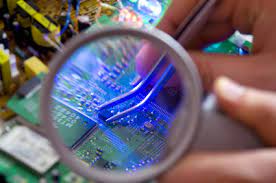
Introduction about Coe-Industrial Electronics & Instrumentation
Industrial Electronics and Instrumentation, often referred to as CoE (Center of Excellence) in Industrial Electronics and Instrumentation, is an interdisciplinary field that combines principles of electronics, instrumentation, and control systems to facilitate the operation, monitoring, and control of industrial processes. It encompasses the design, development, installation, and maintenance of electronic systems and instruments used in various industries to ensure efficient and precise functioning of equipment and processes.
This field plays a pivotal role in enhancing productivity, safety, and quality in industries such as manufacturing, energy production, chemical processing, automation, and many others. Industrial electronics and instrumentation professionals utilize a range of technologies, including sensors, transducers, microcontrollers, data acquisition systems, programmable logic controllers (PLCs), and supervisory control and data acquisition (SCADA) systems to monitor and control industrial processes.
The CoE in Industrial Electronics and Instrumentation focuses on advancing research, education, and innovation in this specialized domain. It collaborates with industry partners, academia, and research institutions to develop cutting-edge technologies, train skilled professionals, and address the evolving needs of modern industrial automation and control systems.
Key areas of study and application within CoE in Industrial Electronics and Instrumentation include:
Control Systems: Designing and implementing systems to regulate and manage industrial processes for optimal performance and efficiency.
Sensors and Transducers: Developing and deploying devices to measure and convert physical quantities into electrical signals for monitoring and control.
Automation and Robotics: Utilizing automated systems and robotics for enhancing productivity and precision in manufacturing and industrial operations.
Instrumentation Techniques: Applying various techniques for measurement, calibration, and control in industrial environments.
Data Acquisition and Analysis: Collecting, processing, and analyzing data from industrial processes to improve decision-making and efficiency.
Overall, the CoE in Industrial Electronics and Instrumentation plays a crucial role in driving innovation, improving industrial processes, and ensuring the reliability and safety of complex systems across diverse industrial sectors.
How can I apply for admission to Coe-Industrial Electronics & Instrumentation
To apply for admission to a Center of Excellence (CoE) program in Industrial Electronics & Instrumentation, you typically need to follow these steps:
Research Programs: Begin by researching universities, colleges, or institutions that offer CoE programs in Industrial Electronics & Instrumentation. Look for details regarding the curriculum, faculty, facilities, and admission requirements.
Check Eligibility: Review the specific eligibility criteria for the program. Typically, applicants need to have completed high school education or an equivalent qualification. Some programs may have additional requirements, such as prerequisite courses or specific grades in relevant subjects.
Prepare Application Documents: Gather the necessary documents required for the application process. These commonly include:
Completed application form
Academic transcripts or certificates
Standardized test scores (if required)
Letters of recommendation
Statement of purpose or personal statement
Resume or curriculum vitae (CV)
Any other documents specified by the institution
Entrance Exams: Some institutions may require you to take standardized tests like the SAT, ACT, GRE, or other relevant entrance exams. Make sure to check if these tests are necessary and prepare accordingly.
Application Submission: Complete the application form and submit all required documents before the specified deadline. Ensure that you provide accurate and detailed information.
Pay Application Fees: Some institutions may require an application fee. Make sure to pay the fee, if applicable, as part of the application process.
Follow Up: After submitting your application, keep track of any communication from the institution. They might request additional information or schedule interviews as part of the selection process. Check your email and applicant portal regularly for updates.
Interviews (if required): Some institutions conduct interviews to assess the suitability of candidates. Prepare for these interviews by researching the program, highlighting your skills and experiences, and expressing your interest in the field.
Admission Decision: Once the selection process is complete, you will receive an admission decision. If accepted, you will typically receive an admission letter outlining the next steps, including enrollment procedures and deadlines.
Confirm Enrollment: Upon acceptance, confirm your enrollment by following the institution's instructions. This may involve paying a deposit or confirming your intent to enroll by a specified deadline.
Remember to carefully review the specific admission requirements and deadlines for the CoE program in Industrial Electronics & Instrumentation of the institution you're applying to, as they may vary. Good luck with your application!
What is the eligibility for Coe-Industrial Electronics & Instrumentation
The eligibility criteria for a Center of Excellence (CoE) program in Industrial Electronics & Instrumentation can vary depending on the institution offering the program. However, here are some typical eligibility requirements:
Educational Qualifications: Candidates are generally required to have completed their high school education or its equivalent with a strong background in science subjects such as Physics, Mathematics, and Chemistry. Some institutions may specify certain minimum grades or GPA requirements in these subjects.
Entrance Exams: Some institutions might require candidates to have qualifying scores in standardized tests such as SAT, ACT, GRE, or other relevant entrance exams. Check the specific requirements of the institution you are applying to.
Prerequisite Courses: There might be specific prerequisite courses related to electronics, instrumentation, or engineering subjects that applicants need to have completed or have proficiency in before applying for the CoE program.
Language Proficiency: For international students or in institutions where the medium of instruction is not their native language, proof of English language proficiency through tests like TOEFL or IELTS may be required.
Letters of Recommendation: Some institutions may ask for letters of recommendation from teachers, professors, or professionals who can attest to the applicant's academic abilities, work ethic, or relevant experiences.
Statement of Purpose: A statement of purpose or personal statement explaining the applicant's motivation, career goals, and interest in pursuing a CoE program in Industrial Electronics & Instrumentation might be required.
Work Experience (if applicable): Some programs may consider relevant work experience in the field as an additional asset during the selection process.
It's essential to thoroughly review the specific eligibility criteria outlined by the institution offering the CoE program in Industrial Electronics & Instrumentation as they can differ between universities or colleges. Checking the official program website or contacting the admissions office directly can provide precise information regarding eligibility requirements and admission procedures for the program you're interested in pursuing.
How long does it takes to complete a Coe-Industrial Electronics & Instrumentation
The duration to complete a Center of Excellence (CoE) program in Industrial Electronics & Instrumentation can vary based on several factors, including the specific institution, the level of the program, and the country's educational system. Typically, these programs can range from two to four years for undergraduate studies and one to three years for postgraduate studies.
Undergraduate Program (Bachelor's Degree): A CoE program in Industrial Electronics & Instrumentation at the undergraduate level usually takes around four years to complete in many educational systems. However, in some countries or institutions, it might be condensed into a three-year program, especially in systems following a trimester or accelerated curriculum.
Postgraduate Program (Master's Degree): For students pursuing a Master's degree in Industrial Electronics & Instrumentation through a CoE program, the duration is commonly between one to two years. Some institutions might offer an accelerated or part-time option, which can affect the completion time.
Doctoral Program (Ph.D.): Doctoral programs focused on CoE in Industrial Electronics & Instrumentation typically take around three to five years to complete. The duration may vary based on the research scope, dissertation requirements, and individual progress of the candidate.
Factors that can influence the program duration include the curriculum structure, credit requirements, research or internship components, and whether the program is full-time or part-time. Additionally, variations in academic systems across countries can impact the length of the CoE program.
Prospective students should review the specific program curriculum and duration offered by the institution they are interested in, as well as any potential options for accelerated study or part-time enrollment that may affect the completion time.
What are potential career opportunities after Coe-Industrial Electronics & Instrumentation
After completing a Center of Excellence (CoE) program in Industrial Electronics & Instrumentation, graduates can explore various career opportunities across multiple industries where skills in electronics, instrumentation, and control systems are in demand. Some potential career paths include:
Automation Engineer: Responsible for designing, developing, and implementing automated systems and processes in industries such as manufacturing, automotive, and robotics.
Control Systems Engineer: Specializes in designing and maintaining control systems used in industrial processes, ensuring efficiency, safety, and reliability.
Instrumentation Engineer: Focuses on designing and developing instruments used for measurement, monitoring, and control in industries like energy, chemical, and pharmaceutical.
Electrical/Electronics Engineer: Works on the design, development, and maintenance of electrical and electronic systems used in various industries, including power generation, telecommunications, and consumer electronics.
Robotics Engineer: Engages in designing and programming robotic systems used in manufacturing, healthcare, agriculture, and other sectors.
SCADA (Supervisory Control and Data Acquisition) Engineer: Manages and implements SCADA systems used for monitoring and controlling industrial processes, particularly in sectors like utilities and infrastructure.
Research and Development Specialist: Engages in innovative research and development of new technologies, components, or systems related to industrial electronics and instrumentation.
Process Control Engineer: Focuses on optimizing and maintaining processes within industries like oil and gas, chemical, or food production by implementing control strategies.
Quality Control Engineer: Ensures the quality and reliability of electronic components, devices, and systems produced in industries such as aerospace, automotive, and manufacturing.
Project Manager: Manages industrial projects related to electronics and instrumentation, overseeing teams, budgets, and timelines for successful project completion.
Field Service Engineer: Provides on-site technical support, maintenance, and troubleshooting for industrial electronic systems and instrumentation.
These careers offer opportunities for growth, specialization, and advancement within industries such as manufacturing, energy, healthcare, transportation, and beyond. Additionally, with the continuous advancements in technology and increasing automation across industries, the demand for skilled professionals in Industrial Electronics & Instrumentation remains consistently high.
Syllabus of Coe-Industrial Electronics & Instrumentation
The specific syllabus for a Center of Excellence (CoE) program in Industrial Electronics & Instrumentation can vary significantly based on the institution, program level (undergraduate or postgraduate), and the curriculum structure. However, I can provide a general overview of potential subjects that might be covered in a semester-wise format:
Please note that this is a general outline, and actual course offerings and content can vary:
Semester 1:
Introduction to Electronics
Fundamentals of Electrical Circuits
Engineering Mathematics
Basics of Instrumentation
Programming Fundamentals
Semester 2:
Analog Electronics
Digital Electronics
Signals and Systems
Sensors and Transducers
Circuit Theory
Semester 3:
Industrial Automation
Control Systems Engineering
Microcontrollers and Microprocessors
Data Acquisition Systems
Electromagnetic Theory
Semester 4:
Process Control
Communication Systems
Instrumentation Techniques
PLC (Programmable Logic Controllers)
Industrial Networking
Semester 5:
Industrial Robotics
Power Electronics
SCADA (Supervisory Control and Data Acquisition)
Measurement Systems
Industrial Safety and Standards
Semester 6:
Embedded Systems
Advanced Control Systems
Instrumentation Calibration and Maintenance
Project Management
Elective Course(s) or Specializations
This is a broad overview, and the actual syllabus and subjects covered may differ between institutions offering CoE programs in Industrial Electronics & Instrumentation. Students should refer to the specific program and course catalogs of the institution they are interested in for accurate and detailed information on the curriculum.
Internship opportunities after completing Coe-Industrial Electronics & Instrumentation
After completing a Center of Excellence (CoE) program in Industrial Electronics & Instrumentation, graduates have various internship opportunities available to gain practical experience and apply their knowledge in real-world settings. Some potential internship opportunities include:
Engineering Firms: Many engineering firms offer internships where students can work on projects related to industrial electronics, instrumentation, automation, or control systems. These internships may involve tasks such as designing circuits, working with sensors, or programming controllers.
Manufacturing Companies: Internships in manufacturing companies allow students to understand the implementation of industrial electronics in production lines, quality control processes, and maintenance of automated systems.
Technology Companies: Companies specializing in technology, automation, robotics, or electronics often offer internships focused on innovative projects related to industrial applications. These internships might involve working on cutting-edge technologies in the field.
Energy Sector: Internship opportunities can also be found in the energy sector, especially in companies dealing with power generation, renewable energy, or oil and gas. Interns may work on instrumentation and control systems for energy production and distribution.
Research Institutions: Internships in research institutions or laboratories allow students to engage in research projects related to industrial electronics, instrumentation, or control systems. This provides exposure to advanced technologies and experimental work.
Automotive Industry: Internships in automotive companies can involve working on electronic control units (ECUs), sensors, and instrumentation used in vehicle manufacturing and automation processes.
Aerospace and Defense: Opportunities exist in aerospace and defense companies where interns can work on electronics, sensors, and control systems used in aircraft, satellites, or defense technologies.
Consulting Firms: Some consulting firms specializing in industrial automation, process optimization, or instrumentation may offer internships where students can gain exposure to various industries and projects.
Internships provide valuable hands-on experience, exposure to industry practices, networking opportunities, and a chance to apply theoretical knowledge to practical situations. They can significantly enhance a graduate's resume and increase their employability in the field of Industrial Electronics & Instrumentation. Students should actively seek out internship opportunities through their university career services, industry contacts, job fairs, or online platforms to kickstart their career in this field.
Scholarships and grants for Coe-Industrial Electronics & Instrumentation
Scholarships and grants for students pursuing a Center of Excellence (CoE) program in Industrial Electronics & Instrumentation can vary depending on the institution, country, and specific eligibility criteria. Here are some potential sources of financial aid:
Institutional Scholarships: Many universities or colleges offering CoE programs may have their own scholarship programs for outstanding students. These scholarships can be based on academic merit, financial need, or a combination of both. Check with the institution's financial aid office or website for available opportunities.
Government Scholarships and Grants: Government-funded scholarships or grants might be available for students pursuing studies in fields like engineering, technology, or STEM-related disciplines. These can vary by country and may have specific eligibility criteria.
Private Scholarships and Foundations: Various private organizations, foundations, or corporations offer scholarships for students pursuing degrees in Industrial Electronics & Instrumentation. These scholarships may be based on academic achievement, minority status, specific interests, or community involvement.
Industry Sponsorships or Fellowships: Some industries, particularly those closely related to electronics, instrumentation, and automation, offer sponsorships, fellowships, or financial support to students. These opportunities might involve agreements to work for the sponsoring company after graduation.
Professional Associations: Associations related to engineering or electronics fields often provide scholarships or grants for students. Examples include the Institute of Electrical and Electronics Engineers (IEEE) or the Instrumentation, Systems, and Automation Society (ISA).
Research Grants and Assistantships: For postgraduate students, research grants or assistantship positions might be available through the university or external research institutions. These positions often provide tuition waivers and stipends in exchange for research or teaching assistance.
International Scholarships: Some countries offer scholarships for international students pursuing higher education within their borders. These can cover tuition fees, living expenses, or both. Examples include Fulbright scholarships, Chevening scholarships, or Erasmus+ programs in Europe.
To find relevant scholarships and grants, students can:
Research specific scholarships offered by the institution they plan to attend.
Explore online scholarship databases and search engines.
Contact the financial aid office or scholarship office of their chosen institution.
Check with professional organizations, foundations, and companies related to the field of Industrial Electronics & Instrumentation.
Applying for scholarships often requires meeting specific eligibility criteria and submitting applications within deadlines, so it's essential for students to start their search early and thoroughly review the requirements for each scholarship or grant opportunity.
Conclusion
The Center of Excellence (CoE) in Industrial Electronics & Instrumentation offers a comprehensive education encompassing electronics, instrumentation, and control systems. Through specialized programs, students delve into subjects like automation, control theory, and instrumentation techniques. Graduates can pursue diverse careers in fields such as automation engineering, control systems, or research and development. The CoE equips students with skills vital for success in today's industries, fostering innovation and expertise in industrial electronics and instrumentation.
FAQ,s
What is a CoE in Industrial Electronics & Instrumentation?
A CoE is a specialized educational program focusing on electronics, instrumentation, and control systems used in industrial processes across various sectors.
What career opportunities are available after completing CoE in Industrial Electronics & Instrumentation?
Graduates can pursue careers as automation engineers, control systems specialists, instrumentation engineers, or work in fields such as robotics, energy, or manufacturing.
Are there internship opportunities for CoE graduates?
Yes, graduates can secure internships in engineering firms, manufacturing companies, technology sectors, and research institutions to gain practical experience.
What scholarships or financial aid options exist for CoE students?
Scholarships and grants are available from various sources including institutions, governments, private organizations, industry sponsors, and professional associations.
How long does it take to complete a CoE program in Industrial Electronics & Instrumentation?
Program duration varies, but undergraduate programs typically take around four years, while postgraduate studies may range from one to two years.
How Shiksha Hub helps you in
-
 Student Counsellors
 -
 Career Counseling
 -
 Research
 -
 24/7 Support
 -
 Scholarships
 -
 Community