Posted by Admin on 22-07-2023 in Shiksha hub
ITI Computer Aided Embroidery and Designing Introduction, Admission, Registration, Eligibility, Duration, Fees, Syllabus 2024
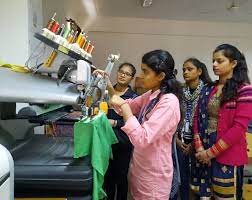
Introduction about ITI Computer Aided Embroidery and Designing
Computer-Aided Embroidery and Designing in an ITI (Industrial Training Institute) context refers to the specialized training program that equips individuals with the skills and knowledge required to create intricate designs and patterns using computer software for embroidery purposes.
ITI programs in Computer-Aided Embroidery and Designing typically focus on teaching students how to utilize various software applications specifically tailored for designing embroidery patterns. These courses aim to familiarize students with computer-aided design (CAD) software, digitizing techniques, and the use of specialized embroidery machines.
Students enrolled in these programs learn the fundamentals of design principles, color theory, and software proficiency to create, modify, and enhance embroidery designs. They are trained to use CAD tools to digitize designs, convert artwork into digital formats, and optimize designs for production on embroidery machines.
Moreover, the curriculum often includes practical hands-on training where students work with embroidery machines to understand the technical aspects of the embroidery process, such as thread selection, hooping techniques, and machine operation.
The skills acquired through ITI Computer-Aided Embroidery and Designing programs are highly valuable in industries such as fashion, textile design, apparel manufacturing, and specialized embroidery businesses. Graduates from these programs are equipped to pursue careers as embroidery designers, digitizers, machine operators, or entrepreneurs in the embroidery and textile industry.
Overall, ITI programs in Computer-Aided Embroidery and Designing play a crucial role in providing individuals with the technical skills and expertise required to thrive in the dynamic and creative field of computer-assisted embroidery design.
How can I apply for admission to ITI Computer Aided Embroidery and Designing
To apply for admission to an ITI (Industrial Training Institute) offering a Computer-Aided Embroidery and Designing course, follow these steps:
Research ITIs: Start by researching ITIs or vocational training institutes in your area or region that offer the Computer-Aided Embroidery and Designing course. You can explore their websites, contact them directly, or visit their campuses for detailed information.
Check Eligibility: Review the eligibility criteria for the course. Typically, ITI courses have minimal eligibility requirements, often requiring candidates to have completed a certain level of education (such as 8th or 10th grade). Make sure you fulfill these criteria before applying.
Application Process: Obtain the application form for the Computer-Aided Embroidery and Designing course from the respective ITI. This form may be available online on the institute's website or can be collected in person from their admissions office.
Fill Out the Application Form: Complete the application form accurately and ensure all required documents, such as educational certificates, identification proof, passport-sized photographs, etc., are attached as per the institute's instructions.
Submit the Application: Once you have filled out the application form and gathered the necessary documents, submit the application to the ITI within the specified deadline. Some institutes might conduct an entrance exam or interview as part of the admission process.
Pay Application Fee (if applicable): Some institutes may require an application fee. Ensure that you pay the fee as per the institute's guidelines.
Follow-Up: After submitting your application, keep track of any updates or notifications from the ITI regarding entrance exams, interview dates, or any additional requirements.
Prepare for Selection Process (if applicable): If the ITI conducts an entrance exam or interview, prepare accordingly by studying relevant subjects or practicing interview questions.
Admission Confirmation: Once selected, the institute will provide you with an admission offer. Follow the instructions provided to confirm your admission by paying the required fees and completing any further formalities.
Remember to stay updated with the admission schedule and guidelines provided by the ITI to ensure a smooth application process. If you have any doubts or require clarification on any aspect of the application, don't hesitate to contact the institute's admissions office for assistance.
What is the eligibility for ITI Computer Aided Embroidery and Designing
The eligibility criteria for ITI (Industrial Training Institute) courses in Computer-Aided Embroidery and Designing may vary slightly between different institutes, but generally, the eligibility requirements are as follows:
Educational Qualification: Applicants should have completed a minimum level of education, typically ranging from 8th to 10th grade or its equivalent, depending on the institute offering the course. Some institutes may require a specific educational background in art, design, or related fields as an added advantage.
Age Limit: There might be an age limit criterion for admission to ITI courses. The minimum age requirement for enrollment is usually 14-15 years, while the maximum age limit can vary but often ranges between 25 to 40 years.
Specific Requirements: Certain ITIs may have additional criteria or preferences such as basic computer knowledge, artistic skills, or familiarity with design concepts. These could be evaluated during the selection process or through an entrance examination.
Entrance Exam/Interview (if applicable): Some ITIs might conduct an entrance exam or an interview to assess the candidate's aptitude, skills, or understanding of the field of Computer-Aided Embroidery and Designing. Qualifying in such assessments could be a part of the eligibility criteria.
Prospective applicants should thoroughly check the specific eligibility criteria outlined by the ITI or vocational institute offering the Computer-Aided Embroidery and Designing course. This information is usually available on the institute's official website or can be obtained directly from the admissions office. It's essential to ensure that you meet all the specified eligibility requirements before applying for admission to the ITI program.
How long does it takes to complete a ITI Computer Aided Embroidery and Designing
The duration to complete an ITI (Industrial Training Institute) course in Computer-Aided Embroidery and Designing typically ranges from 6 months to 1 year. However, the exact duration of the course can vary based on factors such as the curriculum structure, the specific institute offering the program, and the depth of the training provided.
Some ITIs may have a shorter course duration of around 6 months, focusing on imparting fundamental skills and knowledge related to computer-aided embroidery and designing. These shorter-duration programs often cover the basics of using design software, understanding embroidery techniques, and operating embroidery machines.
On the other hand, longer programs may span up to a year, providing more comprehensive training that delves deeper into various aspects of computer-aided design for embroidery. These extended courses might include additional modules on advanced software functionalities, intricate design techniques, digitization processes, machine operations, and practical hands-on training.
The duration of the course is usually designed to equip students with the necessary skills and proficiency to enter the workforce or pursue further studies in the field of Computer-Aided Embroidery and Designing upon completion. Prospective students should check the specific course duration offered by the ITI or vocational institute before enrolling to ensure it aligns with their educational and career goals.
What are potential career opportunities after ITI Computer Aided Embroidery and Designing
After completing an ITI (Industrial Training Institute) course in Computer-Aided Embroidery and Designing, individuals can explore various career opportunities in industries related to textiles, fashion, apparel manufacturing, and specialized embroidery businesses. Some potential career paths include:
Embroidery Designer: Graduates can work as embroidery designers, creating intricate designs, patterns, and motifs using computer software and applying them to fabrics or garments.
Digitizer: They can pursue a career as a digitizer, converting artwork or designs into digital formats compatible with embroidery machines, ensuring proper stitching and detailing.
Embroidery Machine Operator: Opportunities exist as embroidery machine operators, responsible for setting up, operating, and maintaining embroidery machines to produce designs on fabrics or garments.
Textile Industry Professional: Graduates can work in various roles within the broader textile industry, utilizing their skills in design and digitization for textiles, fashion, or interior decoration purposes.
Apparel Manufacturing: Careers in apparel manufacturing involve incorporating computer-aided embroidery designs into garments or accessories, working in collaboration with designers and production teams.
Entrepreneurship: Some individuals may opt to start their own embroidery design business, offering custom designs, digitization services, or operating a small-scale embroidery production unit.
Freelance Designing: Freelancing is another option, allowing individuals to work independently, providing embroidery design services to clients or collaborating with fashion designers and businesses on project-based assignments.
Further Education and Specialization: Graduates can pursue advanced courses or certifications in specialized areas of embroidery designing, CAD software, or textile technology to enhance their skills and career prospects.
These career opportunities offer diverse paths for individuals trained in Computer-Aided Embroidery and Designing, allowing them to apply their skills in creative and technical aspects within the textile and fashion industries, either as employees in established companies or as independent professionals.
Syllabus of ITI Computer Aided Embroidery and Designing
The syllabus for an ITI (Industrial Training Institute) course in Computer-Aided Embroidery and Designing is typically divided into different modules or subjects taught throughout the duration of the program. However, specific syllabi may vary between institutes. Here's a generalized semester-wise breakdown of topics commonly covered:
First Semester:
Introduction to Computer Applications: Basics of computer operations, file management, and familiarity with operating systems.
Principles of Design: Fundamental principles of design, color theory, and understanding design elements.
Introduction to Embroidery: Overview of embroidery, history, types of stitches, and tools used in traditional embroidery.
Introduction to CAD (Computer-Aided Design): Basics of CAD software, understanding the interface, tools, and functions for creating designs.
Digitizing Techniques: Introduction to digitizing processes, converting artwork into digital formats suitable for embroidery machines.
Second Semester:
Advanced CAD Skills: Further exploration of CAD software functionalities, advanced design techniques, and manipulating designs for embroidery.
Embroidery Machine Operations: Understanding embroidery machine functions, settings, hooping techniques, and troubleshooting common issues.
Digital Embroidery Designing: Applying digitized designs onto fabrics or garments, ensuring proper placement and execution.
Quality Control in Embroidery: Techniques for quality assessment, inspection, and ensuring precision in embroidered designs.
Practical Training: Hands-on practice with CAD software and embroidery machines to apply theoretical knowledge in practical settings.
Note: The above syllabus breakdown provides a general overview of the topics that might be covered during an ITI course in Computer-Aided Embroidery and Designing. Institutes may include additional subjects or modify the syllabus according to industry trends, technological advancements, and specific curriculum requirements.
Students undergo theoretical classes, practical sessions, workshops, and possibly internships to gain practical exposure and proficiency in using computer software for embroidery design, operating embroidery machines, and understanding the intricacies of digital embroidery production.
Internship opportunities after completing ITI Computer Aided Embroidery and Designing
Upon completing an ITI (Industrial Training Institute) course in Computer-Aided Embroidery and Designing, individuals may have opportunities to pursue internships in various industries related to textiles, fashion, apparel manufacturing, and embroidery businesses. Internships provide practical experience and exposure to the real-world application of skills acquired during the training program.
Here are some potential internship opportunities:
Textile Companies: Many textile companies offer internships to individuals with skills in embroidery and design. Interns may work on creating embroidery samples, assisting in design development, or understanding the production process within the textile industry.
Fashion Design Studios: Fashion design studios often provide internships to individuals proficient in embroidery design. Interns may assist in creating embellishments, developing embroidery patterns for garments or accessories, or gaining insights into fashion design processes.
Embroidery Businesses: Small to medium-sized embroidery businesses may offer internships focusing on machine operation, digitization, and understanding the day-to-day operations of an embroidery business.
Apparel Manufacturing Units: Internships in apparel manufacturing units allow individuals to apply their skills in a production setting. Interns might work on integrating embroidery designs into garments, understanding quality control processes, or assisting in the manufacturing process.
Freelancing Opportunities: Some individuals might prefer to take up freelance internships, collaborating with designers or small businesses on specific embroidery design projects, gaining exposure to different client requirements and working styles.
Technology and Equipment Companies: Companies that produce embroidery machines, software, or related equipment might offer internships involving product development, testing, or customer support.
Internships offer valuable hands-on experience, networking opportunities, and a chance to apply theoretical knowledge in practical settings. They can also serve as a stepping stone towards a full-time job or provide valuable industry connections for future career prospects in Computer-Aided Embroidery and Designing.
Scholarships and grants for ITI Computer Aided Embroidery and Designing
Scholarships and grants for ITI (Industrial Training Institute) courses in Computer-Aided Embroidery and Designing can vary depending on different factors like region, institute, government initiatives, and private organizations. However, here are some avenues where individuals might find financial assistance for pursuing such courses:
Government Schemes: Various government departments and agencies offer scholarships, grants, or financial aid for students enrolling in vocational or skill development courses, including ITI programs. These schemes aim to support individuals financially and promote skill development in various sectors.
State-Level Scholarships: Some state governments provide scholarships or fee waivers for students pursuing vocational courses like ITI programs. Students can inquire at the state education department or relevant authorities about available financial assistance programs.
Central Government Scholarships: National-level scholarships and grants sponsored by the central government are available for students based on merit, financial need, or specific criteria. These scholarships might cover tuition fees, study materials, or provide stipends.
Corporate Sponsorships: Certain companies or businesses operating in the textile, fashion, or embroidery industries may offer scholarships or sponsorships for individuals interested in pursuing ITI courses related to Computer-Aided Embroidery and Designing. These sponsorships could cover tuition fees or provide financial support.
Non-Profit Organizations and Foundations: Some non-profit organizations, foundations, or trusts focused on education and skill development might offer scholarships or grants to deserving candidates pursuing vocational training, including ITI courses.
Financial Aid from Institutes: Some ITIs themselves may have provisions for scholarships, fee waivers, or financial aid based on merit, economic status, or specific criteria. Applicants should check with the institute's admission office for available financial assistance programs.
Online Scholarship Databases: Various online platforms and scholarship databases compile information on scholarships and grants available for vocational courses, including ITI programs. Students can search these databases to find relevant financial aid opportunities.
When seeking scholarships or grants for ITI Computer-Aided Embroidery and Designing courses, it's advisable to thoroughly research and explore all possible avenues. Applicants should check eligibility criteria, application deadlines, and required documentation for each scholarship or grant opportunity and apply accordingly to increase their chances of securing financial assistance for their education.
Conclusion
In conclusion, ITI Computer-Aided Embroidery and Designing courses offer valuable skills in utilizing technology for creating intricate embroidery designs. Graduates can pursue careers as designers, digitizers, machine operators, or explore entrepreneurship opportunities in the textile and fashion industries. With hands-on training, internships, and potential financial aid through scholarships, this field opens doors to a diverse range of rewarding career paths.
FAQs
What is ITI Computer-Aided Embroidery and Designing?
ITI Computer-Aided Embroidery and Designing focuses on training individuals in using computer software for creating embroidery designs, digitizing artwork, and operating embroidery machines.
What are the career opportunities after completing ITI Computer-Aided Embroidery and Designing?
Career options include embroidery designer, digitizer, machine operator, textile industry professional, entrepreneurship, and freelancing in embroidery design services.
Are there internship opportunities after completing the course?
Yes, graduates can explore internships in textile companies, fashion design studios, apparel manufacturing units, embroidery businesses, or freelance opportunities.
Are there scholarships available for ITI Computer-Aided Embroidery and Designing courses?
Yes, various scholarships and grants from government schemes, corporate sponsorships, institutes, and non-profit organizations exist to support students pursuing vocational training in this field.
How long does it take to complete an ITI Computer-Aided Embroidery and Designing course?
The duration typically ranges from 6 months to 1 year, covering subjects like CAD software, embroidery techniques, machine operations, and practical training.
What subjects are covered in the syllabus of ITI Computer-Aided Embroidery and Designing?
Subjects may include computer applications, design principles, embroidery introduction, CAD skills, digitizing techniques, machine operations, and practical training.
How Shiksha Hub helps you in
-
 Student Counsellors
 -
 Career Counseling
 -
 Research
 -
 24/7 Support
 -
 Scholarships
 -
 Community