Posted by Admin on 22-07-2023 in Shiksha hub
ITI Industrial Painter Admission, Registration, Eligibility, Duration, Fees, Syllabus 2024
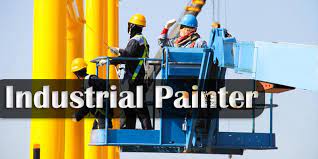
Introduction about ITI Industrial Painter
An Industrial Painter at an Industrial Training Institute (ITI) plays a crucial role in the application of protective coatings to various surfaces within industrial settings. The primary objective of an ITI Industrial Painter is to ensure the longevity and durability of structures and equipment by preventing corrosion and deterioration. This role demands a combination of technical expertise, precision, and a keen understanding of different painting techniques and materials.
ITI Industrial Painters are trained to work with a variety of surfaces, including metal, concrete, and wood, applying coatings that not only enhance the aesthetic appeal but also provide a protective barrier against environmental factors such as moisture, chemicals, and UV rays. These professionals are well-versed in the selection of appropriate paints, primers, and coatings based on the specific requirements of each project.
Furthermore, ITI Industrial Painters are equipped with knowledge about surface preparation techniques, including cleaning, sanding, and applying appropriate treatments to ensure optimal adhesion of coatings. They are trained to operate various painting equipment, such as spray guns, brushes, and rollers, with a focus on achieving uniform and high-quality finishes.
Safety is a paramount consideration in the work of an ITI Industrial Painter, and individuals in this role are trained to adhere to industry-specific safety standards and guidelines. This includes the proper use of personal protective equipment (PPE), knowledge of hazardous materials, and awareness of ventilation requirements to maintain a safe working environment.
In addition to technical skills, effective communication and teamwork are essential for ITI Industrial Painters. They often collaborate with other trades and professionals on industrial projects, requiring clear communication to ensure that painting activities are seamlessly integrated into the overall workflow.
In summary, an ITI Industrial Painter is a skilled professional who contributes significantly to the preservation and maintenance of industrial structures. Through their expertise in coatings and surface preparation, these individuals play a vital role in enhancing the durability and appearance of industrial assets while prioritizing safety and environmental considerations.
How can I apply for admission to ITI Industrial Painter Program
To apply for admission to an ITI Industrial Painter program, follow these general steps:
Research ITIs:
Identify Industrial Training Institutes (ITIs) that offer an Industrial Painter program. You can find this information on their official websites, through educational portals, or by contacting the institutes directly.
Check Admission Requirements:
Review the admission requirements for the Industrial Painter program. These may include educational qualifications, age criteria, and any specific prerequisites.
Prepare Necessary Documents:
Gather all the required documents such as academic transcripts, identification proof, and any other documents specified by the ITI.
Fill Out the Application Form:
Obtain the application form from the ITI, either by downloading it from their website or by visiting the institute in person. Fill out the form completely and accurately.
Submit Application:
Submit the completed application form along with the necessary documents to the ITI within the specified application period. Some institutes may offer online submission options.
Entrance Exams or Interviews (if applicable):
Some ITIs may conduct entrance exams or interviews as part of the admission process. Prepare for these assessments if they are a requirement for the Industrial Painter program.
Pay Application Fees (if applicable):
Check if there are any application fees and ensure that they are paid within the stipulated time.
Wait for Admission Decision:
After submitting your application, wait for the ITI to review your documents and make an admission decision. This may take some time, so be patient.
Complete Admission Formalities:
If you receive an offer of admission, follow the instructions provided by the ITI to complete any additional formalities, such as fee payment, document verification, and registration.
Attend Orientation (if required):
Attend any orientation sessions or programs organized by the ITI to familiarize yourself with the program, facilities, and policies.
Remember to contact the ITI directly if you have specific questions about the application process or if you need clarification on any requirements. It's essential to adhere to the deadlines and guidelines provided by the institute to ensure a smooth application process.
What is the eligibility for in ITI Industrial Painter
Eligibility criteria for admission to an ITI Industrial Painter program can vary between institutions, but here are some common requirements that you might encounter:
Educational Qualifications:
Typically, candidates should have completed a certain level of formal education, often a minimum of 8th or 10th grade. Some programs may have specific subject requirements, so it's essential to check the details for each ITI.
Age Limit:
There might be an age criterion for admission. Many ITIs have a minimum and maximum age limit for candidates applying to their programs.
Medical Fitness:
Some ITIs may require candidates to meet specific health and fitness standards. This could involve submitting a medical certificate attesting to the applicant's physical fitness.
Entrance Exam (if applicable):
Certain ITIs may conduct entrance exams to assess the aptitude and skills of applicants. The performance in these exams could be a factor in the selection process.
Interview (if applicable):
In some cases, institutes may conduct interviews to evaluate the candidate's motivation, communication skills, and suitability for the Industrial Painter program.
Documentary Requirements:
Applicants are usually required to submit relevant documents such as academic transcripts, certificates, proof of age, and any other documents specified by the ITI.
Language Proficiency:
Depending on the medium of instruction, candidates may need to demonstrate proficiency in the language of instruction, which is often English or the local language.
How long does it takes to complete a ITI Industrial Painter program
The duration of an ITI Industrial Painter program can vary depending on the specific curriculum and structure established by the Industrial Training Institute (ITI) offering the program. However, these programs generally range from six months to two years in duration. The duration may also be influenced by factors such as the level of the program (e.g., certificate, diploma) and the comprehensiveness of the training provided.
Here is a general overview:
Short-Term Programs (6 months to 1 year):
Some ITIs offer shorter-term programs, typically spanning six months to a year, which focus on providing fundamental skills and knowledge in industrial painting. These programs may be more specific and targeted, suitable for individuals seeking basic proficiency in the field.
Longer-Term Programs (1 to 2 years):
Longer-term programs, lasting between one to two years, often provide a more comprehensive and in-depth training experience. These programs may cover a broader range of topics, including advanced painting techniques, material science, safety protocols, and may include practical on-the-job training.
The specific duration will be outlined in the program's curriculum or prospectus provided by the ITI. Additionally, the program may include a combination of classroom instruction, hands-on practical training, and possibly an apprenticeship or internship component to ensure that students gain both theoretical knowledge and practical skills.
What are potential career opportunities after ITI Industrial Painter
Upon successful completion of an ITI Industrial Painter program, individuals can explore various career opportunities in industries that require surface coating and painting services. Here are some potential career paths and job opportunities:
Industrial Painter:
Graduates can work directly as industrial painters, applying protective coatings to surfaces in industries such as manufacturing, construction, shipbuilding, and automotive. They may be involved in tasks ranging from surface preparation to the application of coatings using different methods.
Surface Coating Technician:
Surface coating technicians work on applying coatings to various materials and surfaces, ensuring that the coatings adhere properly and meet quality standards. They may work in industries like aerospace, electronics, or infrastructure.
Sandblaster:
Some individuals may specialize in sandblasting, a process used to clean, smooth, or shape surfaces by forcibly propelling abrasive material against them. Sandblasters are employed in industries that require surface preparation before painting or coating.
Quality Control Inspector:
Graduates can pursue roles as quality control inspectors, ensuring that painted or coated surfaces meet industry standards and specifications. This role involves inspecting the application of coatings for uniformity, adhesion, and durability.
Paint Supervisor/Manager:
With experience, individuals can advance to supervisory or managerial roles, overseeing painting and coating operations within an industrial setting. Responsibilities may include project planning, team management, and ensuring compliance with safety and quality standards.
Corrosion Technician:
Corrosion technicians focus on preventing and mitigating corrosion on metal surfaces. They may work in industries such as oil and gas, where protection against corrosion is critical for equipment integrity.
Paint Sales Representative:
Graduates may explore opportunities in sales, working for companies that produce paints, coatings, or related products. They can engage with clients, provide technical advice, and promote products for industrial applications.
Entrepreneurship:
Some individuals choose to start their own painting or surface coating businesses, offering services to industries or local communities. Entrepreneurial ventures may involve residential or commercial painting in addition to industrial applications.
What are potential career opportunities after ITI Industrial Painter
Upon completing an ITI Industrial Painter program, individuals can explore various career opportunities in industries that require surface coating and protective painting. Here are potential career paths:
Industrial Painter:
Directly applying coatings to surfaces in industries such as manufacturing, construction, shipbuilding, and automotive. Tasks may include surface preparation, coating application, and ensuring quality finishes.
Surface Coating Technician:
Working with various coatings to protect and enhance surfaces. This role may involve applying coatings to materials like metal, concrete, or wood, and ensuring they meet industry standards.
Sandblaster:
Specializing in sandblasting, which is used for cleaning, smoothing, or shaping surfaces before painting. Sandblasters play a crucial role in surface preparation.
Quality Control Inspector:
Ensuring that painted or coated surfaces meet specified quality standards. This involves inspecting coatings for uniformity, adhesion, and durability.
Corrosion Technician:
Focusing on preventing and managing corrosion on metal surfaces, particularly relevant in industries like oil and gas where equipment integrity is vital.
Paint Supervisor/Manager:
Advancing to supervisory or managerial roles, overseeing painting operations, project planning, team management, and ensuring compliance with safety and quality standards.
Paint Sales Representative:
Working for companies that produce paints, coatings, or related products. Engaging with clients, providing technical advice, and promoting products for industrial applications.
Entrepreneurship:
Starting an independent painting or surface coating business, offering services to industries or local communities. This could include residential, commercial, or industrial applications.
Maintenance Painter:
Working in facilities or maintenance departments to ensure the ongoing protection and appearance of structures and equipment through regular painting and coating.
Coating Application Specialist:
Specializing in specific coating applications, such as fireproof coatings, anti-graffiti coatings, or coatings with special properties for unique industrial requirements.
Abrasive Blasting Technician:
Employed in industries where abrasive blasting is used for surface preparation, such as in shipyards or construction sites.
Health and Safety Officer:
Focusing on ensuring that painting and coating activities comply with safety regulations and guidelines. This role is crucial in maintaining a safe working environment.
Syllabus of in ITI Industrial Painter.
The specific syllabus for an ITI Industrial Painter program can vary between institutions, and the curriculum may be subject to updates or changes. However, here is a general outline of topics that might be covered in an ITI Industrial Painter program, organized by semester:
First Semester:
Introduction to Industrial Painting:
Overview of the industrial painting profession, its significance, and various applications.
Basic Mathematics and Measurements:
Fundamental mathematical concepts relevant to industrial painting, including measurements and calculations.
Safety Practices in Painting:
Understanding and implementing safety protocols, including the use of personal protective equipment (PPE) and hazard identification.
Surface Preparation Techniques:
Techniques for preparing surfaces for painting, including cleaning, sanding, and application of primers.
Painting Tools and Equipment:
Familiarization with different painting tools and equipment, including brushes, rollers, spray guns, and their proper usage.
Basic Color Theory:
Introduction to color theory and its practical application in industrial painting.
Second Semester:
Paint Types and Characteristics:
Study of different types of paints, coatings, and their characteristics, including solvent-based and water-based paints.
Paint Mixing and Application:
Hands-on experience in mixing paints, adjusting colors, and applying coatings using various methods.
Specialized Coatings:
Understanding and applying specialized coatings for specific industrial needs, such as fire-resistant coatings or corrosion-resistant coatings.
Quality Control in Painting:
Techniques and processes for quality control in painting, including inspection and adherence to industry standards.
Health and Safety in Painting:
Advanced topics in health and safety, including the handling of hazardous materials, ventilation requirements, and emergency procedures.
Blueprint Reading:
Introduction to reading blueprints and specifications related to painting projects.
Third Semester:
Advanced Surface Preparation:
Advanced techniques for surface preparation, including abrasive blasting and chemical treatments.
Industrial Spray Painting:
Mastery of industrial spray painting techniques, including airless and air-assisted spray systems.
Project Planning and Management:
Introduction to project planning, estimating paint quantities, and managing painting projects.
Environmental Considerations in Painting:
Understanding and addressing environmental concerns related to painting processes.
Internship/Practical Training:
Hands-on experience in an industrial setting, applying the skills learned in real-world scenarios.
Soft Skills and Communication:
Development of communication skills, teamwork, and professionalism in an industrial setting.
Internship opportunities after completing ITI Industrial Painter
After completing an ITI Industrial Painter program, individuals can explore internship opportunities to gain practical experience and further enhance their skills. Internships provide valuable hands-on training in real-world industrial settings and often serve as a bridge between academic learning and professional application. Here are some potential internship opportunities for ITI Industrial Painter graduates:
Industrial Painting Companies:
Many industrial painting contractors offer internships where individuals can work alongside experienced painters, gaining exposure to various projects and techniques.
Construction Firms:
Construction companies often require industrial painters for projects involving structural steel, bridges, and other construction-related components. Internships in such firms provide experience in large-scale painting applications.
Manufacturing Facilities:
Interning in manufacturing facilities allows individuals to work on painting and coating tasks related to the production of goods, such as equipment, machinery, and products.
Shipbuilding Yards:
Shipyards frequently need skilled industrial painters for tasks like coating ship surfaces. Internships in shipbuilding yards provide exposure to marine painting applications.
Oil and Gas Industry:
Companies in the oil and gas sector often require industrial painters to protect equipment and structures from corrosion. Internships in this industry provide experience in applying specialized coatings.
Automotive Repair Shops:
Interning in automotive repair shops allows individuals to work on painting and refinishing projects for vehicles, gaining experience in automotive painting techniques.
Aerospace Industry:
Internships in the aerospace industry can involve working on aircraft painting projects, where precision and adherence to quality standards are crucial.
Facility Maintenance Departments:
Facilities in various industries, such as schools, hospitals, or manufacturing plants, have maintenance departments that may offer internships for individuals to assist with painting and coating tasks.
Government Agencies:
Government agencies responsible for infrastructure maintenance may provide internship opportunities for individuals to work on projects related to bridges, highways, and public structures.
Paint and Coating Manufacturers:
Interning with companies that manufacture paints and coatings allows individuals to gain insights into product development, testing, and quality control.
Environmental Protection Agencies:
Agencies focused on environmental protection may offer internships related to the safe disposal of painting materials and adherence to environmental regulations.
Internships provide a valuable opportunity to apply theoretical knowledge, develop practical skills, and build a professional network within the industry. Individuals should actively seek out internships, either by directly applying to companies or by leveraging the assistance of their ITI's placement cell or career services. It's important to approach internships with a willingness to learn, a strong work ethic, and a commitment to safety and quality standards.
Scholarship and grants for ITI Industrial Painter.
Scholarships and grants for individuals pursuing an ITI Industrial Painter program can be valuable resources to help offset the costs of education. While specific scholarships may vary by region and institution, here are some potential avenues to explore:
Government-Sponsored Scholarships:
Many governments offer scholarships for vocational and technical education, including ITI programs. Check with relevant government education departments or scholarship portals for information on available opportunities.
ITI-Specific Scholarships:
Some ITIs or vocational training institutes may have their own scholarship programs for deserving students. Inquire with the ITI's administration or financial aid office to learn about any available scholarships.
Industry Associations and Organizations:
Explore scholarships provided by industry associations related to painting, coating, or relevant sectors. These organizations may support students pursuing careers in industrial painting.
Corporate Sponsorships:
Some companies in the paint and coating industry or related sectors may offer scholarships or sponsorships to support students in ITI Industrial Painter programs. Check with companies that align with the field of study.
Nonprofit Organizations:
Nonprofit organizations with a focus on vocational education and skills development may offer scholarships for individuals pursuing ITI programs. Research organizations that support vocational training.
Community Foundations:
Local community foundations and charitable organizations may provide scholarships for students pursuing vocational and technical education. Check with foundations in your community for available opportunities.
Skill Development Initiatives:
Look for scholarships or grants associated with broader skill development initiatives supported by government agencies or private organizations. These initiatives often include funding for vocational training.
Financial Aid Programs:
Explore general financial aid programs that support students in technical and vocational education. These programs may include grants, loans, or work-study opportunities.
Online Scholarship Platforms:
Utilize online scholarship platforms that aggregate various scholarship opportunities. Websites like Scholarship.com, Fastweb, or local scholarship databases may list relevant opportunities.
Employer-Sponsored Programs:
Some employers may offer tuition reimbursement or sponsorship programs for employees pursuing additional skills through vocational training. If you are currently employed, inquire with your employer about available support.
When applying for scholarships, carefully review eligibility criteria, application requirements, and deadlines. Prepare a strong application that highlights your academic achievements, career goals, and any relevant experience. Additionally, check with the financial aid office of the ITI you plan to attend, as they may have information on available scholarships and assistance with the application process.
Conclusion:
In conclusion, the ITI Industrial Painter program provides a solid foundation for individuals aspiring to build a successful career in industrial painting. With a blend of theoretical knowledge and hands-on training, graduates are equipped with the skills needed to excel in various industries. From mastering surface preparation techniques to exploring specialized coatings, the program opens doors to diverse and rewarding opportunities. Take the first step towards a fulfilling career by enrolling in the ITI Industrial Painter program and unlocking a world of possibilities in surface coating and protection.
FAQ:
What is the duration of the ITI Industrial Painter program?
The duration of the ITI Industrial Painter program varies but generally ranges from six months to two years.
What career opportunities are available after completing the ITI Industrial Painter program?
Graduates can pursue careers as Industrial Painters, Coating Technicians, Quality Control Inspectors, and more in industries like manufacturing, construction, and shipbuilding.
Are there scholarships available for ITI Industrial Painter programs?
Yes, there are various scholarships and grants available, including government-sponsored programs, industry-specific scholarships, and those offered by ITIs.
What skills are covered in the ITI Industrial Painter program?
The program covers skills such as surface preparation techniques, paint mixing and application, safety practices, and specialized coatings for different industrial needs.
Can I pursue entrepreneurship after completing the ITI Industrial Painter program?
Yes, individuals can explore entrepreneurship by starting their own painting or surface coating businesses, offering services to industries or local communities.
How Shiksha Hub helps you in
-
 Student Counsellors
 -
 Career Counseling
 -
 Research
 -
 24/7 Support
 -
 Scholarships
 -
 Community