Posted by Admin on 22-07-2023 in Shiksha hub
ITI Physiotherapy Technician Introduction, Admission, Registration, Eligibility, Duration, Fees, Syllabus 2024
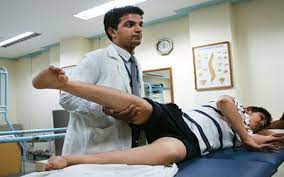
Introduction about ITI Physiotherapy Technician
The role of an ITI (Industrial Training Institute) Physiotherapy Technician is integral in the field of healthcare. These technicians are equipped with specialized skills and knowledge aimed at assisting physiotherapists in their practice. They play a crucial role in implementing therapeutic treatment plans designed to alleviate pain, improve mobility, and enhance the overall quality of life for patients.
The training offered at an ITI for physiotherapy technicians covers a range of essential topics. These include understanding human anatomy, physiology, and the mechanics of movement, as well as learning various physiotherapy techniques and modalities. Additionally, they gain proficiency in operating and maintaining therapeutic equipment used in rehabilitation processes.
Physiotherapy technicians are often responsible for preparing treatment areas, ensuring the proper functioning of equipment, and assisting patients during therapy sessions. They work under the guidance and supervision of licensed physiotherapists, providing valuable support in administering exercises, applying therapeutic modalities, and monitoring patients' progress.
The role demands a combination of technical expertise, empathy, and strong communication skills to effectively interact with patients. Compassion and patience are crucial as they often work with individuals experiencing pain or physical limitations, requiring encouragement and support throughout their rehabilitation journey.
In summary, ITI-trained physiotherapy technicians serve as indispensable members of the healthcare team, contributing significantly to the well-being and recovery of patients under the guidance of licensed physiotherapists. Their expertise and dedication play a pivotal role in the successful delivery of physiotherapy treatments and the overall rehabilitation process.
How can I apply for admission to ITI Physiotherapy Technician
The process for applying to an ITI (Industrial Training Institute) for a Physiotherapy Technician program typically involves the following steps:
Research and Selection: Begin by researching ITIs or vocational training institutes that offer a Physiotherapy Technician course. Look for institutes that are accredited, have a good reputation, and offer comprehensive training in physiotherapy techniques.
Check Eligibility: Ensure that you meet the eligibility criteria set by the institute. Eligibility criteria might include educational qualifications (such as completion of high school or its equivalent), age limitations, and sometimes, specific subject prerequisites.
Application Form: Obtain the application form for the Physiotherapy Technician course from the selected ITI. This form is usually available either online on the institute's website or can be collected from the institute's admission office.
Fill Out the Form: Carefully fill out the application form with accurate information. Make sure to provide all necessary details, including personal information, educational qualifications, and any other information required by the institute.
Attach Documents: Along with the application form, you may need to submit supporting documents. These typically include educational certificates, identification proof (like a passport or driver's license), passport-sized photographs, and any other documents specified by the institute.
Application Fee: Some institutes may require an application fee to be paid along with the submission of the application form. Ensure to check the fee amount and payment methods accepted.
Submission: Submit the completed application form along with the required documents and application fee (if applicable) to the institute within the specified deadline.
Entrance Exams/Interviews: Depending on the institute's policy, there might be an entrance exam or an interview as part of the selection process. Prepare accordingly if such assessments are required.
Selection and Admission: After the evaluation process, institutes will announce the list of selected candidates. If you are selected, follow the instructions provided by the institute to confirm your admission, pay the necessary fees, and complete any additional formalities.
Commencement of Course: Once admitted, familiarize yourself with the course curriculum, attend orientation sessions, and begin your training as a Physiotherapy Technician.
It's essential to keep track of the application deadlines, fulfill all requirements accurately, and prepare well if there are any entrance exams or interviews. Additionally, contacting the institute's admission office or checking their website for specific guidelines and details can provide more precise information about the application process.
What is the eligibility for ITI Physiotherapy Technician
The eligibility criteria for admission to an ITI (Industrial Training Institute) for a Physiotherapy Technician program may vary slightly among institutes, but generally, the following criteria are commonly observed:
Educational Qualification: Candidates should have completed their high school education (10th grade) from a recognized educational board or its equivalent. Some institutes may require a background in science or biology as part of the educational qualifications.
Minimum Age Limit: Applicants should typically be at least 15 to 17 years of age at the time of admission. However, age requirements can vary among institutes, so it's essential to check the specific age criteria set by the ITI offering the Physiotherapy Technician course.
Physical Fitness: Some institutes might require candidates to meet certain physical fitness criteria to ensure they can actively participate in the practical aspects of the course and perform duties as a physiotherapy technician.
Entrance Exams/Interviews: While not always mandatory, some ITIs may conduct entrance exams or interviews as part of the selection process. Candidates may need to qualify in these exams or perform well in interviews to secure admission.
Specific Requirements: Occasionally, institutes might have additional requirements or preferences, such as a certain level of proficiency in English or other relevant subjects. Candidates should carefully review the institute's admission brochure or website for any specific prerequisites.
It's crucial for prospective applicants to thoroughly review the eligibility criteria specified by the particular ITI offering the Physiotherapy Technician course. These criteria can sometimes change or have variations based on the institute's policies or regional regulations. Therefore, it's advisable to directly contact the admission office of the respective ITI for accurate and up-to-date information regarding eligibility requirements for the Physiotherapy Technician program.
How long does it takes to complete a ITI Physiotherapy Technician
The duration to complete an ITI (Industrial Training Institute) Physiotherapy Technician program typically ranges from 1 to 2 years, depending on the specific curriculum structure and institute offering the course.
In most cases:
For a Certificate Course: The duration may span around 1 year. This shorter-term program focuses on providing foundational knowledge and practical skills required for entry-level positions as a Physiotherapy Technician.
For a Diploma Course: Some institutes might offer a longer-term diploma program that extends up to 2 years. This curriculum tends to be more comprehensive, encompassing a broader range of topics related to physiotherapy techniques, anatomy, patient care, and rehabilitation procedures.
During this training period, students enrolled in the ITI Physiotherapy Technician course receive both theoretical classroom instruction and practical hands-on training. They learn about human anatomy, physiology, therapeutic exercises, modalities, and gain proficiency in operating equipment used in physiotherapy treatments. Additionally, students often undergo supervised clinical training to apply their skills in real-world healthcare settings.
The duration of the course can vary based on the institute's curriculum structure, regional educational guidelines, and the depth of the program's content. It's advisable for prospective students to review the specific details provided by the ITI offering the Physiotherapy Technician program to understand the exact duration and course breakdown.
What are potential career opportunities after ITI Physiotherapy Technician
After completing an ITI (Industrial Training Institute) Physiotherapy Technician course, graduates have various career opportunities in the field of healthcare and rehabilitation. Some potential career paths include:
Physiotherapy Assistant/Technician: Graduates can work as assistants or technicians in physiotherapy clinics, hospitals, rehabilitation centers, or private practices. They assist licensed physiotherapists in implementing treatment plans, conducting exercises, applying modalities, and monitoring patient progress.
Rehabilitation Centers: They can work in rehabilitation centers catering to individuals recovering from injuries, surgeries, or medical conditions. This role involves aiding patients in regaining mobility, relieving pain, and improving overall functionality through therapeutic interventions.
Sports Clinics/Fitness Centers: Some Physiotherapy Technicians find opportunities in sports clinics, fitness centers, or sports teams. They assist in providing rehabilitation services to athletes or individuals involved in sports, aiding in injury prevention and recovery.
Elderly Care Facilities: Graduates can work in nursing homes, assisted living facilities, or geriatric care centers, assisting elderly individuals in maintaining mobility, managing pain, and enhancing their quality of life through physiotherapy techniques.
Home Healthcare: They might work as part of home healthcare teams, delivering physiotherapy services to patients in their homes. This role involves creating customized treatment plans that accommodate the patient's living environment.
Educational Institutions: Some graduates may choose to work in educational institutions or vocational training centers, becoming instructors or trainers in physiotherapy assistant programs, sharing their knowledge and experience with aspiring students.
Health and Wellness Centers: Opportunities exist in wellness centers, spas, or holistic health clinics where they assist in providing therapeutic services aimed at improving overall well-being and promoting healthier lifestyles.
Career Progression: With experience and additional certifications or specialized training, Physiotherapy Technicians can advance their careers. They may pursue further education to become licensed physiotherapists, specialize in specific areas such as pediatric or neurological physiotherapy, or take on supervisory or managerial roles within healthcare facilities.
The field of physiotherapy offers diverse career avenues for ITI Physiotherapy Technician graduates, allowing them to make meaningful contributions to the healthcare sector by assisting patients in their recovery and improving their quality of life.
Syllabus of ITI Physiotherapy Technician
The syllabus for an ITI (Industrial Training Institute) Physiotherapy Technician program is typically divided into various subjects/modules taught over semesters. While specific syllabi may vary among institutes, here is a general outline of the subjects that might be covered:
First Semester:
Anatomy and Physiology: Basics of human anatomy and physiology focusing on the musculoskeletal, nervous, and circulatory systems.
Fundamentals of Physiotherapy: Introduction to physiotherapy, history, principles, and scope of physiotherapy practices.
Communication Skills and Patient Care: Communication techniques for interacting with patients, understanding their needs, and providing empathetic care.
Biomechanics and Kinesiology: Study of movement and mechanics of the human body.
Basics of Pathology: Introduction to common diseases, injuries, and pathological conditions that require physiotherapy intervention.
Second Semester:
Therapeutic Modalities: Understanding and practical application of various physiotherapy modalities such as heat, cold, ultrasound, electrical stimulation, etc.
Exercise Therapy: Learning therapeutic exercises, their application, and progression in different patient scenarios.
Orthopedic Physiotherapy: Focus on musculoskeletal disorders, assessment techniques, and rehabilitation strategies for orthopedic conditions.
Neurological Physiotherapy: Understanding neurological conditions and rehabilitation approaches for patients with neurological disorders.
Clinical Practice I: Hands-on training in a clinical setting, assisting in patient care, implementing treatment plans under supervision.
Third Semester:
Cardiopulmonary Physiotherapy: Study of cardiac and respiratory conditions, and physiotherapy interventions for patients with these conditions.
Community-Based Rehabilitation: Understanding the role of physiotherapy in community health programs, outreach, and promoting health awareness.
Pediatric and Geriatric Physiotherapy: Techniques and considerations for physiotherapy in pediatric and elderly populations.
Clinical Practice II: Further practical training in a clinical environment, gaining more experience in implementing treatment plans and patient management.
Professional Ethics and Legal Aspects: Understanding ethical standards and legal responsibilities in the practice of physiotherapy.
The syllabus includes a balance of theoretical learning, practical training, and clinical exposure to equip students with the necessary skills and knowledge required to work as proficient Physiotherapy Technicians upon completion of the program. It's important to note that the specific subjects and depth of the syllabus might differ between institutes offering the Physiotherapy Technician course.
Internship opportunities after completing ITI Physiotherapy Technician
After completing an ITI (Industrial Training Institute) Physiotherapy Technician program, individuals often have various internship opportunities to gain practical experience and further enhance their skills. These internships are valuable for applying theoretical knowledge in real-world clinical settings and preparing for professional roles in the field of physiotherapy. Some potential internship opportunities include:
Hospitals and Clinics: Many hospitals and physiotherapy clinics offer internship programs for Physiotherapy Technicians. Interns work alongside licensed physiotherapists, assisting in patient assessments, implementing treatment plans, conducting therapeutic exercises, and learning about various physiotherapy modalities.
Rehabilitation Centers: Internships in rehabilitation centers cater to individuals recovering from injuries, surgeries, or disabilities. Interns gain experience in helping patients regain mobility, alleviate pain, and improve functionality through supervised hands-on training.
Sports Medicine Facilities: Internships in sports clinics or facilities allow individuals to work with athletes or active individuals, assisting in sports-related injury rehabilitation, preventive exercises, and performance enhancement programs.
Elderly Care Facilities: Internships in nursing homes or geriatric care centers provide exposure to working with elderly individuals. Interns learn techniques for improving mobility, managing age-related conditions, and enhancing the quality of life for older adults.
Community Outreach Programs: Some internships focus on community-based initiatives, providing healthcare services to underserved populations. Interns might participate in health camps, awareness programs, or outreach activities involving physiotherapy interventions.
Home Healthcare Agencies: Internships in home healthcare settings involve providing physiotherapy services to patients in their homes. Interns learn to adapt treatment plans to suit the patient's living environment and assist them in their recovery process.
Internships typically offer hands-on experience under the guidance of experienced professionals, allowing ITI Physiotherapy Technician graduates to apply their knowledge in practical scenarios. These opportunities not only provide valuable learning experiences but also help individuals establish professional connections and gain insights into different facets of the physiotherapy field. Successful completion of internships often strengthens the resume and increases the chances of securing employment in the healthcare sector as a competent Physiotherapy Technician.
Scholarships and grants for ITI Physiotherapy Technician
Scholarships and grants for ITI (Industrial Training Institute) Physiotherapy Technician programs may be available through various sources, including government bodies, educational institutions, private organizations, and philanthropic foundations. These financial aids aim to support students pursuing vocational training in physiotherapy or related fields. Some avenues to explore for scholarships and grants include:
Government Scholarships: Check with government departments or agencies responsible for skill development, vocational education, or healthcare. They often offer scholarships or financial assistance programs for students pursuing vocational courses like Physiotherapy Technician training.
Educational Institutions: Some ITIs or vocational training institutes offering Physiotherapy Technician programs may have their scholarship programs based on merit, financial need, or specific criteria. Inquire directly with the institute's financial aid office or visit their website for information about available scholarships.
Nonprofit Organizations: There are nonprofit organizations and foundations dedicated to supporting students in healthcare-related vocational programs. They offer scholarships and grants for students pursuing careers in physiotherapy or allied health fields.
Professional Associations: Explore professional associations related to physiotherapy or healthcare. They sometimes provide scholarships or financial support to students aspiring to become Physiotherapy Technicians.
Corporate Sponsorships: Certain companies or corporate entities offer scholarships or financial aid programs to students pursuing vocational training. They might have initiatives aimed at supporting education in healthcare-related fields.
Online Scholarship Databases: Several online platforms compile information on scholarships, grants, and financial aid opportunities. Websites dedicated to educational funding or scholarship databases can help students search and apply for various scholarships available for vocational training programs like ITI Physiotherapy Technician courses.
When searching for scholarships and grants, consider factors such as eligibility criteria, application deadlines, required documents, and application procedures. It's essential to thoroughly review the terms and conditions for each scholarship or grant opportunity and submit applications according to the specified guidelines to maximize the chances of receiving financial assistance for ITI Physiotherapy Technician training.
Conclusion
The ITI Physiotherapy Technician program offers comprehensive training in physiotherapy techniques, anatomy, and patient care. Graduates possess the skills to assist licensed physiotherapists, work in hospitals, clinics, or rehabilitation centers, and aid individuals in their recovery process. With a balanced curriculum and practical experience, this vocational training opens doors to various rewarding career opportunities in the healthcare sector.
FAQs
What is the duration of an ITI Physiotherapy Technician program?
Typically, it ranges from 1 to 2 years, covering subjects like anatomy, therapeutic modalities, and clinical practice.
What are the career prospects after completing ITI Physiotherapy Technician training?
Graduates can work as physiotherapy assistants, in hospitals, clinics, sports facilities, and elder care centers.
Are there scholarships available for ITI Physiotherapy Technician programs?
Yes, various sources offer scholarships, including government bodies, institutions, and nonprofit organizations supporting vocational education.
Can ITI Physiotherapy Technician graduates pursue further studies in the field?
Yes, with experience, they can advance their careers by pursuing higher education to become licensed physiotherapists or specialize in specific areas.
What kind of practical training do students receive during the program?
The program includes hands-on clinical practice in hospitals, rehabilitation centers, and community outreach programs to apply learned skills in real-life situations.
How Shiksha Hub helps you in
-
 Student Counsellors
 -
 Career Counseling
 -
 Research
 -
 24/7 Support
 -
 Scholarships
 -
 Community