Posted by Admin on 21-07-2023 in Shiksha hub
ITI Weaving of Woolen Fabrics introduction, Admission, Registration, Eligibility, Duration, Fees, Syllabus 2024
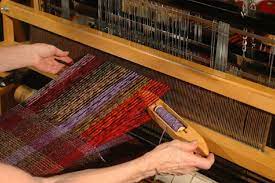
Introduction to ITI Weaving of Woolen Fabrics
In the realm of textile production, the art and science of weaving play a crucial role in creating a diverse array of fabrics, each with its unique characteristics and applications. Within this domain, the Weaving of Woolen Fabrics program at the Industrial Training Institute (ITI) stands as a testament to the craftsmanship and skill required to produce high-quality wool textiles.
The ITI Weaving of Woolen Fabrics program is designed to impart comprehensive knowledge and hands-on experience in the weaving process, specifically focusing on the utilization of wool fibers. Wool, known for its natural warmth, resilience, and versatility, presents distinct challenges and opportunities in the weaving industry. This program equips students with the expertise to harness the potential of woolen fibers and weave them into fabrics that are not only aesthetically pleasing but also functional.
Students enrolled in this program undergo a structured curriculum that covers various aspects of weaving, from understanding the characteristics of wool fibers to mastering the intricacies of loom operation. The program emphasizes both theoretical knowledge and practical skills, ensuring that graduates are well-prepared to navigate the complexities of the weaving industry.
Key components of the ITI Weaving of Woolen Fabrics program may include:
Fiber Characteristics: Understanding the unique properties of wool fibers, such as elasticity, moisture absorption, and insulation, and how these characteristics influence the weaving process.
Loom Operation: Mastering the operation of weaving looms, including both manual and automated systems, to produce different weave patterns and fabric structures.
Pattern Design: Developing skills in designing and creating patterns for woolen fabrics, considering factors like color coordination, texture, and intended use.
Quality Control: Learning methods for inspecting and ensuring the quality of woven woolen fabrics, including identifying and rectifying common defects.
Technological Advances: Staying abreast of the latest technological advancements in weaving machinery and techniques to enhance efficiency and productivity.
Safety and Environmental Considerations: Understanding and adhering to safety protocols in the workplace, as well as considering environmentally sustainable practices in the weaving process.
Graduates of the ITI Weaving of Woolen Fabrics program are well-equipped to contribute to the textile industry by producing high-quality woolen fabrics that meet market demands. Whether in traditional handloom settings or modern industrial facilities, the skills acquired during this program prepare individuals for a rewarding career in weaving woolen textiles.
How can I apply for admission ITI WEAVING OF WOOLEN FABRICS Program
To apply for admission to the ITI Weaving of Woolen Fabrics program, follow these general steps:
Research and Choose an ITI: Begin by researching Industrial Training Institutes (ITIs) that offer the Weaving of Woolen Fabrics program. Look for reputable institutions that provide quality training and have a good track record in the field.
Check Eligibility Criteria: Review the eligibility criteria for the program, including educational qualifications and any other specific requirements. Ensure that you meet the necessary criteria before proceeding with the application.
Obtain Application Form: Obtain the application form for the ITI Weaving of Woolen Fabrics program. This can typically be done by visiting the official website of the chosen ITI or by obtaining the form in person from the institute's admission office.
Fill Out the Application Form: Carefully fill out the application form with accurate and relevant information. Provide details such as your personal information, educational background, and any other required details.
Attach Required Documents: Gather and attach the necessary supporting documents, which may include:
Educational certificates and mark sheets
Proof of age (such as a birth certificate)
Passport-sized photographs
Any other documents specified by the ITI
Submit the Application: Submit the completed application form along with the required documents to the designated admission office of the ITI. Ensure that you meet the application submission deadline.
Entrance Examination (if applicable): Some ITIs may conduct entrance examinations as part of the admission process. If applicable, prepare for and appear in any entrance exams required for the Weaving of Woolen Fabrics program.
Interview (if applicable): Prepare for any interviews that may be part of the admission process. Be ready to discuss your interest in the program, your career goals, and any relevant experiences.
Wait for Admission Decision: After submitting your application, wait for the ITI to review your application and make an admission decision. This may take some time, so be patient.
Complete Admission Formalities: If accepted, complete any additional admission formalities as required by the ITI. This may include paying the admission fee, attending orientation sessions, and fulfilling any other administrative requirements.
Commence the Program: Once all formalities are completed, you can commence the ITI Weaving of Woolen Fabrics program as per the scheduled start date.
What is the eligibility for ITI WEAVING OF WOOLEN FABRICS
The eligibility criteria for admission to the ITI Weaving of Woolen Fabrics program may vary slightly depending on the specific policies of the Industrial Training Institute (ITI) offering the course. However, here is a general overview of typical eligibility requirements:
Educational Qualification: Candidates are typically required to have completed a certain level of formal education. A common eligibility criterion is the successful completion of secondary education (10th grade or equivalent) from a recognized educational board.
Age Limit: There may be an age limit for applicants, and it is common for candidates to be within a specific age range. The age limit can vary, but it is often in the range of 14 to 40 years.
Physical Fitness: Some ITIs may have certain physical fitness requirements that applicants must meet. This is particularly relevant for programs that involve manual work, such as weaving, where physical stamina and dexterity may be important.
Entrance Exam (if applicable): In some cases, ITIs may conduct entrance examinations to assess the aptitude and basic knowledge of applicants. The performance in the entrance exam may be a factor in the selection process.
Interview (if applicable): ITIs may conduct interviews to evaluate the candidate's interest in the program, understanding of the field, and motivation for pursuing the Weaving of Woolen Fabrics course.
Documentary Requirements: Applicants are usually required to submit certain documents along with their application. These documents may include:
Educational certificates and mark sheets
Proof of age (birth certificate or any other relevant document)
Passport-sized photographs
Any other documents specified by the ITI
How long does it takes to complete a ITI WEAVING OF WOOLEN FABRICS program
The duration of an ITI (Industrial Training Institute) Weaving of Woolen Fabrics program can vary depending on the specific curriculum and structure established by the institute offering the course. Typically, ITI programs are designed to provide relatively short-term, focused training to prepare individuals for specific vocational or technical roles.
On average, an ITI Weaving of Woolen Fabrics program may span anywhere from 6 months to 2 years. The duration can be influenced by factors such as the level of specialization, the depth of the curriculum, and the inclusion of practical training components. Shorter programs may focus on core weaving skills and basic knowledge, while longer programs may incorporate more extensive practical experiences, advanced techniques, and potentially additional coursework related to the textile industry.
Prospective students should refer to the specific details provided by the ITI offering the Weaving of Woolen Fabrics program to obtain accurate information on the duration of the course. This information is typically available in the institute's official literature, on their website, or in the program brochure. Additionally, the duration may be communicated during the application and admission process.
Internship opportunities after completing ITI WEAVING OF WOOLEN FABRICS
After completing the ITI Weaving of Woolen Fabrics program, individuals can explore various internship opportunities to gain practical experience and further enhance their skills in the field of weaving. Internships provide a valuable bridge between academic training and real-world applications, allowing individuals to apply their knowledge in an industrial setting. Here are some potential internship opportunities for those who have completed the ITI Weaving of Woolen Fabrics program:
Textile Manufacturing Companies: Many textile manufacturing companies, especially those specializing in woolen fabrics, offer internships to individuals with weaving expertise. Interns may work on the production floor, operating looms, monitoring the weaving process, and contributing to the creation of quality woolen fabrics.
Handloom and Handicraft Organizations: Individuals interested in preserving traditional weaving techniques may find internships with handloom and handicraft organizations. These opportunities could involve working with skilled artisans, learning traditional weaving methods, and contributing to the production of handwoven woolen textiles.
Research and Development Labs: Research and development labs within textile or apparel companies may offer internships to individuals interested in exploring innovative weaving techniques, fabric structures, or the development of new materials. This type of internship can provide exposure to cutting-edge technologies and trends in the industry.
Quality Control and Assurance: Internships in quality control departments of textile companies can offer valuable experience in assessing and ensuring the quality of woven woolen fabrics. Interns may learn to identify and address defects, measure fabric characteristics, and contribute to maintaining high production standards.
Fashion and Design Houses: Internships with fashion and design houses allow individuals to understand how woven woolen fabrics are integrated into fashion collections. This experience can provide insights into the design process, fabric selection, and the role of weaving in creating fashionable garments.
Textile Machinery Manufacturers: Interning with manufacturers of textile machinery provides a different perspective, allowing individuals to learn about the technology behind weaving equipment. This experience can be beneficial for those interested in the maintenance, troubleshooting, and improvement of weaving machinery.
Export-Import Companies: Companies involved in the export or import of woolen fabrics may offer internships in areas such as logistics, supply chain management, and international trade. Interns can gain insights into the global market and the various aspects of the woolen fabric supply chain.
Scholarship and grants for ITI WEAVING OF WOOLEN FABRICS
Scholarships and grants for the ITI Weaving of Woolen Fabrics program can provide financial support to individuals pursuing vocational education in the field of weaving. While scholarship opportunities for ITI programs may not be as widely available as those for higher education, there are still avenues to explore. Here are some potential sources of financial assistance:
Government Schemes: Check with relevant government departments or agencies that support skill development and vocational training. Some governments offer scholarships or financial assistance for individuals enrolling in ITI programs. These schemes may have specific eligibility criteria and application processes.
Skill Development Initiatives: Various skill development initiatives and organizations may provide scholarships to individuals pursuing vocational training. Explore opportunities offered by NGOs, community organizations, and industry associations that focus on supporting skill development in the textile sector.
Industry Partnerships: Some companies in the textile and weaving industry collaborate with educational institutions to offer scholarships or sponsor students in ITI programs. Research potential industry partnerships or inquire with local textile companies about any existing programs.
ITI-Specific Scholarships: ITIs themselves may offer scholarships or financial aid to deserving students. Check with the specific ITI where you plan to enroll in the Weaving of Woolen Fabrics program to inquire about any scholarships, grants, or fee waivers that may be available.
Skill Development Banks: In some regions, there are banks or financial institutions that focus on providing loans or financial assistance for skill development programs. Investigate whether such institutions have specific programs for vocational training in the textile industry.
Community and Trust Funds: Local community trusts, foundations, or philanthropic organizations may have initiatives to support education and skill development. Explore opportunities within your community and inquire about any available scholarships for vocational training.
Corporate Sponsorship Programs: Some corporate entities have sponsorship programs that support individuals pursuing vocational education. Research whether textile or weaving companies in your area have such programs and inquire about the application process.
Online Scholarship Platforms: Explore online scholarship platforms and databases that list various scholarship opportunities. While these platforms often focus on higher education, there may be specific scholarships for vocational and skill development programs.
Syllabus of ITI WEAVING OF WOOLEN FABRICS
|
Serial No. |
Subjects |
Topics Covered |
|---|---|---|
|
1 |
Introduction to Textile Industry |
Overview of the textile sector and weaving processes |
|
2 |
Fiber Science |
Characteristics of wool fibers and other materials |
|
3 |
Basics of Weaving Technology |
Understanding looms, warp and weft, basic weaves |
|
4 |
Handloom Weaving Techniques |
Practical skills on handloom operation |
|
5 |
Workshop Practice |
Basic weaving exercises and techniques |
|
Serial No. |
Subjects |
Topics Covered |
|---|---|---|
|
1 |
Advanced Weaving Techniques |
Complex weaves, pattern design, and structures |
|
2 |
Wool Blending and Spinning |
Blending different wool types, yarn production |
|
3 |
Industrial Loom Operation |
Understanding and operating industrial looms |
|
4 |
Fabric Analysis and Quality Control |
Identifying defects, quality standards |
|
5 |
Practical Training |
Hands-on experience with industrial weaving |
|
Serial No. |
Subjects |
Topics Covered |
|---|---|---|
|
1 |
Jacquard Weaving Technology |
Introduction to computerized weaving technology |
|
2 |
Carpet Weaving Techniques |
Understanding and weaving carpets |
|
3 |
Textile Designing |
Basics of design, color theory, and aesthetics |
|
4 |
Environmental and Safety Measures |
Workplace safety, environmental considerations |
|
5 |
Project Work |
Applied project related to woolen fabric weaving |
Conclusion
In conclusion, the ITI Weaving of Woolen Fabrics program serves as a gateway for individuals seeking specialized training in the intricate art of weaving with a focus on woolen textiles. Through a well-rounded curriculum, encompassing theoretical knowledge and hands-on practical experience, this program equips students with the skills necessary to thrive in the dynamic and evolving textile industry. From understanding the unique properties of wool fibers to mastering the operation of both traditional handlooms and modern industrial machinery, graduates emerge as adept professionals ready to contribute to the production of high-quality woolen fabrics.
As the program covers a spectrum of subjects, including advanced weaving techniques, fabric analysis, and specialized applications such as carpet weaving, it ensures that students are well-versed in diverse aspects of the craft. Moreover, exposure to elements like textile design and adherence to safety measures further enhances the holistic development of individuals within the program.
FAQ (Frequently Asked Questions)
1. Who is eligible for admission to the ITI Weaving of Woolen Fabrics program?
Typically, candidates who have completed secondary education (10th grade or equivalent) and meet age criteria are eligible. Specific eligibility requirements may vary between ITIs.
2. How long does it take to complete the ITI Weaving of Woolen Fabrics program?
The duration can vary, but on average, it may span from 6 months to 2 years, depending on the specific curriculum and structure of the ITI program.
3. Are there internship opportunities after completing the ITI Weaving of Woolen Fabrics program?
Yes, graduates can explore internships in textile manufacturing companies, handloom organizations, research labs, and other industry-related settings to gain practical experience.
4. Are there scholarships or grants available for the ITI Weaving of Woolen Fabrics program?
Scholarships may be available through government schemes, skill development initiatives, industry partnerships, and community trusts. Students are encouraged to explore these avenues for financial assistance.
5. What topics are covered in the ITI Weaving of Woolen Fabrics program?
The program covers a range of subjects, including fiber science, basics of weaving technology, advanced weaving techniques, industrial loom operation, fabric analysis, and specialized applications like carpet weaving.
6. What career opportunities are available after completing the ITI Weaving of Woolen Fabrics program?
Graduates can pursue careers as weavers in textile manufacturing units, handloom organizations, fashion and design houses, research and development labs, and more.
How Shiksha Hub helps you in
-
 Student Counsellors
 -
 Career Counseling
 -
 Research
 -
 24/7 Support
 -
 Scholarships
 -
 Community